

We can easily make a DIY citrus cleaner using fermented peels from lemons, limes, or oranges. First, we fill a narrow jar halfway with fresh citrus peels, adding a mix of 80 to 100 grams of sugar dissolved in one liter of warm water. We seal it tightly and let it sit in a cool spot for at least two weeks. This all-natural cleaner is effective, eco-friendly, and smells great. Stick around to discover more tips on using it effectively!
Key Takeaways
- Fermenting fresh citrus peels with sugar and warm water enhances antibacterial properties, creating a powerful cleaning solution.
- Use a narrow-necked jar to limit oxygen exposure during fermentation for better results.
- Store the strained cleaner in a spray bottle, mixing it with water at a 1:1 ratio for effective use.
- Avoid using on porous stones and perform compatibility tests on wood surfaces to prevent damage.
- The pleasant citrus scent masks odors while promoting an eco-friendly cleaning routine.
How to Make a DIY Citrus Cleaner and Its Benefits
Ever notice how cleaning products can often be full of harsh chemicals? If you’re looking for a fresh, natural alternative, making a DIY citrus cleaner is an easy and effective route to take. The best part? You probably already have most of the ingredients on hand!
Here’s how you can whip up your own cleaner. Start by gathering three parts citrus peels—think oranges, lemons, or whatever you have—along with one part brown or white sugar, and ten parts warm water. It’s important to mix this concoction in a narrow-necked container like a soda bottle to limit oxygen exposure during fermentation. Once everything’s in there, seal it tightly and store it in a warm spot. Be sure to give it a gentle shake every day.
Wondering about the timeline? The fermentation process takes about three months. During this time, the natural yeast from the citrus peels works its magic, converting sugar into alcohol and carbon dioxide. So, why does this matter? Not only does your home start to smell amazing—thanks to those essential oils—but this cleaner packs a punch when it comes to tackling grime on various surfaces.
And guess what? You won’t be left with unusable citrus peels. Those are compost-ready once you’re done! Using this method aligns well with choosing cleaners that prioritize plant-based ingredients and minimize harsh chemicals for a safer home environment.
Essential Ingredients for Your Citrus Cleaner

Have you ever looked at those grimy surfaces around your home and thought, “There’s got to be a better way to clean?” If you’re tired of chemical-laden cleaners, why not try making your own citrus cleaner? It’s not only easy but also budget-friendly and eco-conscious!
The key to a good DIY citrus cleaner is fresh citrus peels. Use peels from oranges, lemons, limes, or grapefruits—these fruits pack a punch with their essential oils that make cleaning a breeze. Here’s a quick breakdown of what you need:
- Fresh citrus peels
- Sugar (brown or white will do)
- Warm water
For the mix, it’s all about the right proportions. You’ll want to combine 10 parts warm water, 3 parts citrus peels, and 1 part sugar in a narrow-neck container. This type of container is crucial because it limits oxygen exposure, which is essential for fermentation to happen. As a side note, always avoid using rotten peels, since they can spoil your cleaner and ruin all your hard work.
So, why does this matter? The sugar helps with fermentation, which leads to the production of alcohol over time. In a few weeks, you’ll have a powerful, eco-friendly cleaner that’ll help you tackle dirt and grime without the harsh chemicals.
Honestly, once you give this a try, you might just find that the process is as satisfying as the finished product. It’s a simple, natural way to keep your home fresh. Why not take a step towards DIY cleaning today? You might be pleasantly surprised by how effective and easy it can be!
Using such natural cleaners complements the use of reusable unpaper towels, further reducing waste and promoting sustainability at home.
Recommended Products

✔️ SUPERIOR QUALITY: TOMO Stoneware combines innovative design with traditional, quality craftsmanship. Make nourishing, probiotic rich foods like german sauerkraut, pickled vegetables, kombucha, and kimchi at home. Every detail was considered to develop this restaurant-grade fermenting and pickling crock. KIT INCLUDES: 2 weights and wooden tamper.

EUROPEAN-DESIGNED, A-GRADE PORCELAIN — BUILT TO OUTLAST GENERATIONS — Fired at 1260°C from premium kaolin clay, this is genuine high-fired porcelain — heavier, denser and more durable than the standard stoneware crocks flooding the market. The thick walls resist cracking and stabilise temperature fluctuations, protecting your ferment batch after batch. Crafted to the standard of traditional European fermentation crocks.
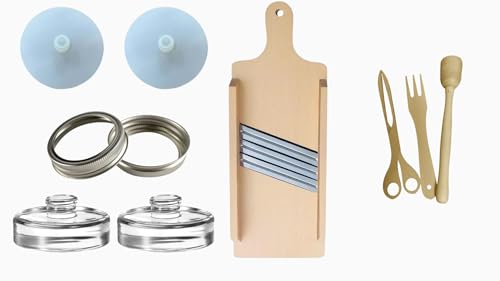
COMPLETE KIT: This optimum size vegetable preparation & fermentation kit includes everything needed - 1x Cabbage Shredder / Vegetable Slicer, 2 x Fermentation Airlock Lids with jar rings for wide mouth mason jars, 2 x Fermentation Glass Weights, 1 x Cabbage Stomper/ Pounder, 1 x Sauekraut Fork, 1 x Pickle Tongs & 1 x Cut Resistant Glove to safely & easily shred, slice & ferment vegetables like cabbage into sauerkraut, kimchi, pickles & other ferments.
Step-by-Step Guide to Preparing Your Citrus Cleaner

Have you ever looked at the cleaning products under your sink and thought, “Why am I using all these chemicals?” If you’re like a lot of people, you probably want something that’s effective but still natural. Well, making your own citrus cleaner with fresh peels is a simple and satisfying solution that brightens up your home without any harsh ingredients.
Here’s how you do it: Start by gathering peels from your favorite citrus fruits, like oranges, lemons, or grapefruits. Just fill a jar halfway with those peels.
Next, pour in white vinegar until the peels are completely submerged. After that, seal the jar tightly. The key here is to place it in a cool, dark spot and let it steep for at least two weeks. Give it a shake now and then to mix things up and boost that infusion process.
After the two-week wait (yes, patience is a virtue), it’s time for the fun part: straining. Use a fine strainer to remove those peels and you’ll be left with a lovely infused vinegar. Pour that liquid gold into a clean spray bottle, and you’re almost there!
When you’re ready to clean, just mix that citrus vinegar with an equal part water, and you’ve got yourself a powerful all-purpose cleaner.
So, why does this matter? By making your own cleaner, you know exactly what’s in it, and it smells amazing. Plus, it’s a great way to reduce waste instead of tossing those peels in the trash. Using biodegradable ingredients like these helps ensure your cleaning routine is gentle on the environment.
In a nutshell, taking just a little time to prepare your citrus cleaner can save you money and keep your home fresh. Have fun cleaning naturally! What else have you made with citrus peels?
Recommended Products

Simply mix Harris 30% Vinegar with water to create versatile, custom-strength solutions you can use indoors and out. Mix a spray bottle for cleaning surfaces, treating stains, and deodorizing unwanted smells, pour a gallon for cleaning floors, or fill a tank sprayer to wash fences and driveways.
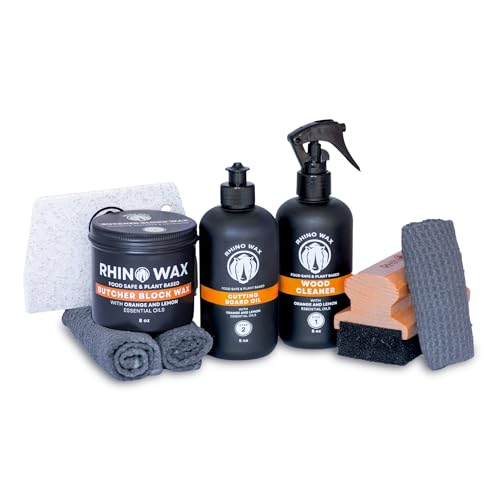
Effective Butcher Block Care: Kit includes Wood Spray Cleaner 8oz, Cutting Board Oil 8oz, Cutting Board Wax 8oz, scraper, 1 Large applicator and 3 microfiber cloths

The information below is per-pack only
How to Ferment Citrus Peels Effectively
Have you ever wondered what to do with all those citrus peels after making your favorite recipes? Most of us toss them out without giving them a second thought. But guess what? You can actually turn them into something amazing by fermenting them! Here’s how to get started.
First things first, you’ll need about 1 liter of fresh sliced citrus peels. Don’t forget the sugar! Dissolve 80-100 grams of sugar in 1 liter of warm water. Now, the container you choose is crucial. A narrow-mouth jar is ideal because it reduces oxygen exposure, which is super important for fermentation to work properly.
During the first week, you’ll want to give your container a gentle shake about 2-3 times a day. This helps release gas and keeps pressure from building up inside. Finding a warm spot for your fermentation is key, too—aim for about 85°F (30°C). You should start to see some bubbles within just 24 hours! It’s like watching your own little science experiment unfold.
Be careful with your peels, though; only use fresh ones. If they’re rotten, they can ruin the whole batch with nasty smells. Honestly, no one wants that.
So, what’s the best part? After fermentation, you’ll have a magical cleaning solution that’s perfect for tackling grime. Plus, you’ve recycled something that usually ends up in the trash.
In all, fermenting citrus peels is a simple and rewarding way to make use of what’s often overlooked. Have you ever tried something like this at home? Give it a shot and see what you think!
Using this homemade cleaner as part of a routine with other biodegradable formulations can help reduce your environmental footprint.
Recommended Products

Large Capacity Square Fermentation Jar: With a generous 256 oz/7570 ml capacity, it is 12.2 inches (31 cm) tall. These 2 gallon large glass jars with lids can hold large quantities, making them perfect for bulk storage and big batch recipes, pickles, sauerkraut, kimchi, brewing, and kombucha starter
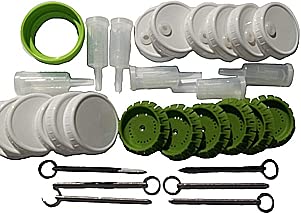
Contains all the items you need to convert 6 wide mouth mason jars into fermenting machines! Small batch fermenting at it's finest

PREMIUM STARTER KIT FOR THE HOME FERMENTER: Includes all the tools needed to convert a regular (small) mouth mason jar into a fermenting machine! Kits turn 4 jars into fermenters for smaller batches for veggies & fermented garlic, salsa & hot sauces!
Straining and Storing Your DIY Citrus Cleaner
Once fermentation wraps up, it’s time to create your citrus cleaner. Straining the mixture is pretty straightforward. Just grab a fine mesh strainer or some cheesecloth to filter out the liquid from those citrus peels. And don’t forget to compost those solids! They deserve a second life, right?
After straining, pour your citrus cleaner into a clean, airtight spray bottle. This makes it super easy to store and use later. Make sure to label the bottle with the contents and the date. Keeping track of freshness can really make a difference. To keep your cleaner effective, stash it in a cool, dark spot—this helps extend its shelf life.
Here’s the trick: before you use it, mix your concentrated cleaner with water at a 1:1 ratio. This way, you end up with a powerful, yet safe citrus cleaner that can tackle just about any mess. To complement your eco-friendly cleaning routine, consider pairing your citrus cleaner with biodegradable kitchen sponges for an all-natural approach in the kitchen. So, what are you waiting for? Your DIY citrus cleaner is ready to shine in your home!
Where Can You Use Your DIY Citrus Cleaner?
Have you ever struggled to find a cleaner that’s safe for your home yet actually gets the job done? A DIY citrus cleaner might just be what you need. Not only does it smell amazing, but it’s also quite versatile.
You can whip up a powerful citrus spray using those leftover peels. This spray works wonders on dirty countertops, stovetops, and sinks in the kitchen. It’s simple to make and can tackle the everyday messes that happen when cooking or baking. Plus, it’s perfect for the bathroom! With this spray, sanitizing sinks, toilets, and tubs becomes easy—without the harsh chemicals you’d usually find in store-bought cleaners.
Wanna make shiny glass surfaces a breeze? Just mix your cleaner with vinegar and water. This combo leaves mirrors and windows crystal clear and streak-free. The best part is, it’s safe on hardwood and laminate floors too. Whether you’re mopping up spills or just doing routine cleaning, you can feel good knowing you’re using something gentle yet effective.
However, a word of caution: be careful using this on porous stones like marble or granite. The acidity in the cleaner can potentially harm those surfaces. So, why does this matter? Because you want your home to look great without risking damage to your pricey countertops!
In fact, choosing cleaning products with biodegradable ingredients helps reduce environmental impact while keeping your home safe.
Recommended Products

California Prop. 65 safe with no listed ingredients posing a risk
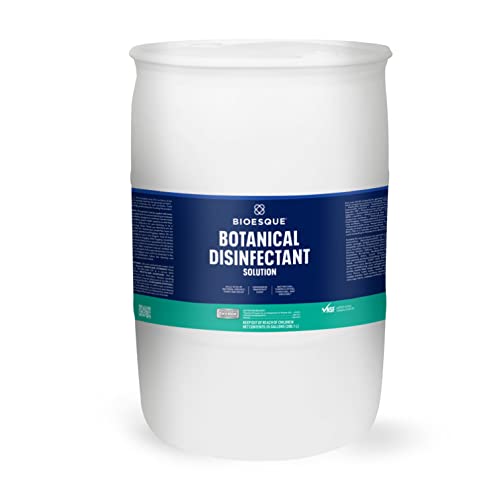
Bioesque Botanical Disinfectant Solution, Heavy Duty Broad-Spectrum Disinfectant, Kills 99.9% of Bacteria, Viruses*, Fungi, & Molds

Mild Alkaline No Foam Formula
Cautions for Using Citrus Cleaners on Different Surfaces
Before diving into the world of citrus cleaners, let’s chat about how they interact with various surfaces. They’re powerful, sure, but their acidity can really do a number on sensitive materials.
Take marble, for example. If you have marble or certain types of granite, it’s a no-go zone for these cleaners since they can etch the stone. When it comes to wood furniture, it’s a smart move to do a spot test first. You don’t want to risk damaging that beautiful finish, right?
If you’re tackling hardwood floors, dilute your solution to keep potential damage at bay. Laminate surfaces are usually pretty forgiving, but prolonged exposure might lead to some unwanted surprises.
So, how do you know what’s safe? Always check the guidelines for specific surfaces, especially if they’re high-maintenance. Trust me, avoiding mishaps now will save you a lot of headaches down the line.
In the end, being cautious with citrus cleaners will help your surfaces shine without the risk of damage. Have you checked the compatibility of your favorite cleaner with your materials? Using cleaning tools with natural bristle brushes can also improve your cleaning routine while being gentle on surfaces.
Common DIY Citrus Cleaner Mistakes
Have you ever tried making your own DIY citrus cleaner only to run into unexpected problems? It’s super frustrating when things don’t go as planned. Here are two common pitfalls that could mess up your efforts.
First off, not sealing your fermentation container properly can spell trouble. If you leave it open, oxygen sneaks in and can wreak havoc on the fermentation process. Plus, this can introduce unwanted bacteria that could ruin your cleaner. You also want to be picky about the citrus peels you choose. If you use any that are moldy or spoiled, they’re just going to ruin your whole batch. Also, cramming too many peels into your container can restrict oxygen flow, which is crucial for proper fermentation.
Regularly releasing gas buildup from your container is another must. Forgetting to do this can lead to some pretty messy situations—not to mention the risk of explosion. And when you’re done with the fermentation, be sure to strain that mixture well. If you don’t, you might end up with bits floating around that not only look unappealing but could also affect how well your cleaner works. Using a citric acid-based cleaner like those derived from lemon peels can enhance grime removal naturally and safely.
Creative Ways to Use Your Citrus Cleaner
Cleaning can feel like a never-ending chore, but what if I told you there’s a way to tackle it that’s not only effective but also smells amazing? Making your own citrus cleaner can turn tedious tasks into something a bit more enjoyable. You can knock out greasy messes on kitchen counters with just a good spray of this homemade solution. Plus, when you use it, you’re left with a fresh scent instead of the harsh chemical odor found in many store-bought products.
Here’s a great tip: this cleaner works wonders for getting your glass windows and mirrors sparkling. Just spray and wipe with a cloth, and you’ll find those surfaces reflecting beautifully—streak-free, of course! It’s also excellent for sanitizing your countertops and sinks in those busy food prep areas.
What if you could kick it up a notch? Try mixing different citrus peels—think oranges with lemons, or even some lime—but here’s another idea: add a few drops of peppermint essential oil for a refreshing twist. The best part is, when you’re done cleaning, you can compost those used peels. So not only do you get a cleaner home, but you also help the planet by cutting down on waste.
Cleaning doesn’t have to be boring! Why not make it a fun experiment with scents? If you haven’t tried making your own citrus cleaner yet, give it a go. You’ll likely be amazed at how effective it is and how much more pleasant it feels to tidy up afterward.
In a nutshell, using a DIY citrus cleaner can freshen up your home, all while being eco-friendly. So, what citrus combo will you try first? For an even more sustainable cleaning routine, consider incorporating eco-friendly bamboo utensils into your kitchen to reduce plastic waste.
Recommended Products

CITRUS GEL SPOTTER 5817: A heavy-duty emergency multi-surface stain remover that quickly treats and dissolves grease, dirt, pet stains, and more from hard and soft surfaces. Vanquish deeply-penetrated spots, spills, and stains that a simple carpet cleaner cannot lift. This potent thick gel formulation softens and removes even the most stubborn messes quickly!

QTY: 2.5 Gallon Bottle

Mal-odor Counteractant Technology: An industrial-strength air freshener spray with 20x the power of ordinary deodorizers, designed to eliminate unwanted smells at the source—for good—leaving spaces fresh and inviting until new bad odors arise.
Frequently Asked Questions About DIY Citrus Cleaning Solutions
Ever faced the challenge of keeping your home clean without relying on harsh chemicals? If you’re looking for a natural and effective solution, DIY citrus cleaners might just be what you need. The trick to making these cleaners powerful lies in fermentation. When you let clean citrus peels sit with sugar and water for about three months, the magic happens. The natural antibacterial qualities of citrus oils and alcohol come together to tackle grime and odors effectively.
To really nail this process, here’s the trick: tightly seal your fermentation containers. Keeping oxygen out is crucial to prevent spoilage and that not-so-pleasant vinegar flavor. Start off with fresh, rot-free peels—this ensures you end up with a fragrant and effective cleaner.
So, why does this matter? It’s simple. You can create an eco-friendly solution right at home that smells great and works wonders! Prepare to enjoy a fresh-smelling space without all those nasty chemicals.
Remember to have patience; good things take time. Once your citrus cleaner is ready, you’ll appreciate the effort. Will you try this out and transform the way you clean? Using biodegradable sponges alongside your citrus cleaner is an excellent way to maintain an eco-friendly cleaning routine.
Frequently Asked Questions
How to Make Cleaner With Citrus Peels?
To make cleaner with citrus peels, we can try citrus peel recipes that utilize fermenting techniques. This creates eco-friendly alternatives with natural cleaning benefits and disinfecting properties, resulting in effective homemade cleaning solutions we’ll love!
What Not to Clean With Citric Acid and Vinegar?
We shouldn’t clean electronic screens, natural stones, or untreated woods with citric acid and vinegar, as those can harm surfaces. Instead, let’s explore safe alternatives and effective cleaning product combinations for a better outcome.
Can You Ferment Citrus Peels?
Yes, we can ferment citrus peels! Did you know 60% of citrus fruits’ benefits reside in their peels? This eco-friendly practice enhances aroma therapy, preserving flavor while promoting sustainable solutions through the fermentation process.
What Is the Most Powerful Natural Cleaner?
The most powerful natural cleaner is vinegar, thanks to its acidity. By combining it with citrus extraction, we create eco-friendly alternatives in homemade remedies, optimizing cleaning while embracing sustainable practices and enjoying vinegar’s benefits for effective natural cleaning.