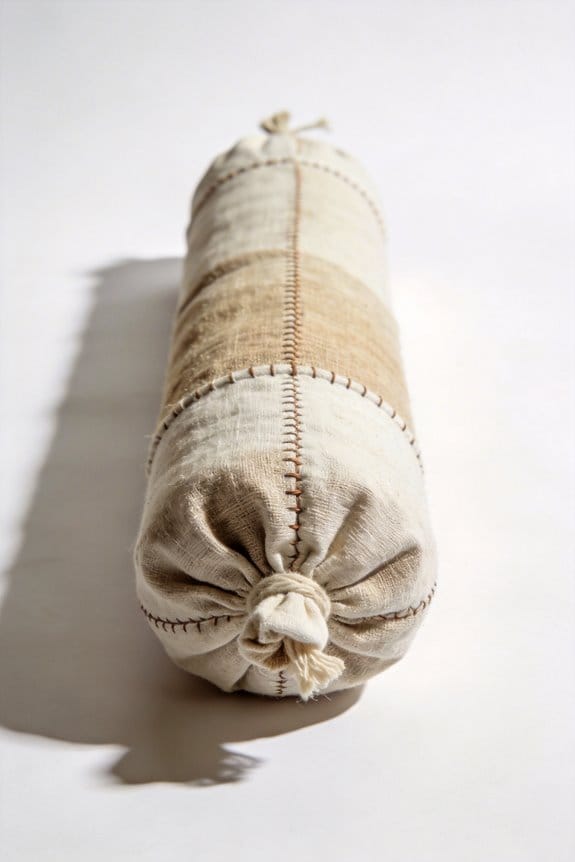

To make a draft stopper from fabric scraps, we need heavy materials like faux suede or upholstery fabric. Gather pieces at least 7 inches wide. Measure the width of your door or window, adding 4-5 inches for a snug fit, and use about 5 pounds of stuffing, like rice or beans, for durability. Sew the pieces together, leaving one end open for stuffing. Finally, personalize it with patterns or appliqués for flair. There’s more creative tips ahead!
Key Takeaways
- Gather durable fabric scraps, ideally at least 7 inches wide, and avoid lightweight materials for optimal draft-blocking effectiveness.
- Measure the gaps of doors or windows and add 4-5 inches to ensure a snug fit for the draft stopper.
- Sew fabric pieces together using a ½” seam allowance, reinforcing seams with backstitching for added durability.
- Fill the draft stopper with about 5 pounds of stuffing, evenly distributing it for a snug shape using a cardboard scoop.
- Personalize your draft stopper with patterns, appliqués, or contrasting threads to reflect your unique style while maintaining functionality.
What You’ll Need: Essential Supplies for a Draft Stopper
Got a chilly draft sneaking in under your door? Getting rid of those annoying air leaks doesn’t have to be complicated. Here’s what you’ll need to create a simple, effective draft stopper that’ll make your space feel a whole lot cozier.
First things first, gather your supplies. You’ll want to collect some fabric scraps. Aim for pieces that are at least 7 inches wide or tall. Heavier materials are best, so look for faux suede or something similar—these fabrics hold up nicely over time.
Now, let’s talk stuffing. You’ll need about 5 pounds of something like dried rice or beans. A mixture of filler materials can work too. This weight helps ensure your draft stopper stays put, blocking those pesky drafts effectively.
For sewing, grab your trusty sewing machine or just a needle and thread, depending on what you’re comfortable with. Don’t forget scissors and pins for aligning everything. Having a ruler or measuring tape on hand will help you cut everything to size accurately, while chalk or fabric markers will make marking measurements a breeze.
If you’re getting creative, consider adding optional supplies like ribbons for handles—they give it a nice little touch. And for an extra boost in insulation, maybe think about using curtains or other materials you already have.
To enhance sustainability, consider using scraps of biodegradable natural kitchen sponges or bamboo fabric scraps if available.
Recommended Products

Soft {Peta-Approved} Vegan Leather by NAT Leathers established in 1995, New York, USA

📏DIMENSION: 8-9 oz (3.2-3.6mm) Thickness Weigh with a size between 22-24 SQ FT Side Cowhide. Made from Bullhide, our full grain leather hides are vegetable tanned. Each piece is cut from the hide making it easy to start working on your project quickly.

【MOBILITY FOR SENIORS & ADULTS】Featuring 360° rolling swivel wheels, this dining chairs with casters allows elderly users and those with mobility challenges to glide between kitchen, dining room, and living room without standing strain. Perfect as a rolling kitchen chair or mobile home office desk chair for adults seeking independence and comfort.
Choosing the Right Fabric for Your Draft Stopper Project

Choosing the right fabric for your draft stopper is super important if you want to keep those chilly drafts at bay. Heavier materials like faux suede or upholstery fabric are your best bet for doing the job right. You’ll want a width of at least 7 inches in one direction for added stability while you’re sewing and stuffing.
Have you ever thought about using fabric scraps from your previous projects? It’s a great way to save some cash while creating one-of-a-kind designs. Just imagine the mix of textures and colors you could incorporate! But steer clear of lightweight options like quilting cotton—they just don’t have the heft to stand up against those pesky drafts.
Durability matters too. You want your draft stoppers to not only look nice but also to last for years in your home. Therefore, it’s best to choose fabrics that are easy to clean. Think about how many times you’ve had to refresh your decor. It’s a good idea to pick materials that can take a bit of wear and tear. For the most sustainable choice, consider materials sourced through responsible practices that contribute to environmental wellbeing.
Recommended Products

ADJUSTABLE BALANCE BEAM FOR KIDS — GROWS WITH EVERY SKILL LEVEL: Start at 7" low floor beam for toddlers ages 3-5 taking first steps, then adjust to 13"-17" or 17"-29" high beam for advanced routines. One adjustable gymnastics beam supports progressive training from beginner to intermediate — replacing multiple beams as your child advances
One Beam Two Molds: The newly patented designed balance beam can have two molds. One is the floor beam, and the other is the adjustable beam. Lower the height to the bottom or raise it to other options to achieve mold exchanges. It's extremely easy to operate, even for a kid
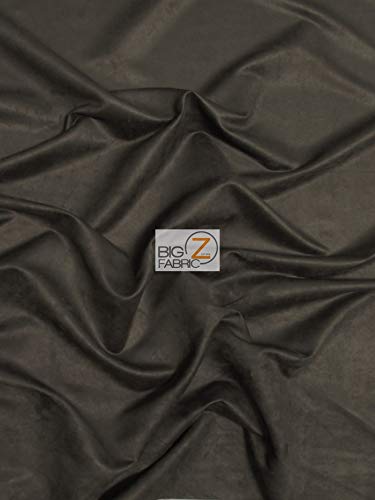
Made from 100% Polyester Fiber
Measuring Windows and Doors for a Perfect Fit

Are you tired of those pesky drafts sneaking in under your doors and windows? Getting the right measurements is super important when making a draft stopper that actually fits. First, measure the width of your door or window. Make sure to add an extra 4-5 inches for a snug fit. Trust me, it’s worth it to have that extra cushion!
Next up is the height of the gap. Usually, it’s about ½ to 1 inch, but every home is different. This little detail is crucial to ensure your draft stopper does its job and blocks those unwanted drafts. For windows, you’ll want to measure the full width of the window sill. This way, you can make sure everything sits securely.
Now, don’t forget to think about any obstructions like door stoppers or handles that could interfere with your fabric piece. These little things can make a big difference in fit and functionality. So, if you run into any obstacles, adjust your measurements accordingly to create your perfect draft stopper.
Using durable materials like food-grade stainless steel ensures your draft stopper will last through all seasons, much like these tumblers keep beverages at the right temperature year-round.
It really is that simple! Taking these steps will help you keep your home cozy all year round. What DIY project are you tackling next?
Recommended Products

Perfect Fit: this wintergarage door curtain Width: 6ft-18ft, Height: 6ft-10ft

Significantly reduces infiltration of light, air, wind, rain, snow, pests and heat loss

SEAL YOUR CAB - partially seal up your cab and provide protection from the elements with the Wind Stopper Plus that features a unique easy to install wrap-around design that seals around the door surrounds
Precision Cutting Techniques for Fabric Scraps
When it comes to cutting fabric scraps for your draft stoppers, getting it right is super important. A rotary cutter is your best friend here—it’s perfect for making clean, accurate cuts, especially if you need a bunch of pieces. First, grab a ruler and measure your scraps. Then, use chalk or a fabric marker to draw the cutting lines on the wrong side. This little step helps ensure that your dimensions are spot on.
Aim for uniform sizes of ½” by ½” so the stuffing spreads evenly. Ever worked with directional prints? Keep an eye on the orientation to prevent any fabric waste. So, why does this matter? If you don’t pay attention to how your fabric lays out, you might end up with ugly seams or mismatched patterns, and nobody wants that!
When cutting intricate shapes, don’t forget to add seam allowances. It makes piecing everything together a lot easier and ensures a snug fit in the end product. If you hit a snag, just remember: measure twice, cut once. Choosing tools with ergonomic shapes for easy grip can also improve your cutting precision and comfort.
Sewing Your Draft Stopper: Pro Techniques
Let’s be honest, who hasn’t felt a chilly draft creeping through their doors or windows? Sewing a draft stopper may seem a bit daunting at first, but it can actually be a simple and rewarding project when you have the right approach.
Start off by using a ½” seam allowance when sewing your fabric pieces together. This extra bit helps to ensure your draft stopper is durable and doesn’t fray over time. Align the right sides of the fabric together to keep the finish neat and tidy. Here’s the trick: reinforce your seams with some backstitching at both the start and end. This quick step gives you extra stability, which is always a good idea.
After you’ve sewn everything up, it’s crucial to keep your stopper flexible. This flexibility lets it fit snugly into any gaps. To make filling it easier, use a cardboard scoop—it’s a handy way to distribute the filling evenly. With this setup, you’ll be blocking drafts in no time! Using eco-friendly materials in your project can also contribute to a healthier home environment.
Stuffing Your Draft Stopper: Simple Tips
Stuffing your draft stopper can really be a satisfying part of the project. You’re aiming for around 5 pounds of stuffing to ensure it effectively blocks those pesky drafts. So, what’s the best way to fill it? A combo of materials works wonders. Dried rice, beans, or even fabric scraps are great choices. If you want to take a greener route, think about using aquarium gravel or cedar shavings.
Here’s the trick: a cardboard scoop can make the filling process smoother. It helps keep the stuffing evenly distributed, which is key for flexibility. You want it to fit snugly against your doors or windows. Once you’ve got it stuffed, shape the raw edges inward. You can either pin or stitch them shut to make sure everything inside stays secure. Using natural, hypoallergenic materials for stuffing can help maintain sustainability and eco-friendliness in your home projects.
Closing the End: Finish Your Project Securely
Finishing the ends of your draft stopper is crucial for making it look tidy and ensuring it works as intended. After you’ve stuffed it, fold the raw edges inward to keep everything neatly tucked away. Using pins to secure those folded edges can really help before you sew them shut.
Try this: A simple straight stitch or ladder stitch will do the trick for closing the end. And don’t forget to back tack at the start and finish of your sewing—this will reinforce the closure and prevent unraveling.
So, why does this matter? A well-finished draft stopper not only looks great but will perform better too. If you’re struggling a bit, consider leveling it out by placing it under some books. It makes sewing the closure so much easier, and trust me, your draft stoppers will thank you for the extra effort.
Taking care to use materials that are durable and heat-resistant can also enhance the longevity and functionality of your project.
In the end, taking these extra steps really makes a difference. Are you ready to give it a try?
Personalizing Your Draft Stopper: Design Ideas
Personalizing your draft stoppers can really add a pop of personality to your home while keeping those chilly drafts at bay. If you’re someone who loves unique decor, mixing solid and patterned fabric scraps can create a charming patchwork look. Want to spice it up even more? Adding some appliqués, embroidery, or even fabric paint can make your draft stoppers stand out.
Contrasting thread colors can work wonders, adding visual interest to your seams. Try experimenting with different shapes, too; a rounded or tapered design can really set your draft stopper apart from the store-bought versions. Plus, let’s not forget the practicality—adding coordinating handles using ribbon or twill tape makes it super easy to position or remove them when you need to. For an added touch of functionality, consider using BPA-free materials to ensure your draft stopper is safe and durable.
Care and Maintenance for Your Draft Stopper
Do you ever notice that chilly breeze sneaking in around your doors or windows? It’s enough to make you want to huddle under a blanket! That’s where a draft stopper comes in handy. Keeping it in good shape is crucial if you want to keep that cold air at bay.
First off, it’s a good idea to check for dust or dirt every so often. A simple wipe down with a damp cloth should do the trick. If you happen to see a stain, just grab some mild soap and water—most of the time that’ll clean it right up. After you clean it, make sure to let it air dry completely before putting it back in place; trust me, you don’t want any dampness hanging around.
Now, let’s talk stuffing. Over time, that filling might compress, so every couple of years, you might want to top it off. Rice or beans are great materials for this—who knew they could help with air leaks?
When it’s not being used, think about stashing the draft stopper in a dry, cool spot. You want to keep it safe from moisture and mold. Here’s a thought: sewing a removable cover can make washing super easy while keeping the stuffing nice and clean.
Keeping your draft stopper well-maintained helps it do its job effectively. Using airtight materials like silicone bags around your kitchen shows how airtight seals can prevent unwanted drafts and preserve freshness. So, what’s one simple thing you could do today to protect your space from that pesky cold air?
Frequently Asked Questions
What Is the Best Filling for Draft Stoppers?
For draft stoppers, we recommend using heavier fabric types filled with options like sand or pebbles. This combination guarantees the ideal weight, effectively blocking drafts while remaining flexible and easy to handle.
How to Make Homemade Draft Stoppers?
When we tackled chilly drafts last winter, we created DIY draft stoppers using simple sewing techniques. We stitched up fabric tubes, filled them with rice, and instantly felt cozier—an easy solution anyone can try!
What Is the Best Filling for a Doorstop?
For the best doorstop filling, we’ve found heavier materials like rice or beans work well. Combining these with sturdy fabric choices guarantees durability, while weight considerations keep it effective in blocking doors without moving easily.
What to Put on the Bottom of a Door to Keep Cold Air Out?
There’s nothing more essential than sealing air leaks! For door insulation, we can use draft stoppers or weather stripping at the bottom of our doors, effectively keeping the cold air out and our homes cozy.