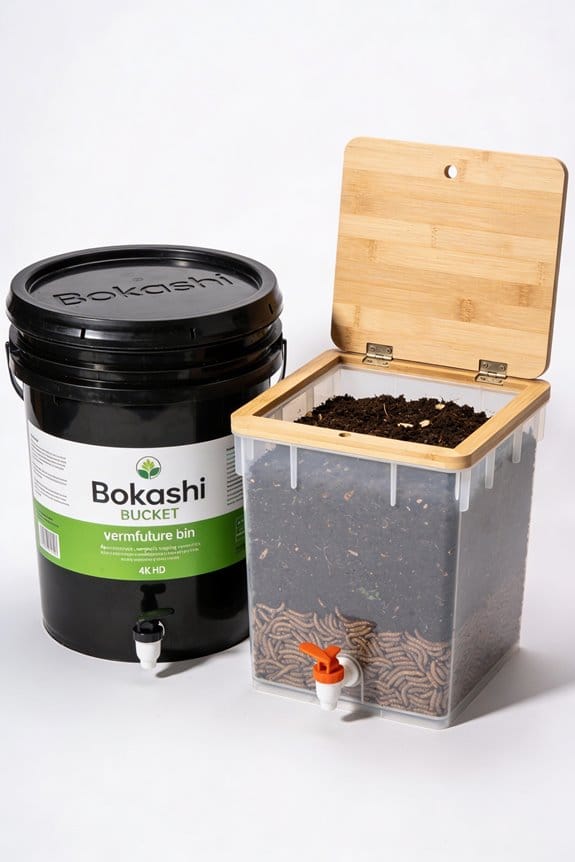


When considering backyard composting vs. commercial composting, we can see some clear differences. In our backyard, we can compost vegetable scraps, coffee grounds, and yard waste. We should avoid dairy and meat to prevent pests. In commercial facilities, they accept a wider range like meat and cheese. They can produce compost in about 80 days. Ultimately, it depends on our space and convenience needs. If we want to know more about each method, there’s more to uncover!
Key Takeaways
- Backyard composting accepts green materials like vegetable scraps and brown materials like dry leaves, while avoiding meat and dairy products.
- Commercial composting can handle a wider variety of items, including meat, dairy, and greasy leftovers, due to specialized facilities.
- Backyard composting typically takes up to two years to decompose, whereas commercial composting can produce compost in around 80 days.
- Space and knowledge are often required for backyard composting, while commercial options provide convenience and ease of disposal for those with limited space.
- Locating local composting services is essential; both backyard and commercial methods contribute to reducing landfill waste and greenhouse gas emissions.
What Is Backyard Composting and How Does It Work?
Have you ever looked at all those kitchen scraps and yard clippings and thought, “What a waste!”? Backyard composting is a fantastic way to tackle that problem while also giving your garden a nutritional boost. It’s all about breaking down organic materials like your leftover veggies and yard waste in a special spot, usually a compost bin or a neat little pile.
To get the composting process rolling, you need a good mix of “green” materials—like vegetable peels and grass clippings—and “brown” materials, such as dried leaves and cardboard. Add some moisture and ensure that there’s enough oxygen getting in there, and you’ve got the recipe for microbial action. These little guys will munch away at your waste over time. You might need to wait a bit—sometimes up to two years—for everything to fully break down, but the payoff is worth it. You’ll end up with rich compost that your plants will absolutely love.
Here’s the trick: start small. You don’t need a massive setup to begin composting. Just grab a trash can, drill some holes for aeration, and start collecting. Toss in your kitchen scraps and lawn clippings, but keep an eye on that balance of greens and browns.
While you wait for your compost to mature, think about the benefits. It not only reduces waste but also improves your soil health. So, why does this matter? Because every bit you compost means that much less goes to the landfill, and you’re nurturing your garden at the same time.
Frankly, it’s a satisfying process. There’s something rewarding about watching the transformation from waste to nutrient-rich compost. If you haven’t tried it yet, there’s no better time to start. You’ll wonder how you didn’t do it sooner.
In the grand scheme of things, backyard composting is a simple yet effective way to contribute to a healthier planet. Are you ready to turn those scraps into something valuable for your garden? This process is much like how eco-friendly coconut wax candles break down sustainably, showing how embracing natural cycles benefits both our homes and the environment.
What Materials Can Be Composted at Home?

Do you ever find yourself wondering what to do with all those kitchen scraps and yard waste? Composting at home can be a fantastic way to reduce waste and create nutrient-rich soil. Plus, it’s pretty easy once you know what to toss in the bin!
Start with green materials. You can add vegetable scraps, fruit peels, and coffee grounds to your compost pile. These items are packed with nitrogen, which your compost loves. On the flip side, brown materials like dry leaves, straw, and shredded newspaper are excellent additions too. They provide essential carbon to help balance things out.
Here’s the trick: you want to steer clear of adding cooked foods, dairy, and meat. These items attract pests and can lead to unpleasant odors in your compost. Keep your compost life simple by sticking to the good stuff!
So, what else can you toss in? Yard waste is a biggie. Grass clippings, small branches, and even non-chemical paper products like paper towels and napkins can slot right in. Just make sure your papers are free from strong chemicals. Truth is, maintaining a balanced carbon to nitrogen ratio, ideally around 30:1, is key to a healthy compost.
Using compost starters can also speed up the decomposition process, making it easier for your compost pile to break down materials efficiently.
The best part is that watching your compost break down into rich, dark soil is incredibly satisfying. You’ll start to see the fruits of your labor in your garden.
Recommended Products

Urine-Separating Compost System: Waterless composting toilet with urine diverting technology for off-grid use without additives or mixing required

Time Saver - This tumbler composter is constructed for ease of use and simplicity of rotation. The Jora Composter acts as a compost turner which is simply turned by hand whenever waste is put in. The compost bin outdoor tumbler is divided into two chambers. While one compost container is being filled, the compost in the other chamber matures.

EFFORTLESS COMPOSTING: Introducing the Reencle Gravity Electric Composter for your kitchen, the one true odor-free, mess-free solution for your kitchen waste. This revolutionary composter utilizes patented microbe technology to turn food scraps into real, nutrient-rich compost effortlessly.
Overview of Commercial Composting: Benefits and Methods

Have you ever wondered what happens to all those food scraps and yard waste we toss in the trash? Most of us know that composting is good for the environment, but when it comes to large-scale organic waste—like the stuff generated by restaurants or farms—commercial composting steps in as a solid solution.
These compost facilities operate with some pretty advanced techniques, like Windrow and Aerated Static Pile systems. This isn’t just about tossing everything together in a backyard bin; they can handle a variety of materials, including food scraps, dairy, and meat, which usually can’t be composted at home. It’s a big deal because it reduces landfill waste and keeps harmful greenhouse gases in check.
The best part is that the whole process is relatively fast. In about 80 days, you get high-quality compost that meets BPI standards. Plus, there’s no back-breaking work involved—no shoveling or turning piles. It’s a hassle-free option for businesses and residents who want to contribute positively without all the heavy lifting.
So, why does this matter? Frankly, commercial composting can help turn your everyday waste into something beneficial. Not only are those materials given a new life, but you’re also part of a movement that prioritizes sustainability.
In the end, whether you’re running a restaurant or just want to do your part, considering commercial composting could make a real difference. Isn’t it nice to think that your waste could help nourish the earth rather than fill up a landfill?
Additionally, many kitchens benefit from using countertop compost bins to effectively manage organic waste before it goes to commercial facilities.
Materials You Can Compost at Commercial Facilities
Composting at commercial facilities opens up a whole new world for handling organic waste, and it might just solve your composting challenges. Think about it: you can toss in items like meat, bones, and even cheese—things you know you can’t use in your backyard pile! Plus, these facilities are set up to manage greasy food leftovers and even some industrial stuff like pizza boxes and takeout containers.
What’s really fascinating is that some top-notch facilities can break down tough materials like avocado pits and shellfish shells. With about 57% of compost facilities in the U.S. focused on yard clippings and 18% accepting food scraps, you’ve got a bunch of options at your fingertips.
These commercial services are designed for efficiency. Thanks to their careful sorting and aeration methods, they can turn that organic waste into quality compost in about 30 days.
So, why does this matter? If you’ve ever felt overwhelmed by how to dispose of your organic kitchen waste, using a commercial facility can be a practical solution. Think about all those food scraps and unused leftovers that usually just go to waste.
Here’s the trick: check with the facilities near you to see what they accept. You might be surprised! They’re often doing a lot more with our food waste than we could ever do at home. Many commercial compost facilities also accept compostable food containers, including certain sugarcane and bamboo bowls, which break down efficiently in their systems.
Recommended Products
![[Case - 500-Pack] 100% Compostable Paper Plates with 5 Compartments Disposable - School Lunch Tray Natural White - Heavy Duty Quality Disposable Tray - 100% Biodegradable Made of Sugar Cane [8" x 10"]](https://m.media-amazon.com/images/I/515FAC9OMBL._SL500_.jpg)
5-Compartment Trays: Serve Full Meals In Convenient Style Compostable Food Trays. Providing Five Separate Compartments, The 8" x 10" Tray Keeps Food Separated, Perfect For A Main Dish, Three Sides, And A Dessert. The Compostable Food Tray Makes A Great Choice For Restaurants, Food Trucks, To-Go Orders, Special Events, And Other Types Of Food Service.

HIGH-POWER COMMERCIAL MICROWAVE PERFORMANCE: This 1000W commercial microwave delivers fast, consistent heating, making it it a reliable appliance for high-volume use.
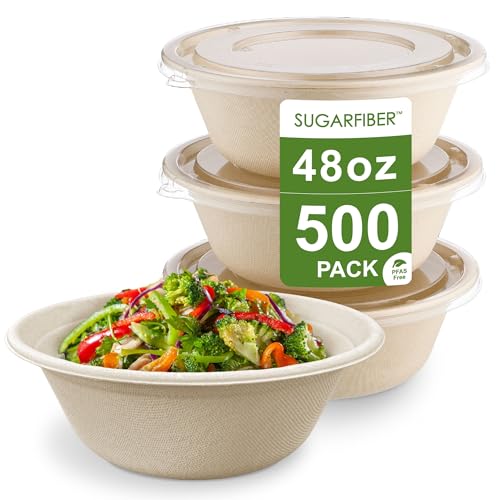
🌱 ALL NATURAL - Made from 100% natural sugarcane byproduct that is BPI CERTIFIED and PFAS free. The nontoxic material has a sturdy paper-like texture
Comparing Backyard and Commercial Composting Methods
Have you ever wondered what happens to your food scraps? Understanding the differences between backyard and commercial composting can guide you in managing your waste better.
Backyard composting can take quite a while—up to two years—to break down your food waste into usable compost. On the flip side, commercial composting does it in about 80 days! You can compost green (like grass clippings) and brown materials (like dried leaves) at home, but commercial services are much more flexible. They even take things like meat and bones, which you wouldn’t want in your backyard pile.
So, what’s the secret behind this speed? Commercial facilities use advanced methods, such as aerated static piles, which help break down materials more efficiently than the typical home system. You might find this helpful if you’re looking for a quicker way to recycle your kitchen scraps.
The best part is that commercial services handle the heavy lifting for you. You won’t have to worry about managing your compost and can still divert your waste easily. It’s a great option for busy households.
In fact, many eco-conscious homes also complement their composting by using small compost bins designed for indoor use to collect scraps conveniently before transferring to larger compost setups.
In the end, each composting method has its benefits based on your lifestyle and what you’re comfortable with. Which one fits your routine best? It might be worth considering your options!
Recommended Products

Frame, lid and bin made of high-grade stainless steel

TRANSFORM KITCHEN WASTE INTO PLANT FOOD -WITHOUT LIFTING A FINGER: The FoodCycler Eco 5 is a convenient electric kitchen composter alternative to eliminate food waste. Ideal for busy homes, the Eco 5 does the clean up. It quietly grinds your food waste into plant food, reducing odors, messes, and the amount of trash you take out.

EFFORTLESS COMPOSTING: Introducing the Reencle Electric Composter for your kitchen, the one true odor-free, mess-free solution for your kitchen waste. This revolutionary composter utilizes patented microbe technology to turn food scraps into real, nutrient-rich compost effortlessly.
Choosing Between Backyard and Commercial Composting
How do you choose between backyard and commercial composting? It’s a question many homeowners face when thinking about reducing waste. There’s a clear distinction between the two options.
Backyard composting generally limits you to just greens and browns—think fruits, veggies, and yard waste. On the flip side, commercial composting is much more accepting; it typically takes in food waste along with meat and dairy. That flexibility can definitely make a difference if you’re trying to compost more varieties of waste.
If you’re in a hurry to see results, commercial composting might be your best bet. You can get usable compost in as little as 80 days, while using backyard methods can stretch over two years. Not everyone has that kind of patience!
Space and time are also huge factors here. Backyard composting needs a good chunk of space and a bit of knowledge about the process, which can be a barrier for some. Commercial options are perfect for those of you who might not have a yard or who just want to keep things simple and tidy.
With about 40% of U.S. food waste ending up in landfills, both composting methods play a role in tackling this issue and cutting down greenhouse gas emissions. Using certified compostable bags in either method can also help manage waste more efficiently and sustainably. So, what’s the takeaway? Assess your space, your time, and what kind of waste you’re working with. What will work best for you?
Recommended Products

Pack of 1500 STEAM TABLE PAN LINERS 34" x 25". These poly steam pan liners can withstand heat up to 220 degrees Fahrenheit. Steam Table Liners are made from high density polyethylene. They are supplied with twist ties for easy storage of leftovers. PLEASE NOTE: These steam table pan liners are suitable for steam tables only. DO NOT STAND / WITHSTAND conventional ovens heat or direct contact with open flame. Liners melt in oven.

EFFICIENT WASTE REDUCTION: Converts food waste into nutrient-rich soil amendment in just hours, perfect for eco-conscious households.

Turn Food Waste to Fertilizer for Garden: Put your food waste to good use! Vego Kitchen Composter with 4L large capacity, you can nourish your garden by transforming the scraps from the veggies you grow into a nutrient rich garden amendment
Locating Local Commercial Composting Services
Where can you find local commercial composting services that truly meet your needs? It’s a common challenge, but don’t worry—getting started is easier than you might think. Begin by looking around your area because there are thousands of compost facilities across the country. You can usually find local options online or through community programs that focus on sustainability.
Many composting facilities offer convenient collection bins for your organic waste. This makes it simple to keep everything organized and to reduce the hassle of disposal. But here’s the trick: reach out to these services and ask them directly about what materials they accept. Some may only handle yard waste while others are open to food scraps and compostable products.
Keeping tabs on certifications can also give you peace of mind. For instance, services certified by the Biodegradable Products Institute (BPI) meet specific industry standards. So, why does this matter? Knowing your service is up to par can help ensure that your composting efforts truly benefit the environment.
Choosing bins with proper moisture control and ventilation can also significantly improve the composting process and prevent odors.
Honestly, taking the time to explore your options can pay off big. Don’t hesitate to compare different services and see what works best for you. If you’re ready to start composting, there’s no better time than now!
Recommended Products

Heavy-Duty Galvanized Steel: Built from durable galvanized metal for long-lasting performance indoors or outside. Resistant to rust, dents, and weather exposure, making it ideal for everyday utility use.
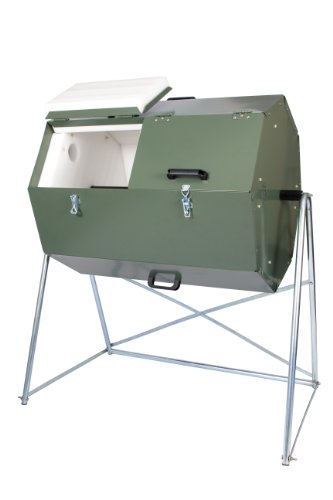
Save Time and Effort - The Jora Composter is thoughtfully designed for ease of use and simplicity of rotation. Acting as a compost turner, it can be effortlessly turned by hand whenever waste is added. With dual chambers, while one side is being filled, the other matures, providing a continuous composting process.

Easier Composting: Separate bins and removable slats make harvesting finished compost easier
Frequently Asked Questions
What Can Go in Commercial Compost?
Imagine a treasure trove for compost! In commercial compost, we can toss in food scraps, yard waste, paper products, and even compostable plastics, all welcomed to become nutrient-rich soil through advanced processing techniques.
What Is the Difference Between Commercial Composting and Home Composting?
Home composting’s personal touch contrasts with commercial advantages—efficient processing and fewer material restrictions. We can engage in eco-friendly practices through home methods, while commercial options expedite decomposition, optimizing our overall environmental impact.
Where Do You Empty Urine From a Composting Toilet?
We should empty urine from a composting toilet into a separate container for urine disposal, ensuring proper compost sanitation. It’s important to follow guidelines, as mixing human waste with compost can cause imbalances.
Are Compostables OK to Go Into Landfills?
While it’s tempting to toss compostables into a landfill, doing so hinders landfill decomposition and worsens our environmental impact. We should prioritize proper waste management through composting instead, benefiting both our planet and ourselves.