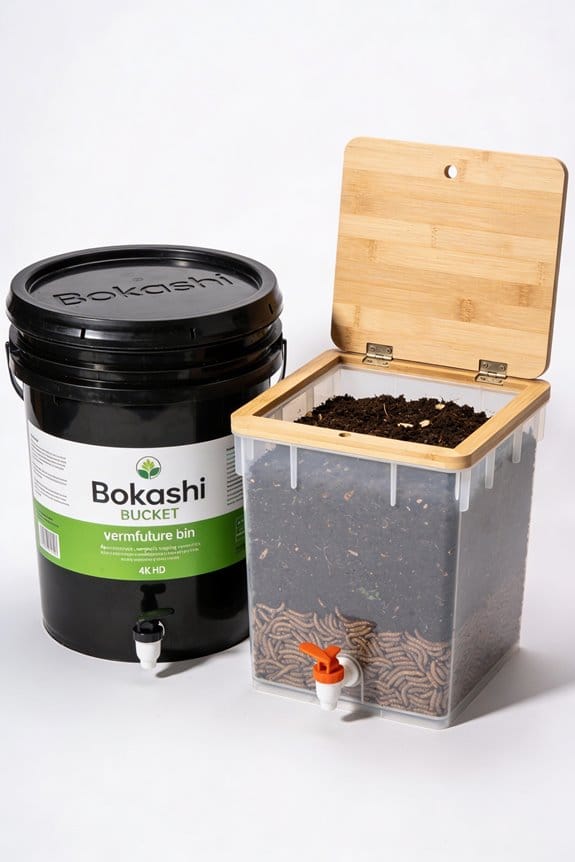

Composting in an apartment can be simple with either Bokashi or vermiculture. Bokashi uses fermentation to break down all kinds of food waste, including meat, within two weeks. It’s great for small spaces since it’s odorless and needs just a sealed container. Vermiculture, on the other hand, involves worms turning kitchen scraps into compost quickly, but it’s more limited on what scraps can be used. Both methods offer unique benefits, and there’s more to explore on combining them effectively.
Key Takeaways
- Bokashi composting is ideal for small spaces, allowing a wider range of food scraps, including meat and dairy, without odors.
- Vermicomposting produces nutrient-rich castings quickly but requires careful moisture management and a balanced diet for worms.
- Combining both methods allows for efficient composting of diverse materials, enhancing nutrient profiles for plants.
- Bokashi fermentation takes about two weeks, followed by an additional 2-4 weeks before pre-compost is ready for use with worms.
- Essential products like Bokashi composters and worm bins help maintain an effective composting environment in apartments.
What Is Bokashi Composting and How Does It Work?
Want to tackle food waste in your apartment? Bokashi composting could be your solution! This anaerobic process ferments food scraps using special bran filled with helpful microorganisms. It’s a fantastic choice for small spaces since you can easily stash it in a kitchen cabinet.
The coolest part? You can compost just about everything—yes, even meat and dairy, which can be tricky with other composting methods. The sealed container keeps any smells at bay while the fermentation takes about two weeks. After that, you’ll have a pre-compost that needs to be buried or mixed with soil to fully break down.
Don’t forget about the byproduct! You also get bokashi tea, a nutrient-rich liquid that can act as a fabulous fertilizer for your plants.
So, why does this matter? Reducing waste is a big deal for our environment, and bokashi composting makes it super easy to contribute. Frankly, it fits right into my routine.
Bokashi bins with airtight seals help prevent odors and leaks, making them perfect for indoor use.
Want to give it a shot? It’s a simple way to help the planet while getting some benefits for your plants. How about you try bokashi composting and see what you think?
Unique Benefits of Bokashi Composting for Apartments

Have you ever wondered how you can reduce your kitchen waste while living in an apartment? Bokashi composting might just be the answer you’re looking for. It fits perfectly into small spaces since it uses a compact, airtight container. Plus, it allows you to compost items you typically can’t, like meat and dairy.
Here’s the trick: the fermentation process only takes about 2 to 4 weeks. That means you can quickly transform your food scraps into pre-compost. And because the system is sealed, you won’t have to deal with those unpleasant odors that often come with composting.
Curious about what else you can gain from Bokashi? Besides reducing waste, you also get a nutrient-rich liquid known as compost tea. This can be an awesome natural fertilizer for your houseplants. Imagine your indoor garden thriving on homemade organic food!
Honestly, Bokashi composting makes it so easy for anyone in an apartment to make a positive impact on the environment. With its compact design and rapid fermentation, it’s a simple yet effective way to compost in small living spaces. Additionally, indoor composting systems like Bokashi generally manage moisture better and control odors effectively, making them ideal for apartments.
What You Need to Know About Vermicomposting

Have you ever considered how those little red wiggler worms can help transform your kitchen scraps into something valuable? Vermicomposting is ideal for people living in apartments since it allows you to quickly break down organic waste with the help of these amazing worms.
To start, you can easily create a worm bin with plastic or wood. Begin by adding a cozy bedding layer made of shredded paper or coconut coir. Before you know it, in about two weeks, you’ll have nutrient-rich worm castings to boost your plants. Keeping your worms happy is key; you should aim for a comfortable temperature of 70-80°F.
You might wonder what to feed them. It’s best to avoid citrus, onions, and oily foods. These can create bad odors that you don’t want around. Instead, stick with fruit and vegetable scraps that won’t upset the balance of your bin.
The best part is how easy it is to recycle your kitchen scraps effectively! With just a little bit of effort, you’re contributing to a cleaner planet while benefiting your plants. Frankly, who wouldn’t want to give their plants some natural fertilizer?
For indoor composting, choosing a bin with odor control features can help keep your space fresh and pest-free.
Give vermicomposting a try and see how it works for you. You might just find it enjoyable to turn waste into something wonderful!
Unpacking Vermicomposting: Features and Benefits
Vermicomposting can really simplify things for people living in apartments. Ever find yourself tossing out kitchen scraps and wishing there was a better use for them? Well, with red wiggler worms, or Eisenia fetida, you can turn those scraps into nutrient-rich compost in just two to three weeks. It’s a great solution for small spaces, and the resulting compost, called vermicast, makes an excellent organic fertilizer that enriches your plants and soil.
Focus on using vegetable scraps since worms aren’t fans of citrus peels or oily foods. Keeping your worm bin in check with the right moisture and temperature is key, as it helps prevent any odors from popping up. Want to make composting even easier? A simple kitchen composter can really help you cut down on waste while nourishing your plants.
The best part is, it’s pretty cool to see the worms working away! Have you ever watched how they break down your leftovers? Just think about it: you’re creating a mini ecosystem while recycling your kitchen waste.
In short, vermicomposting not only helps reduce waste but also benefits your indoor plants. Using a compost starter can further accelerate the decomposition process and improve the quality of your vermicast. So, isn’t it time to give this a go?
Comparing Bokashi and Vermicomposting: Which Is Faster?
When trying to choose between Bokashi and vermicomposting for your apartment, one big factor is how fast you can make compost. If you’re looking for quick results, vermicomposting is a solid choice. You could have ready-to-use compost in just two weeks! Those little compost worms are super efficient and will happily munch through your vegetable scraps, leaving behind nutrient-rich vermicast that’s great for your plants.
On the flip side, if you opt for Bokashi using Bokashi bran, you gotta be prepared to wait a bit longer. You’ll need an extra two to four weeks for that fermented mass to fully break down before it’s ready for use. A cool perk of Bokashi, though, is that it can handle a wider variety of food waste, like meat and dairy. So, if you’re clinging to some food scraps that you don’t want to toss, Bokashi has your back.
So, why does this matter? If you crave instant gratification, worm composting is the way to go. But if you’re looking to compost all sorts of waste, especially those harder-to-manage items, Bokashi might be the better fit for you. Honestly, it comes down to your needs and what you’re willing to wait for. For best results with vermicomposting, maintaining optimal moisture levels around 70% is crucial for worm health and compost efficiency.
How to Combine Bokashi and Vermiculture for Better Results
Combining Bokashi with vermiculture can really amp up your composting efforts. If you’ve ever been frustrated that worms don’t eat everything—like meat and dairy—then Bokashi may be just the solution you need. After letting food ferment for about 2-4 weeks in the Bokashi bucket, you can feed the resulting pre-compost to your worm bin. This not only helps in reducing waste but also boosts the nutrients in your vermicompost.
Try this: start slow when feeding your worms Bokashi material. It’s super acidic at first, and if you dump in too much too quickly, you might shock your little buddies. Instead, mix in smaller amounts to see how they react and gradually increase it from there.
Let’s talk moisture levels. Worms are picky about their living conditions. They thrive in a balanced environment that’s not too wet or dry. So, keep an eye on the moisture in your bin, especially when you add Bokashi. If you do it right, many folks find that worms just go nuts for the Bokashi, turning it into fantastic soil amendment.
To keep your composting setup tidy and portable, consider using foldable reusable bags for collecting and transporting organic waste before adding it to your Bokashi or worm bin.
Recommended Products
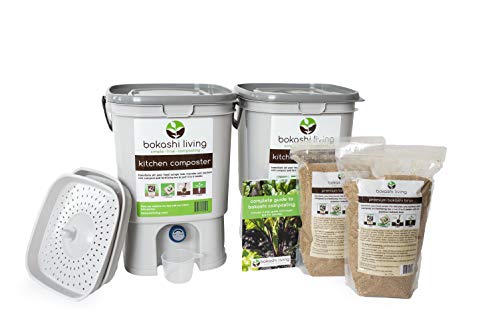
Successful bokashi composting needs 2 bins, to allow you to continuously collect and ferment ALL of your food waste. This is why our 2-bin kit is ideal for households new to bokashi composting.

DOUBLE THE COMPOSTING. With two 5-gallon compost containers and a 5 lb (2 gallon) bag of Bokashi compost starter, our simple kit is ready for large families or groups to start composting: no assembly required. Two composter kits means that when the first gets filled you can set it aside – while you fill your second. And our 5 lb bokashi is double the size of our standard so it will keep you composting longer.

Advanced version of worm compost bin, it comes with standard 5 trays, additional trays can be added.
Troubleshooting Common Issues in Bokashi Composting
Bokashi composting can be a great way to manage your kitchen waste, but it’s not without its hiccups. Have you ever noticed an unpleasant odor coming from your compost? This usually happens when the airtight container isn’t sealed properly or when the mix gets too wet. To keep those odors at bay, it’s important to monitor your moisture levels and drain any liquid byproduct regularly.
If you find that your compost isn’t fermenting properly after about 2-4 weeks, it might be time to check your scraps-to-bokashi bran ratio. Too much moisture can throw things off balance. Adding materials like lime or crushed eggshells can really help neutralize an overly acidic mix. Remember to pack your waste tightly and secure that lid—this trick not only helps with fermentation but also keeps pesky critters away.
The best part is, with a few adjustments, your Bokashi compost system can thrive even in an apartment. So, why not give it a shot? By staying on top of these common issues, you’re setting yourself up for composting success in your home. What challenges have you faced while trying to compost? Using reusable kitchen materials like unpaper towels can further complement your sustainable waste management efforts.
Recommended Products

4L Large Capacity: Handles daily kitchen scraps with ease, reducing food waste volume by up to 90% and turning leftovers into dry pre-compost to help cut down kitchen trash.
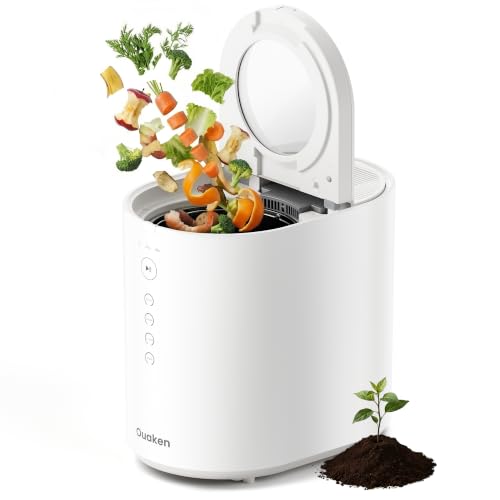
🌱2026 New Electric Composter for Kitchens: Designed for larger households and higher efficiency, the new OK255 5.5L electric composter transforms food scraps into nutrient-rich fertilizer with greater capacity and smarter performance. Its flatter oval profile adapts more easily to different countertop layouts while helping you reduce waste, lower disposal costs, and embrace a more sustainable lifestyle—without compromising space or aesthetics.

Easier Composting: Separate bins and removable slats make harvesting finished compost easier
Top Tips for Keeping Your Worm Bin Healthy
Keeping a worm bin healthy can feel overwhelming at times. But when you understand what your little composters need, it gets a lot easier. Start by checking the moisture levels regularly—if the bedding feels like a wrung-out sponge, you’re on the right track. This balance ensures your worms aren’t struggling to survive with too much or too little water.
Feeding your worms is like cooking for an oversized pet—stick to a balanced diet! Stick with veggie scraps and steer clear of citrus, onions, and oily foods. To make it even better, try layering the food with bedding material like shredded paper. This not only helps with moisture control but also cuts down on unpleasant smells.
Temperature matters more than you might think. Aim for that sweet spot between 70-80°F to keep your worms happy and thriving. Truth is, if it’s too hot or cold, your worms won’t perform well, and you might end up with a bin that’s not so productive.
And here’s another tip: Keep an eye out for pests. You might notice a few fruit flies buzzing around if things aren’t just right. Managing moisture levels and adjusting how often you feed can help keep those pesky visitors at bay.
Recommended Products

Harness The Power of the Worm – Worm composters (vermicomposters) are an easy and efficient way to quickly compost a variety of food and other scraps found around the home. The resulting worm castings create a nutrient rich compost to use as a powerful soil additive. *** Worms are NOT included with the unit ***

Large 30 lb Bulk Bag – Perfect for bait farms, worm growers, compost bins, and commercial use; supports thousands of worms with long-lasting performance.

Harness The Power of the Worm – Worm composters (vermicomposters) are an easy and efficient way to quickly compost a variety of food and other scraps found around the home. The resulting worm castings create a nutrient rich compost to use as a powerful soil additive. *** Worms are NOT included with the unit ***
Essential Products for Successful Apartment Composting
Successful apartment composting often feels daunting, but it doesn’t have to be. Living in a small space can make it tricky to figure out how to deal with food scraps, but there are some essentials that can turn your kitchen waste into valuable compost without taking up too much room.
Ever heard of a Bokashi composter? It’s a brilliant option for those of us in apartments. This sealed container not only keeps odors at bay but also lets you collect compost tea with ease. If you’re venturing into vermicomposting instead, you’ll want to grab a vermicomposter, red wigglers (those little composting champs), and some bedding materials like shredded paper or coconut coir.
Here’s the trick: keeping your composting worms happy hinges on moisture control. You wouldn’t want dry worms, right? That’s where Wiggly Moisture Mats come in handy. They help maintain the ideal moisture level, keeping your worms cozy and preventing annoying fruit flies from crashing the party.
One last tip—consider adding rock dust to your compost mix. It’s a great way to enrich both Bokashi and vermicomposting. By doing this, you’re enhancing the nutrient profile of your compost, which means healthier plants if you plan to use it in your garden or pots.
With these simple tools, you’re well on your way to creating nutrient-rich compost right in your apartment! Honestly, what could be better than turning your kitchen scraps into something beneficial? Have you tried any of these methods, or are you thinking about starting composting?
For even faster composting results, you might want to experiment with an organic compost accelerator, which can speed up the breakdown process in small-scale setups like apartments.
Recommended Products
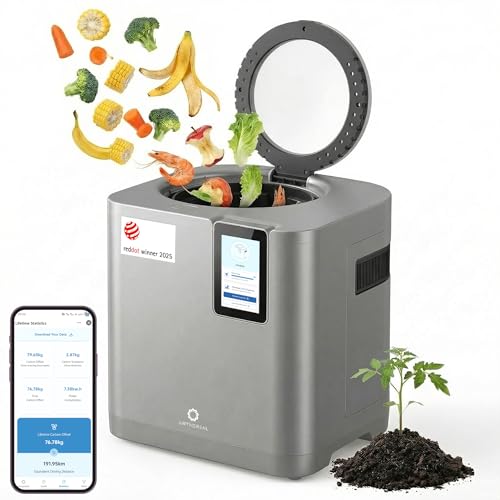
♻️ Eco-Friendly Composting: Reduce your carbon footprint by up to 90% with efficient waste transformation into nutrient-rich compost. And with 5L capacity allows composting of larger quantities of food waste.
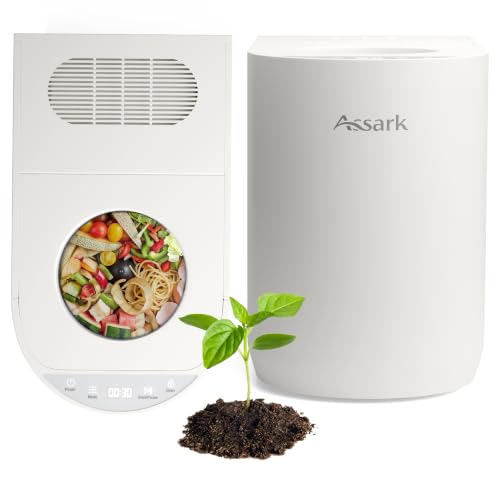
🔪 Heavy-Duty Integrated Double-Layer Blades – Built to Last:Unlike cheap composters with flimsy detachable blades, our carbon filter composter features a one-piece, double-layer blade system that is fully integrated into the bucket. This rugged design eliminates weak connection points, so the blades won't loosen, break, or fall apart—even when processing tough food scraps like corn cobs, melon rinds, and eggshells. Built for years of daily use.

2 Odorless Filters: The electric composter has 2 acivated carbon filters. The kitchen compost bin is equipped with advanced dual filters that eliminate odors 50% more effectively. Keep your kitchen fresh, clean, and pest-free.
Frequently Asked Questions
Can I Compost Pet Waste Using Bokashi?
Yes, we can compost pet waste using Bokashi. Its microbial activity breaks down waste, helping us overcome indoor composting challenges. Plus, the process offers several Bokashi benefits, making it a suitable option for pet owners.
How Often Should I Check My Vermiculture Bin?
We should check our vermiculture bin every week. Funny how it’s a delicate ecosystem yet needs frequent attention, right? Worm feeding frequency, odor management tips, and temperature control help maintain composting worm types effectively.
What Types of Containers Work Best for Bokashi?
For Bokashi, we’ve found that airtight bins made from food-grade plastic work best. Size matters too; smaller containers are easier to manage. Don’t forget essential composting accessories like a fermentation starter for ideal results!
Do I Need to Buy Special Worms for Vermiculture?
We don’t need to buy special worms; common types like red wigglers thrive in our indoor gardening. With proper worm care, we’ll enjoy composting benefits while recycling food scraps into nutrient-rich soil for our plants.
Can I Use Bokashi Compost Directly in My Garden?
Yes, we can use Bokashi compost directly in our garden. Its fermentation process enhances nutrient retention, improving garden soil. This composting technique enriches plants, making it a beneficial addition for a thriving garden.