

When we compare the energy costs of recycling glass and aluminum, we find aluminum is the clear winner. Recycling aluminum needs only 11.3 megajoules per kilogram, while glass requires a staggering 47.5 megajoules. This means recycling aluminum saves a lot more energy, making it a smarter choice for the environment. Plus, producing recycled aluminum uses 95% less energy than making it from scratch. Want to learn how these choices impact sustainability? Let’s explore more.
Key Takeaways
- Recycling aluminum requires approximately 11.3 megajoules per kilogram, while recycling glass demands significantly more at 47.5 megajoules per kilogram.
- Recycling aluminum saves around 14,000 kilowatt-hours of energy compared to only 42 kilowatt-hours saved for recycling glass.
- Producing recycled aluminum uses 95% less energy than creating new aluminum, highlighting its efficiency over glass.
- The higher energy costs for recycling glass contribute to a larger environmental footprint compared to aluminum recycling.
- Aluminum recycling is more efficient in terms of resource conservation and energy savings than glass recycling, leading to better sustainability outcomes.
The Importance of Recycling in Sustainability Efforts
Have you ever thought about how much energy we waste every day? Recycling is often overlooked, but it’s really a key player in sustainability. For instance, did you know that recycling aluminum can save a staggering 14,000 kWh of energy per ton? That’s a lot of resources! On the other hand, when it comes to glass, the savings drop to just 42 kWh. So, why does this matter? Higher recycling rates can significantly cut down on greenhouse gas emissions, which is something we all should care about.
When we recycle aluminum, we prevent almost 1.88 kg of CO2e emissions for every kilogram produced. That’s a pretty big deal for our planet. The recycling rate for aluminum is about 65%, while glass struggles at around one-third. What does that mean for you? It means that by focusing more on recycling aluminum, we can collectively make a bigger impact on reducing pollution.
Here’s the trick: make recycling a part of your daily routine. It can be as simple as separating your recyclables from trash or finding drop-off centers if curbside recycling isn’t available where you live. Every little bit counts – trust me, your efforts really matter.
Using products made from post-consumer recycled plastics is another way we can support sustainability efforts by reducing virgin material consumption.
Taking these steps not only helps conserve valuable resources but also fosters a healthier environment for future generations. So, the next time you’re about to toss that soda can in the trash, pause for a second. Is it worth it to recycle? Honestly, it is. We’ve got this—together, we can make a real difference in sustainability.
Comparing Energy Costs of Glass and Aluminum Recycling
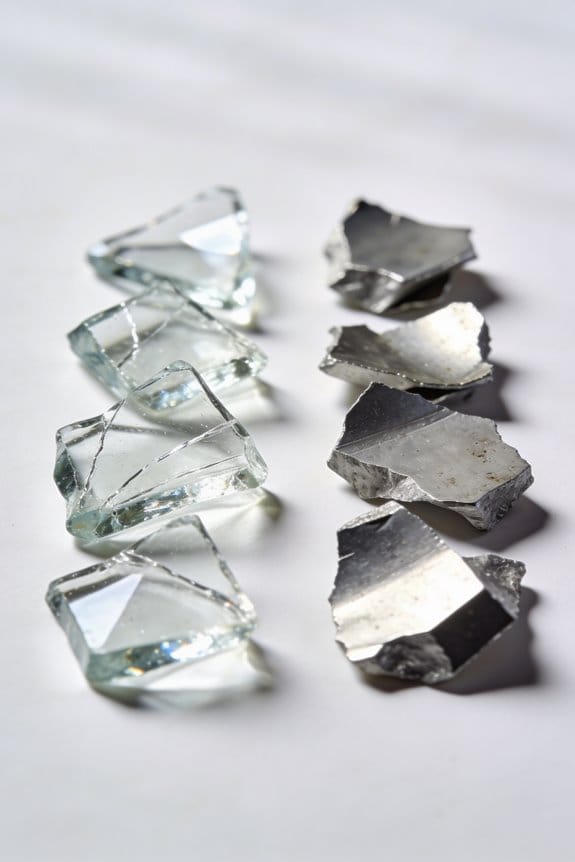
Have you ever thought about the energy it takes to recycle your everyday items? You might be surprised to learn that recycling glass and aluminum come with pretty different energy costs.
Recycling aluminum is far less demanding, requiring only about 11.3 megajoules per kilogram. In comparison, recycling glass really stacks up the energy bill at 47.5 megajoules. That’s quite a difference! To put it in perspective, recycling a metric ton of aluminum saves around 14,000 kilowatt-hours of energy. On the other hand, recycling glass only nets a savings of about 42 kilowatt-hours. So, why does this matter? It shows that energy consumption during glass recycling is significantly higher, even when compared to making new glass—a process that’s still energy-intensive.
What’s even more impressive is that recycled aluminum can be produced using 95% less energy than new aluminum. This really highlights how efficient aluminum recycling is. If you’re looking to make environmentally friendly choices, focusing on aluminum can be a smart move. Additionally, choosing compostable materials over traditional plastics is another effective way to reduce environmental impact.
Resource Savings From Recycling Glass vs. Aluminum

What if I told you that recycling isn’t just a good habit but also a way to save a ton of resources? Let’s take a closer look at how recycling aluminum stacks up against glass.
You might be surprised to find out that recycling aluminum saves about 14,000 kilowatt-hours of energy for every ton. That’s a massive difference when you compare it to glass, which only saves around 42 kilowatt-hours. Why is aluminum so much more efficient? For starters, recycling aluminum uses 95% less energy than producing new aluminum from bauxite.
And there’s more to consider. Aluminum recycling also conserves about 6,545 liters of fossil fuel per ton, while glass only saves about 91 liters. Think about that for a moment. Plus, when you recycle aluminum, you free up a whopping 270 cubic feet of landfill space per ton, compared to just 54 cubic feet for glass. The numbers really do speak for themselves.
Choosing recycled materials supports sustainable manufacturing practices that reduce energy consumption and environmental impact.
So, what can you do about it? Start by checking your local recycling guidelines. Not all places handle these materials the same way, but it’s worth finding out how you can make the biggest impact.
In short, aluminum recycling clearly shines when it comes to energy and resource savings. The next time you’re deciding what to toss into the recycling bin, think about the bigger picture. Isn’t it worth considering how your choices affect our planet?
Which Material Produces Higher Carbon Emissions: Glass or Aluminum?
Have you ever thought about how the materials we use can impact our planet? It’s key to look beyond just recycling when considering carbon emissions. For example, did you know that aluminum production creates about 1.88 kg of CO2e for every kilogram? In contrast, glass only emits around 0.33 kg. This means that aluminum’s carbon footprint is a whopping 5.7 times higher than that of glass.
Want to know what this means for you? When you choose recycled materials, the difference is even clearer. Recycling glass has a much lower impact, while even recycled aluminum still results in higher emissions. Specifically, it takes about 47.5 MJ/kg to recycle aluminum compared to just 11.3 MJ/kg for glass.
Think about it: choosing recycled glass over aluminum could help you lower your carbon footprint significantly. Not only does this choice support a healthier environment, but it also offers an approachable way to make a difference in everyday life. Using products made from post-consumer recycled plastic further emphasizes how recycled materials contribute to sustainability efforts.
Understanding Recycling Rates and Their Challenges
Ever wonder why recycling rates are so low for certain materials? Take glass bottles, for instance. In the U.S., only about 33% of them get recycled, while aluminum cans have a much higher recovery rate at 54.9%. The reason for this gap is pretty straightforward: glass is heavy and fragile. This makes collecting it a bit trickier and more expensive.
When you recycle aluminum, you can get up to 68% recycled content back. Not too shabby, right? But glass typically falls short, only achieving about 20-30%. Now think about energy use; recycling aluminum can save up to 95% in energy. In stark contrast, glass only saves around 5-30%. So, why does this matter? The differences in how we recycle these materials can have significant environmental impacts.
One way to further reduce environmental harm is by switching to biodegradable alternatives for waste that can’t be efficiently recycled.
If you want to make a difference in recycling, consider this: reducing the number of glass bottles you use can help. Opt for alternatives like reusable containers instead. And when you do recycle, make sure you’re following local guidelines to improve your recycling efforts.
Frankly, understanding these challenges can help us all make smart choices when it comes to recycling. So, what will you do to improve your own recycling habits?
The Role of Transportation in Recycling Efficiency
Have you ever thought about how much transportation affects our recycling efforts? It really does play a huge role in how effectively we recycle materials like aluminum and glass. When it comes to aluminum, the transportation process is actually pretty efficient because it’s lighter. This means lower costs and fewer trips, which is a win for recycling. Plus, aluminum cans can be packed in tightly, so you can fit more into each load.
Now, glass is a different story. It’s heavier, and that translates to higher fuel consumption and energy usage while transporting it. So, what’s the impact? More emissions and a bigger footprint on our environment. With recycling rates showing that only 33% of glass is recycled compared to aluminum’s 65%, we’re left with more waste from glass. Seriously, why is that?
Here’s the kicker: using recycled aluminum can save us up to 95% in energy compared to creating new aluminum. It’s a straightforward way to help our planet, improving efficiency and cutting down on emissions during the recycling process.
In addition to material weight, choosing products with recyclable and sustainable packaging can further reduce environmental impact.
In short, the type of material really matters when it comes to recycling. Just remember, next time you’re tossing cans or bottles in the recycling bin, the ease and impact of recycling aluminum versus glass is something to think about. What will you do with that knowledge moving forward?
How to Make Informed Choices for Sustainable Packaging
Ever thought about the impact of your packaging choices? It can feel overwhelming, but when it comes to sustainability, not all materials are created equal. For instance, recycled aluminum stands out as a smart choice. Did you know it uses only 5% of the energy required for new aluminum? That’s a significant energy saver!
Now, let’s compare that to glass. When you recycle glass, you might save between 5-30% of energy. While that’s not terrible, it’s definitely not as eye-opening as aluminum. Plus, aluminum has a much higher recycling rate—about 65%—while glass trails behind at only 33%. When we recycle a ton of aluminum, we save around 14,000 kWh compared to just 42 kWh with glass. So, why does this matter? Because less energy used means lower greenhouse gas emissions over time.
The best part is that aluminum not only has an impressive recycling process but also creates a smaller carbon footprint during its life cycle. If you’re considering the environmental impact of packaging, leaning towards recycled aluminum is a solid choice for efficiency and sustainability.
If you’re looking to make more informed choices about packaging, remember to weigh the benefits of materials you use. Every little bit helps, and choosing recycled aluminum over glass could be a step in the right direction. So, how can you start making those changes today? Incorporating durable and eco-friendly materials in your choices can further enhance sustainability efforts.
Frequently Asked Questions
What Is More Environmentally Friendly, Glass or Aluminum?
We believe glass is more environmentally friendly due to its sustainability impact, lower emissions in the material lifecycle, and energy-efficient recycling processes. While both materials are recyclable, glass offers significant advantages we should consider.
How Much Energy Does Recycling Glass Save?
Recycling glass is like turning back time, saving us 5-30% in energy savings. This quick recycling process not only reduces our environmental impact but also helps us keep our planet brighter for future generations.
What Is Cheaper, Glass or Aluminum?
When we consider cost comparison, aluminum often proves cheaper due to its longer material lifespan and efficient production process. Although glass recycling’s energy-efficient, aluminum’s overall benefits can make it the more economical choice in many instances.
Which Material Saves the Most Energy by Recycling It?
When we compare materials, aluminum stands out in recycling processes. It offers remarkable energy efficiency, saving more energy than glass. By choosing aluminum, we make a smarter choice for sustainability and our planet’s future.