

The environmental cost of manufacturing stainless steel is quite high. For every ton produced, we emit about 1.4 to 1.85 tons of CO2, contributing to climate change. Traditional methods require nearly 79,000 megajoules of energy per ton. However, we can cut emissions and energy use by recycling stainless steel, needing only 26,000 megajoules and reducing CO2 output considerably. By exploring innovative technologies, we might find more sustainable ways to produce this essential material. There’s much more to uncover about these impacts.
Key Takeaways
- Manufacturing stainless steel has a significant environmental footprint, including air and water pollution and greenhouse gas emissions from energy-intensive processes.
- The production of stainless steel emits approximately 1.4 to 1.85 tons of CO2 per ton produced, contributing to global climate change.
- Mining raw materials for stainless steel causes habitat destruction and biodiversity loss, exacerbating environmental issues.
- Utilizing Electric Arc Furnaces significantly reduces CO2 emissions to about 0.357 tons per ton of steel produced compared to traditional methods.
- Recycling stainless steel not only lowers CO2 emissions by up to 1.787 tons but also conserves energy, reducing consumption from 79,000 MJ to 26,000 MJ per ton.
Evaluating the Long-Term Environmental Effects of Stainless Steel
Have you ever thought about how the materials we choose impact the environment in the long run? When it comes to stainless steel, it’s surprisingly sustainable when you look deeper. The production process is designed to keep CO2 emissions low, and recycling it makes a huge difference. In fact, recycling stainless steel generates only about 1.45 tonnes of CO2 per ton, whereas creating it from scratch can double that amount.
So, what’s even cooler? The average recycled content in new stainless steel products is around 60%, and some European plants are hitting an impressive 94.6%. This not only helps reduce waste but also supports a circular economy where materials are reused. Plus, stainless steel products have a lifespan of over 110 years, which means fewer replacements and less waste over time.
If you’re considering materials for your next project or purchase, keep this in mind. Here’s the trick: by opting for stainless steel, you’re not just getting a durable and high-quality product, but you’re also making a more environmentally friendly choice. Additionally, using stainless steel water bottles with double-wall insulated designs can further enhance sustainability by promoting reusable hydration solutions.
Frankly, the benefits speak for themselves. Using stainless steel isn’t just smart; it’s a step towards maintaining quality while caring for our planet. So, next time you’re weighing your options, I encourage you to think about the longevity and sustainability of stainless steel. It’s a win-win for you and the environment! What do you think about making a greener choice?
Carbon Emissions in Stainless Steel Production

Have you ever wondered how much impact the production of stainless steel has on our planet? It’s pretty staggering when you break it down. For every ton of steel produced, about 1.4 to 1.85 tons of CO2 are released into the atmosphere. That’s a hefty carbon footprint. However, there’s a silver lining: using the Electric Arc Furnace method can drop those emissions down to just 0.357 tons of CO2 per ton of steel made.
The global steel industry made waves in 2019, emitting roughly 3.375 billion tons of CO2. A big part of this issue stems from mining the necessary alloying elements, which isn’t very Earth-friendly. So, why does this matter? It’s critical because every little bit helps when it comes to reducing the damage we’re doing to our environment.
Let’s talk solutions: recycling stainless steel can have a dramatic effect. It can cut emissions by up to 1.787 tons for every ton recycled! That’s not just a number; it shows how much potential there is to make a positive change. To help, think about supporting initiatives aimed at boosting recycling rates in the stainless steel industry.
If you want to pitch in, consider encouraging recycling programs in your community. The best part is, every piece you recycle contributes to a healthier planet. Additionally, embracing eco-friendly alternatives like wool dryer balls in everyday household tasks can further reduce overall environmental impact.
Recommended Products

This farmhouse sink fits minimum 36" (914 mm) apron sink base cabinet

10-Piece Set Includes: 6-quart stock pot with metal lid, 3-quart sauté pan with metal lid, 3-quart and 1.5-quart saucepans with metal lids, and 8-inch and 10-inch frying pans.
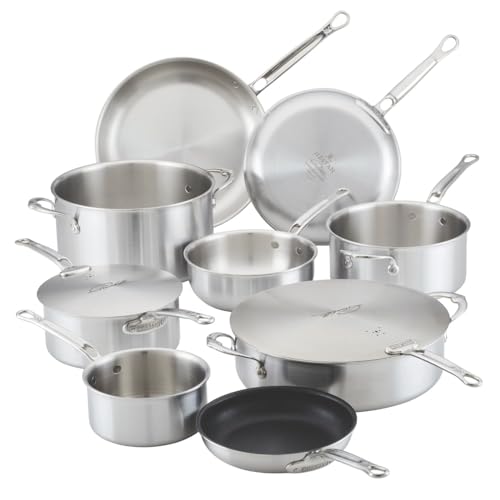
COOKWARE SET INCLUDES - 1.5-quart sauce pot, 3-quart sauce pot, 4-quart sauce pot, 8.5-inch TITUM nonstick sauté pan, 11-inch sauté pan, 12.5-inch sauté pan, 8-quart stockpot, 2-quart saucier, 6-quart rondeau, 8.5-inch universal lid, 12.5-inch universal lid
How Different Production Methods Affect Energy Use

Have you ever wondered how much energy goes into making the stainless steel we use every day? The difference between producing new stainless steel and recycling it is staggering. When you create virgin stainless steel, it takes around 79,000 megajoules (MJ) for each ton. On the other hand, if you recycle scrap metal, the energy drops to just 26,000 MJ—imagine the savings!
One of the coolest methods out there is the Electric Arc Furnace (EAF) process. It’s capable of using up to 105% scrap metal, which means it can really cut down on emissions. In fact, the EAF produces only about 0.357 tons of CO2 for every ton of stainless steel it makes. That’s a fraction of what you’d get from the older Blast Furnace-Basic Oxygen Furnace (BF-BOF) method, which puts out roughly 1.987 tons of CO2 per ton produced. So, why does this matter? It shows just how important recycling is for both energy use and reducing greenhouse gases.
Currently, around 50% of stainless steel production incorporates recycled content. Some facilities in Europe are leading the charge with a remarkable 94.6% of their production coming from recycled sources. This is a significant move towards sustainability.
If you’re looking for ways to be more environmentally friendly, consider supporting products made with recycled stainless steel. Every little choice adds up! Choosing products made using eco-friendly manufacturing practices can further reduce environmental impact.
Recommended Products

10 PIECE COOKWARE SET: Introducing the ultimate timeless stainless steel cookware set for cooks of all skill levels. Our pots and pans set will last a lifetime, guaranteed to turn any kitchen into a place for amazing food, family gatherings, and memories. Let our healthy non toxic cookware set turn your busy day of cooking into a master class on home made deliciousness!

COMPLETE CAST IRON SET: Includes a 10.5” skillet, matching grill pan, 3.5 qt braiser pan, and 6.5 qt cast iron Dutch oven with lid, perfect for frying, searing, baking, grilling, braising, and simmering with steady, even heat.

CAST IRON COOKWARE SET: Includes a 12” skillet and 8.5 qt Dutch oven with lid, designed for frying, searing, baking, braising, and simmering. Built from enameled cast iron for steady, even heat and reliable performance.
How Recycling Stainless Steel Can Reduce Emissions?
Have you ever thought about the impact of recycling on our environment? It’s a pretty big deal, especially when it comes to stainless steel. By recycling materials like stainless steel scrap, you can actually help cut down on CO2 emissions significantly. To put it in numbers, recycling can reduce emissions to about 1.45 tonnes per ton, while making new stuff from raw materials produces around 2.90 tonnes. That’s a huge difference!
And it doesn’t stop there. Energy savings are another big perk of recycling. When you choose recycled stainless steel, you’re dropping energy use to about 26,000 megajoules per ton compared to a whopping 79,000 megajoules for virgin production. So, not only are you helping with emissions, but you’re also conserving energy.
Right now, about 50% of stainless steel produced worldwide comes from recycled content. This shift not only helps lower emissions but also cuts down on the carbon footprint we all share. Why does this matter? Because it helps combat climate change and reduces the harmful effects of mining, which can be really energy-intensive.
Additionally, using products with post-consumer recycled materials supports waste diversion and sustainability efforts.
Honestly, recycling is crucial, and it can truly make a difference in our environment. It’s a simple choice that can lead to better outcomes for all of us. So, next time you think about tossing stainless steel products, remember how much good recycling can do! Wouldn’t it be great if more people joined in on these efforts?
Recommended Products

Iconic German performance: The Original-Profi Collection 9 Piece set is made in Germany from up to 90% recycled 18/10 stainless steel, condensate-plus metal lids return moisture for juicier results.
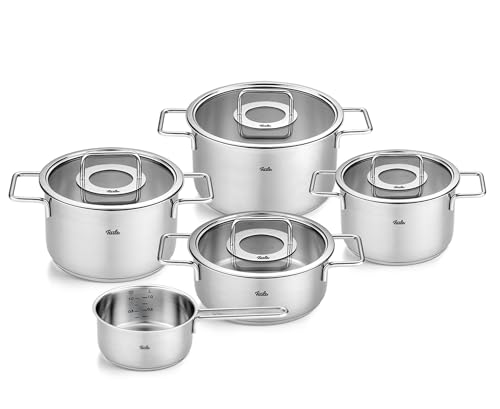
Premium everyday performance: The Pure Collection 9 Piece set is made in Germany from up to 90% recycled 18/10 stainless steel for lasting durability and timeless design.

Products sold and shipped by Amazon.co.jp are genuine Japanese products
Innovative Technologies to Lower Environmental Impact of Stainless Steel
Did you know that how we create stainless steel can have a big impact on the environment? It’s pretty eye-opening! The Electric Arc Furnace (EAF) method for making stainless steel has been gaining traction because it only emits 0.357 tons of CO2 for every tonne produced. That’s a huge leap compared to the traditional Blast Furnace method, which can pump out more than 1.987 tons.
New technology is also playing a role in recycling stainless steel. Advanced X-ray fluorescence (XRF) is making it easier to sort materials accurately. This means we can get higher purity in the recycled products and really contribute to a circular economy. But it doesn’t stop there—more and more stainless steel production facilities are integrating renewable energy sources, such as solar panels and fuel cells.
Here’s the trick: the average recycled content in stainless steel is reaching around 60%, and there are even facilities boasting up to 94.6%. That’s progress worth noting!
So, why does this matter? It’s not just about the numbers; it’s about doing our part for the planet. Every step we take in improving these processes helps lower the overall environmental impact and makes production more efficient.
Honestly, it’s exciting to see how these innovative methods are being implemented! If you’re curious about how you can support sustainable practices, keep an eye out for products made from recycled materials. What small changes can you make to contribute to this positive trend?
Recommended Products

30-inch minimum base cabinet Width
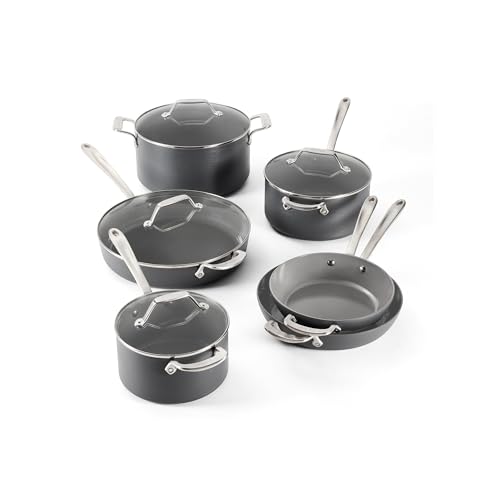
The All-Clad HA1 Ceramic Nonstick 10-Piece Cookware Set includes 8.5 and 10.5-inch fry pans, 2.5 and 4-quart saucepans with lids, a 4-quart sauté pan with lid, and a 7-quart stockpot with lid. This set is perfect for frying, simmering, steaming, and boiling
Frequently Asked Questions
What Are the Main Materials Used in Stainless Steel Production?
In stainless steel production, we use nickel sources, chromium alloys, and iron extraction. Molybdenum impacts durability, while manganese benefits strength. Scrap recycling enhances purity levels, and various production techniques create different alloy variations with specific carbon content.
How Does Stainless Steel Compare With Other Metals in Sustainability?
Stainless steel’s sustainability is like a superhero compared to other metals! Its eco-friendly practices, robust recycling processes, and innovative trends appreciably lower carbon footprints while minimizing mining impacts, energy consumption, and water usage throughout its lifecycle.
What Are Alternative Materials to Stainless Steel for Eco-Friendly Products?
We can explore alternatives like bamboo products, recycled plastics, aluminum alternatives, natural fibers, glass containers, bioplastics innovations, ceramic materials, hemp-based composites, biodegradable metals, and cork substitutes for creating eco-friendly products together.
How Long Does Stainless Steel Last Compared to Other Materials?
Stainless steel often outlasts many materials due to its corrosion resistance and durability. While weighing aesthetic appeal and maintenance needs, we must considerCost analysis, recyclability rates, and industry applications in our durability comparison.
What Is the Role of Government Regulations in Steel Production Emissions?
Government regulations play an essential role in shaping emission standards and compliance costs for steel production. By promoting eco-friendly practices and sustainability goals through regulatory frameworks and government incentives, they help reduce industrial emissions and carbon footprints.