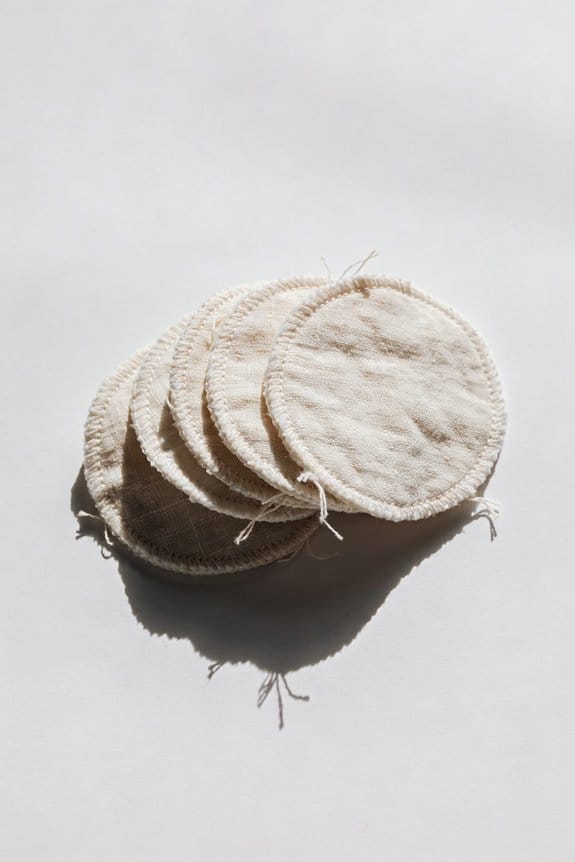


To sew a simple drawstring produce bag, we’ll need lightweight fabric, about 34 x 66 cm, and a sewing machine. First, cut the fabric and fold it in half, right sides together. Sew the long edges with a French seam. Create a casing at the top by folding and sewing the edge, leaving an opening. Use a safety pin to thread a ribbon through the casing. Personalizing our bags can make them even more fun and useful.
Key Takeaways
- Cut lightweight fabric into a 34 x 66 cm rectangle for your produce bag size.
- Fold the fabric in half with right sides together, then sew the long edges with a French seam.
- Create a casing by folding the top edge down and sewing it, leaving an opening to insert the drawstring.
- Use a safety pin to thread a lightweight ribbon or cord through the casing, then secure the ends with knots.
- Enhance functionality by adding pockets or using contrasting fabrics for a personalized touch and improved usability.
What You Need to Get Started With Your Drawstring Produce Bag
Creating your own drawstring produce bag is not only fun but also a fantastic way to reduce waste. Ever thought about how many plastic bags you go through just for fruits and veggies? Let’s get down to the essentials you’ll need to whip this up.
First, grab a piece of lightweight fabric—something like sheer curtain material or cotton will work well. You’ll want it to be about 34 x 66 cm (14 x 26 inches). With that ready, make sure your sewing machine is set up and functioning properly. It’s a must for stitching those seams together. Don’t forget a polyester thread and a needle, ideally sized 60/8 or larger, since the fabric needs a little tender love and care when sewing.
For the drawstring itself, having around 160 cm (62 inches) of lightweight ribbon is perfect. And remember, a safety pin will be a handy tool to help you thread the ribbon through the casing you’ll create later. Trust me, it makes the process a whole lot easier. Lastly, keep some tear-away stabilizer on hand—it’ll make those raw edges look so much cleaner. Using reusable produce bags also supports environmental benefits by reducing reliance on single-use plastics.
Recommended Products
LARGE 15" X 25 INCH MESH BAG - Made of industrial grade polypropylene with reinforced seams for a stronger bag
Custom Drawstring Backpacks: You can add any design including text, names, dates, symbols, logos, and images. Click "Customize Now" to create your unique drawstring backpack, perfect for personal use, gifts, or events.

PACK OF 500 Burlap Bags: These large burlap bags are great for planting & gardening as well as storing metal parts & hardware and much more! Each bag has a 50-pound weight capacity for long-term storage.
How to Pick the Best Fabric for Your Drawstring Bag

Finding the right fabric for your drawstring produce bag can feel overwhelming, but it’s more important than you might think! You want a lightweight fabric like cotton or something sheer. These options provide good airflow and keep your produce fresh for longer. Ever thought about repurposing sheer curtains or even fabric leftovers? It’s a great way to be sustainable, and it cuts down on waste, which is a win-win!
For those heavier items, though, you’ll want something sturdier. Look for fabrics with a tighter weave, like twill or canvas. These are strong enough to handle frequent trips to the grocery store or the farmer’s market without falling apart. Plus, translucent materials can be really handy. They allow you to peek inside your bag at checkout, making it easier to grab what you need.
Another thing to consider is how often you’ll need to clean your bags. Let’s face it, they’ll need a wash from time to time. Choosing machine-washable materials really does make life easier. Selecting fabrics with easy care and maintenance ensures your bags last longer and retain their quality.
Recommended Products

HIGHEST QUALITY: Our world map pin board is carefully crafted from high quality raw materials to provide you with a canvas picture of unsurpassed quality.
✅ [ 4oz, 7oz, 10oz & 12oz WEIGHT OPTIONS ] - We offer four canvas fabric weight options: 4oz for lightweight applications, 7oz for general-purpose use, 10oz for heavy-duty purposes, and 12oz for maximum durability in demanding tasks.
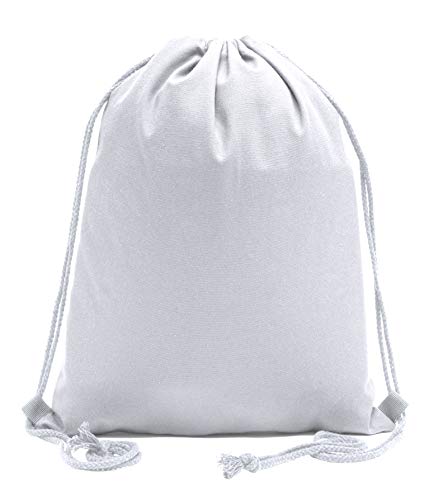
DURABLE CONSTRUCTION: Cotton Drawstring Backpacks are made of 100% 8oz Cotton Canvas. Designed with inside overlock stitching for extra strength. Matching straps, with pull string closure for quick and easy access to your items
Sewing Instructions for Your Drawstring Produce Bag

Ready to make your own drawstring produce bag? It’s a fun little project that can really help cut down on those pesky plastic bags at the grocery store. First up, grab some lightweight fabric and cut it to 34 x 66 cm—this is the sweet spot for the size of your bag.
Next, fold the fabric in half with the right sides facing each other. Sew along the long edges using a French seam. Why a French seam, you ask? It just adds that extra bit of durability, which is important for something that’ll be used over and over. Leave the short ends open for now.
Now we’re going to create the casing for the drawstring. Just fold the top edge down and sew along that fold. Don’t forget to leave an opening; you’ll need this to feed the ribbon or cording later. Speaking of which, using a safety pin can be a real lifesaver for this step! Simply thread your lightweight ribbon through the casing and tie knots at the ends to keep it secure.
Want to make your bag look even better? Consider boxing the corners. This little trick will give it a nice shape and make it easier to fill up.
For an eco-friendly project, consider using bamboo fabric or accessories, as bamboo is a renewable material that offers sustainability benefits.
Recommended Products

Custom Drawstring Bags: Click "Customise Now" to add your company logo, team name, family crest or other personalized artwork. Great for corporate events, branding, fundraisers, marketing campaigns, group travel, or promotional items with your logo
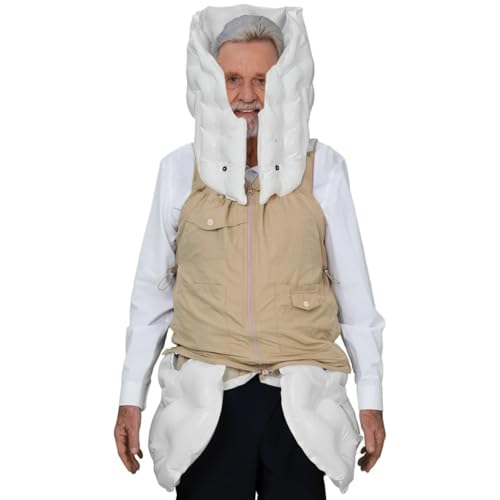
ELIMINATE DETECTION LAG WITH 0.08s RESPONSE:Unlike standard inflatable gear with high latency, our intelligent system adopts an automotive-standard inflation mechanism that deploys in just 0.08s. This rapid response is critical for elderly protection, ensuring the car-grade cushions are fully pressurized before impact. Our system cuts impact force by 90%, providing immediate cranial and pelvic shielding during accidental falls

Explore Personalization Options for Your Bag
After you finish making your drawstring produce bag, why not add a personal touch? There are lots of ways to make your bag reflect your style and make it more useful.
Try this: Think about using contrasting fabrics or fun patterns that really speak to you. Adding pockets can also be super handy—whether it’s for your little produce tags or even some snacks for the road. Honestly, who doesn’t love a bag that looks good and keeps things organized?
Here’s the trick: Don’t shy away from getting creative with your designs. You can use embroidery, fabric paint, or appliqués to turn your bag into a unique treasure that no one else has. The best part is, these little additions let your personality shine, making your bag feel even more special.
Different drawstring styles can also change the vibe of your bag. Whether you choose flat or round cords, you’re in control of how it looks. Plus, think about the size of your bag. Adjusting it to fit more fruits and veggies can make a practical difference in your day-to-day life.
For an eco-conscious choice, consider using materials like sustainably sourced bamboo which add a natural and durable element to your design.
Recommended Products

Contains 34 tubes of aunt Martha's ballpoint paint, a paint hoop, replacement tips, tip cleaner, replacement blotters and tube protectors

【Portable & Ultra Slim】 The light pad thickness is only 5mm which makes it portable. The illumination area is perfectly even, super bright, and flicker-free.

Why Do Reusable Produce Bags Matter?
Why do reusable produce bags matter? Think about all those plastic bags piling up in our landfills—over 1 trillion used every year. That’s just mind-boggling! By opting for reusable produce bags, we can seriously cut down on plastic waste, making a real difference for our oceans and wildlife.
Now, here’s the trick: making your own drawstring produce bags can be a fun DIY project that’s also eco-friendly. You can even use upcycled materials, like old sheer curtains that you might have lying around. It’s a personal touch that makes your shopping trips a bit more special while also keeping those fresh fruits and veggies breathing better in the bag.
So, why does this matter? These simple bags can help reduce your household plastic consumption by as much as 50%. That’s pretty significant! Plus, when you use reusable gift bags instead of disposables, you’re encouraging a lifestyle that cares more about our planet.
Truth is, every little bit counts. Each grocery trip you take can contribute to a bigger change. Using durable materials ensures your bags last longer, reducing the need for frequent replacements. So, are you ready to swap out those plastic bags for something more responsible?
Frequently Asked Questions
Can I Use Recycled Fabric for My Produce Bag?
Using recycled fabric for our produce bags supports eco-friendly options. We appreciate the cost benefits, sustainable practices, and the ability to experiment with color combinations and design aesthetics while ensuring fabric durability through smart pattern selection.
How Do I Care for My Fabric Produce Bag?
To care for our fabric produce bags, we should use eco-friendly stain removal methods, avoid fabric softeners, and hand wash gently. Proper drying guarantees fabric durability, preventing color fading for long-term use with effective maintenance tips.
What Length Should My Drawstring Be?
We’ve found that a drawstring length should be about 1.5 times the bag dimensions. Considering fabric types, bag styles, and closure options will influence our choice of cord materials and cinching methods in our sewing techniques.
Can I Make a Larger or Smaller Bag?
Absolutely, we can adjust bag dimensions easily! Choosing the right fabric and adjusting our pattern allows us to explore different usage scenarios. Let’s also consider drawstring types, stitching patterns, and eco-friendly options for ideal cost efficiency!
Are These Bags Machine Washable?
Yes, these bags are machine washable! In fact, using eco-friendly detergents can increase fabric durability. We should check care labels for washing temperature and drying methods to avoid color bleeding, especially after frequent usage.