

To prevent mold on our bamboo cutlery and dishware, we should clean them with warm soapy water right after use. Air dry them thoroughly to fight moisture. Storing bamboo in well-ventilated spaces, like open racks, can help too. Monthly application of food-safe mineral oil makes them more resistant to mold. If we spot any dark patches, we can use a baking soda and vinegar paste to clean them up. There’s more we can do to keep our bamboo safe and fresh!
Key Takeaways
- Clean bamboo cutlery and dishware promptly with warm water and mild soap to reduce moisture buildup.
- Ensure all items are completely dry before storing them to prevent mold growth.
- Store bamboo in a well-ventilated area with moisture-absorbing materials like silica gel packets.
- Regularly apply food-safe mineral oil to enhance water resistance and protect against mold.
- Conduct routine inspections for mold signs and address any issues promptly with baking soda and vinegar.
Why Preventing Mold on Bamboo Cutlery and Dishware Is Crucial
Preventing mold on bamboo cutlery and dishware is important for both your health and enjoyment. Have you ever noticed how quickly bamboo items can absorb moisture? That’s because they’re organic, making them more susceptible to mold growth. If you don’t take care of your bamboo cutlery properly, you could be putting yourself at risk for health issues.
Here’s the trick: keep your bamboo items in dry places, away from humidity. Regular cleaning is important, but moisture control is just as vital. Try using natural dehumidifiers like silica gel packets. They’re super effective in soaking up extra moisture and can help keep your bamboo looking fresh.
Investing some time in proper care not only extends the life of your kitchenware but also ensures it’s safe for everyday use. This means meal prep can be a worry-free process! So, why does this matter? Because daily exposure to mold can impact your well-being.
Truth is, bamboo dishware and cutlery can last a long time with the right care. Just make a habit of storing them correctly and watching for any signs of moisture. In the end, taking these small steps can make a huge difference in your kitchen routine. What are some of your favorite bamboo items, and how do you keep them clean? Bamboo utensils are easy to clean and maintain, preventing bacteria growth and mold buildup.
Recommended Products

Des-Case VentGuard Desiccant Series Breather

Case fits x4 Rifles or Shotguns (under 41" in Overall Length), x3 Semi-Auto Pistols, x12 Rifle Magazines, x24+ Pistol Magazines, and x1 Moisture Absorbing Silica Gel Canister (Included)

【Made in USA.】 Kraft paper packaging material is biodegradable and recyclable. Bentonite Clay Packs utilize Kraft as packaging material, hard to tear, good breathability, dust free and does not contain binder or solvent.
Effective Cleaning Techniques for Bamboo Kitchenware to Prevent Mold

Caring for bamboo kitchenware isn’t just about keeping it looking nice; it’s about ensuring it stays safe and mold-free too. If you’ve ever dealt with that pesky mold growth, you know it’s no fun. So here’s my go-to routine for Bamboo Utensil Care that really helps prevent that issue.
Start by washing your bamboo items right after use with warm water and a bit of mild soap. You don’t want food residue hanging around, and trust me, a natural bristle brush or a soft cloth does wonders without scratching the surface. After giving them a good wash, lay them out to air dry properly on a rack. It’s crucial to avoid trapping any moisture, which can be a breeding ground for mold.
For an extra layer of cleanliness, try sanitizing your bamboo utensils every now and then. A quick soak in a mixture of baking soda and vinegar does the trick nicely. Not only does this help eliminate any lingering germs, but it also keeps mold at bay.
Honestly, adding a monthly routine of applying food-safe mineral oil is a game changer. This simple step boosts the water resistance of your bamboo kitchenware, extending its life and reducing the chances of mold creeping in.
Because bamboo naturally has some anti-static properties, it also helps reduce moisture retention on the surface, further discouraging mold growth.
In the end, keeping your bamboo healthy is pretty straightforward. By washing, drying, sanitizing, and oiling your kitchenware, you can enjoy all those benefits for a long time. So, how often do you give your bamboo items a little TLC?
Recommended Products


FLEXIBLE INSTALLATION: The sink can be installed either as an undermount or as a drop-in, for added versatility and flexibility
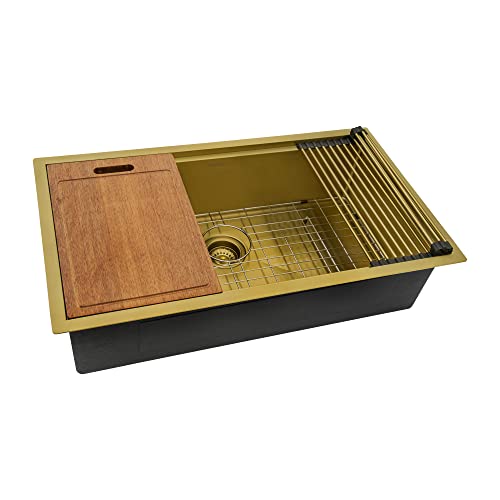
WORKSTATION SINK: Ledges on the front and back provide a track for the included accessories | INNOVATIVE NANO-PVD TECHNIQUE: The beautiful colored finish is applied as an outer layer that makes it incredibly tough and resistant to wearing or peeling. | LEDGEFIT: Sink is compatible with 40+ optional LedgeFit accessories that are interchangeable between different Ruvati workstation sinks, giving you endless kitchen customization options, now and into the future.
Optimal Storage Strategies for Bamboo Kitchenware to Resist Moisture

Have you ever noticed how quickly bamboo kitchenware can lose its charm if not stored properly? Keeping these lovely items in top shape really does come down to moisture control. Let’s dive into some simple yet effective ways to store your bamboo kitchenware and keep it looking beautiful.
First off, make sure your bamboo pieces are completely dry after washing. Leaving any moisture on them can lead to mold, and nobody wants that. After drying, consider where you’ll store them. A well-ventilated space is key, allowing air to flow freely around your bamboo. Open racks or cabinets lined with moisture-absorbing materials are perfect for this. Closed spaces can trap humidity and create a recipe for disaster.
The best part is you can take it a step further. Adding baking soda or silica gel packets to your storage areas can really help absorb any excess moisture that sneaks in. Think of it like a little extra insurance policy for your bamboo.
So, why does this matter? Bamboo is a natural material and can be quite sensitive to humidity. Ensuring it’s stored properly not only maintains its beauty but also extends its lifespan. Regularly treating the bamboo with food-safe mineral oil can protect the handles and enhance durability over time.
Recommended Products
![wisedry 100g [20 Packs] Rechargeable Desiccant Packs for Storage, Color Indicating Silica Gel Desiccant Packets, Reusable Moisture Absorbers Bags for Storage Bins, Suitcase, Gun Safe, Tool Box](https://m.media-amazon.com/images/I/416AdBIJaiL._SL500_.jpg)
✅ [ No More Dampness ] Simply place the desiccant packs with your belongings and they will absorb moisture from the air to prevent musty smell, corrosion, rust and other moisture damage

Smart Humidity Monitoring:each desiccant pack features a color-changing indicator: blue when ready for use, pink when absorbing moisture. Easily monitor moisture levels in real time to protect your valuables

[High-Efficiency & Reusable Moisture Control] Vbejill desiccant packs can absorb up to 35% of their weight in water vapor, effectively reducing excess humidity to help prevent musty odors, rust, and corrosion. Designed for repeated use, providing a practical and eco-conscious solution for long-term moisture control.
Maintaining Bamboo Utensils for Longevity and Mold Prevention
Ever wondered why your bamboo utensils didn’t last as long as you expected? It’s super frustrating when they start looking worn out or, worse, develop mold. Keeping those utensils in good shape doesn’t just happen—it’s a teamwork thing.
To keep them fresh and mold-free, you should regularly clean your bamboo with warm water and gentle soap. This little routine not only zaps food residues, which invite mold to the party, but also helps them stay looking good. After washing, make sure you dry them thoroughly before putting them away.
Here’s the trick: about once a month, apply some bamboo and wood oil. This helps lock in moisture and boosts water resistance, adding another layer of protection against mold. Honestly, it’s such an easy step to take.
Avoid soaking your bamboo utensils. Instead, wash them by hand to prevent any warping. Storing them is key, too—keep them in a dry, well-ventilated spot to keep that pesky moisture away.
Regular maintenance not only extends longevity but also preserves the natural durability of Moso bamboo used in many bamboo products.
Remember to check them regularly for any signs of wear. Keeping up with cleaning and maintenance means your bamboo utensils can last a long time and stay fresh for all your kitchen adventures. So, what are you waiting for? Let’s get to it!
Recommended Products

CONTENTS 17" Bamboo Serving Tray/Platter With Handles - 10 Units

PREMIUM QUALITY: 30 Piece - This cutting board measures approximately 11" x 11" x 0.75". The board consists of a grooved and a flat side so you can use either side based on what you need it for. Deep juice grooves are perfect for keeping you table spill free from juice from fruits and vegetable or meats.

【Bamboo Flatware Set】This bamboo flatware set includes a dinner knife, fork, spoon, salad fork, and dessert spoon. The salad fork and dessert spoon measure 6.69 inches in length—ergonomically sized for most palm sizes, ensuring comfortable and convenient food handling. This bamboo flatware set is suitable for a wide range of occasions.
Spotting Mold on Bamboo: What to Do About It?
How can you spot mold on your bamboo cutlery before it turns into a bigger problem? Regular checks are essential. Keep an eye out for dark spots or fuzzy patches; these are usually signs of mold. If you do happen to see any, it’s important to act fast.
Try this: make a paste with baking soda and white vinegar and apply it to the affected areas. If the mold is stubborn, soaking the bamboo in boiling water for a few minutes can help sanitize it effectively. After cleaning, don’t forget to dry your cutlery thoroughly in a well-ventilated area. This helps keep more mold from coming back.
So, why does this matter? Keeping your bamboo items in top shape isn’t just about aesthetics; it’s also about health. Regularly conditioning your bamboo with mineral oil can give it extra protection against moisture, making it more mold-resistant in the long run.
Truth is, choosing bamboo cutlery is both eco-friendly and practical, but it requires a little bit of care. By staying vigilant and taking quick action, you can keep your bamboo items mold-free without too much hassle. Have you checked your bamboo cutlery lately? Remember, bamboo is a rapidly renewable resource that benefits from proper maintenance to ensure longevity and sustainability.
Recommended Products

✅ RARE BALINESE CRAFTSMANSHIP – Limited to only 50 units per month. Individually hand-shaped by master woodworkers in Bali, this XXXL masterpiece features the deepest reddish-gold Mahogany grain, ensuring your kitchen centerpiece is as unique as a work of art.

WHITE MINERAL OIL : Protect and polish stainless steel surfaces

MINERAL OIL FOR EVERYTHING: White oil is used in food, automotive, beauty, construction and many more industries.
Frequently Asked Questions
How to Stop Mold From Growing on Bamboo?
To stop mold from growing on bamboo, we should use proper drying techniques, implement bamboo storage solutions, regularly sanitize bamboo utensils, and follow essential bamboo care tips to maintain a mold-free environment for our products.
How to Get Mold Out of Bamboo Utensils?
Oh sure, let’s just invite mold to a party! To get it out, we can use bamboo restoration techniques like natural cleaning solutions, then follow storage best practices to maintain bamboo hygiene. Let’s keep it clean!
How to Prevent Bamboo Whisk From Molding?
To prevent our bamboo whisk from molding, let’s follow bamboo cleaning tips by washing it promptly, use effective bamboo drying techniques, guarantee proper bamboo storage solutions, and consistently apply bamboo maintenance care for longevity.
How to Avoid Mold on Bamboo Cutting Board?
Let’s channel our inner cavemen! For avoiding mold on bamboo cutting boards, we should use cleaning tips like mild soap, drying techniques to remove moisture, and smart storage solutions to keep airflow flowing. Stick to usage guidelines!