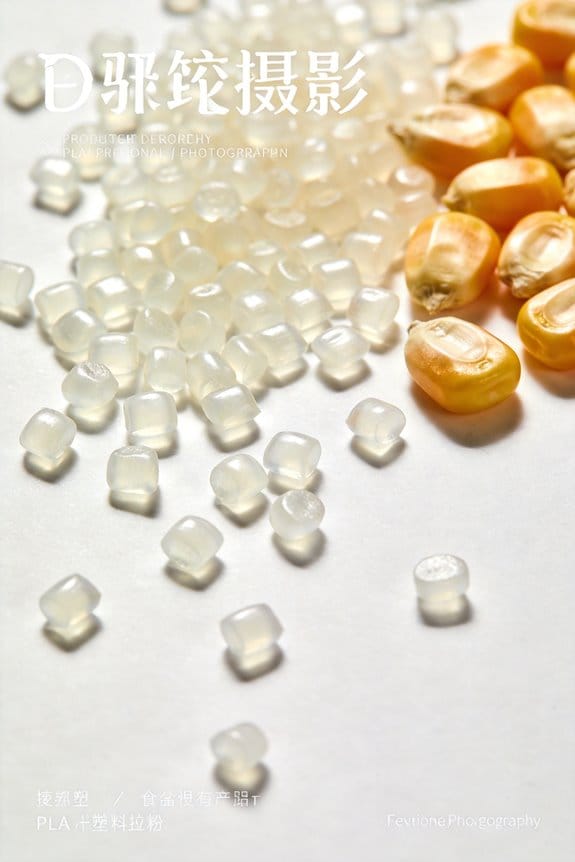


Many “biodegradable” items struggle to break down in landfills because of poor conditions. In landfills, there’s little heat, moisture, or oxygen, which limits microbial activity necessary for decomposition. Some products may even contain traditional plastics that slow the process. As a result, these items can linger for years, releasing harmful methane gas. It’s important for us to understand product labels and disposal methods. If we want to be better stewards of the environment, let’s explore this topic further.
Key Takeaways
- Biodegradable items often require specific conditions, like heat and moisture, to decompose effectively, which are absent in landfills.
- Landfills provide cold, dry environments with low oxygen, hindering the breakdown of biodegradable materials by microorganisms.
- Anaerobic decomposition in landfills leads to methane production, a potent greenhouse gas, instead of beneficial decomposition.
- Many biodegradable products can persist for years or even decades due to their composition and thickness, which slows down decomposition.
- Mislabeling of products creates confusion about disposal methods, leading consumers to improperly dispose of biodegradable items in regular trash.
The Problem With Biodegradable Claims in Landfills
Have you ever bought biodegradable products thinking you’re doing the planet a favor? Many of us have been there, but the truth is a bit more complicated. You might assume these items break down quickly, but in landfills, that’s rarely the case.
Here’s the kicker: most biodegradable materials need specific conditions to really break down—like heat and moisture. Landfills are often cold and dry, which means instead of decomposing like you’d expect, these products can actually produce methane, a potent greenhouse gas.
So, what’s the takeaway? Misleading claims about biodegradability can trick you into thinking you’re helping the environment, when in reality, you might not be. Some biodegradable plastics can linger in landfills for years or even decades, adding to our plastic pollution woes.
When dealing with compostable waste, it’s essential to understand what really happens after you toss that biodegradable item. The best part is, you can make conscious choices that genuinely help reduce landfill pollution. Think twice before you buy; it can make a difference!
In short, not all biodegradable products are created equal, and understanding their impact is crucial. Have you thought about how your choices affect the environment? Choosing bags with recognized compostability certifications can ensure more effective breakdown in composting environments.
Recommended Products

CERTIFIED COMPOSTABLE: These EcoSafe compostable trash bags/ garbage bin liners are BPI certified compostable and CMA approved for food waste disposal (BPI Cert #890992).
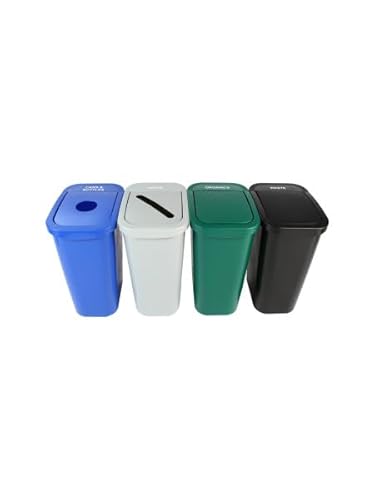
COMPACT SIZE: The City Box Series is a compact, smaller sized bin for recycling and waste that comes in both 7 and 10 gallon sizes. Perfect for lower traffic areas, kitchens, garages, or desk side servicing as a versatile plastic trash can.

【Lightweight & Space-Saving Foldable Design】No assembly required,unfolds in just one second for instant use. When folded, it’s only 3.7in thick, easily stored against a wall, behind doors, under sofas, beds, or any unused narrow space.(Unfolded size: 18.31×24.61×35.43in | Folded size: 18.31×3.74×37.8in) Weighing just 10lb, it’s effortlessly portable and stackable for flexible placement anywhere.
How Landfill Conditions Affect Biodegradation

Have you ever tossed a biodegradable item in the trash, thinking it would decompose easily and leave no trace? That’s a common misconception, and it might surprise you to learn that landfills aren’t the best place for these items to break down. In fact, many biodegradable plastics get stuck in a sluggish anaerobic decomposition process due to the lack of oxygen. This means instead of breaking down into harmless materials, they’re often a source of methane—a potent greenhouse gas.
So what should you know? Many biodegradable products need specific conditions, like warmth and moisture, to decompose efficiently, and sadly, landfills don’t provide them. Some materials can linger for years, or even decades, before they fully break down. Plus, not all biodegradable items are labeled correctly, leaving many of us confused about how to dispose of them properly.
You might wonder, “What can I do about this?” Here’s a tip: check labels before you buy and look for composting options, which can be much more effective than sending items to a landfill. Use products certified to standards like BPI certification to ensure they break down properly in composting environments. If you’re committed to reducing your environmental impact, educating yourself about the process can really help.
Truth is, understanding how landfill conditions affect biodegradation isn’t just an academic exercise; it can lead to better choices for you and the planet. When it comes down to it, every small decision adds up. Are you ready to rethink how you dispose of your waste?
Recommended Products
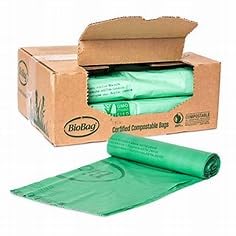
Reduce labor costs by protecting containers and keeping them clean
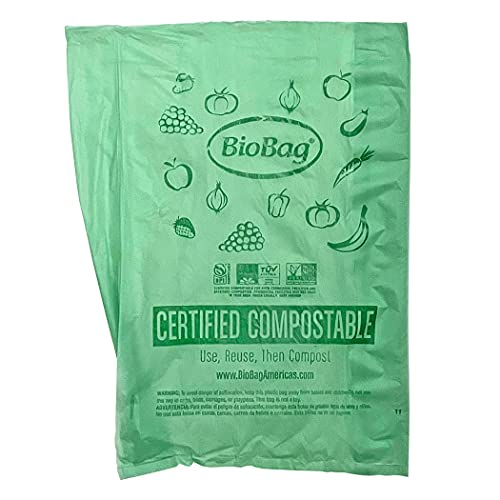
Contains 4 Rolls of 500 bags per roll (2000 total), 11 x 17 inches, .4 mil

Product Information: SUPERBIO compostable yard waste bags, 96 gallon bulk package,40 bags. 61 in x 68 in x 1.57 mil
Why Bioplastics Often Fail to Decompose?

Have you ever tossed a bioplastic item in the trash, thinking it would break down? You’re not alone, but the truth is, bioplastics don’t decompose the way we hope, especially if they end up in a landfill. They’re made from renewable resources and sound like an eco-friendly choice, but many of them still contain traditional plastics that get in the way of breaking down completely.
Landfills aren’t the ideal place for bioplastics to decompose. They often need a specific composting setup where heat and oxygen can work their magic. If they don’t get those right conditions, their degradation can slow way down. Instead of turning into compost in a few months, they can stick around for years! So, what’s the takeaway here? If we don’t dispose of them properly, we create bigger problems for our waste management system.
Here are some tips on how to handle bioplastics:
- Check for compostability: Look for labels that say your bioplastics are compostable. If they aren’t, treat them like regular plastic.
- Find composting facilities: Research local composting options that accept bioplastics. Not all do, so it’s worth checking first.
- Spread the word: Share this knowledge with friends and family to help them make informed choices too.
Honestly, it’s all about being aware. Next time you reach for that bioplastic item, give a thought to where it’s really going and how it might affect the planet. Let’s make sure our eco-friendly choices truly benefit the environment! What’s your go-to strategy for dealing with bioplastics? Compostable dinnerware made from materials like sugarcane fibers and cornstarch can be an effective alternative when properly disposed of.
Recommended Products

Case of 9,600 clear drinking straws (400 per pack, 24 packs per case)

Case of 9,600 green drinking straws (400 per pack, 24 packs per case)

Case of 1,000 cold cups (50 per pack, 20 packs per case)
How Microbes Decompose Biodegradable Plastics
Ever wonder what really happens to biodegradable plastics when they break down? Understanding how microbes work on these materials can shed light on their environmental impact. In landfills, certain microbes kick off the decomposition process, but it’s not as simple as it seems.
Here’s the trick: these microbes release enzymes that break down carbon bonds, which leads to depolymerisation. But here’s the catch—most landfills don’t have enough oxygen. This lack of oxygen means that aerobic bacteria, which need it to thrive, can’t do their job efficiently. Instead, microbes have to rely on anaerobic conditions, which makes the whole process a lot slower.
You might be surprised to learn that the thickness of plastic plays a role, too. Thinner sections tend to break down faster than thicker ones. As these materials decompose, they emit methane and carbon dioxide, which are potent greenhouse gases. While it’s a relief that no toxic residues are produced, the fact remains that without the right conditions, decomposition can really drag on.
So, why does this matter? If we’re serious about improving waste management, we need to recognize how these biodegradable plastics actually behave in landfills. Finding better ways to manage our waste can make a big difference for the planet. Proper disposal in facilities certified by BPI and ASTM standards ensures more effective biodegradation.
The moral of the story? Pay attention to how and where biodegradable plastics are disposed of. It’s essential for our environment’s health. What steps can you take in your daily life to manage plastic waste better?
Environmental Impacts of Biodegradation Failures
Have you ever wondered what really happens to biodegradable items when you toss them in the trash? It can be pretty disheartening to learn that these products often don’t break down like we hope they will. In landfills, there’s hardly any oxygen for the good bacteria that break down materials to do their thing. Instead, biodegradable plastics can stick around for years, making the waste situation even worse.
The problem gets compounded by anaerobic conditions, which create methane—a greenhouse gas that’s really bad for our planet. You might think that buying biodegradable products is a step toward being eco-friendly, but the reality is that many of these items need specific industrial composting settings to break down properly. When those conditions aren’t met, which is the case in most landfills, these materials just end up lingering longer than we’d like.
So, why does this matter? It’s frustrating to think that what we believed was a responsible choice turns into an environmental challenge. Clarity in labeling is crucial because it helps you make informed decisions. Here’s the trick: always check the instructions or composting requirements on the packaging before purchasing biodegradable products.
Truth is, we all want to do our part to save the planet. Being aware of how biodegradable items really work can help you make smarter choices in your day-to-day life. It’s a good idea to look for local composting facilities or reduce your use of materials that won’t decompose effectively in your trash. This way, your efforts to be eco-conscious can truly make a positive impact.
Next time you’re shopping, take a moment to think about how your choices affect the environment. It’s all about making informed decisions and being proactive in managing waste! Remember that certifications like ASTM and BPI indicate products designed to break down under proper composting conditions.
Recommended Products


🏬 Perfect for Sustainable Businesses - Elevate your sustainability game with our 7.9” skinny reed drinking straws! Ideal for any business in the food service or hospitality industry, these zero-waste drinking straws offer an eco-friendly alternative to plastic and bioplastic straws. Designed with a traditional diameter (5-7 mm), they are perfect for a wide range of beverages and cocktails. Even better, they will add a level of uquiqe sophistication and a touch of elegance to any drink.

Contains no color additives. Made with a proprietary blend of 100% virgin low and linear low density polyethylene. Provided on rolls, boxed.
Solutions: Reducing Landfill Waste From Biodegradable Plastics
Have you ever thought about what really happens to biodegradable plastics in landfills? It’s a bigger problem than many of us realize, but there are some practical ways to tackle it and make a positive impact on the environment.
First off, consider getting involved in community composting programs. These initiatives are great because they allow biodegradable plastics to break down properly instead of ending up in the landfill. You might be surprised at how effective composting can be in minimizing waste! It’s also really important to understand the difference between compostable and biodegradable materials. Doing this helps you avoid throwing the wrong things in the trash, which supports better waste management overall.
Another thing to think about is the infrastructure for organic waste collection. This can really help with recycling food scraps and bioplastics together. Why does this matter? It cuts down on methane emissions, which are harmful to our planet. Plus, if local laws start encouraging compostable materials in food packaging, it gives us a clearer pathway to make eco-friendly choices.
And here’s the trick: support businesses that focus on sustainable packaging. By doing this, you’re helping to create a circular economy that reduces plastic waste in landfills. The best part is that you’re not just helping the environment; you’re also voting with your money for a greener future.
To wrap it up, tackling landfill waste from biodegradable plastics isn’t as complicated as it seems. Just by making small changes in your daily life and choices, such as using a compost bin with odor control to manage food scraps efficiently, you can help make a difference. What are some eco-friendly practices you’ve found useful in your own life?
Recommended Products

Custom Printing Service: We offer custom printing service, allowing you to personalize your packaging with brand name, logo, and design, making it an ideal choice for businesses looking to create a unique identity and make your products stand out.Click "Customize Now" to create your package.

STYLISH FOOD PRESENTATION: The stylish red and white checkered pattern adds a unique, eye-catching touch to your food presentation. European-made paper cones for food combine durability, grease resistance, and a natural unbleached finish disposable snack containers.

ECO-FRIENDLY FOOD PRESENTATION: European-made paper cones for food combine durability, grease resistance, and a natural unbleached finish disposable snack containers. Great use for french fries, popcorn, dessert, charcuterie in catering events, and parties.
Frequently Asked Questions
Do Biodegradable Items Degrade in Landfills?
Biodegradable items don’t degrade well in landfills due to poor conditions. Embracing composting benefits and better recycling practices can enhance waste management and reduce environmental impact, making biodegradable alternatives much more effective. Let’s choose wisely!
What Are Two Things That Do Not Break Down Easily in a Landfill?
In a landfill environment, mixed materials like composite packaging and coated paper products don’t break down easily. Their waste composition hinders decomposition rates, often failing to meet biodegradable standards and limiting recycling potential.
Do Biodegradable Plastics Completely Decompose in Any Landfill Without Special Conditions?
Like seeds in a barren field, biodegradable plastics don’t completely break down in landfills without ideal conditions. Their decomposition relies on specific biodegradable mechanisms, making composting a better choice for environmental impact and effective waste management.
Can Biodegradable Waste Be Broken Down?
Yes, biodegradable materials can be broken down, but only through proper composting processes. Landfill conditions hinder their decomposition, leading to significant environmental impact and presenting recycling challenges in effective waste management. Let’s choose composting instead!