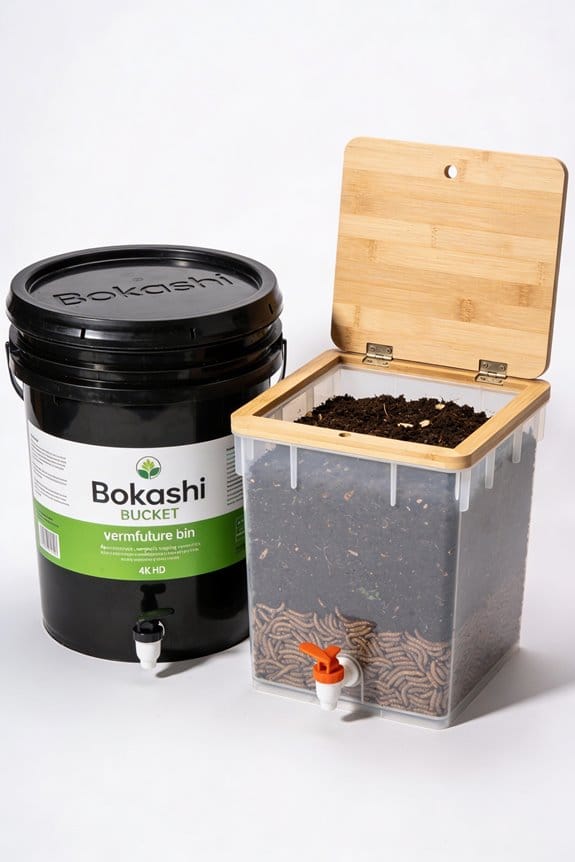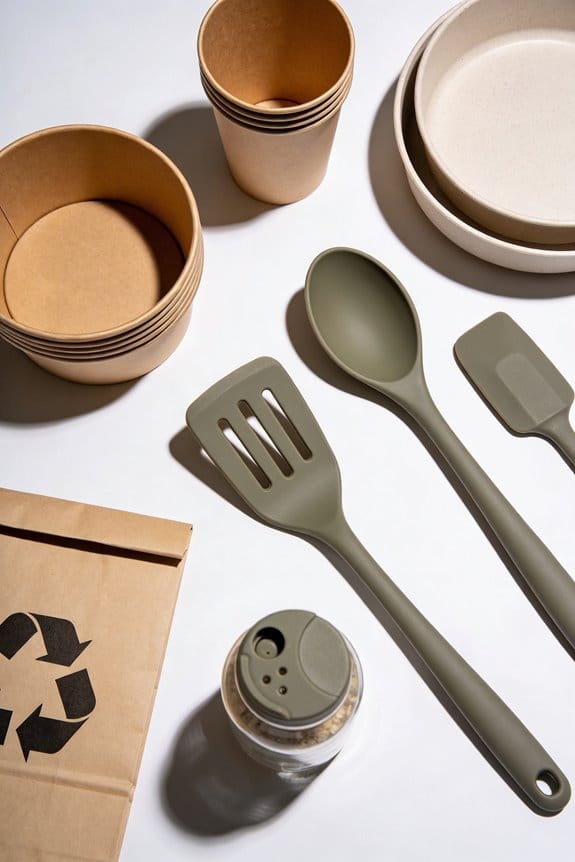
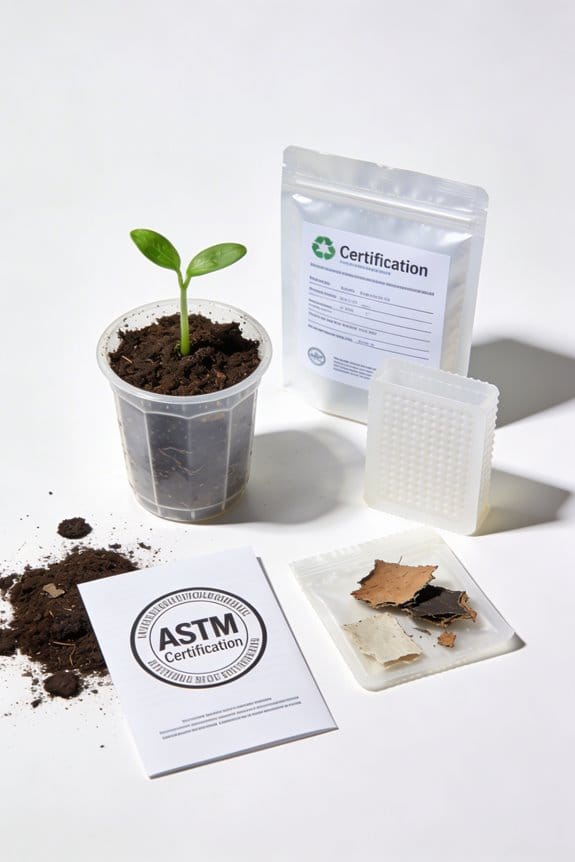

The ASTM D6400 standard is key for compostability in industrial settings. It requires materials to disintegrate 90% within 180 days, transforming into beneficial compost. This includes breaking down into pieces smaller than 2 mm within 12 weeks. Biodegradation should convert at least 90% into carbon dioxide, water, and biomass, ensuring no harmful substances remain. Products meeting this standard help promote sustainability. If you’re curious, there’s much more to explore about compostability standards!
Key Takeaways
- ASTM D6400 specifies compostability criteria for materials in industrial composting, focusing on disintegration and biodegradation timelines.
- Materials must disintegrate by at least 90% within 180 days and be non-toxic for plant growth.
- Compliance with ASTM D6400 often comes with BPI Certification, ensuring materials meet recognized compostability standards.
- The standard emphasizes the use of renewable sources, promoting sustainable practices and reducing reliance on fossil fuels.
- Supporting ASTM D6400-compliant products contributes to effective waste management and enhances soil health, benefiting the environment.
What Is ASTM D6400 and Why It Matters
Have you ever thought about how the products you use every day affect the environment? With so many options out there, it’s worth diving into something called ASTM D6400 certification. This label shows which compostable products really do what they promise.
This standard, set by ASTM International, lays out the rules for compostability, specifically for industrial composting facilities. To hit the mark, materials need to break down 90% within 180 days. Plus, they should look like finished compost after just three months. That’s pretty neat, right? But there’s more—any compost produced from these materials must be free of heavy metals to keep our plants and soil safe. Many compostable bags meeting ASTM D6400 use plant-based materials like corn starch and PLA to ensure they break down safely and effectively.
Essential Criteria for Compostability Certification

To make sure a product is really compostable according to ASTM D6400, it has to hit some key benchmarks. First off, the material needs to break down by at least 90% within 180 days when it’s in a commercial composting setup. That’s important because we don’t want plastic bits lingering around forever.
Another point to consider? The stuff should break apart into tiny pieces, easily passing through a 2mm screen in about 12 weeks. This helps keep out any large chunks that could mess with the composting process. Plus, the compost that comes out on the other side shouldn’t harm plant growth and needs to be free of toxic heavy metals. Healthy soil means healthy plants, right?
Then you’ve got ingredient transparency. It’s essential to know what’s in the product. You want to be sure that only eco-friendly materials are included. Some brands even go for BPI Certification, which often requires compliance with ASTM D6400. This gives you that peace of mind knowing the product has been officially vetted for its compostability.
So, why does this all matter? Well, it helps you make choices that are better for the environment. As we strive to be more eco-conscious, understanding what makes a product compostable can guide us towards greener options.
Additionally, compliance with standards like ASTM D6400 also ensures the product contributes to reducing plastic waste, supporting overall sustainability efforts.
Recommended Products
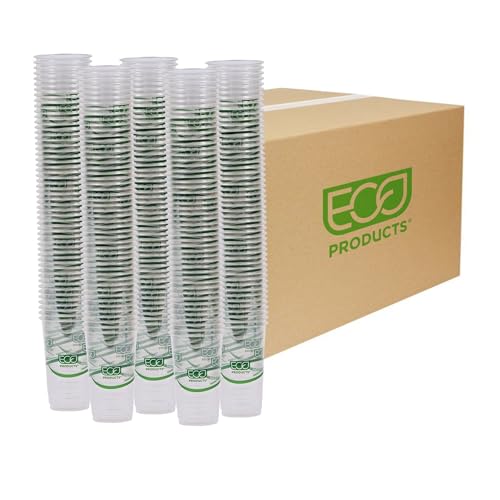
IDEAL FOR SMOOTHIES, FROZEN DRINKS & SPECIALTY BEVERAGES - Designed specifically for cold drinks only, these 24 oz clear cups are perfect for smoothies, frozen beverages, lemonades, fruit drinks, iced tea, fountain beverages, juice, and water. The extra-large capacity is ideal for premium beverage service, larger portions, and specialty drink programs.

CERTIFIED COMPOSTABLE: These EcoSafe compostable trash bags/ garbage bin liners are BPI certified compostable and CMA approved for food waste disposal (BPI Cert #890992).

Product Information: SUPERBIO bags, 96 gallon bulk package,40 bags. 61 in x 68 in x 1.57 mil
How ASTM D6400 Testing Works

Have you ever wondered if the compostable packaging you use is actually living up to its promises? The truth is, not all products labeled as compostable meet the strict environmental standards they claim to. That’s where ASTM D6400 testing steps in. It gives a thorough check to make sure these products can break down in a real-world composting environment.
These tests aren’t short—they run anywhere from 90 to 180 days and focus on two main things: disintegration and biodegradation. Here’s the breakdown:
- For disintegration, materials need to break down into tiny bits, smaller than 2 mm, in just 12 weeks.
- Biodegradation is even tougher; the product’s got to convert at least 90% into carbon dioxide, water, and biomass within a maximum of 180 days.
So, why does this matter? Well, it’s not just about breaking down. There are also ecotoxicity tests involved, ensuring that the compost produced is safe for plant growth. It also checks that there are no harmful heavy metals lingering in the mix. To really drive the point home, the health of plants grown in this compost is compared to those in regular compost. It’s all about proving that the compostable options on your shelf are truly eco-friendly.
The best part is, when you understand this testing process, you become a more informed consumer. So next time you’re picking out packaging, you’ll know what to look for when it claims to be compostable. It’s all about making choices that support our planet, isn’t it?
This rigorous standard is key to confirming that bags made from plant-based materials actually break down safely and effectively in composting environments.
Recommended Products

Case of 400 compostable flat bowl lids (50 per pack, 8 packs per case)
![100% Compostable Food Storage Bags [Gallon 50 Count] Eco-Friendly Freezer Bags, Resealable-Bags, Heavy-Duty, Reusable, Off-White by Earth's Natural Alternative (Pack of 8)](https://m.media-amazon.com/images/I/31Lg+InT61L._SL500_.jpg)
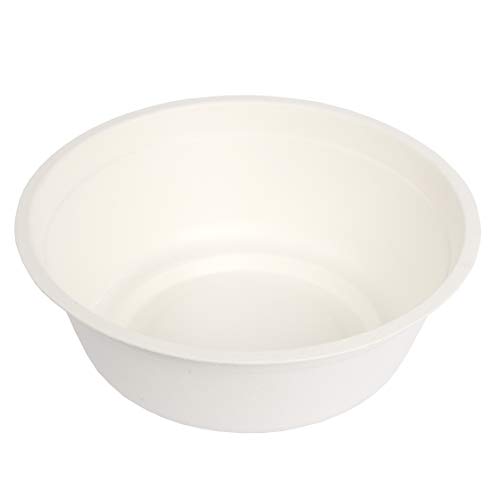
SUSTAINABLE AND COMPOSTABLE - Made from 100% compostable plant fiber, our premium heavy weight tableware is made with no trees or plastic, making it the most functional line of natural plant fiber products in the market.
Comparing ASTM D6400 With Other Composting Standards
How can you tell if a compostable product is really up to the task? You might have heard about ASTM D6400, which is a testing standard that focuses on how compostable plastics break down in industrial composting settings. In the U.S., the BPI Certification relies on ASTM D6400 to certify products as compostable. But here’s the kicker: this standard doesn’t work as well for home composting. The conditions at home are different from those in a facility, impacting how these products decompose.
On the international front, EN13432 introduces additional criteria, including guidelines for recycling and recovery. This makes it a bit more comprehensive. Plus, with the introduction of new standards like D8618 and D8619, there’s now a better way to evaluate compostable items alongside ASTM D6400. So, what does this all mean for you?
Here’s the trick: when you’re shopping for compostable products, look for certifications. Ask yourself if the product is certified for home composting or just for industrial processes. Without understanding these differences, it can be easy to be misled into thinking a product will break down in your home compost bin when it might not.
Frankly, navigating the world of compostable products can be tricky. By knowing which standards apply and what certifications to look for, you empower yourself to make informed choices. It’s all about ensuring that your efforts in composting truly contribute to a sustainable environment.
In short, always check for the right certifications before you buy. By doing that, you’re opting for products that are genuinely compostable, no matter where they end up. What do you think will be your next sustainable switch? Remember, biodegradable bags made from plant-based materials offer a reliable eco-friendly alternative that supports this goal.
Recommended Products

Contains 4 Narrow Profile Compact Rolls of 450 bags per roll (1800 total), 15 x 17 inches, .48 mil; Strong & durable

COMPACT SIZE: The City Box Series is a compact, smaller sized bin for recycling and waste that comes in both 7 and 10 gallon sizes. Perfect for lower traffic areas, kitchens, garages, or desk side servicing as a versatile plastic trash can.

NON-TOXIC NEWBORN BABY WIPES: Our fragrance-free wipes are made with 99.7% water plus organic aloe vera, chamomile and jojoba. All ingredients have low EWG Skin Deep ratings for a gentle clean on delicate newborn or rash-prone skin
Why Businesses and Consumers Benefit From ASTM D6400 Compliance
Have you ever thought about where your waste goes after you toss it in the bin? With the push for eco-friendly products on the rise, it’s becoming increasingly vital for both businesses and consumers to pay attention to standards like ASTM D6400. This standard ensures compostable products break down safely in municipal composting facilities, achieving at least 90% biodegradation within 180 days.
Choosing products that meet these standards isn’t just good for the planet; it can also shift your waste management habits. Here’s the deal: When these items decompose, they not only help keep landfills less crowded but also turn organic waste into nutrient-rich soil, promoting environmental sustainability. And if you’re worried about toxic residues? You can rest easy knowing compliant products won’t leave harmful remnants behind.
You might wonder, “How does this impact me as a consumer?” When you choose to support brands that offer ASTM D6400-compliant products, you’re sending a message. You’re saying that you care about sustainability and the environment. That builds trust with the brands you love.
For businesses, opting for eco-friendly packaging can be a smart move. It sets them apart in a crowded market where more shoppers are demanding responsible choices. Plus, it shows a commitment to creating a healthier planet, which is a selling point that resonates more with consumers every day.
Additionally, products certified to ASTM D6400 are typically made from renewable materials like PLA and cornstarch, which reduces reliance on fossil fuels and supports a circular economy.
So, why not choose products that truly make a difference? When you pick ASTM D6400-compliant options, you’re not just making a personal choice; you’re contributing to a larger movement toward sustainability. Think about the impact your decisions can have on the environment. The best part is, each small choice adds up to something significant!
In short, understanding and supporting ASTM D6400 compliance can lead to a healthier planet for all of us. Are you ready to make eco-friendly choices a part of your everyday life?
Recommended Products

Contains 500 compostable liners, 20 inches x 24 inches, 0.68 mil. Ships in Certified Frustration-Free Packaging, less wasteful packaging aligns with our company goals of sustainability

Fits Vegware's PLA round deli lids for a great seal and easy stacking - one flat lid fits all sizes

CERTIFIED COMPOSTABLE: These EcoSafe compostable trash bags/ garbage bin liners are BPI certified compostable and CMA approved for food waste disposal (BPI Cert #890992).
Frequently Asked Questions
How Long Does It Take for Materials to Compost Under ASTM D6400?
Composting timeframes vary, but materials typically decompose within 90 to 180 days under ideal conditions. We recognize this process supports soil health, enhances waste management, and showcases effective compostable branding, benefiting our environment and organic matter recycling.
Are ASTM D6400 Certified Products Safe for Home Composting?
Yes, ASTM D6400 certified products are generally safe for home composting. They break down into biodegradable materials, enhancing soil health and supporting sustainable practices. Incorporating them into our compost pile boosts composting benefits for organic waste management in home gardening.
Can ASTM D6400 Certification Apply to All Types of Plastics?
While ASTM D6400 certification doesn’t cover all plastics, it applies to specific biodegradable materials designed for industrial composting. This certification process enhances consumer education about environmentally-friendly plastic alternatives and their testing methods, benefiting our planet.
What Happens if a Product Fails ASTM D6400 Testing?
If a product fails ASTM D6400 testing, it highlights testing implications for waste management and consumer awareness. We need to rethink our product assessment strategies, ensuring alignment with industry standards to support sustainable product innovation and market trends effectively.
How Can Consumers Identify ASTM D6400 Certified Products?
Identifying ASTM D6400 certified products is like reading a treasure map. We should look for certification logos on product packaging, explore online databases, and trust eco labeling to guide our sustainable choices and support brand transparency.