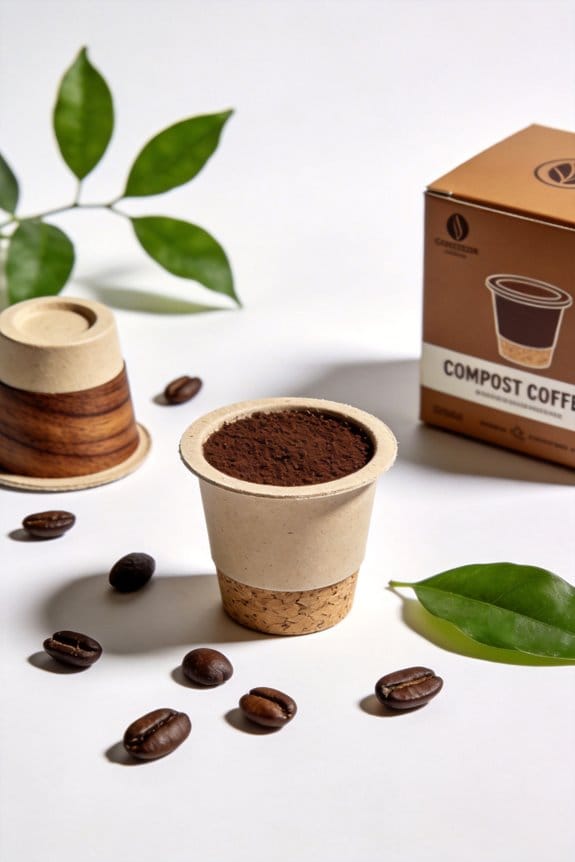

Compostable coffee pods, made of over 85% coffee grounds and plant-based materials, seem eco-friendly, but they need industrial composting to break down properly. At home, most compost setups don’t provide the right conditions, so using them can result in contamination. Effective industrial composting is essential since many cities lack the infrastructure for processing these pods. Surprisingly, compostable pods offer up to 30 times the environmental perks of traditional plastic ones. If you’re curious about their future potential, keep reading!
Key Takeaways
- Compostable coffee pods are made from over 85% coffee grounds and plant-based materials, ensuring they are environmentally friendly.
- They decompose effectively only in industrial composting facilities, not in backyard compost or landfills.
- Improper disposal can contaminate compost, and pods in landfills can generate greenhouse gases.
- Compostable pods offer up to 30 times the environmental benefits compared to traditional plastic pods.
- Community involvement and proper education on composting practices are crucial for effective waste management of these products.
What Are Compostable Coffee Pods?
Have you ever thought about what happens to your coffee pods after you toss them? Many of us grab that convenient cup of joe without realizing how much waste we’re creating. Compostable coffee pods offer a great alternative to those traditional plastic ones that just contribute to landfill overflow.
These pods are made up of more than 85% coffee grounds and plant-based materials, so they’re not just a gimmick. They’re certified 100% compostable by the Biodegradable Products Institute (BPI). This means they’ll break down in commercial composting facilities and turn into nutrient-rich compost within just a few weeks. No microplastics or nasty chemicals here—just a safer option for your daily brew.
You might be wondering if they really work. Successful tests in Canadian municipalities show that compostable coffee pods fit right into municipal composting systems. They actually break down faster than some common food waste, including chicken bones and cherry pits. It’s a small change that can have a big impact on cutting down waste.
Many eco-friendly products like the GreenWorks Compostable Bowls also carry certifications ensuring they meet strict sustainability standards, reinforcing the value of choosing compostable options.
Want to do your part for the planet? Switching to compostable coffee pods is a simple step. Not only will you feel good about reducing landfill waste, but you’ll also be supporting a healthier environment.
Why Can’t You Compost Coffee Pods at Home?

Have you ever thought about using those compostable coffee pods but then wondered if they really break down in your backyard compost? It’s a common misconception, but the truth is, compostable pods can’t be composted at home like many might believe. They need conditions that you typically find only in industrial composting facilities. Your backyard setup probably doesn’t provide the necessary heat, moisture, and oxygen to break them down properly.
So, what happens when you toss those pods in your backyard bin? They end up sitting there for ages, often just as long as regular plastic waste. While you may think you’re helping the environment, these pods can actually release greenhouse gases while they decompose in landfills.
Municipal composting systems are where the magic really happens. They’re designed specifically to handle compostable materials like these pods effectively. Without access to such a facility, there’s a real chance of contaminating your compost mix.
Here’s the trick: if you want to recycle your coffee pods properly, stick with industrial options when possible. It’s essential for making sure they’re processed correctly and don’t contribute to landfill waste.
In short, while compostable coffee pods might sound eco-friendly, they’re not a good fit for home composting. It’s important to know where your waste goes! What steps are you taking to ensure your own waste is disposed of responsibly?
Keep in mind that certified compostable products meet rigorous standards like ASTM D6400 certification to ensure proper breakdown in industrial composting environments.
Recommended Products

QUICK AND EASY: 96 Hawaiian Blend single serve, compostable, coffee pods. Cameron's Coffee strives to provide the convenience of a single serve pod with the quality of café brewed coffee.

QUICK AND EASY: 128 count of Vanilla Hazelnut single serve, compostable, coffee pods. Cameron's Coffee strives to provide the convenience of a single serve pod with the quality of café brewed coffee.

QUICK AND EASY: 128 count of Breakfast Blend single serve, compostable, coffee pods. Cameron's Coffee strives to provide the convenience of a single serve pod with the quality of café brewed coffee.
Why Does Industrial Composting Matter?

Why Does Industrial Composting Matter?
Ever wondered what happens to those compostable coffee pods you toss in the trash? Well, here’s the thing: they’re made from plant-based materials that could break down quickly if sent to the right facilities. Unfortunately, many cities just don’t have the right infrastructure for industrial composting. So instead of returning to the earth, those pods often pile up in landfills, where they take forever to decompose and miss out on their chance to do some good.
Why is community acceptance crucial? Look at what’s happening in Canada. There, several municipalities have shown that when communities understand and support composting, it can lead to real success. It boils down to knowing how to properly dispose of these compostable items.
To maximize the impact of compostable products, it’s time we focus on education. Try this: get involved with local programs that educate folks about industrial composting. This can help lower contamination rates in organic waste, making sure those pods get treated right and benefit the environment.
Honestly, our collective effort can make a difference. Think about it—if we all did our part, we could help compostable products live up to their potential. So, what’s holding you back from diving into this? Let’s work together to ensure we’re giving those pods the second chance they deserve. Certified cups like those with BPI certification break down much faster in composting environments than regular plastics, highlighting the importance of supporting industrial composting systems.
Recommended Products
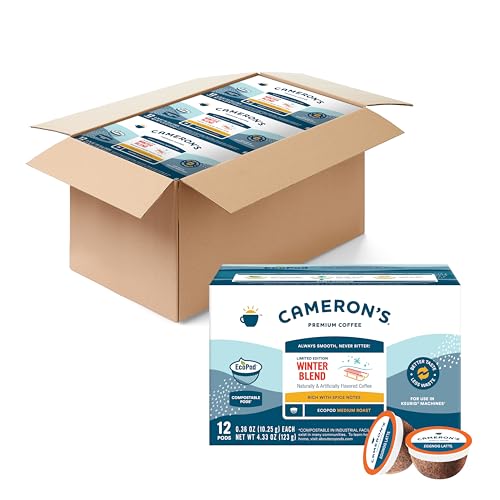
QUICK AND EASY: Six boxes of 12 Winter Blend single serve, compostable, coffee pods. Cameron's Coffee strives to provide the convenience of a single serve pod with the quality of café brewed coffee.

QUICK AND EASY: Six boxes of 12 Gold Roast Hawaiian single serve, compostable, coffee pods. Cameron's Coffee strives to provide the convenience of a single serve pod with the quality of café brewed coffee.

QUICK AND EASY: 128 count of Highlander Grog single serve, compostable, coffee pods. Cameron's Coffee strives to provide the convenience of a single serve pod with the quality of café brewed coffee.
How Do Compostable Pods Stack Up Against Traditional Ones?
How do compostable coffee pods really compare to the traditional ones we’ve all been using? It’s a question many coffee lovers are starting to ask, especially as we become more aware of our environmental footprint.
Compostable pods are a different breed. They consist of over 85% coffee grounds and plant-based materials, which means they break down much quicker in municipal composting systems. On the flip side, those plastic pods can take hundreds of years to decompose, and let’s be real—they’re not doing the planet any favors. With traditional plastic pods recycling rates stuck around a mere 9%, their contribution to waste is pretty significant. So, why does this matter?
Research suggests that compostable pods offer 30 times the environmental benefits of their plastic counterparts. They improve soil quality without introducing any nasty contaminants. Honestly, you might be surprised to learn that many consumers are composting these pods successfully. They’re certified 100% compostable by the BPI, which means they can be processed in facilities like those in Toronto.
One of the reasons they’re so effective is because of their BPI certification, which ensures they break down quickly and safely in composting systems.
Here’s the trick: if you’re worried about where to compost, check for local programs that accept these pods. The best part is you can enjoy your coffee guilt-free. It feels pretty good knowing you’re making a sustainable choice without sacrificing convenience.
In short, when it comes to choosing between compostable coffee pods and traditional plastic ones, the compostable option stands out as the more eco-friendly choice. So, why not make the switch?
Recommended Products

Compatible With All Devices - 100% Recyclable Coffee Pods - Fair Trade - Low Acid - USDA Certified Organic - Single Origin - High Altitude. If We Could Make This Coffee Any Healthier We Would. Medium Roast. Compatible With K-CUP And Keurig Machines.


The Only Alkaline Coffee on the Market,
What Lies Ahead for Compostable Coffee Pods?
Have you ever thought about what happens to your coffee pods after you toss them in the trash? More and more people are looking for ways to be eco-friendly, and compostable coffee pods are stepping into the spotlight. These pods can actually break down in municipal composting facilities, which is a major plus for reducing waste.
But there’s still some confusion around how to dispose of these pods properly. Researchers are working on clearing up the myths and helping you understand the best practices. Here’s the trick: if municipalities accept these pods in their green bins, it can significantly cut down on landfill waste. It’s all about having the right infrastructure and making sure folks know how to dispose of them correctly.
To make things even better, there are cool innovations using plant-based materials that are turning compostable pods into solid alternatives to traditional plastic. Talk about a win-win! By joining forces, producers, consumers, and local communities can work together to maximize the positive impact on our environment. Many of these pods are designed to meet compostability certifications, ensuring they break down safely within months when processed properly.
Frequently Asked Questions
Are Compostable Coffee Pods Really Compostable?
Yes, compostable coffee pods are genuinely compostable when managed through proper waste management solutions and municipal composting processes. As we navigate biodegradability concerns, understanding certifications and marketing claims enhances our commitment to sustainable coffee practices and reducing environmental impact.
Are There Any Coffee Pods That Don’t Have Microplastics?
Yes, we can choose eco-friendly alternatives! Some coffee pods utilize sustainable packaging and biodegradable options, greatly reducing environmental impact. By staying informed, we tackle recycling challenges and littering concerns, promoting effective waste reduction strategies together.
Are Compostable Coffee Cups Actually Compostable?
Yes, compostable coffee cups can be compostable, but their effectiveness relies on commercial composting facilities and proper waste management. We should support certified products for better environmental impact and enhanced consumer awareness in recycling programs.
What Are the Downsides of Compostable Cups?
Compostable cups can create significant environmental impacts due to consumer confusion, inadequate waste management, and unclear industry standards. Without proper composting facilities and material transparency, recycling challenges grow, complicating the biodegradation process amid evolving market trends.