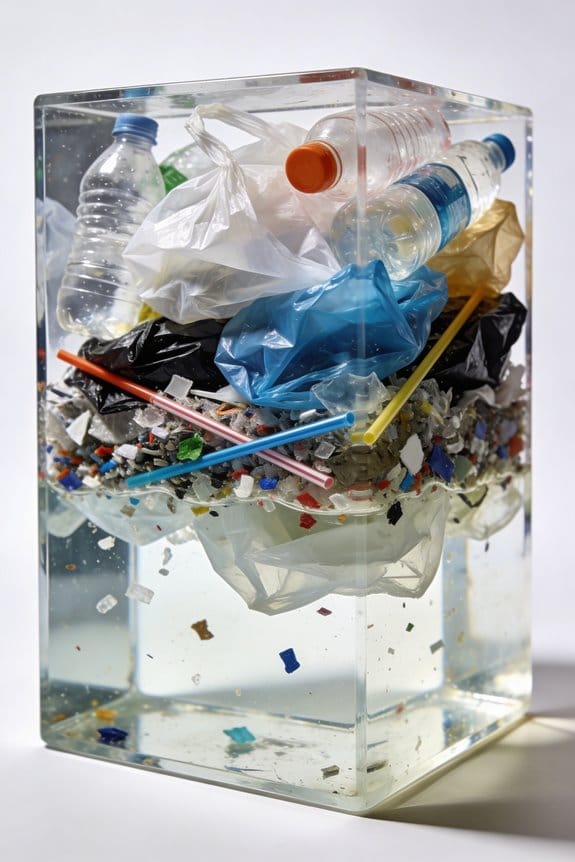
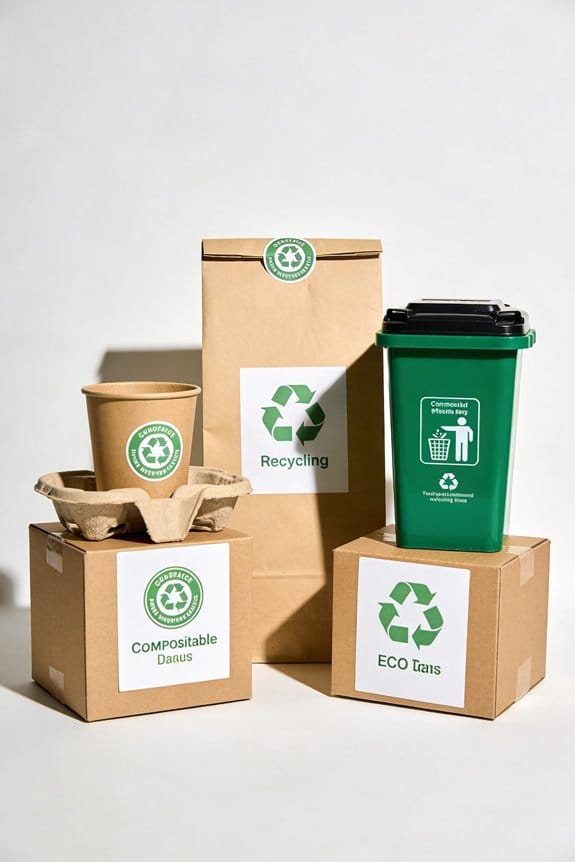

To spot greenwashing in disposal claims, we should check product labels carefully. We need to confirm if recycling options really exist in our area. Terms like “eco-friendly” can be vague, so we must look for certifications. For instance, if a product claims to be made from recycled materials, we should know exactly what materials are used. Understanding these details helps us make better choices. If you stick with us, we’ll offer more tips on recognizing misleading claims!
Key Takeaways
- Verify whether disposal claims specify if they apply to the product, packaging, or both to avoid ambiguity.
- Check if the product’s recyclability is supported by access for at least 60% of the population to a recycling facility.
- Look for third-party certifications, such as USDA Organic, which provide credible standards for sustainable practices.
- Scrutinize vague terms like “eco-friendly” and “natural,” as they often lack concrete definitions and can be misleading.
- Research brands’ waste management practices and inquire directly about their disposal and recycling claims for transparency.
Understanding Greenwashing: Importance and Impacts
Have you ever looked at a product labeled “biodegradable” and felt a little lighter in your shopping choices? It’s a great feeling, but there’s a catch you should be aware of—greenwashing. Companies often use this term to make products seem more eco-friendly than they really are. The truth is, biodegradables may need specific conditions to break down properly. If they’re not disposed of right, they could do more harm than good.
So, what about the guidelines from the Federal Trade Commission (FTC)? They’re there to keep checks on these claims, but some companies still play fast and loose with their language. They might use vague terms that leave you guessing about what they really mean. This is why recognizing greenwashing is so crucial—it gives you the power to make informed choices and hold these companies accountable.
Here are some quick tips to help you navigate this tricky landscape:
- Always check for certifications. Look for reliable labels that back up environmental claims.
- Research the product’s disposal requirements. Understand what happens after you throw it away.
- Be cautious with vague claims. If something sounds too good to be true, it often is.
Keep in mind that certifications like BPI and ASTM D6400 ensure that bags are truly compostable under the proper conditions.
Common Greenwashing Terms in Waste Disposal Claims
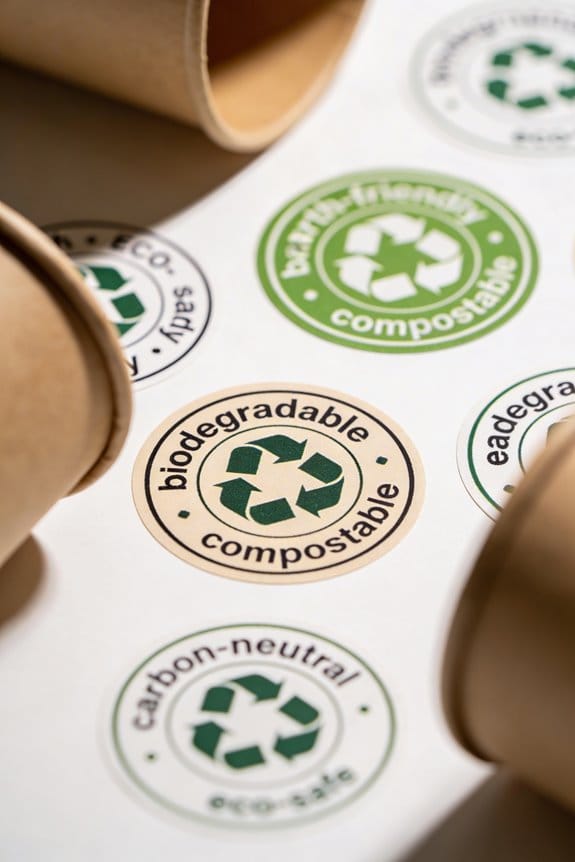
Have you ever picked up a product labeled as “eco-friendly” and wondered if it really is? It’s frustrating when companies throw around terms like “biodegradable” or “compostable” without explaining what they mean. The truth is, many of these items need specific conditions to break down, which most landfills just can’t provide.
Now, when you see “recyclable,” don’t be too quick to assume it’ll actually be recycled. The FTC Green Guides say companies can use that term if 60% of folks have access to recycling, regardless of whether it really happens. So, just because something says it’s recyclable doesn’t guarantee it’ll end up in a recycling bin.
Then there’s the term “eco-friendly,” which honestly can be pretty vague. With no standard definition, you’re left wondering what it truly means. And be careful with claims like “made from recycled materials.” Without context, it can leave you scratching your head about what type of recycled content is actually in there.
So, how can you navigate these tricky labels? Here’s the trick: Dig a little deeper and look for certifications or specific details about the materials used. Don’t hesitate to research brands that are transparent about their eco practices.
In the end, it’s all about being informed. Keep your eyes open for misleading claims and take a moment to learn what those labels really mean. What small changes can you make in your choices to support truly sustainable products? For instance, choosing products with recognized compostability certifications can help ensure they break down properly in industrial composting settings.
How to Spot Greenwashing in Your Products?
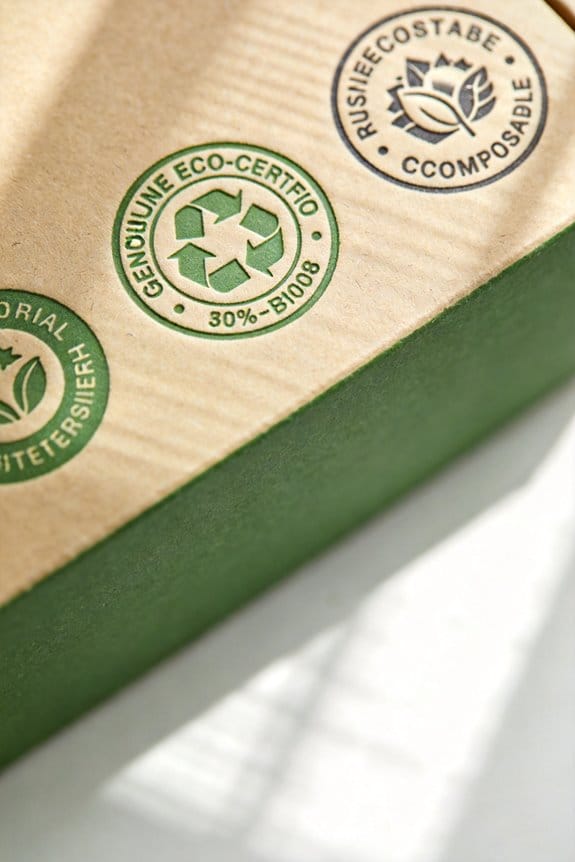
How can you tell if a product is truly eco-friendly or if a company is just putting on a show? It can feel like detective work sometimes, but it’s more than worth your time. You might come across terms like “biodegradable” or “recyclable” that sound great, but they can also be a bit misleading. For example, not all biodegradable plastics break down as you might expect in a landfill.
Checking for credible third-party certifications, such as USDA Organic, can be a good starting point. These certifications often mean that the product has been vetted by experts. It’s also worth digging into vague claims about “recycled content.” You should know the source of those materials and what percentage is genuinely recycled.
Ever seen products labeled “eco-friendly”? They often come without solid definitions. So, it’s a smart move to look into the actual practices of the manufacturer. Frankly, the Federal Trade Commission (FTC) expects companies to be clear about their green claims, and they must back them up with proof of how the items are handled once discarded.
The trick here is to be an informed consumer. You have the right to know what you’re buying and how it affects the environment. So, what steps will you take to ensure that you’re making responsible choices? One important aspect is to verify if the product carries certifications like BPI or ASTM D6400, which indicate verified compostability standards.
Evaluating Disposal and Recycling Claims Before Certification
How can you really trust a product’s disposal and recycling claims? It’s vital to dig deeper and ensure those claims specify whether it’s just the product, the packaging, or both that are recyclable. Ambiguity can easily mislead, and nobody wants that. According to the FTC’s Green Guides, it’s a good idea to confirm that at least 60% of the population has access to recycling facilities before believing these claims.
Be careful when you see terms like “biodegradable” or “compostable.” They can be pretty vague and often don’t have clear rules to follow. Maybe you think it’s enough to toss something in a compost pile, but is it really going to break down in your backyard?
Look into third-party certifications that back up these recycling claims. Self-issued labels can be misleading and might not meet solid standards. It can be really helpful if manufacturers can provide documented proof of their claims, like collection records, processing receipts, or even something showing where the product goes after you toss it.
For example, many compostable products carry BPI certifications which ensure they can effectively compost under appropriate conditions.
The Role of Certifications in Waste Claims
When it comes to making eco-friendly choices, certifications can really help you cut through the noise of marketing hype. Products claiming to be eco-conscious often parade around with labels that sound great. But how do you know which ones are the real deal? Credible certifications like USDA Organic and Fair Trade USA set clear standards for sustainability. They help you figure out which products labeled as recyclable genuinely meet environmental criteria.
That said, not everything that glitters is gold. Some brands might boast about lesser-known certifications that don’t hold up to scrutiny. You might be left with a false impression of just how eco-friendly those products really are. And let’s talk about “biodegradable” labels. Many items use that term without any genuine certification backing it up, which can lead to a lot of confusion about how to dispose of them properly.
Here’s the trick: when you’re shopping, rely on third-party certifications for your waste disposal claims. It’s a great way to boost your confidence in what you’re buying. But don’t just take them at face value—be sure to investigate the integrity of those certifications before you commit to a purchase. So, why does this matter? Because every eco-friendly choice counts, and knowing what’s legit can make a difference for our planet. For example, certifications like ASTM D6400 ensure that compostable bags will break down within a specific timeframe under proper conditions.
Why Transparent Waste Management Matters
Why Transparent Waste Management Matters
Ever thought about how your trash habits affect the environment? It’s easy to overlook, but transparent waste management is super important for making smart choices about what we toss in the recycling bin. Misleading claims about what can and can’t be recycled can really throw us off. When we’re unsure about what to recycle, all those precious materials might just end up in a landfill instead.
This isn’t just bad for the planet; it also messes with our efforts to go green. So, what can you do? Start looking for certification and clear labels on products. They’re like a badge of honor that show everything’s being disposed of responsibly. Trust me, knowing the truth about disposal makes a big difference.
Frankly, companies that make inaccurate claims might be in for serious trouble, including fines. So, why does this matter? By expecting transparency from brands, you can hold them accountable. Plus, you’re playing a part in nurturing a healthier planet for everyone.
Here’s a tip: Look out for established green certifications or labels on products you buy.
The best part is, every little action counts. When you know what you can recycle, your choices truly matter. What’s one small change you can make today to ensure your waste management is effective? Remember also to choose products packaged in 100% post-consumer recycled plastic to reduce your environmental impact.
How Nature-Based Imagery Misleads Consumers
Ever noticed how many products seem to shout “I’m eco-friendly!” with their pretty nature-inspired designs? With vibrant greens and leafy patterns popping out at you, it’s easy to get lulled into thinking they’re good for the planet. Honestly, these images can be pretty misleading. Companies love to slap on beautiful visuals to suggest their stuff is environmentally friendly when, in reality, it might not be at all.
When was the last time you actually checked the label on something that looked “natural”? The emotional pull of a tranquil forest or serene beach can easily sidetrack us from noticing the fine print. It’s concerning how many of these seemingly wholesome products still contribute to pollution and resource depletion.
So, why does this matter? Well, by focusing on eye-catching imagery, brands can divert our attention away from their shaky sustainability claims. This is a classic example of greenwashing, and it’s crucial to stay aware.
Here’s the trick: always question those pretty visuals and dig deeper before you trust a product’s environmental promise. Look for certifications or credible information that back up their claims. For example, choosing products that use eco-friendly packaging helps ensure a lower environmental impact beyond just appearances.
Remembering this can help you make smarter, more informed choices. Next time you’re shopping, take a moment to pause and think: Does this product really live up to its beautiful packaging? You deserve better than surface-level promises!
Combatting Greenwashing: Consumer Actions
How can you really stand up against greenwashing and make better choices at the store? Start by taking a close look at the disposal claims on the products you purchase. Instead of getting swayed by buzzwords like “eco-friendly” or “biodegradable,” dig for specific details that explain how the product is actually good for the planet.
Have you ever thought about reaching out to companies about their marketing claims? Engagement can be a powerful tool. By asking questions directly, you’re holding brands accountable for what they say.
Researching third-party certifications is another smart move. These can help you spot genuinely green products among all the misleading claims. And don’t underestimate the power of social media! Use it to call out those brands that aren’t being truthful, allowing your voice as a consumer to be heard far and wide.
Feeling a little overwhelmed? Here’s the trick: support companies that can prove their recycling practices. Look for brands that are transparent about their processes, as that can really make a difference.
Also, consider choosing products made from BPA-free materials, which promote safer and more sustainable food storage options.
How to Choose Wisely and Drive Real Sustainability
Have you ever felt overwhelmed while trying to make eco-friendly choices when shopping? You’re not alone! It can be tricky to navigate through all the labels and buzzwords meant to grab our attention. But here’s the deal: when we pay a little more attention to what we buy, we can seriously impact sustainability.
Take a close look at items that claim to be “recyclable” or “biodegradable.” Just because a product boasts those labels doesn’t mean it’s actually good for the environment. Check for certifications that back up their claims. Do those packages clearly explain how and where to recycle them? This kind of information should be straightforward, but often it’s buried or missing entirely.
Ever wonder how some brands can label their products “natural” or “eco-friendly”? Truth is, these terms can sometimes be misleading, so don’t take them at face value. Consult sustainability reports from companies to get a clearer picture of their actual practices. Are they really practicing what they preach?
Here’s a practical tip: don’t hesitate to reach out to brands directly. Ask them about their waste management practices. By doing this, not only do you get the information you need, but you also hold companies accountable for their claims. Together, every informed choice we make can chip away at greenwashing and promote true sustainability.
In short, being smart about what you buy matters. So the next time you’re shopping, remember to do a bit of research and ask yourself: is this product genuinely sustainable or just another marketing trick? The choices you make can help protect our planet. Always look for BPI certification as a reliable indicator that a product meets compostability and environmental standards.
Frequently Asked Questions
How Can You Identify Greenwashing?
We can identify greenwashing by scrutinizing sustainability standards, demanding corporate transparency, and enhancing consumer awareness. By questioning vague claims and researching certifications, we empower ourselves to make informed decisions and support genuinely responsible brands.
What Is a Key Indicator of Greenwashing?
In a sea of green claims, we often find sustainability promises that shine bright but dim upon closer inspection. One key indicator of greenwashing lies in misleading marketing tactics that obfuscate true environmental impact.
How Can Greenwashing Tactics Be Identified?
We can identify greenwashing tactics by scrutinizing marketing tactics that use vague green labels. Building consumer awareness helps us demand transparency and verify claims, ensuring we support genuinely sustainable products rather than misleading marketing.
What Are the 7 Sins of Greenwashing?
The seven sins of greenwashing include hidden trade-offs, lack of proof, vagueness, irrelevance, lesser of two evils, false labels, and misleading imagery. We need consumer awareness for ethical branding and sustainable marketing to combat these tactics.