

Recycling old fishing nets is a smart way to tackle ocean pollution. Discarded nets make up about 10% of ocean trash, and recycling them reduces carbon emissions by up to 98% compared to making new nylon. Companies like Fil & Fab process 100 tons of nets yearly, turning them into eco-friendly products, like trendy sunglasses. By joining local recycling efforts, we can all help clean our oceans and contribute to a sustainable future. Let’s explore how this process works!
Key Takeaways
- Recycling fishing nets can reduce CO2 emissions by 97-98% compared to producing new nylon, promoting environmental sustainability.
- Recycled nets are transformed into eco-friendly products like Econyl and Nylo®, used in fashion items such as watches and glasses.
- Current initiatives, like Amu Inc.’s goal to recycle 1,000 tons by 2028, demonstrate a commitment to sustainable practices.
- Local recycling programs engage communities in reducing ocean pollution and protecting marine life from harmful debris.
- Celebrating community-driven sustainability successes encourages collective action towards improving ocean health and promotes further recycling efforts.
The Importance of Recycling Fishing Nets
When you think about plastic pollution, do discarded fishing nets cross your mind? They actually make up around 10% of the trash found in our oceans, which is pretty concerning. Most fishing nets don’t last long—often just a year. As they break down, they contribute significantly to ocean pollution.
So, what’s the deal with recycling these nets? Currently, only about 15-20% of new nylon fishing nets are recycled, which leaves a huge gap for improvement. In places like the UK, recycling gill nets is particularly tricky. That’s why initiatives like the Dorset harbour recycling bins are so important. They give fishermen straightforward options for dealing with their old nets responsibly.
You might wonder how recycling these nets can make a difference. By turning them into high-quality recycled nylon products, we can dramatically cut down on CO2 emissions—by as much as 97-98% compared to creating new nylon! It’s a simple way to support the environment while pushing for a more sustainable fishing industry.
Like biodegradable dog poop bags help reduce plastic waste by using plant-based materials, recycled nylon fishing nets similarly reduce environmental impact.
As you consider how to deal with fishing nets, think about how you can take part in this change. Every little effort counts! So, how are you supporting recycling efforts in your community?
Successful Fishing Net Recycling Initiatives
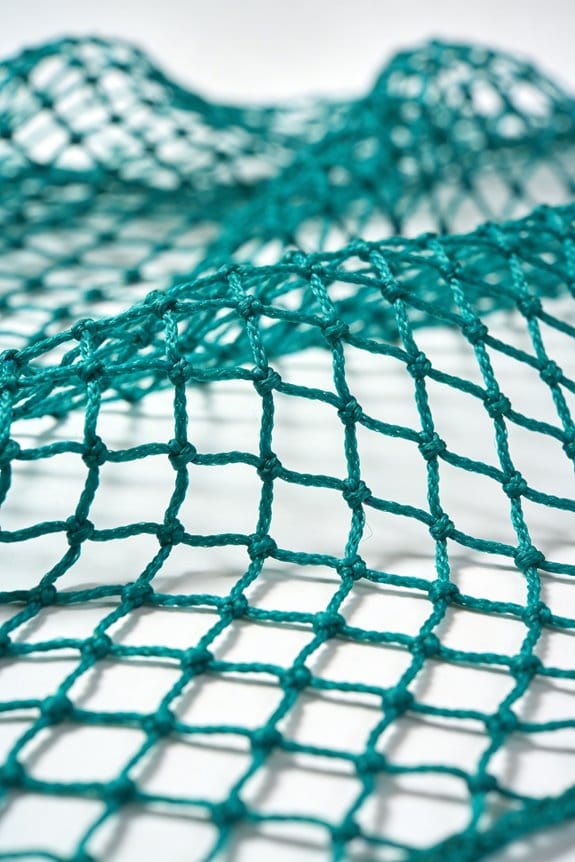
As plastic waste continues to pile up, it’s clear that fishing net recycling initiatives are stepping up. If you’re in Dorset, you might have noticed those bright bins for nylon gill nets. Since May 2023, over one tonne of fishing gear has been recycled here, which is a big stride in cutting down those pesky illegal disposal habits. Have you ever thought about what happens to discarded fishing gear?
Amu Inc., a company with a solid mission, recently managed to recover 100 tons of old nets. They’ve set some ambitious goals, hoping to hit 1,000 tons by 2028. It’s inspiring to see such dedication. On a large scale, Fil & Fab has created a collection system that processes up to 100 tonnes of fishing nets each year. They’re teaming up with more than 200 fishermen across 40 different harbours. That means more nets off the water and fewer heading to landfills.
Here’s a thought: what if we could tackle the issue even further? Fishy Filaments Ltd is aiming high with plans to roll out over 4,000 recycling units worldwide. They’re looking to handle more than 200,000 tonnes of old nets and, in doing so, save about 2 million tonnes of CO2 emissions every year. That’s huge!
Moreover, recycling old fishing nets helps reduce demand for virgin nylon, supporting the circular economy by reusing post-consumer recycled materials.
So, why does this matter? These initiatives aren’t just about recycling; they’re part of a bigger effort to keep our oceans cleaner and reduce our carbon footprint.
In short, fishing net recycling is gaining traction and making a real difference. As you think about ways to lessen your impact on the environment, consider supporting these efforts. What small steps can you take today to contribute?
What Happens to Discarded Fishing Nets and Why It Matters?
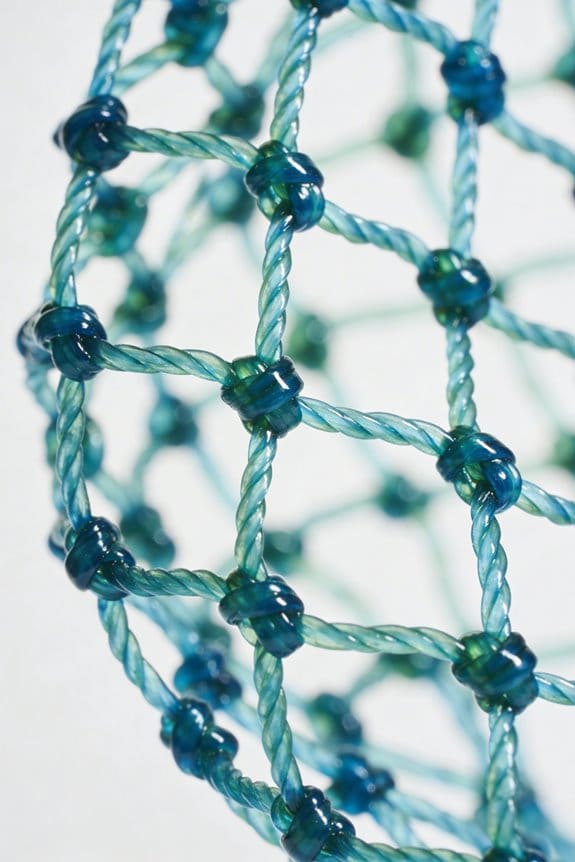
Have you ever thought about what happens to those fishing nets when they’re tossed aside? It’s easy to overlook, but discarded fishing nets are a serious issue for our oceans. They account for around 10% of plastic marine debris, and that adds up to big trouble for marine ecosystems and wildlife. Sadly, most fishing nets only stick around for about a year before they’re thrown away—and many don’t end up recycled. Instead, they often get sent to landfills or incinerated, which harms our environment.
Take gill nets in the UK, for example. These are especially hard to recycle, leading some people to resort to illegal dumping. Ever wondered why that matters? First, it damages habitats and puts animals at risk. But there’s a silver lining. Dedicated recycling initiatives, like those found at harbors in Dorset, have stepped up to help. Since May, they’ve saved over a ton of fishing gear from ending up in landfills.
Want to fight back against this problem? Support programs like Amu Inc. They’ve made impressive progress, recovering over 100 tons of discarded nets, with a goal of reaching 1,000 tons by 2028. The best part is that these efforts can really improve the health of our oceans. Additionally, adopting eco-friendly materials such as compostable alternatives can further reduce environmental impact associated with marine debris.
How Recycling Fishing Nets Benefits the Environment
Have you ever thought about how much discarded fishing gear ends up in our oceans? It’s surprising, but those old fishing nets account for about 10% of all plastic marine debris. By recycling fishing nets, you’re taking a step to protect our marine life while also tackling this significant waste issue.
When we prioritize recycling these nets, we’re not just cleaning up; we’re also supporting sustainable practices. Here’s the trick: recycled fishing nets can be transformed into eco-friendly products like Econyl, which can be reused over and over. This approach encourages a circular economy that reduces our need for brand-new materials. Plus, by putting up dedicated recycling bins for fishing gear, communities have successfully reclaimed over a ton of this waste. That shows what we can achieve when we work together.
You might wonder why this matters. Unlike regular plastic waste, fishing nets can entangle marine animals and damage fragile ecosystems. Honestly, cleaning this up is essential for keeping our oceans healthy. You can make an impact simply by learning where to drop off your old nets or by spreading the word in your fishing community. Using biodegradable materials in products helps to further reduce environmental harm when recycled materials are incorporated.
How Recycled Nylon Is Made From Old Fishing Gear
Ever wondered what happens to old fishing gear? It turns out, discarded fishing nets, mostly made of nylon, can get a second life! The journey starts with collecting those used nets from harbors. After gathering them, the nets are sorted and cleaned to get rid of debris and any contaminants.
Next up is a shredding process where the nets are chopped into small pieces. Those tiny bits are then transformed into threads or nylon pellets. Believe it or not, some companies, like Amu Inc., have already reclaimed over 100 tons of fishing gear, aiming to gather 1,000 tons by 2028! It’s impressive, right?
But why does this matter? Not only does this recycling effort help reduce ocean pollution, but it also embraces a circular economy. The added bonus is that recycled nylon has a lot of versatility. This means it can be turned into sustainable clothing and accessories, making it a win-win for both you and the planet. Products made from recycled materials often feature hypoallergenic properties, which further contributes to sustainability and user safety.
Innovations in Upcycling Fishing Nets Into Fashion and Products
Turning fishing nets into fashion and useful products is an exciting area of innovation. Have you ever thought about where those fishing nets end up after they’ve served their time? Companies like Amu Inc. are taking action by recovering tons of discarded nets—so far, they’ve snagged around 100 tons, with a goal of hitting 1,000 tons by 2028. This isn’t just a one-off project—it’s part of a larger trend in upcycling, and it’s gaining traction.
Brands like Fil & Fab are getting in on this too. They transform old fishing nets into something called Nylo®, a nylon powder material. This means those nets are not just waste; they can be made into stylish items like watches and glasses. Every year, they’re coming up with new designs that show upcycled materials can be trendy as well as eco-friendly.
And let’s talk about environmental impact for a second. The MARINYLON® initiative is making strides by promoting a circular economy, which actually cuts CO2 emissions by 28.6% during yarn production. That’s pretty impressive, right? You might wonder, how does this affect you? Well, supporting such brands means you’re contributing to a cleaner planet and better practices in the fashion industry.
Frankly, what’s even cooler is the innovation happening around recycling units. Fishy Filaments Ltd has scalable units that can process around 50 tons of fishing nets every year, making a meaningful impact. It’s amazing to think about the possibilities when waste is recast into something valuable.
So, what does all this mean for you? Consider stepping into the upcycled fashion scene. It’s not just about looking good; it’s about making smarter choices for our planet. Using materials certified with compostability certifications also ensures that the products contribute positively to environmental sustainability.
The bottom line? Upcycling fishing nets is not just creative; it’s a real step toward sustainability in the fashion industry. How will you incorporate eco-friendly fashion into your life?
Recommended Products

Carbon composite construction is lightweight, durable and rides high in the water

Frabill | Trusted By Anglers Since 1938

Frabill | Trusted By Anglers Since 1938
Overcoming Common Barriers in Fishing Net Recycling Solutions
Did you know that fishing nets make up about 10% of all the trash in our oceans? It’s a pretty shocking stat, and it raises a tough question: what can we do about it? Recycling fishing nets is tricky because there aren’t many ways to do it—only around 15-20% of nylon nets get recycled worldwide. In the UK, gill nets present a particularly tough challenge because of their mixed materials.
Here’s the good news: places like Dorset are proving that we can create effective recycling systems. They’re focusing on local solutions that tackle the specific waste challenges they face. You might be interested to hear about companies like Fishy Filaments Ltd. They’re working on converting old fishing nets into high-quality raw materials. This isn’t just recycling; it can cut CO2 emissions by up to 98% compared to making new nylon.
Now, you’re probably wondering what you can do to help tackle this issue. Well, supporting local recycling initiatives or even advocating for better systems can make a difference. For those looking to reduce waste at home, small compost bins with odor control features can complement your eco-friendly efforts by minimizing food waste. The best part is that you get to be part of the solution, and it feels great to know you’re contributing to a healthier planet.
Engaging Communities in Fishing Net Recycling Efforts
Isn’t it frustrating to see trash piling up on beaches? It makes you wonder what can be done about all that marine debris. Engaging our communities is key if we want to tackle fishing net recycling effectively. In Poole, local fishermen are already on board, using dedicated recycling bins for their gill nets. It’s a step in the right direction.
Here’s the trick: community efforts led by volunteers, like those from Dave Taylor, focus on education and responsible net disposal. This change not only helps keep our oceans cleaner but also reduces marine debris. So, why does this matter? Because every small action can add up to a big difference in keeping our waters healthy.
When positive reactions pop up on social media, they create more awareness and spark interest in sustainability. Initiatives like borrowing and returning beach toys are great examples of fostering responsibility among community members. Plus, the success in Poole Harbour has even led to plans for expanding recycling facilities. This shows a growing commitment to improving sustainability within the local fishing scene.
Truth is, you don’t have to be a fisherman to get involved. Whether it’s spreading the word or participating in local clean-up events, there are many ways to make an impact. Using recycled materials like post-consumer recycled plastic in products supports a circular economy and reduces environmental footprint. Let’s keep pushing for better recycling methods together. What steps will you take to contribute to a cleaner ocean?
Benefits of Recycled Nylon in Manufacturing
You ever wonder where all those old fishing nets go? Chances are they end up in landfills, contributing to our growing plastic waste problem. But there’s a better path—recycled nylon. This material brings some serious environmental perks that can make a difference in our everyday lives.
First up, when we make recycled nylon from discarded fishing nets, it slashes CO2 emissions by a whopping 97-98% compared to creating new nylon from scratch. That’s a huge win for our planet. Plus, this process helps divert around 200,000 tonnes of plastic waste from ending up in landfills each year. That’s like taking a giant step towards cleaning up our oceans and reducing waste.
If you’re keen on sustainable fashion, recycled nylon should definitely be on your radar. It’s fantastic for clothing and accessories and supports the idea of the circular economy. What’s even better? Recycled nylon comes with certification from the Global Recycling Standard (GRS), ensuring it meets tough sustainability criteria.
Here’s the trick: by choosing products made from recycled nylon, you’re not just reducing the need for new raw materials, you’re also minimizing the impacts of resource extraction. This means we can manufacture responsibly while keeping our planet in mind.
So, why does this matter? Because every little choice adds up. By opting for recycled nylon, you’re helping to foster a more sustainable future. In fact, many eco-friendly products, including reusable lunch bags, embrace BPA-free and recycled fabrics to minimize environmental impact.
In short, recycled nylon is more than just a buzzword—it’s a proactive way to support the planet. Have you considered what materials are in your closet?
Recommended Products

FUNCTIONAL DESIGN - The Terra bag is designed with multiple compartments, including a main zippered compartment, a cooler compartment, an exterior slip pocket, a zipper pocket, and two water bottle pockets. It also features adjustable backpack straps that can extend up to 28.5 inches and tote handles that measure 24.5 inches. The interior of the bag includes a zipper pocket, two mesh pockets, and two slip pockets, which can be used to store small items.

The classic from reisenthel is unique in form and function: The spacious shopping basket creates plenty of storage space for purchases and fits both in the shopping cart and in the car

16L size is tall enough to fit upright wine bottles, and big enough for a picnic or grocery shopping
The Future of Fishing Nets: A Circular Economy Approach
Have you ever wondered what happens to all those old fishing nets? They often end up tossed in our oceans, causing serious trouble for marine life and ecosystems. Did you know that about 10% of plastic found in the sea comes from discarded fishing gear? It’s a real issue that we can’t ignore, and we need smart solutions that push for a circular economy.
Companies like Amu Inc. and Fil & Fab are stepping up to tackle this problem. They’re setting a bold goal to recycle 1,000 tons of fishing nets by 2028, turning them into nylon pellets that can be used for clothing. Meanwhile, Fishy Filaments Ltd has plans to roll out over 4,000 recycling units worldwide! They’re expecting to process over 200,000 tons each year, which is quite impressive.
The best part is that this effort doesn’t just cut down on waste; it also helps local fishing communities. By transforming old nets into valuable materials, we can support sustainable manufacturing while reducing our need for new resources.
So, why does this matter? It’s not just about cleaning up our oceans; it’s about creating a model that benefits everyone involved. When we recycle fishing nets, we’re helping to foster a better environment and a sustainable future.
Honestly, it’s a win-win situation, and we all have a part to play. Just think about how you can support these initiatives in your own community. Interested in making a change? It’s time to consider how your choices can make a difference.
Using biodegradable materials in related industries further enhances environmental benefits by reducing pollution from conventional plastics.
Frequently Asked Questions
What Types of Fishing Nets Are Suitable for Recycling?
We believe net types like monofilament, multifilament, and even discarded trawl nets can be recycled effectively. Together, we can reduce waste and contribute to sustainable practices by choosing the right fishing nets for recycling initiatives.
How Can Individuals Participate in Fishing Net Recycling Efforts?
We can participate in fishing net recycling efforts by organizing community clean-up events, spreading awareness about the importance of recycling, and collaborating with local organizations to guarantee effective collection and processing of discarded fishing nets.
Are There Any Certifications for Recycled Nylon Products?
Yes, there are certifications for recycled nylon products, ensuring they meet sustainability standards. We should look for labels like Global Recycled Standard or OEKO-TEX® that guarantee environmental responsibility in the materials we choose.
How Does Recycled Nylon Compare to Virgin Nylon in Quality?
While virgin nylon boasts pristine qualities, recycled nylon increasingly matches or even rivals it in durability and strength. In our quality comparison, we find that recycled options can perform exceptionally well, proving sustainability doesn’t compromise excellence.
What Are the Economic Impacts on Fishing Communities From Recycling Initiatives?
Recycling initiatives can lead to economic revitalization for fishing communities. By creating new jobs and markets, we’re empowering local economies while reducing waste, ultimately fostering a sustainable balance that benefits both people and the environment.