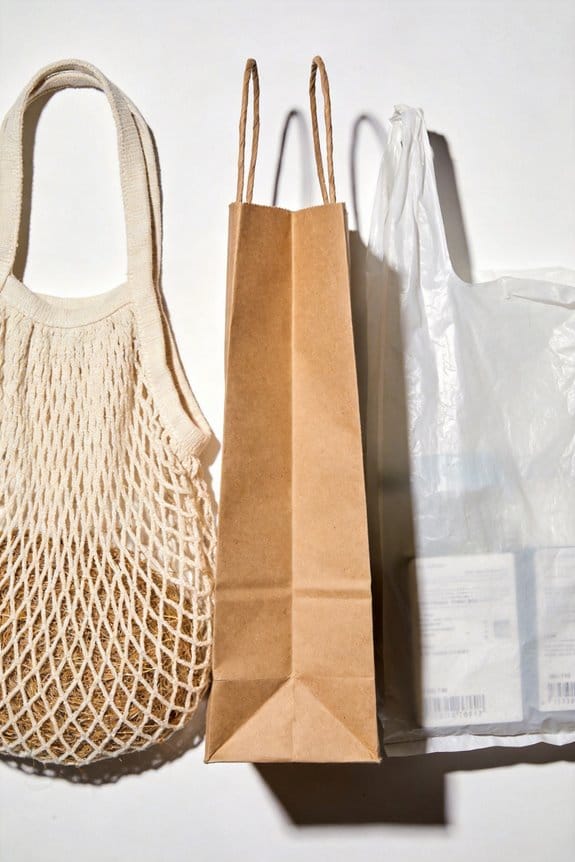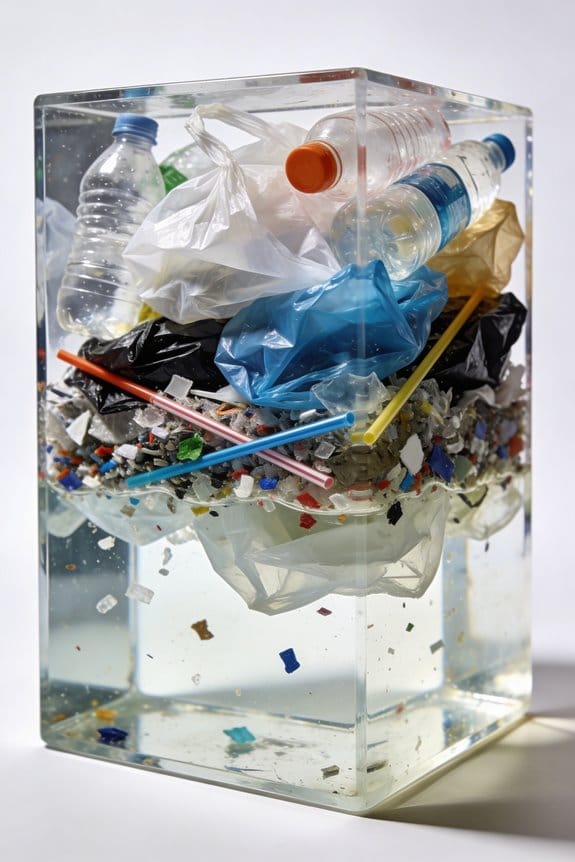
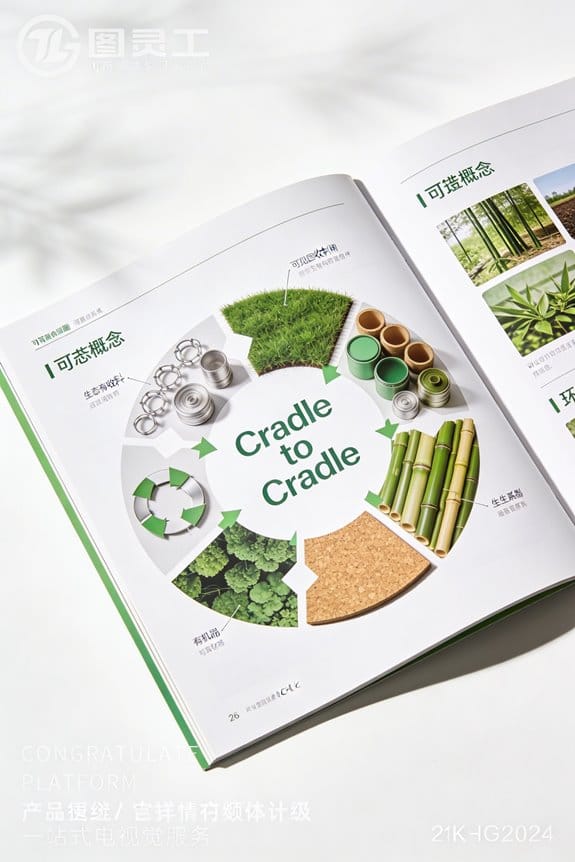

The “Cradle-to-Cradle” design philosophy encourages us to create products that we can keep using forever, either through recycling or upcycling. It prioritizes environmental health and social fairness, meaning we care for both the planet and people. We focus on two types of nutrients: biological, which enrich ecosystems, and technical, which can be recycled. By adopting this design, businesses can save money and enhance their reputation. There’s more to uncover about how this approach shapes our future!
Key Takeaways
- Cradle-to-Cradle (C2C) design prioritizes the continuous reuse of materials, promoting recycling and upcycling to minimize waste.
- It evaluates products based on material health, environmental impacts, and social fairness across five certification categories.
- C2C supports a circular economy, driving innovation and reducing operational costs for businesses while enhancing brand reputation.
- Challenges of C2C design include sourcing certified materials and technological hurdles, which can be met through collaboration and research.
- Sustainable practices inspired by C2C, like using durable products, contribute to a healthier planet for future generations.
How Does the Cradle-to-Cradle Design Philosophy Work?
Have you ever looked around your home and wondered how much waste we create? It’s a staggering amount, and that’s where the Cradle-to-Cradle design philosophy steps in. This approach is all about reusing materials to cut down on waste, making it possible for products to have a life cycle where materials can be recycled or upcycled forever.
When products meet the Cradle to Cradle Certified criteria, they’re designed to prioritize material health, promote recycling, and rely on renewable energy. The certification program evaluates a product’s environmental impact across five categories, including the social fairness component, which goes beyond just the planet and looks at how products affect communities too.
Thinking this way can change everything. You might find that companies that embrace this innovative design approach create products that serve both you and the environment. For example, check out the Ford River Rouge Complex. This project not only showcased how to save costs but also highlighted the benefits of sustainable practices.
So, why does this matter? When we shift our thinking toward sustainability, we start to realize that it’s not just good for the world; it can also mean practical benefits for us. The best part is, there are plenty of everyday products and materials out there that follow this philosophy. For instance, many items now use biodegradable bamboo handles, which significantly reduce plastic waste and environmental impact.
In a nutshell, adopting the Cradle-to-Cradle mindset can help make a real difference. Why not take a look at what you use every day and see how you can make more sustainable choices? It could lead to a healthier planet for all of us.
Key Components: Biological and Technical Nutrients

Have you ever thought about how the products you buy impact the environment? It’s a big deal, and understanding the Cradle to Cradle design philosophy can really open your eyes to a more sustainable way of living. When we talk about making products that are both practical and eco-friendly, it’s all about two main types of nutrients: biological and technical.
Biological nutrients are pretty cool since they’re made from organic materials that break down naturally. This means they can actually help enrich the soil and support healthy ecosystems. Imagine throwing your food waste into the compost and knowing it’s going to feed the ground instead of clogging up a landfill. Isn’t that a better alternative?
On the flip side, you’ve got technical nutrients, which include metals and synthetic materials. These aren’t destined for the compost bin; they’re designed to be recycled and have a longer life cycle. The best part is that this approach cuts down on resource use and minimizes waste.
Here’s the trick: by creating a system that keeps both types of nutrients in mind, we can avoid harmful waste and ensure that materials are of high quality throughout their entire lifecycle. So, you might be wondering—why does this matter? Well, it’s all about fostering a regenerative economy that values both responsible consumption and protecting the environment.
To sum it up, managing these nutrients carefully leads to a world where products are sustainable and can give back to the planet. Incorporating biodegradable materials into everyday products is one practical way to support this philosophy.
How can you incorporate this mindset into your daily choices? It’s a small change that can lead to a big difference!
Recommended Products

♻️ Electric composters transform food scraps and kitchen waste into powder by drying it out and grinding it up. Our electric compost machine helps reduce food waste by up to 90%. You can use this powder as fertilizer for your plants or throw it away to reduce the volume and odor of your trash.

CERTIFIED COMPOSTABLE: These EcoSafe compostable trash bags/ garbage bin liners are BPI certified compostable and CMA approved for food waste disposal (BPI Cert #890992).

♻【What Is Included】 The cutlery set includes 1800 pieces 3.54" (9cm) bamboo spoons containing no harmful chemicals, plastic-free, food-grade, splinter free. Enough quantity to meet your daily use and party needs; You can share them with your family members. Small size is also suitable for you to carry out. Perfect for on-the-go meals. Our compostable utensils disposable will also ensure you have a quick and easy clean up.
Key Benefits of Cradle-to-Cradle Adoption for Businesses and the Environment
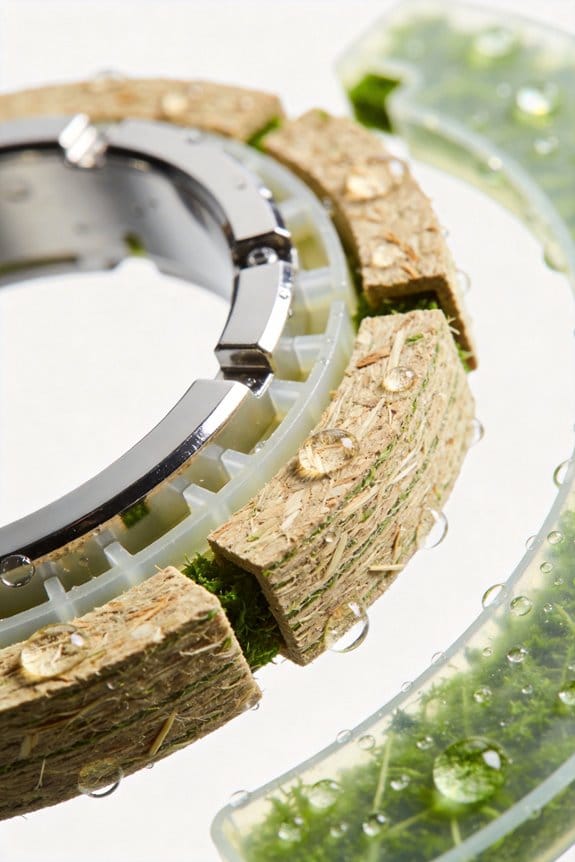
Looking for ways to make your business more sustainable? Trying out the Cradle-to-Cradle (C2C) design philosophy might just be the right move. It’s a smart way to reduce waste and promote a circular economy, ensuring materials are constantly recycled and repurposed.
Here’s the trick: C2C-certification drives innovation. You get to improve your products through better Life Cycle Assessments (LCA). Think about it—Ford’s River Rouge Complex managed to save $30 million in treatment costs just by switching to sustainable design. That’s some serious cash in your pocket! Plus, it boosts your brand reputation and meets the growing demand for eco-friendly products.
Why does this matter? Embracing the C2C design philosophy helps create a healthier economic loop while cutting down on your overall environmental impact.
The best part is that you’re not just making a profit; you’re making a positive difference. Try looking into some C2C certification options available for your business. It could lead to substantial savings and help you stand out in a crowded market.
In short, going C2C can really benefit both your business and the planet. Are you ready to take that step? Using durable materials in product design also helps maximize sustainability by reducing waste and extending lifecycle.
Recommended Products

Hybrid Construction: Experience the best of both worlds with this hybrid king size mattress, Triple-Stranded Pocketed Coil Technology + Specialty Foams for individualized support and motion separation with a contouring feel

Pressure Relief: This bed mattress hybrid is expertly designed to deliver uninterrupted pressure relief with our ContourFit Design, a patented Hybrid construction that seamlessly nestles your body into our cradling FORM HD Material night after night

ENHANCED COOLING: Treat yourself with our most advanced cooling feature. This phase change fabric optimizes your sleep temperature from the minute you lie down providing you with all-night cooling comfort.
What Challenges Come With Cradle-To-Cradle Design?
Cradle-to-Cradle design can feel daunting at times, but don’t let that scare you off! Transitioning to this eco-friendly model comes with its own set of bumps in the road. One big challenge is finding materials that are certified and meet the required design principles—plus, they need to be recyclable or reusable. That can get pricey, especially for smaller businesses.
Now, there’s also the headache of coordinating with your supply chain. It’s not just about you; it takes teamwork among designers, manufacturers, and consumers to harmonize goals. Otherwise, recycling efforts can stall out before they really begin. Add to that the tech issues we face with recycling processes, and it’s a whole mess to navigate. So, why does this matter? Because if we can wrestle through these challenges, we can make a positive impact on our environment.
Here are some key points to consider:
- Learn about certified materials and where to source them.
- Communicate openly with everyone in your supply chain to align your goals.
- Stay informed about new recycling technologies and practices.
Honestly, tackling these hurdles requires innovation and collaboration at every step. But remember, that’s the exciting part—transforming challenges into opportunities for sustainability.
To sum it up, the journey towards cradle-to-cradle design is tough but essential. What steps can you take today to contribute to a greener future? One practical approach is to incorporate reusable products into your lifestyle to reduce waste and promote sustainability.
Recommended Products

Dimensions: 72" x 120'

EFFFICIENT PERFORMANCE; This Mini Wood Chipper Shredder Mulcher design has a Reduction Ratio of 15:1, capable of high volume Chipping/Shredding/Mulching via the Large Extended Feeing Chute for upto 3" MAX branches, limbs and debris

Livelumbar technology contours to fit your spine for continuous lower back support
How to Overcome Challenges in Cradle-to-Cradle Design?
Ever felt overwhelmed by the idea of switching to cradle-to-cradle design? You’re not alone. It can seem like a massive mountain to climb, but there are some practical ways to make the journey smoother.
Start by building connections across your supply chain. It’s crucial that everyone—designers, manufacturers, and recyclers—are on the same page. When everyone communicates effectively, it makes the whole process a lot easier.
Next, don’t shy away from investing in research for new recycling technologies. The more we understand, the better materials we can find that really work well with our eco-friendly goals. Think about focusing on modular designs, too. Products that are easier to take apart tend to have longer lifespans and can be recycled more efficiently.
Consider incorporating life-cycle assessments, which allow you to track the environmental impact of your products from start to finish. This is a fantastic way to ensure that sustainability is at the forefront of your design choices.
Honestly, if you want to spark some creativity in your team, think about running some design thinking workshops. These sessions can really get the gears turning and encourage everyone to prioritize sustainability. Plus, they help emphasize the importance of using high-quality, recyclable materials right from the start.
Additionally, choosing materials that meet material safety standards such as BPA-free silicone can significantly reduce environmental impact and promote sustainability throughout the product’s lifecycle.
Recommended Products

Enameled cast iron delivers superior heat distribution and retention

Brilliant AMOLED touchscreen display with traditional button controls; lightweight design in 46 mm size

The Innovative Heated Wearable Breast Pump: Groundbreaking HeatFlow technology prevents clogs and boosts your output by 30%¹. Enjoy high-efficiency pumping with spa-like warmth. Note: 1. Based on actual usage feedback from over 300 eufy pump users.
Cradle-to-Cradle’s Role in Our Sustainable Future
Are you tired of hearing about how we need to be more sustainable, but unsure how to make a real difference? Shifting toward cradle-to-cradle practices might just be the answer you’re looking for. This approach emphasizes the continuous reuse of materials, which can really help cut down on waste and lessen our impact on the environment.
The Cradle to Cradle design philosophy breaks things down into two categories: biological and technical nutrients. Biological nutrients can safely biodegrade, which means they’re safe for the earth when they’re done being used. On the other hand, technical nutrients are designed to be recycled over and over. By adopting these ideas, we open up new avenues for innovation and sustainability in manufacturing.
Think about it: companies like Ford have saved millions by implementing these practices—$30 million in waste treatment costs, to be exact. If that’s not a wake-up call, I don’t know what is! When companies go for Cradle to Cradle certification, they’re encouraged to meet strict sustainability standards across five different quality categories. Honestly, this creates a ripple effect that can inspire more businesses to commit to eco-friendly practices.
So, why does this matter for you? By embracing cradle-to-cradle principles, you’re not only contributing to a healthier planet, but you’re also helping ensure that resources remain available for future generations. It’s a collective effort that can lead to a significant positive impact.
Reusing durable products like stainless steel cups is a practical way individuals can support cradle-to-cradle principles by minimizing single-use waste.
Give it some thought: how can you apply these sustainable principles in your own life or community? The best part is, small changes can lead to big results. Let’s work together to pave the way for a sustainable future!
Frequently Asked Questions
How Is Cradle-To-Cradle Different From Traditional Recycling Methods?
Imagine a garden where every flower nurtures another. Unlike traditional recycling, Cradle-to-Cradle’s closed loop system emphasizes sustainable materials, product redesign, and resource optimization, ensuring waste reduction and minimal environmental impact through lifecycle assessment and energy efficiency.
Can All Products Be Designed Using Cradle-To-Cradle Principles?
Not all products can be designed with cradle-to-cradle principles, but many can. By fostering circular economies, we can enhance product lifespans and environmental impacts, prioritizing sustainable materials, waste reduction, and resource efficiency through innovative design.
What Industries Benefit Most From Cradle-To-Cradle Practices?
We see industries like automotive manufacturing, textile, and electronics thriving with cradle-to-cradle practices. From packaging to furniture, construction materials to consumer goods, agricultural practices to pharmaceuticals, and home appliances, sustainable innovation can benefit everyone.
How Does Cradle-To-Cradle Affect Consumer Choices and Behavior?
Cradle-to-cradle encourages us to embrace sustainable purchasing and ethical consumerism. By prioritizing eco-friendly alternatives and product transparency, we foster conscious brand loyalty, support circular economies, and practice mindful consumption while reducing waste through effective lifecycle assessments.
Are There Certifications for Cradle-To-Cradle Compliant Products?
Yes, there’re certifications for cradle-to-cradle compliant products. These include rigorous certification criteria involving product assessment, lifecycle analysis, and sustainable materials, ensuring industry standards are met, which heightens consumer awareness and marketplace demand for environmentally beneficial innovations.