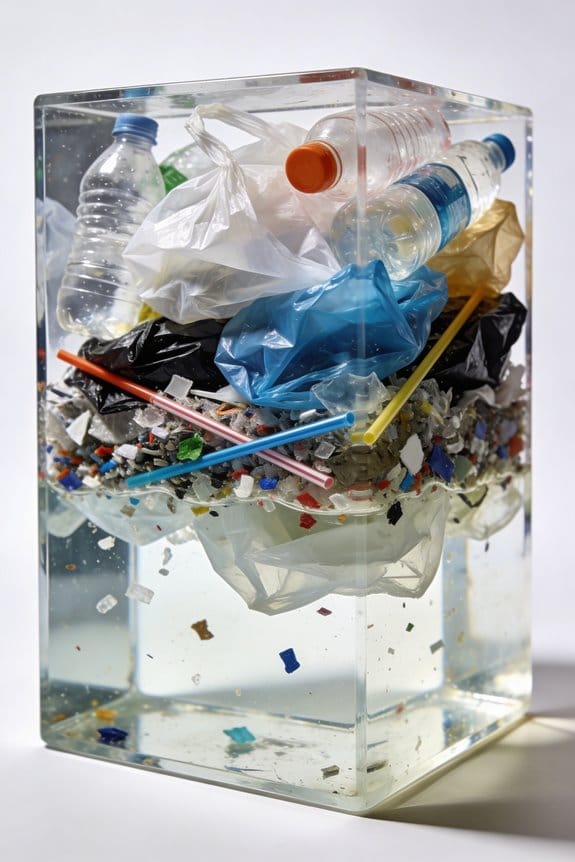
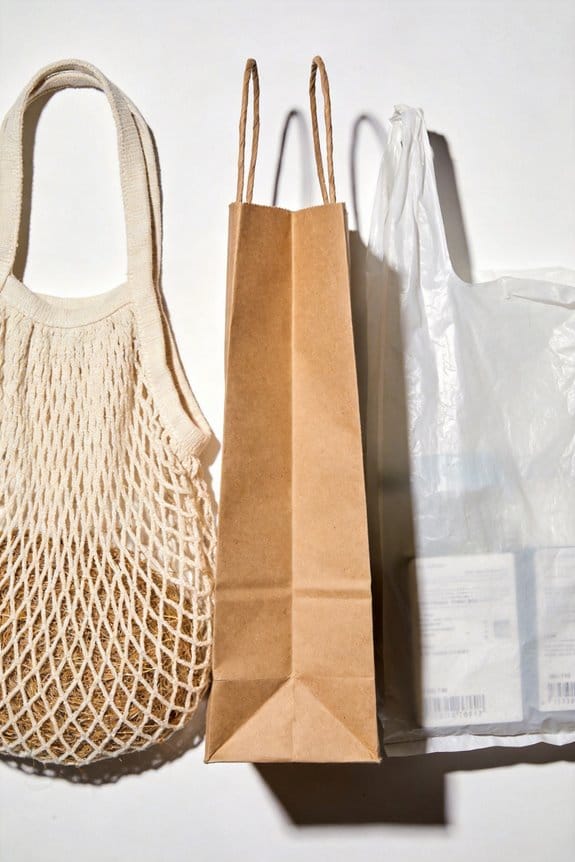

When we look at the carbon footprints of shopping bags, plastic bags produce about 0.04 tons of CO2 for 1,500 bags. Paper bags are slightly worse, emitting 0.08 tons for 1,000 bags, but they’re biodegradable in a month. Cotton bags take the cake for resource use, needing 130 liters of water and generating 4.0 grams of CO2. To be eco-friendly, we need to use them at least 131 times. Let’s explore how we can make smarter choices!
Key Takeaways
- Single-use plastic bags emit about 0.7 grams of CO2 each, contributing minimally to overall carbon footprints if reused effectively.
- Paper bags generate 2.5 grams of CO2 per bag and must be reused at least three times to offset their environmental impact.
- Cotton bags produce 4.0 grams of CO2 each and require 131 uses to become more sustainable than single-use plastic bags.
- Reusable non-woven polypropylene bags should be used a minimum of 11 times to provide environmental benefits over single-use options.
- Overall, the carbon footprint of shopping bags varies significantly based on material type and frequency of use.
Understanding the Environmental Impact of Shopping Bags
When it comes to shopping bags, have you ever stopped to think about their environmental impact? It’s surprising how these everyday items can affect our planet. For instance, single-use plastic bags emit only about 0.7 grams of CO2 each, which seems low. But then you consider that Americans discard around 100 billion plastic bags every year, and less than one percent of that gets recycled. Now that’s a real problem.
On the flip side, paper bags might seem like the better choice since they’re biodegradable. But they come with their own downsides—like needing four times more water to produce than plastic bags, with each paper bag using around 6 liters! So, do paper bags really measure up?
Here’s where it gets interesting: cotton bags are often touted as the eco-friendly option. However, they require a staggering 131 uses just to have the same environmental impact as a single-use plastic bag. While they’re reusable, you should think about the resources, like water and energy, that go into making them. So, why does this matter? Because every choice we make adds up.
You might wonder, “What’s the best option then?” Truth is, there’s no one-size-fits-all answer. The best part is that you can make informed decisions based on your habits. Consider carrying reusable bags and try to limit your reliance on single-use options. Small changes can lead to bigger impacts over time.
In short, shopping bags carry a heavier burden than many realize. Choosing products made from biodegradable natural fibers can significantly reduce long-term environmental harm. What choices will you make to lighten that load?
How Do Plastic, Paper, and Cotton Bags Compare?

Have you ever thought about what happens to your shopping bags after you toss them? It’s an easy thing to overlook, but the type of bag you choose can have a serious impact on the environment.
There are three main types of shopping bags: plastic, paper, and cotton. Let’s break down the pros and cons of each.
Plastic bags might be the first thing that comes to mind because they’re everywhere. They boast a pretty low carbon footprint, at about 0.04 tons of CO2 for every 1,500 bags produced. However, these bags are designed for single use, which means they often end up in the trash or worse, in our oceans.
Paper bags are often seen as the “greener” alternative. However, they’re not without their costs: producing 1,000 paper bags generates about 0.08 tons of CO2. It’s interesting to note that this is largely because of the raw materials and energy needed to make them. They can break down better than plastic, but if they aren’t reused, they’re still a problem.
Now, let’s chat about cotton bags. They’re sturdy and reusable, which is great, but they have their downsides. To truly offset the environmental costs—from carbon emissions to water usage—those cute cotton bags need to be used over 131 times. It might sound like a lot, but if you’re doing a big shop often, you could get there!
Switching to reusable options like stainless steel cups can also help significantly reduce single-use plastic waste in the long run.
So, what’s the takeaway here? If you’re looking for something more sustainable, definitely consider paper bags when you reuse them. They do have that biodegradable edge compared to plastic. Think about how often you’ll use cotton bags, too, because those can really pack a punch in terms of environmental impact.
Ultimately, every bag has a different story. What’s your go-to shopping bag choice, and how often do you reuse it?
Recommended Products

Custom Tote Bags: grade non-woven tote bags ideal for retail stores, boutiques, cafes, hotels and businesses seeking branded shopping solutions.

DETAILS OF THE Promotional Bag: 15"L x 16"H 100% cotton. 20" self-fabric handle. 9" handle drop

【High Quality】 This custom tote bag is soft, breathable and sturdy. The tote bag is crafted with sturdy fabric and it can hold many items without tearing. The printing colors are very are HD clear and vivid, not easy to fade, it is washable and reusable.
Production Resources and Their Environmental Impact

Have you ever stopped to think about where your shopping bags come from? It might seem trivial, but the truth is, the production of these bags leaves a mark on our environment. For instance, plastic bags may seem convenient, using just 1.5 liters of water and emitting only 0.7 grams of CO2 equivalent per bag. They can be reused about 0.2 times, which means their overall carbon footprint isn’t as bad as you might think.
Now, let’s dive into paper bags. They require much more – around 4.5 liters of water and produce 2.5 grams of CO2 equivalent per bag. So, it’s clear that going with paper can have a larger environmental impact. And if you’ve ever thought about cotton bags, you should know they’re even more resource-intensive. They need a whopping 130 liters of water and emit 4.0 grams of CO2 equivalent. In fact, to make up for the sustainability of a single-use plastic bag, you’d have to use a reusable cotton bag more than 131 times.
So, why does this matter? If you want to be more eco-friendly, knowing these details can help you make better choices. Try this: consider how often you really use those reusable bags and maybe make an effort to stick with them for the long haul. The best part is, every small step counts when it comes to reducing your environmental footprint. Choosing alternatives like stainless steel containers can also support sustainability by reducing plastic waste.
Recommended Products

Perfect bulk custom tote bags for corporate gifting, client appreciation, and business promotions, helping build stronger business relationships and brand loyalty.
Personalized Tote Bags: Customize your canvas tote bag with a logo, text, or unique art design. Available in three colors: Black, Pink, and Dark Green, with bulk offer canvas tote bags

Promotional Items with Your Logo: Create custom tote bags with your business logo, slogan, artwork, or trendy design. Perfect for small businesses, boutiques, events, trade shows, brand promotions, giveaways, and resale products.
Lifespan and Reuse: Maximizing Bag Benefit
Have you ever thought about how often we really use our bags? It’s easy to grab a plastic bag without thinking twice, but the truth is, they have a pretty rough environmental impact. Did you know that plastic bags are typically reused only 0.2 times? That’s hardly anything! On the flip side, paper bags need to be used at least three times just to make up for the energy it takes to produce them.
Now, let’s talk about reusable bags. They can last up to 100 uses, and that’s a win for the planet if you actually remember to use them! Cotton bags need to be used even more—131 times—to truly reduce their carbon footprint compared to single-use plastic. Non-woven polypropylene bags can hold up their end too; just be sure to reuse them at least 11 times.
Here’s the trick: to really make a difference with your bags, it’s all about reusing them. Make it a habit to bring your reusable bags every time you shop. You’re not just cutting down waste; you’re also saving money in the long run by avoiding fees for single-use bags in some places. So, why does this matter? Because every little action counts when it comes to keeping our environment clean.
In the end, it’s all about maximizing the benefit of your bags. The more you reuse, the better it is for the Earth. So next time you’re headed out, take a second to think about whether you remember to grab those reusable bags from your car or kitchen. What’s one new way you could incorporate reusable bags into your routine? Consider choosing bags made from durable materials to ensure they last many uses and maintain their environmental benefit.
Recommended Products
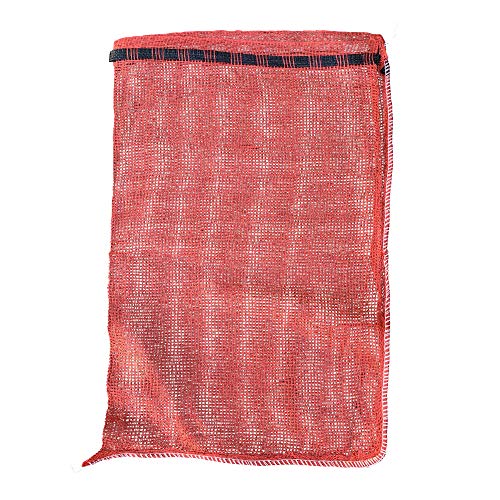
LARGE 15" X 25 INCH MESH BAG - Made of industrial grade polypropylene with reinforced seams for a stronger bag

Customizable: Personalize these versatile bags with your logo or advertisement in one color imprint for a unique and impactful brand touch.

【Custom tote bags】 Click “Customize Now“, adding your logo, image or text, you will see the effect of your design and we will personalzied the tote bag for you as you desired.
What Happens to Bags After They’re Used?
Have you ever thought about what happens to your bags after you’re done with them? It’s pretty wild to think about, especially when you consider how many plastic bags we all use. Most of them end up in landfills or, worse, in the ocean, and they can take anywhere from 20 to 1,000 years to break down. That’s a long time! This isn’t just a minor issue; it leads to a huge amount of microplastic pollution.
Now, what about paper bags? Good news—they’re biodegradable! But they need the right kind of disposal to break down properly, which often means composting. Under the right conditions, they take about a month to decompose. But that doesn’t mean we’re off the hook completely.
Then there are cotton bags. They’re super handy and can be reused countless times, but the truth is they come with their own set of problems. If you don’t use them at least 131 times, they could end up being more wasteful than helpful. So, what’s the takeaway here?
It’s startling to know that less than 1% of all plastic bags are recycled. That’s just heartbreaking. It’s really on us to do better—recycling and properly disposing of all types of bags is crucial for minimizing our environmental footprint. Additionally, biodegradable bags made from plant-based materials like PLA and PBAT offer an eco-friendly alternative that breaks down more effectively than traditional plastics. So next time you grab a bag, think about what it’ll become once you’re done. Are you ready to make a change?
Are Reusable Bags Safe for Health?
How safe are reusable bags for our health? It’s a question on many minds lately. These eco-friendly options are fantastic for reducing waste, but they can also be breeding grounds for bacteria like E. coli if we don’t clean them often. So, what can you do about it?
It’s essential to wash your reusable bags regularly, ideally in warm or hot water. A good wash can significantly cut down on those pesky bacteria, making your bags safer to use. Truth is, cleaning them regularly not only protects you but also extends the life of the bags.
During the COVID-19 pandemic, many places even put temporary bans on reusable bags, worried about virus transmission. And while those concerns are valid, you can still enjoy the benefits of reusable bags. The trick is to stay on top of your cleaning routine.
Here’s a quick checklist to get you started:
- Wash your bags after every few uses, especially if they’ve held raw meat or produce.
- Store them in a clean, dry place to prevent mildew.
- Consider keeping a designated spot for them in your car or house to remind you to clean them.
So, why does this matter? Keeping your bags clean means you can reduce health risks while being kind to the planet. The ongoing debate about the balance between convenience and safety doesn’t have to stress you out. By taking a few simple steps, you can keep your reusable bags working for you without worrying about safety.
In short, washing your reusable bags keeps them safe and helps you do your part for the environment. Many reusable products, including paper towels, also offer durability and longevity that reduce overall waste when properly maintained. Next time you reach for them, just remember: a little care goes a long way! How do you keep your reusable bags in tip-top shape?
Innovative Alternatives for Sustainable Shopping Bags
Have you ever felt guilty tossing away single-use plastic bags? If you’re looking for better options when shopping, there are some really cool alternatives popping up that can make a difference.
Biodegradable plastics made from cornstarch are one option. They break down in composting facilities, which is a big help in fighting plastic pollution. Then there are bags made from post-consumer plastics. These are created from materials that have already been used, which lowers the environmental impact of new bags. Pretty neat, right?
And let’s not forget about edible bags! You can actually find bags made from seaweed or potato starch—talk about a conversation starter at the grocery store. Plus, lightweight and collapsible designs make these bags super portable, fitting easily in your purse or backpack.
Materials like bamboo and hemp are also fantastic picks. They renew quickly and need less water and resources than traditional cotton bags. Here are a few options to consider:
- Biodegradable Plastics: Break down in compost and reduce waste.
- Recycled Bags: Made from post-consumer products, cutting new production.
- Edible Bags: Fun and surprisingly functional.
- Natural Materials: Bamboo and hemp are fast-growing and resource-efficient.
It’s also important to look for products with environmental certifications that ensure safe and non-toxic biodegradation.
So, why does this matter? Choosing these innovative bags helps us make smarter choices for the planet. Honestly, the benefits go beyond just shopping—they’ve turned my grocery runs into a small act of environmental kindness.
Recommended Products
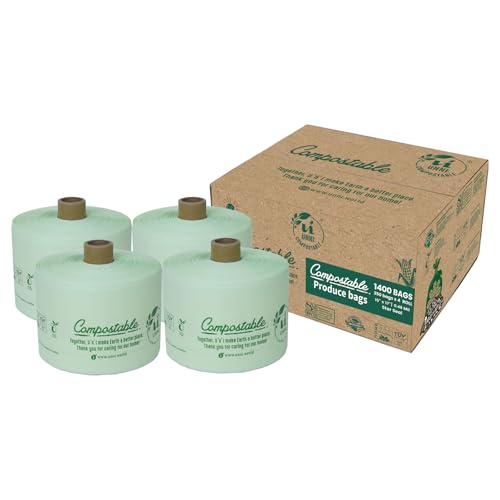
Specifications and Capacity: 350 bags per roll, 4 rolls per case; bag size: 15" x 17", thickness: 0.48 mil. Perfect for farmers markets, grocery stores, and sustainable fresh produce storage. Rooted in the heart of San Francisco, we strive to deliver solutions that support eco-friendly living and a sustainable future.

✔ 100% BIODEGRADABLE & MADE IN THE USA - Biodegrades fully within 4 years! No need to compost – just throw this bag in your regular trash can or recycle bin! BIORIFT is setting a new standard. Unlike most products claiming to be biodegradable, BIORIFT has been scientifically tested for ASTM D5511. This means our products are Biodegradable under standard landfill conditions – the most common waste disposal method! This bag has been shown to biodegrade 47.9% in 361 days!

✔ CERTIFIED BIODEGRADABLE PERFORMANCE – MADE IN USA BioRift bags are scientifically validated under ASTM D5511 testing, demonstrating biodegradation in landfill conditions, the most common waste environment. Proven to reach 47.9% breakdown in 361 days, these bags are engineered to reduce long-term plastic persistence while maintaining everyday functionality. Proudly made in the USA for consistent quality control and responsible production standards.
Making Sustainable Choices When Shopping
When you think about the choices you make while shopping, it can be a bit overwhelming. It’s so easy to grab a plastic bag without considering the impact. While it’s true that plastic bags might have a smaller carbon footprint than paper bags—about 0.04 tons of CO2 for plastic versus 0.08 tons for paper—there’s a catch. Plastic bags can seriously harm marine life, which is where the problem lies.
So, what’s the solution? It’s time to switch to reusable bags. But here’s a surprising fact: to make cotton bags more environmentally friendly than single-use plastic bags, you need to reuse them at least 131 times! That’s quite a commitment. Nonwoven polypropylene bags are a better option—they only need to be used 11 times to offset their higher production emissions.
Here’s the trick: by simply rethinking your shopping habits and truly increasing the reuse of your bags, you can paint a brighter future for our planet. This small tweak in your routine can significantly lessen your environmental footprint. So next time you shop, ask yourself—how many times can I use this bag before it becomes waste?
In the end, making environmentally conscious decisions doesn’t have to be a burden. It’s all about finding what works for you. Are you ready to make that small change for a big impact? Remember, choosing products made from renewable materials like bamboo can further enhance sustainability in your everyday life.
Recommended Products


SHINY & STYLISH DESIGN – These metallic tote bags add a sleek, modern touch to any event. Crafted from durable non-woven polypropylene, they offer a premium look while being lightweight and easy to carry. Ideal for trade shows, giveaways, and retail stores.

TOTE BAGS – Laminated Non-Woven Tote Bags Tote Bags are perfect for grocery shopping, delivery, gifts, or even a picnic. Ready for anything – These non-woven tote bags can be used for all of your regular activities. Our bags are easily washable so you can reuse them for a long time.
Frequently Asked Questions
Which Type of Bag Decomposes Fastest in the Environment?
Cotton bags generally decompose fastest due to their biodegradable materials, benefiting from natural fibers. While paper bags also break down quickly, plastic’s environmental longevity heightens pollution levels, making compostable options more eco-friendly in comparison.
How Do I Properly Recycle Plastic Bags?
To properly recycle plastic bags, let’s take them to designated recycling centers. We can support environmental policies and community initiatives, encouraging sustainable consumer habits and education about recycling symbols and effective waste management practices.
Are Biodegradable Bags a Viable Alternative?
Like a refreshing change, biodegradable bags offer a promising alternative. They reduce landfill decomposition and manufacturing emissions when composted, ensuring better environmental impact. With consumer awareness growing, biodegradable certifications help guide our sustainability practices.
What Is the Best Way to Clean Reusable Cotton Bags?
To clean our reusable cotton bags, we should use laundry techniques like hand washing or a washing machine. For stain removal and odor control, use gentle detergents, and follow proper drying methods for fabric care. Regularly inspect and store appropriately!
Do Shopping Bags Impact Wildlife?
Imagine vibrant ecosystems thriving; yet, plastic pollution darkens that canvas. Our bag usage can harm wildlife, jeopardize habitats, and endanger marine life. Embracing biodegradable materials and recycling education nurtures wildlife conservation and protects all species.