
Hemp fabric is one of the oldest textiles, used for over 8,000 years. Its strength, durability, and eco-friendly benefits make it perfect for modern fashion. Hemp needs 50% less water than cotton and grows without harmful chemicals. This sustainable choice also resists UV rays and is biodegradable. Today, we’re seeing hemp in clothing, upholstery, and home textiles. Choosing the right hemp fabric can enhance your wardrobe while supporting the environment. You’ll find even more fascinating details ahead!
Key Takeaways
- Hemp fabric has been utilized for over 8,000 years, historically important for clothing and ropes in ancient cultures.
- Its resurgence post-2018 Farm Bill highlights its eco-friendly benefits, making it a popular choice in sustainable fashion.
- Hemp’s durability and environmental advantages, such as reduced water usage, promote it as a preferred sustainable textile.
- Modern advancements in textile technology enhance hemp’s aesthetics, making it competitive with traditional fabrics like cotton and linen.
- Responsible production practices and various durable fabric options, like hemp denim and canvas, contribute to its future in eco-friendly textiles.
Understanding the Properties and Benefits of Hemp Fabric
Have you ever struggled to find fabric that feels good, performs well, and is easy on the planet? Hemp fabric might just be what you’re looking for. It comes from the fibers of the Cannabis sativa plant, and honestly, it’s one of the strongest natural fibers out there.
One of the best things about hemp is how sustainable it is. It requires 50% less water than cotton and grows without the need for harmful pesticides. That’s right—less water usage and no toxic chemicals mean it’s kinder to the environment. And if you’re wondering about comfort, you’ve got to try wearing hemp. It’s moisture-wicking, which means it breathes better than most fabrics, making it a solid pick for those hot summer days or even for your workouts.
Here’s the trick: hemp fabric also offers UV protection and has antibacterial properties. It doesn’t just keep you looking good; it also helps you stay healthy. Plus, when you’re done with your hemp items, they can biodegrade and even go into compost, which is a nice touch for those of you aiming for a more eco-friendly lifestyle. Similar to certified compostable dog waste bags, hemp fibers contribute to reducing landfill waste through biodegradable decomposition.
The best part is that thanks to modern technology, hemp fabrics are softer than ever. You might be surprised at how comfortable they feel—often rivaling cotton and linen without sacrificing durability. If you haven’t explored hemp yet, now’s a great time to make that switch.
Recommended Products

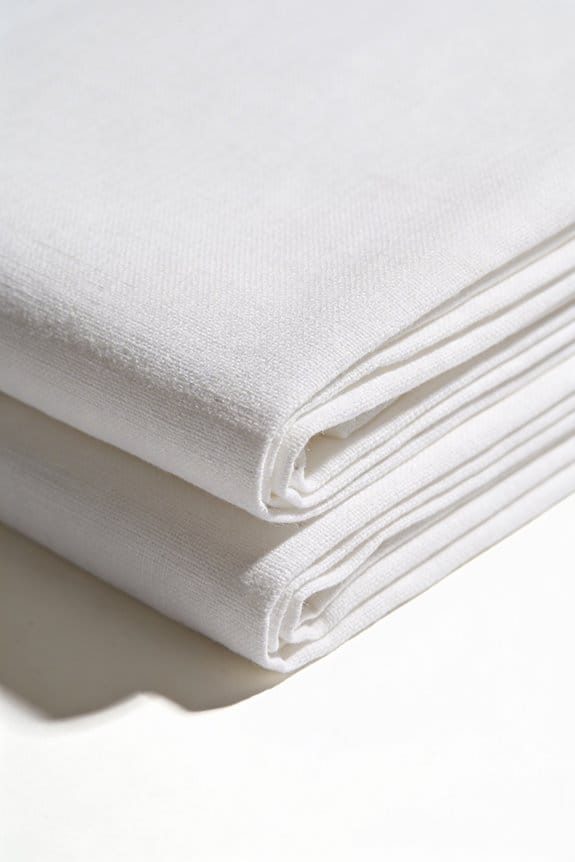
100% Hemp Muslin, Made in China
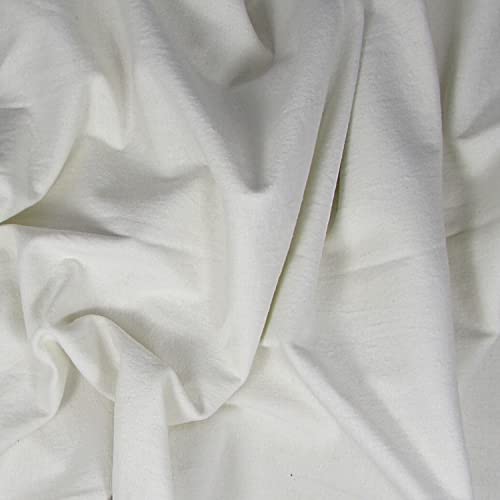
53% Hemp / 42% Organic Cotton / 5% Spandex Rib Knit, Made in China

55% Hemp / 45% Organic Cotton Jersey, Made in China
How Ancient Uses of Hemp Fabric Inform Modern Fashion

Have you ever thought about where the fabric in your clothes comes from? It’s easy to overlook the history behind materials like hemp. While many of us view hemp as a new trend, it’s actually been around for over 8,000 years. Historically, it’s been known for its strength and durability, used for everything from clothing to ropes in ancient civilizations like China and Turkestan. Isn’t it interesting to think about how a fabric can carry so much history?
Fast forward to today, and hemp is making a comeback in the fashion world. Designers are tapping into this ancient material, blending old techniques with fresh, modern styles. And it’s not just about looking good—hemp is becoming a go-to for sustainable fashion. More people are on the lookout for fabrics that are durable and better for the environment.
Here’s the trick: when you choose hemp clothing, you’re not just making a fashion statement; you’re also supporting eco-friendly practices. Think about how much waste the fashion industry produces each year. Opting for materials like hemp can make a real difference. Similarly, sustainable materials like bamboo are gaining popularity in home decor for their eco-friendly qualities.
The best part is, you can find stylish hemp garments that work for nearly any occasion. From casual wear to more polished looks, there are so many options out there. So, why not give it a try? You might just discover your new favorite fabric while contributing to sustainability.
Recommended Products

Your ideal companion for rituals, ceremonies and anything in between . . .

🌿 100% Organic Hemp Construction – Crafted from premium-grade, sustainably grown hemp for unmatched durability and natural antimicrobial properties.
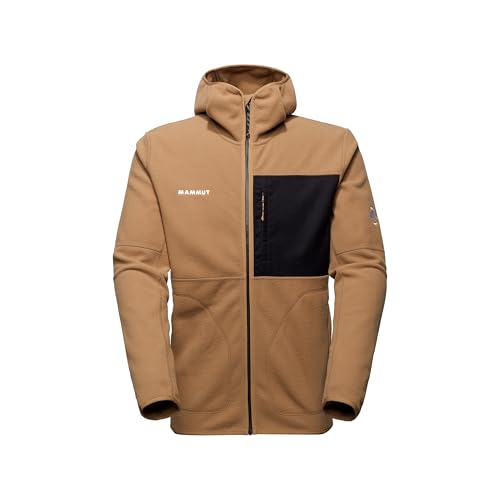
Sustainable and cozy – Made from 100% recycled polyester, this hiking jacket offers warmth and comfort with eco-friendly fabric
Historical Uses of Hemp in Textiles and Industry
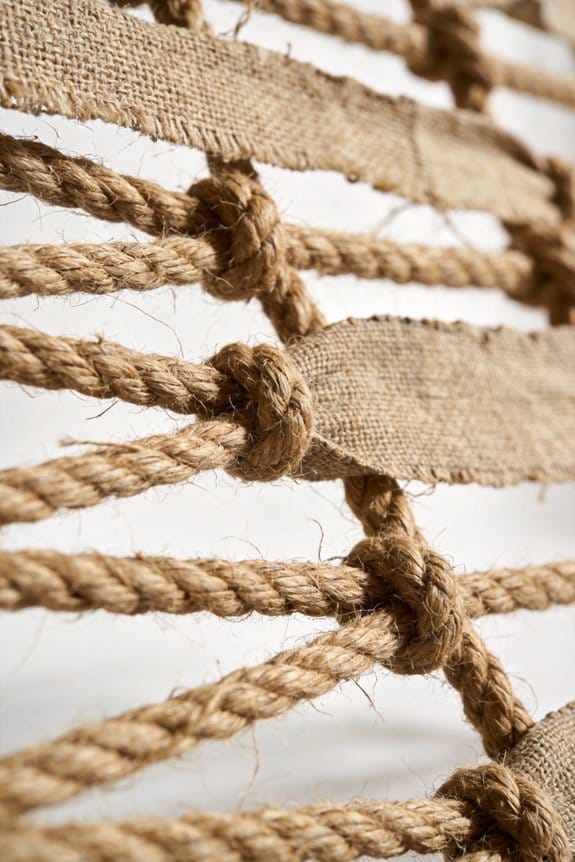
Before we had all the fancy fabrics we see today, cultures leaned heavily on hemp for a multitude of practical uses. Can you believe that hemp fibers have been woven into textiles for over 8,000 years? It’s true! Back in the day, people made everything from strong clothing to reliable ropes, especially for those long naval voyages. When the Age of Sail was in full swing, industrial hemp was a key player, particularly in maritime industries.
In America, hemp-growing became a big deal in places like Jamestown, Virginia. Its rot-resistant qualities made it incredibly useful during the Civil War, where it was used for sails, rigging, and uniforms. Honestly, it’s a bit heartbreaking that hemp’s popularity took a nosedive in the 20th century because of misconceptions linking it to marijuana. But here’s the good news: thanks to the 2018 Farm Bill, hemp is on the rise again. With its eco-friendly benefits and the increasing focus on sustainability, it’s time to give hemp another look.
So, why does this matter? Hemp isn’t just a historical fabric; it’s a versatile choice for today’s environmentally-conscious consumers. Here’s the trick: if you want to be part of the hemp resurgence, try seeking out products that utilize hemp materials. They’re often as durable as they were hundreds of years ago and come with a smaller environmental footprint. In addition to hemp’s durability, many eco-conscious consumers also turn to plant-based waxes for sustainable home products like candles.
The best part is that using hemp can support sustainable practices while giving you access to reliable, quality products. If you’re in the market for anything from clothing to accessories, check if they have hemp options.
To wrap it up, hemp has a rich history and a valuable role in our future. Are you ready to explore what hemp products can do for you?
Making Hemp Fabric: the Process From Seed to Stitch
Ever thought about where your fabric comes from? Making hemp fabric is quite a journey, and understanding that process can help you appreciate its value. It starts with planting hemp seeds that grow quickly, maturing in just 70 to 120 days. Once the hemp stalks are ready, it’s harvest time.
After harvesting, we move into retting. This involves soaking the stalks to separate the valuable plant fibers from the core. Not everyone knows that this step is crucial for getting the best fibers. Once that’s sorted, it’s time to extract the fibers. You can do this by breaking the stalks, either by hand or using machines, ensuring you get rid of the hard, woody parts and leave just the soft fibers.
Next up is scutching, where you remove any leftover materials. The goal here is to have clean fibers ready for the next step. These clean fibers go through carding before being spun into hemp yarn. So, why does this matter? Well, the quality of yarn you get directly affects the fabric’s final feel and durability.
Finally, you weave or knit that yarn into textiles. The best part is, the result is a strong, durable fabric that’s not only great for the environment but also softens beautifully with every wash. For storage and preservation of raw materials during the process, using leak-proof lids can be essential in maintaining quality.
If you’ve never tried hemp fabric, it might just be time to explore this eco-friendly option.
Making your fabric can seem daunting, but with a bit of understanding, you can appreciate the journey from seed to stitch. What fabric choices will you make next?
Recommended Products

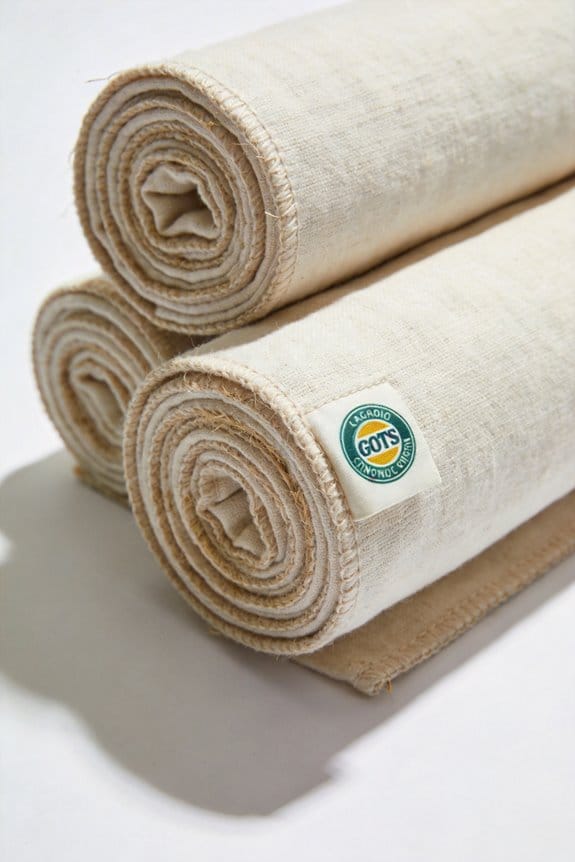
100% Natural Jute Burlap
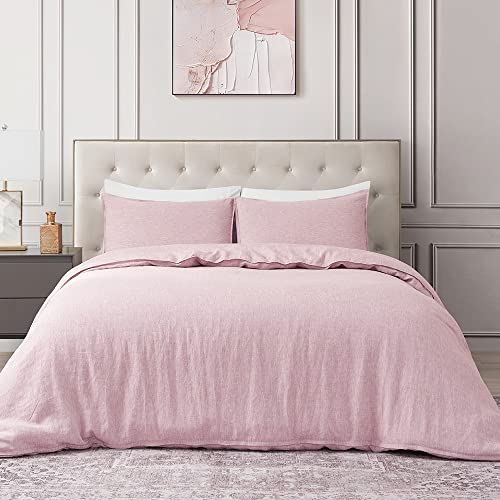
100% French linen - DAPU pure linen duvet cover set is made of 100% high quality French grown flax. Oeko-tex Standard 100 certified means no harmful chemicals to human health was used from yarn to finished product.

Natural Jute Fiber Material: This burlap roll is made from 100% natural hemp fibers, ensuring a healthy and environmentally friendly choice. It's durable and fading-resistant, keeping its charm for years. Don't worry if you notice a scent - it's normal because natural burlap fibers have a unique smell!
Modern Uses of Hemp Fabric in Fashion and Beyond
Hemp fabric is gaining attention in the fashion world, and for good reason. It’s not just a cool, trendy material; it’s eco-friendly too. Designers are tapping into hemp to make everything from comfy casual wear to stylish high-fashion pieces. If you’re headed into summer, you’ll appreciate hemp’s breathable quality—it keeps you cool and comfortable when you’re on the move.
Natural fibers like hemp are often overlooked, but here’s the trick: modern processing has made hemp feel just as soft as cotton and linen. Imagine you’re wearing a fabric that not only looks great but also helps the planet. That’s a win-win! So, if you’re searching for new additions to your wardrobe, definitely consider hemp options.
And it doesn’t stop at clothes. Hemp is also popping up in unexpected places like car upholstery and even building materials, known as hempcrete. With more people asking for sustainable choices, brands are now embracing hemp as a better alternative to the fast fashion trend.
Frankly, the environmental benefits are impressive. Choosing hemp can mean supporting a cleaner planet. Plus, you’re likely to find clothes that last longer than their fast fashion counterparts because of hemp’s durable nature. Similar to organic cotton, hemp farming supports sustainability by reducing water usage and avoiding harmful chemicals, making it a smart choice for eco-conscious consumers.
Recommended Products

Horseware Ireland

Made with Quality Materials: Edge-to-edge softness to protect your baby's delicate skin. Made with a comfortable, fluffy fleece lining, so only soft materials touch your little one.

Made with Quality Materials: Edge-to-edge softness to protect your baby's delicate skin. Made with a comfortable, fluffy fleece lining, so only soft materials touch your little one.
What Makes Hemp Fabric So Great?
Have you ever struggled to find a fabric that’s both comfortable and tough enough to handle daily wear? Hemp fabric just might be the answer you’re looking for. It’s known for its incredible strength, being three times stronger than organic cotton. This means it can stand up to the rigors of life while still feeling good against your skin.
One of the best aspects of hemp is that it’s really good for the environment. It uses up to 50% less water than cotton to grow, which is crucial, especially in areas where water is scarce. Plus, hemp promotes sustainable farming practices, making it a win-win for both you and the planet. You get to wear something that’s stylish and eco-friendly.
You might be wondering, “What about comfort?” Hemp fabric is breathable and moisture-wicking, which means it helps keep you cool in the hot weather. It also provides some natural UV protection, which is a nice bonus. Unlike many fabrics that can lose their shape or feel rough over time, hemp gets softer with each wash, becoming more comfortable the longer you have it.
Let’s not forget about its biodegradability. When you’re done with your hemp clothing, it breaks down naturally, without leaving harmful residues behind. That’s something to feel good about, right?
Hemp’s stylishness has really come a long way, too. With advancements in textile technology, it’s now available in a variety of styles, making it a real competitor to linen and cotton. Additionally, hemp fabric’s durability and eco-friendliness make it an excellent candidate for reusable and sustainable products that help reduce waste.
Choosing the Right Hemp Fabric for Your Needs?
Choosing the right hemp fabric can seem a bit daunting with so many options out there. You might be wondering how to pick the best one for your needs. It all boils down to what you plan to use it for.
For lightweight comfort, hemp jersey is a fantastic choice. It’s soft and perfect for casual wear or summer outings. Want something more durable? Hemp denim really stands out; it offers that sturdy feel while still being breathable. And if you’re looking for something tough for outdoor activities, hemp canvas could be the way to go.
When shopping, don’t forget to check for softness. Thanks to modern processing methods, hemp fabrics can be as cozy as cotton. Plus, they offer amazing breathable and moisture-wicking properties, which makes them ideal for summer clothes or workout gear. But why does this matter? Because you deserve materials that feel good against your skin!
It’s also worth considering eco-friendly practices when you make your choice. Look for hemp that’s responsibly grown. This affects not just your health, but also the planet. Similar to bamboo forks, opting for materials with eco-friendly certifications can ensure you’re making a sustainable choice.
Recommended Products

[EXPERTLY CRAFTED]: Machine-woven by skilled artisans from sisal and wool fibers for a rich, textured look and natural feel; slight color variations highlight its natural beauty; fabric border provides a clean, finished edge

[EXPERTLY CRAFTED]: Machine-woven from plant-based sisal fibers for a rich, textured look and organic feel; subtle color variation highlights natural beauty, while a fabric border provides a clean, finished edge

[EXPERTLY CRAFTED]: Machine-woven by skilled artisans from plant-based sisal fibers for a rich, textured look and natural feel; slight color variations highlight its natural beauty; fabric border provides a clean, finished edge
Frequently Asked Questions
Is Hemp Fabric Hypoallergenic and Safe for Sensitive Skin?
Hemp fabric’s practically the holy grail for sensitive skin! Its natural fibers boast incredible breathability and irritation reduction. With hypoallergenic properties and eco-friendly options, it’s an ideal choice for those with skin sensitivities and allergy reactions.
Can Hemp Fabric Be Dyed and Printed Like Cotton?
Yes, we can dye and print hemp fabric using various dyeing techniques and printing methods. It offers design versatility, excellent color retention, and can be eco-friendly with organic dyes and inks, though pre-treatment processes may be needed.
How Does Hemp Fabric Compare in Cost to Conventional Textiles?
Hemp fabric often costs more initially, but market demand and production efficiency are rising. Quality assessment shows it’s durable, aligning with consumer preferences. Over time, it’s a long-term investment, despite retail pricing and price fluctuations.
What Are the Environmental Benefits of Choosing Hemp Fabric?
Oh sure, let’s all wear plastic! But seriously, by choosing hemp fabric, we support sustainable farming practices that enhance soil health, promote water conservation, improve air quality, and reduce waste, all while enjoying carbon sequestration benefits.
Is Hemp Fabric Biodegradable and Compostable After Use?
Yes, hemp fabric’s biodegradable and compostable, promoting soil health through natural decomposition. By enhancing organic matter, it aligns with sustainable practices, supporting waste management and the circular economy as an eco-friendly alternative with a reduced textile lifespan impact.