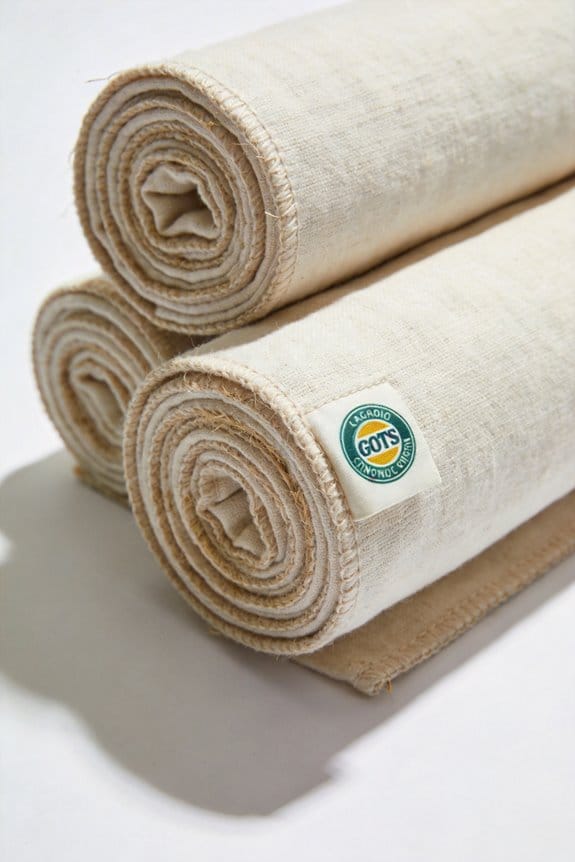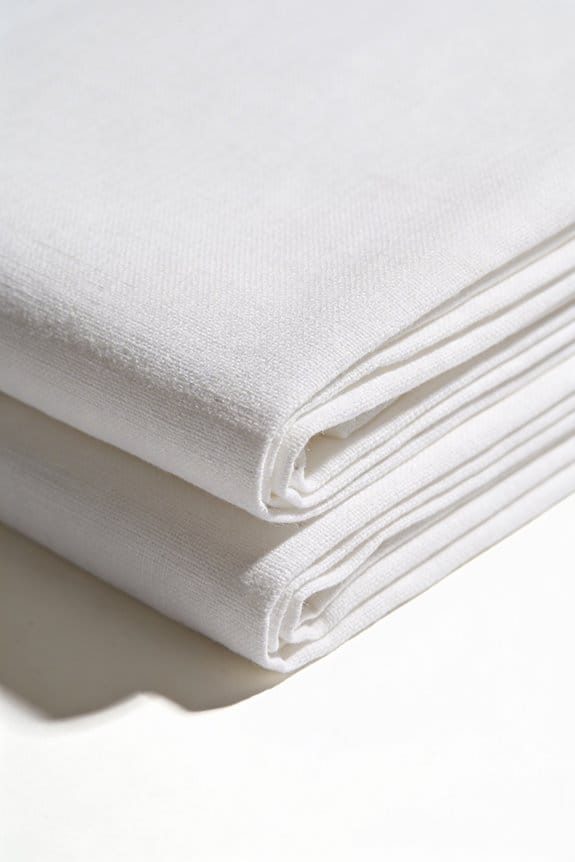


TENCEL, or Lyocell, is a sustainable fabric made from eucalyptus trees. This eco-friendly material is produced using a closed-loop process, recycling about 99.5% of solvents. It’s biodegradable, breaking down quickly without leaving harmful residues. While TENCEL is softer and moisture-absorbent compared to cotton, it comes with a higher price tag. Plus, it requires gentle washing to maintain its quality. If you’re curious about how TENCEL compares to traditional fabrics, we’ve got more details for you.
Key Takeaways
- TENCEL, or Lyocell, is a biodegradable fabric made from sustainably sourced eucalyptus wood using a closed-loop production method.
- The production process recycles 99.5% of non-toxic solvents, significantly reducing waste and pollution.
- Unlike traditional viscose, TENCEL minimizes harmful chemicals and promotes responsible forestry practices, ensuring eco-friendliness.
- TENCEL decomposes twice as fast as cotton and breaks down without releasing toxic residues, making it a sustainable choice.
- While TENCEL is more expensive, its qualities and environmental benefits contribute positively to circular fashion and eco-conscious living.
Overview and Origins of TENCEL/Lyocell Fabric
Have you ever felt guilty about fast fashion and its impact on the planet? If you’re looking for a fabric that’s eco-friendly and stylish, TENCEL, also known as Lyocell, might be the answer. This unique fabric is made from sustainably sourced wood, mostly eucalyptus trees, and it’s been around since 1992, when it first popped up in Alabama.
What’s cool about TENCEL is its closed-loop production process. Essentially, they take wood pulp and convert it into cellulose using non-toxic solvents, which are mostly recycled—about 99.5% of them! So, you’re not just getting a good-looking fabric; you’re also supporting a process that’s kinder to the environment. Plus, TENCEL fabrics are biodegradable and compostable. They break down in compost conditions at double the rate of cotton, which means less waste piling up in landfills.
You might be wondering what sets TENCEL apart from regular rayon. The truth is, conventional rayon often includes toxic substances in its production. With TENCEL, these harmful chemicals are avoided, making it a safer option for both your wardrobe and the workers involved in making it.
The best part? In 2021, the global market value for Lyocell reached around $1.1 billion, showing just how important sustainable fabrics are becoming. Bamboo forks, similarly made from a renewable and biodegradable resource, provide an eco-friendly alternative in everyday products. If you’re on the lookout for materials that help reduce your carbon footprint while looking fashionable, TENCEL is definitely worth considering.
In short, choosing TENCEL can be an easy way to make a positive impact. Are you ready to take the plunge into more sustainable fabric choices?
Sustainable Production Methods of TENCEL/Lyocell

Have you ever thought about the impact of the clothes you wear? It’s easy to overlook, but the way clothing is made matters a lot. TENCEL Lyocell stands out because it’s produced using sustainable methods. This material is made through a closed-loop process, which means that about 99.5% of solvents are recycled. That’s a big deal for reducing waste!
The fibers come from eucalyptus wood sourced from certified plantations, which supports responsible forestry practices. So, not only are you getting a stylish outfit, but you’re also backing eco-friendly practices. Unlike traditional viscose, TENCEL uses non-toxic solvents, steering clear of harmful chemicals that can be bad for the planet.
And here’s a bonus: TENCEL fibers are biodegradable, which means they break down much faster than synthetic fabrics. That’s a win for both your wardrobe and the environment. Have you heard about REFIBRA technology? It’s pretty neat—it incorporates recycled cotton pulp into the mix, making TENCEL even more eco-friendly.
In addition, the use of biodegradable materials in TENCEL’s production ensures minimal environmental impact throughout its lifecycle.
In short, the way TENCEL Lyocell is made shows a real commitment to a healthier planet. Next time you’re shopping, think about the fabrics you choose. How can you support sustainable fashion in your wardrobe?
Recommended Products

SUSTAINABLE TENCEL FIBERS and MERINO WOOL combine in this natural, lightweight base layer

The Everett Slim Straight features a slim straight cut in a comfortable mid-rise waist that’s relaxed from hip to the knee before slightly tapering at the leg opening.

The Protégé is an update to our classic straight fit, with an easy fit throughout the thighs and a clean finish at the leg opening.
Understanding TENCEL/Lyocell’s Biodegradability

Understanding the biodegradability of the fibers we use is important if you care about fashion and the environment. Think about it—how long does your clothing take to break down? TENCEL® Lyocell stands out because it’s fully biodegradable, even in your home compost. It decomposes about twice as fast as conventional cotton. Plus, since it comes from sustainably sourced eucalyptus wood, you can feel good knowing it leaves no harmful residues.
Here’s the trick: for TENCEL® Lyocell to truly shine in composting, it’s best if it’s made from 100% natural fibers. Mixing in synthetic materials can really mess things up. The closed-loop production process is another plus—it recycles 99% of solvents, making it eco-friendly and reducing environmental impact.
So, why does this matter? When you choose TENCEL® Lyocell, you’re not just opting for a soft and comfortable fabric; you’re also embracing sustainable practices. Each purchase helps cut down on textile waste, which is a win for both you and the planet.
In short, opting for TENCEL® Lyocell is a small step that can lead to a much bigger impact. Have you thought about how your fabric choices affect the environment? Like bamboo utensils, which are 100% biodegradable and contribute to reducing waste, TENCEL® Lyocell offers similar environmental benefits in textiles.
Environmental Benefits of TENCEL/Lyocell
Ever thought about how the fabrics we wear impact the environment? When you dig into it, you find that not all materials are created equal. TENCEL® Lyocell really stands out with its environmental benefits.
Let’s start with the basics. This fabric is made from sustainably sourced eucalyptus wood, which means it’s actually helping protect our precious forests. Pretty cool, right? It’s produced in a closed-loop process that recycles about 99% of the solvents used, which is a huge win for reducing chemical waste. So, every time you choose TENCEL clothing, you’re supporting a lower environmental impact.
Now, if you’re worried about resource use, TENCEL has you covered. It uses significantly less water and energy compared to traditional cotton, which is notorious for being a major water hog. Plus, TENCEL is biodegradable, breaking down completely without releasing harmful toxins into the environment.
The best part is its REFIBRA™ technology. It combines recycled cotton pulp to ease the pressure on raw materials even further. So, why does this matter? Every eco-friendly choice makes a difference, not just for our planet but for future generations too.
Additionally, choosing natural fibers like linen can complement eco-friendly fabrics by offering high absorbency and quick-drying performance with low environmental impact.
Making a switch to TENCEL is a simple way to be more mindful about your clothing choices. Next time you’re shopping, consider how those choices impact the world around you. Are you ready to make a positive change?
How TENCEL/Lyocell Compares to Traditional Viscose/Rayon
Are you looking for a fabric that feels great and is kind to the planet? It’s time to check out TENCEL® Lyocell. When compared to traditional viscose and rayon, it really stands out in terms of comfort and sustainability. The process for making viscose often involves harsh chemicals that can harm the environment, while TENCEL Lyocell uses a closed-loop system that recycles about 99% of its solvents. That’s a huge win for nature!
Another reason to love TENCEL Lyocell? It comes from responsibly sourced wood, unlike roughly 30% of conventional rayon that could be taken from endangered forests. This means you’re making a choice that benefits the environment. Plus, the production of TENCEL uses significantly less water and energy compared to traditional rayon and cotton. Eco-friendly fabrics are more than just a trend, and with TENCEL, you’ll feel good about what you’re wearing.
You might be interested to know that TENCEL Lyocell doesn’t require bleaching, which results in pure white fibers right from the get-go. It’s also worth mentioning Lenzing AG’s REFIBRA technology—this nifty process blends recycled cotton with fresh wood pulp to maintain TENCEL’s promise of sustainability in textiles.
So, why does this matter? Choosing TENCEL means you’re investing in a fabric that cares for both your comfort and the environment. Honestly, it’s a thoughtful choice that aligns with a more sustainable lifestyle.
To sum it up, TENCEL Lyocell checks off all the boxes: comfort, sustainability, and a reduced impact on our precious resources. In the same way, using eco-friendly materials in other products, such as beeswax food wraps, extends sustainable choices beyond fabrics and into daily living. Wouldn’t it be great to feel good about the fabrics that touch your skin every day?
Recommended Products

【300 Thread Count Tencel Organic Cotton Shell】 Encased in a downproof, 300-thread-count shell crafted from 50% Tencel lyocell and 50% organic cotton and finished with fine double-needle edge piping. OEKO-TEX Standard 100 certified, this naturally soft and breathable fabric provides excellent moisture-wicking properties and helps regulate temperature for comfortable lasting comfort. Perfect for those seeking cooling comfort.

KING SHEET BUNDLE - This Organic Cotton Sheet Bundle includes 1 Fitted Sheet(78”x80”), 1 Flat Sheet(108”x105”), 2 Pillowcases(21”x36”) with Envelope Closure, 1 Duvet Cover(108”x92”), 2 Pillow Shams(21”x36”) with Envelope Closure and to reduce plastic, this product comes in a reusable organic cotton bag.

Award-Winning SilkShape Technology: Buffy Cloud Cooling Comforter won CNET & NBC Select 2025 awards; Proprietary SilkShape softness creates "like sleeping on a cloud" sensation.
Is TENCEL/Lyocell Really That Eco-Friendly?
Is TENCEL/Lyocell genuinely as eco-friendly as it claims to be? Absolutely. This fabric comes from sustainable wood pulp, mostly taken from eucalyptus trees that are certified by the Forest Stewardship Council. What’s even better is that they’ve got a closed-loop production process that recycles around 99% of solvents, which really cuts down on chemical waste. It also requires much less water and energy than cotton. So, when you think about resource efficiency, TENCEL is a standout.
Another great feature is its biodegradability. This fabric breaks down twice as fast as cotton when composted. You might be wondering why all of this matters. Well, every little bit helps in the fight against pollution and waste. TENCEL products, like biodegradable dishcloths, also offer the benefit of quick drying to prevent odors and bacteria, enhancing overall hygiene.
But, don’t forget to be cautious about greenwashing. Just because something claims to be eco-friendly doesn’t always mean it is. When looking into TENCEL, keep an eye out for brands that are straightforward about their sourcing and manufacturing practices. Transparent information really helps you make the best eco-friendly choices.
Advantages of TENCEL/Lyocell in Fashion
Have you ever stood in front of your closet and thought, “Why can’t my clothes be both stylish and kind to the planet?” That’s where TENCEL/Lyocell comes into play. This fabric is made from eucalyptus wood sourced from sustainable forests, which makes it an eco-friendly choice. Plus, the production process is pretty neat—it recycles up to 99% of the solvents used, which means less waste in our world.
If you’re someone who gets hot easily, TENCEL has you covered. It absorbs moisture 50% faster than cotton, making it ideal for activewear or those sweltering summer days. Honestly, who wants to feel sticky and uncomfortable? And here’s a cool bonus: TENCEL is biodegradable and compostable, breaking down much faster than cotton. This supports the idea of a circular economy, which we should all be striving for.
What about comfort? You’ll find that TENCEL is incredibly soft and remains durable over time. It feels luxurious and can last—so you get that comfort without worrying about harming the environment. It really does shine when compared to traditional fabrics.
The best part is you get to feel good about what you wear. So, next time you’re shopping, think about adding some TENCEL to your wardrobe. It’s a small choice that can make a big difference! What are your go-to sustainable fabrics?
Many consumers also choose biodegradable laundry detergents as part of an overall eco-friendly lifestyle that complements sustainable fabrics.
Recommended Products

Sustainably sourced

Sustainably sourced

Natural heat regulation
Disadvantages of TENCEL/Lyocell Fabric
When it comes to eco-friendly fabrics, TENCEL/Lyocell is often at the top of the list for its softness and sustainability. But are there downsides you should be aware of? Absolutely.
First off, you might notice TENCEL products come with a higher price tag compared to other green alternatives. This can be a bit of a stretch for your wallet, especially if you’re on a budget. Another thing to keep in mind is that TENCEL can shrink between 3-5% during that first wash, much like cotton does. So if you’re not careful with how you launder it, you might end up with a smaller shirt than you intended.
Now, if you ever see TENCEL blended with synthetic fibers, proceed with caution. While it might look appealing, those eco-friendly benefits can take a hit, which raises questions about how sustainable the fabric really is.
Care instructions? Yeah, they can be a bit specific. If you’re used to tossing your clothes in the wash without a second thought, the extra steps might feel like a hassle. Here’s the trick: always check the tags before washing to maintain that fabric integrity and keep your clothes looking their best.
Pricing and availability can also be a mixed bag. Some days it feels like you could score a great deal, while other times you might struggle to find what you’re looking for. This inconsistency can make it tough to rely on TENCEL as a go-to eco-friendly option.
In the end, while TENCEL has its perks, it’s worth weighing the pros and cons. Have you tried TENCEL yet, or are you still on the hunt for the perfect eco-friendly fabric?
Additionally, opting for textiles with recognized material certifications ensures environmental and ethical standards in sustainable bedding and fabric choices.
Caring for TENCEL/Lyocell Garments Effectively
Caring for TENCEL/Lyocell garments can be super simple if you follow a few easy steps. Have you ever washed a delicate fabric and worried about ruining it? Don’t stress! Just machine wash your TENCEL pieces on a gentle cycle with cold water. It’s a good idea to use an eco-friendly detergent to keep things sustainable.
After washing, air-drying is the way to go. If you really need to use a dryer, set it to low heat to keep those fibers safe. Dealing with wrinkles? Here’s the trick: a low-heat iron works wonders. If you want to skip the ironing altogether, try hanging your garments to keep them fresh and breathable.
Also, storing your clothes out of direct sunlight helps maintain their vibrant colors. Think about it: who doesn’t want their favorite pieces looking great for as long as possible? By sticking to these care tips, you can keep your TENCEL/Lyocell garments in top shape.
For added longevity, consider sustainable materials that naturally resist wear and tear during regular use.
What’s your go-to method for keeping your clothes looking fresh?
Recommended Products
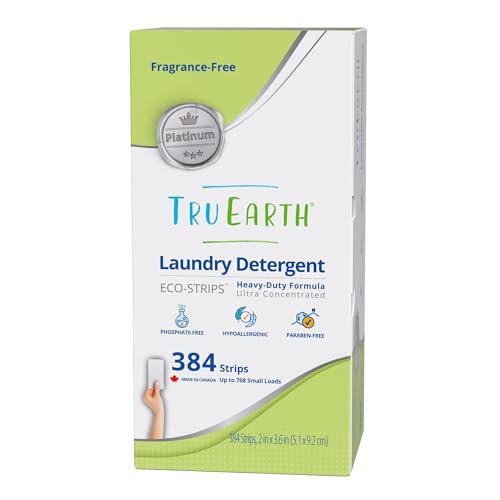
ENHANCED HEAVY DUTY CLEANING: Tru Earth's Platinum formula, made in Canada, offers unparalleled cleaning power, designed for the most challenging laundry tasks, including tough stains and odors.

PERFECT FOR SENSITIVE SKIN: Our Soft Bed Sheets are Woven at 600 Thread Count per square inch- Single Yarn Ply and made of 100% Tencel Lyocell from Eucalyptus Trees as You Can Sleep Comfortably With These Silky Soft and Naturally Pure Abripedic Sheet Set
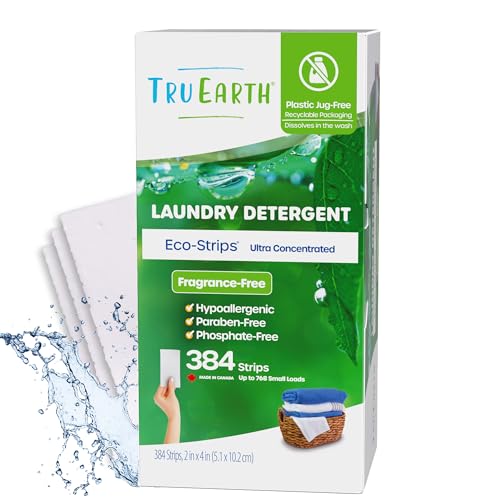
COMPACT YET POWERFUL LAUNDRY STRIPS: Tru Earth laundry detergent sheets, made in Canada, have gained popularity across the USA and beyond, not just as travel laundry soap sheets, but also an everyday solution to heavy, bulky, watered down jugs.
Leading Brands Utilizing TENCEL/Lyocell
How often do you think about the brands behind your clothes? Keeping your wardrobe looking fabulous isn’t just about laundry tips; it’s also about making smart choices with the brands we support. Choosing brands that use TENCEL can really make a difference for the planet, and a few stand out.
For instance, have you heard of Proclaim? They offer inclusive intimate wear, sizing from S to 3XL, and they’re all about using recycled materials. This means you can feel good while looking good. Then there’s TAMGA Designs, which uses 100% Micro TENCEL® and has sizes ranging from XS to 2XL. It’s nice to know that comfy fabric can come in all sizes.
The Very Good Bra is another incredible option, catering to different body shapes with sizes A-E in bras and S to L in clothing. Who doesn’t want something that fits well and supports? Also, Whimsy + Row is definitely worth a look—they combine deadstock fabric and TENCEL in their designs, offering up to size 3XL.
So, why does this matter? When you support brands that prioritize sustainability, you’re making a choice that’s better for both you and the environment. Plus, eco-friendly clothing can still be stylish and super comfortable. Choosing sustainable brands also parallels picking eco-conscious household items like kitchen recycling bins that promote a greener lifestyle.
In short, choose wisely. By going for brands that use TENCEL, you’re stepping into sustainable fashion without sacrificing your sense of style. What’s stopping you from making that switch today?
Recommended Products

MIDWEIGHT 100% MERINO WOOL base layer ideal for cold weather activities

MIDWEIGHT 100% MERINO WOOL base layer ideal for cold weather activities

The Everett Slim Straight features a slim straight cut in a comfortable mid-rise waist that’s relaxed from hip to the knee before slightly tapering at the leg opening.
Frequently Asked Questions
Does TENCEL Lyocell Have Chemicals in It?
They say, “What’s old is new again.” TENCEL Lyocell’s production process minimizes harmful chemicals, enhancing sustainability benefits. Its fiber properties contribute to reduced environmental impact and appealing consumer perception, fostering market growth in eco-friendly options.
What Are the Downsides of TENCEL?
Tencel’s downsides include sustainability concerns regarding its production process, significant water usage, and potential biodegradability issues when blended with synthetics. Additionally, we must consider its textile durability and overall environmental impact when making choices.
Does TENCEL Lyocell Release Microplastics?
TENCEL Lyocell doesn’t shed microplastics during washing, making it a sustainable choice. As we embrace textile sustainability, we’re reducing pollution and mitigating environmental concerns—its biodegradability aligns perfectly with our commitment to a greener future.
Is Lyocell 100% Natural?
Lyocell isn’t 100% natural, as its origin processes involve chemical treatments. However, its eco-friendly manufacturing and biodegradability aspects contribute to Tencel’s sustainability. Consumer awareness impacts market growth, making it a popular choice among eco-conscious shoppers.