

To maintain our sustainable wooden utensils, let’s clean them right after use with warm, soapy water, using a sponge for stubborn bits. Avoid soaking or dishwashing, as it can warp them. We should oil utensils every few weeks with food-grade mineral oil to keep them from drying out. If we notice cracks or rough surfaces, it’s time to sand them. Want to learn about the best storage practices for our wooden tools?
Key Takeaways
- Regularly clean wooden utensils after use to prevent food residue buildup, maintaining optimal condition for sharpening.
- Sand dull or rough surfaces using 200-grit sandpaper to restore sharpness and smoothness.
- Apply food-grade mineral oil to maintain moisture and condition the wood, enhancing longevity.
- Incorporate a thin layer of food-grade beeswax post-oil application for additional moisture protection.
- Store wooden utensils in a cool, dry place away from direct sunlight to prevent warping and damage.
Essential Tools for Caring for Wooden Utensils
Caring for wooden utensils can be a bit tricky sometimes, right? You want to keep them looking great and lasting as long as possible. Trust me, having the right tools makes all the difference.
To start, you’ll need some unscented dish soap for cleaning. It’s gentle enough that you won’t have to worry about harsh chemicals ruining your utensils. A sturdy sponge is also a must; it’s perfect for scrubbing away any food bits without damaging the wood. So, what else should you have on hand?
Food-grade mineral oil is a game-changer when it comes to preserving the natural beauty of your utensils. Applying it every few weeks keeps the wood hydrated and looking fresh. You might notice some rough patches over time—don’t sweat it! Just grab some 200-grit sandpaper to smooth those out. It’s an easy fix that makes your utensils nice to handle again.
Want to take it a step further? After you condition with mineral oil, consider applying food-grade beeswax. It’s a fantastic protective layer against moisture, which is a real concern for wooden kitchen items.
Regular maintenance is the key to extending the life of your wooden utensils. It’s as simple as cleaning, conditioning, and protecting them. Be sure to inspect utensils regularly for cracks or wear to maintain safety and durability.
So, how often do you check on your kitchen tools? Taking a little time to care for them will ensure they remain your trusty companions for years to come.
Recommended Products

HEALTHY DURALON BLUE COATING – The eco-friendly, ultra-non-stick Gen10 Duralon Blue is all-natural ceramic coating free of harmful chemicals like PFAS*, PTFE, PFOA, lead, and cadmium. It also does not emit toxic gases at higher temperatures. *Tested by TÜV Rheinland for 106 known PFAS elements and none were detected.

Wooden Countertop: Elevate your prep space with the John Boos kitchen counter. It’s great for preparing meals, rolling out dough, serving food, and displaying charcuterie.

Food grade white mineral UPS oils are used as release agents on bakery pans, dough dividers, cutters, knives, trays, grills, pans, hooks, and other food processing equipment.
How to Properly Clean Wooden Utensils

After giving your wooden utensils some much-needed TLC with oil and wax, it’s time to clean them. The truth is, if you want to keep them in top shape, you should clean your wooden utensils right after using them. It helps prevent that annoying food residue buildup. Hot, soapy water is your best friend here, and you can use the scratchy side of a sponge to tackle any stubborn bits. Just steer clear of anything too harsh that could scratch the surface.
Soaking wooden utensils or tossing them in the dishwasher? That’s a big no-no. It can lead to warping and cracking, and nobody wants that. Once you’ve washed your utensils, make sure to dry them thoroughly with a soft towel to get rid of all the moisture. Here’s a tip: regularly applying food-safe mineral oil can really help maintain their beauty and prevent the wood from drying out. Choosing utensils made from hardwoods like teak also enhances their durability and water resistance.
Honestly, taking these little steps will ensure your wooden utensils last for years. They can be a lovely part of your kitchen, just waiting to help you whip up something delicious. So, what are you waiting for?
Recommended Products
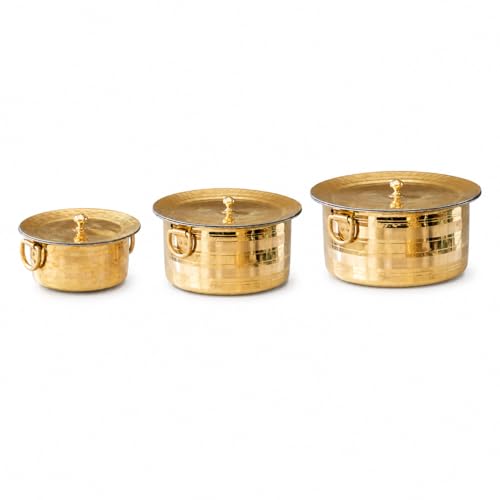
Handcrafted Excellence: Beautifully handcrafted with a golden exterior and silver interior, adding aesthetic appeal to your kitchen.

PREMIUM MATERIALS: Made entirely from FSC-certified Birch Wood, our wood Cutting Boards are the epitome of eco-friendly, non-toxic kitchen essentials. No plastics, no BPA, just pure, natural materials.

RESPONSIBLY SOURCED NORTH AMERICAN HARDWOOD: Our wooden cutting boards are FSC Certified Products, the most rigorous certification in the industry in terms of environmental sustainability
How to Keep Your Wooden Utensils Well-Oiled

How can we keep our wooden utensils well-oiled and looking great? It’s a question many of us face, especially if we love cooking with wooden spoons and cutting boards. Over time, these utensils can lose their shine and appeal, but don’t worry—there are simple ways to keep them in tip-top shape.
To maintain your wooden kitchen tools, try this: apply some food-grade mineral oil or linseed oil every few weeks. You don’t need to overdo it; just a small amount will do. Grab a clean rag, rub the oil on, and then let it soak in overnight. This little trick makes a big difference! What happens when your utensils start looking dull? That’s your cue to condition them and bring back their natural luster.
Here’s another tip: after applying oil, put on a thin layer of food-grade beeswax. This step isn’t just extra fluff; it really helps lock in moisture and protects against daily wear and tear. Honestly, taking care of wooden utensils isn’t hard, but it does require a bit of attention.
Keep an eye on how your utensils are holding up; if you live in a dry climate, you might need to reapply oil more frequently. It’s amazing what a little care can do for these kitchen staples. Regular maintenance also prevents warping and cracking, helping your utensils last for years.
Recommended Products

FOOD GRADE QUALITY - Our Mineral Oil is Food Grade, Light NF grade, colorless and odorless. This grade of mineral oil meets the requirements for U.S.P., National Formulary and Food Chemical Codex standards for use in food processing and preparation.
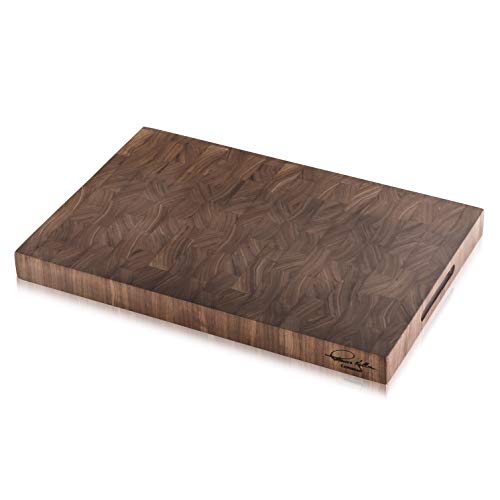
Uniquely handcrafted exclusively for Cangshan Cutlery in the USA.

WHITE MINERAL OIL : Protect and polish stainless steel surfaces
Identifying When Utensils Need Repair?
Ever notice your wooden utensils feeling a bit off? It can be tough to tell when they need some love, but there are a few signs to pay attention to. If you’re feeling roughness or fuzziness on the surface, that’s usually a signal that the grain’s raised from moisture. That’s your cue to grab some sandpaper and conditioning oil.
Keep an eye out for cracks or splits, too. These can be more than just eyesores; they can trap bacteria, which means you might have to say goodbye to those utensils. It’s important to prioritize your health over a sentimental attachment.
Now, if your wooden kitchen tools look dull and dry, they might just need a good dose of food-grade mineral oil. Try this: a quick conditioning can help restore their natural shine and extend their life. Also, have you ever heard creaking noises coming from your bowls? That’s a sign they’re under stress, and they could use some extra oil and moisture management.
Regular oil treatments not only prevent cracking but also help maintain the wood’s natural resistance to food stains and longevity.
Recommended Products

MINERAL OIL FOR EVERYTHING: White oil is used in food, automotive, beauty, construction and many more industries.

4 Gallons of 100% food grade mineral oil, NSF approved (certificate available upon request)

Acacia Wood – Crafted from solid acacia wood,this end grain cutting board cutting board is naturalvand eco-friendly, making it perfect for food prep
Best Practices for Storing Wooden Utensils
When you think about keeping your wooden utensils in great shape, proper storage is key. It’s crucial to find a dry, cool spot for them, away from direct sunlight and heat sources. This simple step can prevent warping, cracking, or discoloration over time.
Consider using a designated drawer or container for your wooden utensils. This not only keeps things organized but also separates them from metal or plastic tools that might scratch them up. Here’s the trick: avoid overcrowding! Giving your utensils enough space allows for air circulation, which helps prevent any unintentional damage.
Regularly check on your stored utensils. Are there signs of wear or moisture building up? Keeping an eye on them can save you from bigger problems down the line.
Before stowing them away for the long haul, applying a protective oil or beeswax coating can really help maintain their condition and prevent them from drying out. Honestly, it doesn’t take much effort, but it can make a world of difference.
To maximize longevity, it is also important to regularly treat wooden utensils with food-grade mineral oil, which maintains moisture and prevents cracking.
Sustainable Disposal of Damaged Utensils
Have you ever noticed a crack in your favorite wooden spoon? It’s frustrating when that happens, and sometimes, there’s just no saving them. When wooden utensils get those splits or cracks, it’s time to let them go. You don’t want to risk health issues from bacteria hanging around in those crevices.
Before tossing them in the trash, check out your local composting regulations. Some places allow wooden items to be composted, which is a great way to dispose of them sustainably. If your utensil is still in decent shape, don’t just throw it away! Get creative and think about repurposing it. You can easily turn it into garden stakes, or perhaps get crafty with some DIY projects.
Always remember to follow local waste management guidelines. It makes a difference by helping to reduce your environmental footprint. To stretch the life of your utensils even further, try regularly inspecting them for wear and tear. Catching issues early means you’ll cut down on the need for disposal, allowing you to enjoy your wooden utensils longer while being kinder to our planet. Using durable bamboo materials for kitchen items like utensils can also contribute to sustainable living and reduce waste.
Frequently Asked Questions
How to Maintain Wooden Cooking Utensils?
To maintain our wooden cooking utensils, we should follow proper cleaning techniques, employ effective drying methods, heed storage tips, observe usage precautions, and regularly oil them to prevent damage, ensuring their longevity and beauty.
Should I Put Mineral Oil on Wooden Spoons?
Yes, we should absolutely use mineral oil on wooden spoons. Its benefits include preventing splintering and ensuring food safety. We recommend regular application, following proper oil absorption tips, or considering alternative oils for similar effects.
How to Rehydrate a Wooden Spoon?
Imagine finding Grandma’s old wooden spoon. To rehydrate it, we can use rehydration techniques: soak it in food safe oils, restoring moisture while avoiding drying methods—this helps with wood preservation and keeps our cherished tool functional.
Should You Sand Wooden Utensils?
Yes, we should sand wooden utensils! Using proper sanding techniques with suitable abrasive options based on wood type helps maintain utensils care. We recommend smoother finishes and tools like sandpaper for superior results.