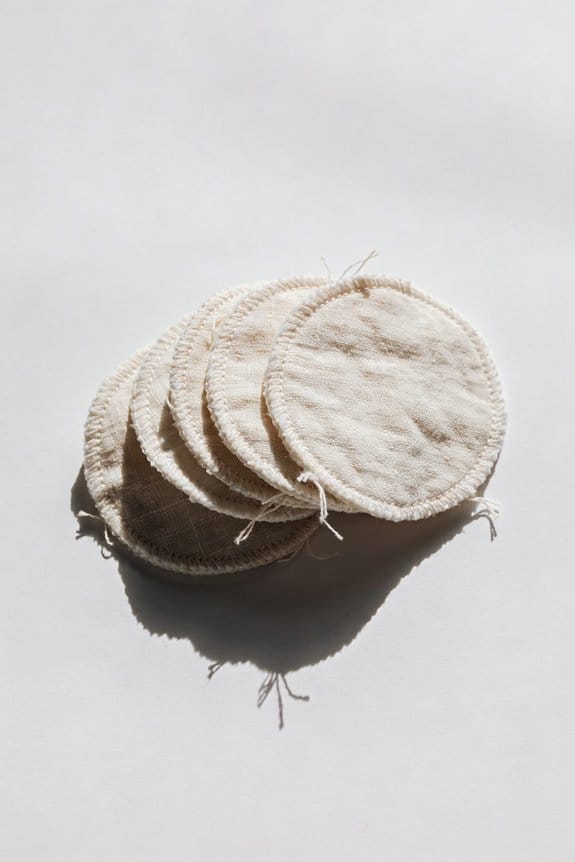


To weave a rag rug from scrap fabric, we start by collecting strips of old clothes or linens, cutting them to about 3/4 to 1 inch wide. We need a strong cotton warp thread to hold everything together. Set up a simple loom and use a plain weave technique, alternating the fabric strips over and under the warp. Let’s finish with a hem or twisted fringe. If we stick around, we can explore creative designs and finishing touches next!
Key Takeaways
- Gather strong cotton warp threads and cut scrap fabric into strips about 3/4 to 1 inch wide for durability and ease of use.
- Set up a loom and weave fabric strips using a plain weave technique, alternating strips over and under the warp threads.
- Use diagonal cuts on new fabric strips to minimize bulkiness when joining them together, ensuring a smooth transition in the design.
- Maintain tension on your warp threads and regularly check for evenness to prevent puckering and gaps in the rug.
- Finish edges securely by sewing a hem or twisting fringes to prevent fraying and ensure the rug’s longevity.
Understanding the Best Materials for Weaving a Rag Rug
When you think about weaving a rag rug, choosing the right materials can really make a difference. You want to use strips of woven fabric, like old clothes or linens. Aim for a width of about 3/4 to 1 inch—it makes the weaving process smoother and gives your rug some durability. And don’t forget about the warp thread! A strong one made from cotton is key since it holds all those weft strips together.
Thrift stores can be a treasure trove for vibrant scrap fabric. The best part is, each piece you pick adds a unique flair to your rug. When you’re joining those rag weft strips, try making diagonal cuts or using simple sewing techniques. This can help give your rug a seamless look, which is always a nice touch!
So, why does this matter? Well, trust me on this: opting for woven fabric instead of knits will make a huge difference in how well your rag rug holds up, especially in high-traffic areas. A rug made with the right materials can really stand the test of time.
To sum it all up, focus on using woven fabrics and strong warp threads for your rag rug project. It’s all about making something that not only looks good but lasts longer too. Choosing materials with durable double-stitched edges can enhance the longevity of your woven creations. What fabrics are you thinking about using for your next rug?
Recommended Products

MATERIAL: Premium unmercerized cotton 8/4 warp thread specifically designed for weaving and warping applications. The wide choice of colors will provide an excellent color palette for your handmade pieces.

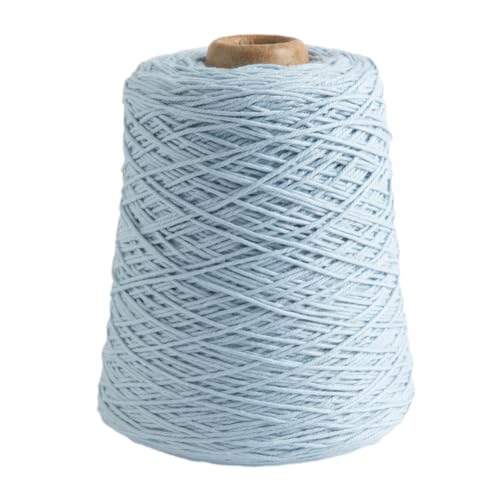
Worsted Weight: One single cone of Knit Picks Dishie in worsted weight 100% cotton yarn, 400 grams for 760 yards total
Preparing Your Scrap Fabric for Weaving

Have you ever stared at a pile of scrap fabric and wondered what to do with it? You’ve got old clothes, sheets, or even worn-out quilts sitting there, and it’s time to turn that clutter into something beautiful. Getting your fabric ready for weaving is actually simpler than it might sound.
Start by ensuring your fabric pieces are clean and in decent shape. Nobody wants to work with fabric that’s stained or seriously damaged. Next, you’ll want to cut or tear those pieces into strips that are about 3/4 to 1 inch wide. Keeping them fairly uniform in width helps with even weaving, but don’t stress too much if they’re not all exactly the same—those slight variations can add some character to your project.
Before diving in, pre-washing your fabric strips is a must. This step helps prevent shrinkage later on and clears away any annoying dyes or chemicals that might linger. Trust me, taking this precaution is worth it.
Here’s a clever tip: organize your fabric strips by color or pattern. Not only does this make the weaving process easier, but it also sets you up for a visually stunning rag rug. So, as you’re laying the groundwork for your piece, think about the colors or designs you want to come together.
In short, gather your scraps, prep them properly, and have fun with the design! What exciting patterns are you thinking of creating? Remember that using durable materials can make your finished product last longer and maintain its appeal.
Step-by-Step Weaving Techniques for Your Rag Rug

Starting a rag rug can feel a bit overwhelming, right? But it’s also super rewarding! Let’s break down the weaving techniques you’ll need.
First things first, prep your scrap fabric into strips. Aim for about 3/4 to 1 inch wide—this size really works well for achieving that cozy, handmade look. Next, set up a simple loom with strong cotton warp threads. These threads are what hold your fabric under tension.
When you start weaving, it’s all about that plain weave structure. You’re going to alternate your rag strips over and under the warp threads. This method not only helps with even coverage, but it also adds durability to your rug. So, what’s the best part? You can really play with colors and patterns as you work!
If you’re wondering what to do when it’s time to add new strips, I’ve got a little trick for you. Make diagonal cuts on the ends of your new fabric pieces. This keeps the bulkiness down and makes for a smooth transition. Trust me, it’ll save you a lot of headaches later on.
To finish things off, you can twist your fringe or sew a hem. This step really helps secure those edges beautifully.
For an eco-friendly project, consider using biodegradable materials to minimize environmental impact while crafting your rug.
Recommended Products

Pile: Cotton - Backing: Cotton - Weave: Hand Braided - Made In: India
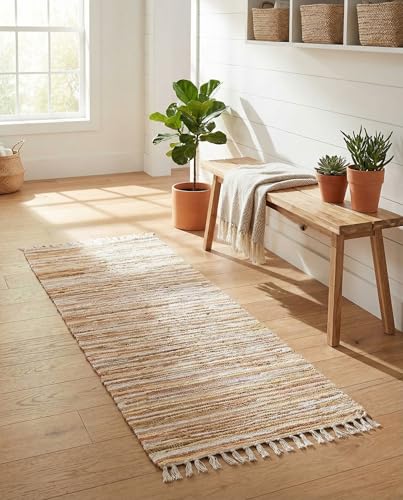
At 2' x 6' Runner, this area rug is the perfect size for living rooms, large dining rooms, open floorplans, or anywhere you want to bring a little more style into your home.

Quality Cotton – Soft, strong, and long-lasting for beautiful, usable potholders.
Common Weaving Mistakes and How to Fix Them
Weaving a rag rug can be so rewarding, but let’s face it, mistakes pop up here and there. One of the biggest hiccups is when you use fabric strips that are just too thick. It’s best to keep them around ¾ to 1 inch wide to make sure you get a nice, even texture—no one wants a lumpy rug!
If you notice puckering at the selvedges, don’t worry. This is a common issue and can usually be fixed by adjusting the beat. You want to pack the weft firmly throughout your rug, which will help smooth things out.
Joining rag weft strips can be a real challenge, too. The trick? Use diagonal cuts when connecting them. This cuts down on bulk and makes the joins a lot sleeker. And when you do sew those ends together, just take your time to ensure they’re secure.
As you wrap up your rag rug project, don’t overlook the importance of securing those fringes. Loose fringes can easily unravel and can ruin all the wonderful work you’ve done. Giving them that extra tightness helps ensure your rug sticks around for a long time.
To keep your workspace fresh and free of odors during your project, consider using activated charcoal bags which effectively absorb odors and improve air quality.
Recommended Products
Marking Social Distance: you will get 12 rolls carpet marker strips school supplies in 6 different colors about blue and gray, that look bright and lovely to help you attract kids' attention, and they are suitable for social distance marking for customers and employees
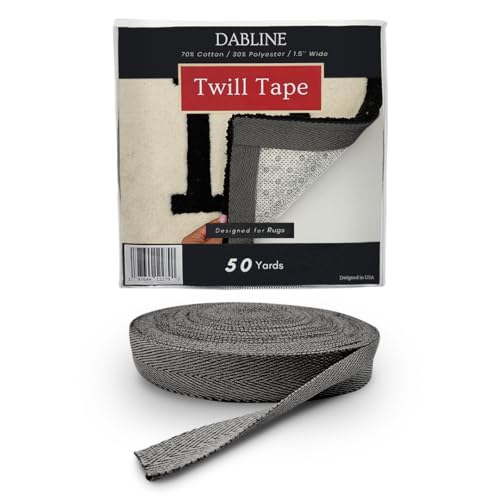
BOOST YOUR RUG'S VALUE: Enhance your rug's appeal and sale value with a professional and clean finish, ultimately boosting its sale value and overall market appeal.

Set of 50 Strips – Includes 50 assorted multi-color fabric strips in a variety of tones and patterns
Tips for Maintaining Tension and Consistency While Weaving
Crafting a beautiful rag rug? It’s a lot of fun, but if you want it to turn out well, keeping your tension and consistency in check is key. Let’s dive into some hands-on tips to make your weaving experience smoother.
First off, keeping those warp threads taut is crucial. You can do this by using a tensioning device or simply adjusting your loom as you go. If your threads start to sag, it can throw everything off and lead to an uneven look. Have you ever noticed how a temple can work wonders for managing your fabric’s width? It helps keep those selvedges straight and reduces any unnecessary strain, which is a gamechanger.
When you’re busy beating the weft, remember to do it firmly but gently. It’s a delicate balance—too much force can create gaps that disrupt your design. Also, whenever you’re joining new strips, make sure they overlap well and give a little tug. This keeps the tension steady and smooths out any lumps.
Checking your work regularly is something you don’t want to skip. If you take a moment to inspect the evenness of your weave, you can catch issues early and make adjustments as needed. Trust me; it saves you a headache down the line.
In the end, maintaining that tension and consistency isn’t merely technical; it’s part of the joy in creating. For added inspiration, consider incorporating eco-friendly materials known for their durability and aesthetic appeal in your projects. So, what challenges have you faced while weaving your own rugs?
Recommended Products


Rusty Crow Rag Rug Book and Tool is easy to turn scraps into wonderful rugs

(Size) Double - Headed Wooden Woven Comb is 20cm/7; 87Inch Long, 6; 2cm/2; 44Inch Wide On One Side, and 2; 5cm/0; 98Inch On The Other Side
Creative Ways to Finish Your Rag Rug
Finishing your rag rug can honestly be just as satisfying as the weaving part. You’ve spent so much time creating something beautiful, so why not make sure it’s finished just as nicely? One option you might consider is twisting the fringe at the ends. It not only looks decorative but also gives you some sturdy edges.
Alternatively, if you prefer a cleaner look, try folding over the edges and sewing a hem. This is a simple way to prevent that annoying fraying that can happen. Plain knots are another great quick fix, adding a bit of rustic charm to your work without a lot of fuss.
Want to really enhance the visual appeal? Adding a contrasting fabric strip as a border can truly make your rug pop while also reinforcing its durability. And if you’re feeling a bit adventurous, you could even add some beads along the edges. It’s a unique detail that can really set your rug apart from the rest.
All of these finishing methods not only make your rug look great, but they also help ensure it lasts for years to come. Additionally, using materials with natural durability similar to bamboo can help maintain the rug’s quality over time. So, how do you want to finish your masterpiece? Let’s get creative and make your rag rug truly one-of-a-kind!
Recommended Products

VERSATILE USE: This tassel twister can be used to make tassel on blankets, shawls, tapestries, scarves, and more, or make twisted ropes individually.


Strong Cord Trim: 5mm (Approx. 3/16”) in thickness, this decorative cord is twisted by 3 strands. It’s thick and strong for your craft projects; Quantity: 1 roll, about 18m / 19.5yards / 59feets totally.
Fun Ideas for Patterns and Designs in Your Rug
The thought of creating your own rug can be a bit daunting, can’t it? But starting with a unique pattern can really bring your design to life. Mixing materials like cotton, denim, and knits not only adds depth but also an interesting texture that makes your rug stand out.
Try this: Think about incorporating geometric shapes like triangles or diamonds. Arranging your fabric strips into these fun shapes can give your rug a modern touch. If you’re feeling crafty, using a tapestry needle to add little motifs as you weave can really personalize your project. It’s all about making choices that reflect your style.
What about adding some bold stripes? Alternating solid colors with patterned fabrics can be a fantastic way to grab attention. Just imagine how those contrasting colors would pop!
Don’t forget about themed designs, either. Sticking to specific colors or patterns, like stripes or plaids, helps pull everything together. Frankly, having a cohesive style can elevate your rug from simply functional to a true statement piece.
Want to dive into a creative project? With a little imagination, you can craft something truly special for your space. So, what will you create next?
How Can You Use Leftover Fabric Scraps in Your Projects?
Have you ever found yourself staring at a pile of leftover fabric scraps and wondering what to do with them? You can actually create some amazing rag rugs from old clothing, sheets, or even curtains. Just grab your scissors and cut those scraps into strips about 3/4 to 1 inch wide.
Try this: you can either braid or weave the strips together. Not only does this give your rug a cool look, but it also makes it stronger and more durable. A little tip—using woven fabric instead of knits will help your rug last even longer.
Now, here’s the trick for keeping your design seamless: join the rag weft strips with diagonal cuts. It’s a simple way to keep your project visually interesting while also making sure you’re repurposing textile waste. So, why does this matter? It’s all about being creative and conscious of our impact on the environment.
The best part is that by turning your leftover fabric into something beautiful, you’re not just cleaning up your crafting space—you’re also helping the planet. In fact, incorporating sustainable practices in crafting supports reducing waste and promotes eco-friendly habits.
Let’s get stitching! What’s your favorite way to repurpose leftover fabric?
Frequently Asked Questions
Can I Use Synthetic Fabrics for My Rag Rug?
Sure, we can use synthetic fabrics in our rugs! They offer vibrant color combinations and durability factors. As we explore weaving techniques, let’s remember maintenance tips and eco-friendly options for a fantastic fabric texture!
How Long Will It Take to Weave a Rag Rug?
Weaving a rag rug’s project duration varies; it depends on our weaving speed, fabric choice, loom type, and skill level. Regular work breaks help, while final touches can take additional time to achieve perfection.
What Types of Looms Are Best for Rag Rug Weaving?
Imagine weaving a tapestry of memories; for that, the best looms include floor looms, table looms, and rigid heddle. Beginners may also love knitter’s looms and alternative weaving tools for a delightful start!
Can I Wash My Rag Rug After It’s Finished?
Yes, we can wash our rag rug! We suggest hand washing or using a gentle washing machine cycle. For drying, avoid direct sunlight to prevent color fading and guarantee proper fabric care for lasting rug maintenance.
Where Can I Find Inspiration for Designing My Rug?
We can find inspiration for designing our rug in a mix of color combinations and pattern ideas. Let’s explore vintage fabrics, modern designs, and cultural influences to reflect our personal styles and create mesmerizing texture contrasts.