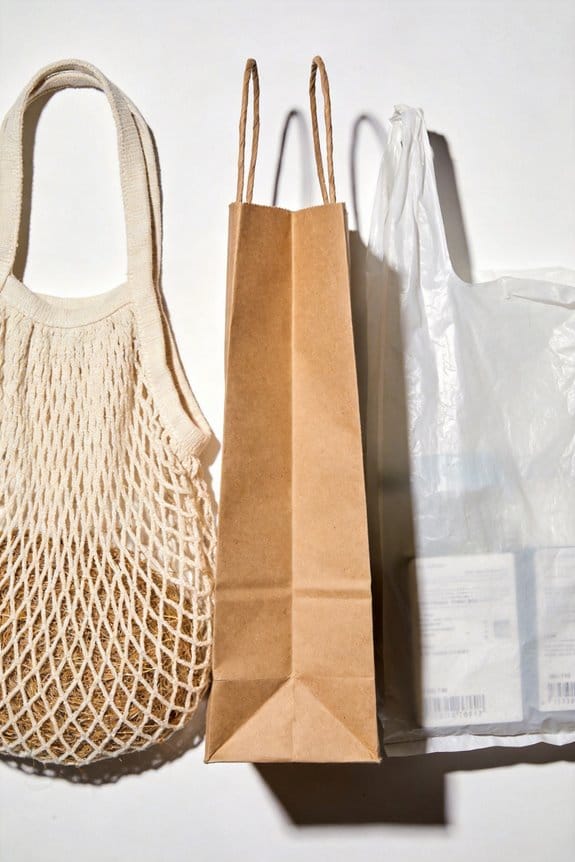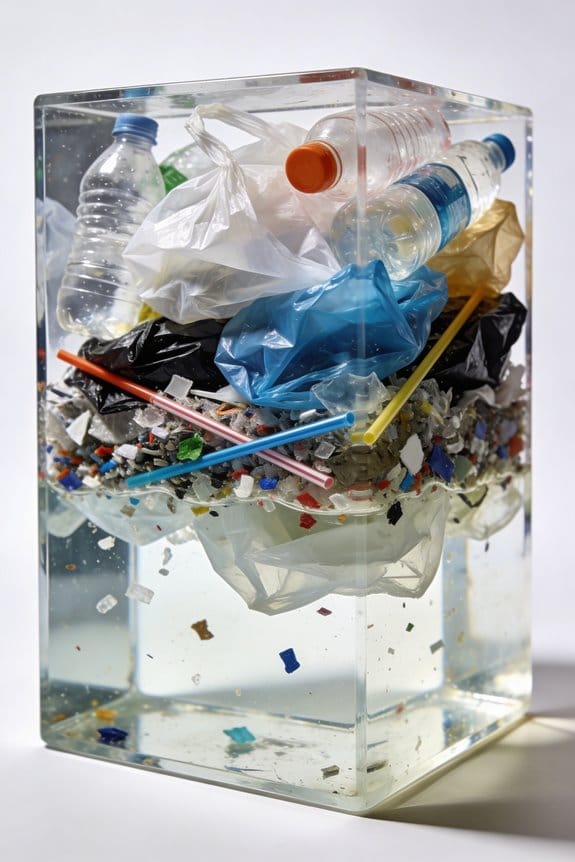


Cotton totes require a lot of resources, using about 2,500 liters of water and emitting 272 kg of CO2 during production. In contrast, plastic bags only produce 1.6 kg of CO2. However, a single cotton tote can replace hundreds of plastic bags, making its reuse essential. We need to use cotton totes around 50 to 150 times to truly benefit the environment. If you stick with us, you’ll find out more about their environmental impact and sustainability.
Key Takeaways
- Cotton totes require about 2,500 liters of water and emit 272 kg of CO2 during production, surpassing the environmental costs of plastic bags.
- One canvas tote utilizes energy equivalent to about 400 plastic bags, making them more durable and less wasteful over time.
- Biodegradability of cotton totes contrasts sharply with plastic bags, which can persist in landfills for up to 1,000 years.
- Cotton totes must be reused 50 to 150 times, or even up to 7,100 times, to offset their environmental impact effectively.
- Initiatives promoting reusable bags and educating on recycling can help mitigate the ecological effects of both cotton totes and plastic bags.
Cotton Totes vs. Plastic Bags: Which Is More Sustainable?
Have you ever thought about how the bags you use impact the environment? It’s pretty eye-opening when you start comparing cotton totes with plastic bags. For instance, making a cotton tote uses about 2,500 liters of water just for a fabric that’s similar to a T-shirt. On the flip side, plastic bags are made from fossil fuels and require less energy, which makes them cheaper and easier to produce.
So, let’s talk sustainability. To really make cotton totes worthwhile, you need to use them about 50 to 150 times before they become a greener choice compared to plastic. We all know that plastic bags usually get tossed out after a single use, adding to our growing waste problem. Did you know that producing one cotton tote creates around 272 kg of CO2? In comparison, you’d only get 1.6 kg of CO2 emissions from the same quantity of plastic bags.
What’s the silver lining here? Cotton totes are biodegradable, meaning they break down over time, while plastic bags can sit in landfills for up to 1,000 years. That’s a long time to be polluting our planet! If we all commit to using cotton totes as they should be, we can help reduce our carbon footprint significantly.
One of the reasons organic cotton is a better choice is its GOTS certification, which ensures environmentally friendly farming and fair labor standards.
Here’s a tip: Keep a cotton tote in your car or by your door so you won’t forget to grab it before heading out. It’s a small change, but it can lead to making better choices when you’re shopping.
In short, while cotton totes require a bit more commitment upfront, they have lasting benefits for the environment. So, which bag are you going to choose next time you hit the store?
Recommended Products

Wholesale Bulk Pack for Businesses – Get 100 custom canvas tote bags perfect for corporate giveaways, trade shows, and retail branding campaigns.

Premium Organic Cotton: Crafted from 100% GOTS certified organic cotton, our tote bags are as natural as it gets. Feel good knowing that you're making an eco-conscious choice every time you use them.

PREMIUM MATERIAL: These canvas tote bags are made of high-quality cotton, strong and durable, with a sturdy bottom and reinforced handles, making them suitable for daily use.
The Resource-Intensive Life Cycle of Cotton Totes

Ever thought about the real cost of those cute cotton tote bags we all love? While they seem eco-friendly, it’s time to peek behind the curtain at their resource-heavy life cycle. Believe it or not, making just one cotton tote can use up to 2,500 liters of water. That’s mind-boggling for a single bag, right?
Then there’s the farming aspect. Conventional cotton farming often leans heavily on pesticides, which can hurt both biodiversity and human health. So, why does this matter? It all adds up to a bigger environmental impact than you might expect. A Danish study found that to truly make a cotton tote sustainable, you need to reuse it at least 7,100 times. Yeah, you read that right—7,100 times!
Now, let’s talk about carbon emissions. The production of cotton bags emits about 272 kg of CO2, which is significantly more than the 1.6 kg produced by 1,000 plastic bags. It’s a surprising comparison that makes you reconsider which option is truly better for the earth.
To really lessen their carbon footprint, it’s crucial to use your cotton totes regularly and for the long haul. Here’s the trick: take them shopping, use them for groceries, or even as your everyday handbag. The best part is that the more you use them, the more sustainable that single tote becomes.
An eco-friendlier alternative to consider is using bamboo products, which are made from renewable resources and offer durability alongside environmental benefits.
In short, while cotton totes have their perks, we can’t ignore the resources that go into them. So, how many times have you used your cotton tote this week? Let’s work on maximizing their lifespan for a greener planet together!
The Environmental Impact of Plastic Bags: Key Insights

Plastic bags are a huge part of our daily lives, but have you ever stopped to think about their impact on the environment? Around 500 billion single-use plastic bags are used every year worldwide. That’s a staggering amount! To make matters worse, these bags can take anywhere from 10 to 1,000 years to decompose, which means they create a long-lasting waste problem in landfills.
One of the biggest issues with plastic bags is their lightweight design. They often end up as litter, which can be deadly for marine life; animals can accidentally ingest them or get caught up in them. Truth is, the production of plastic bags relies heavily on fossil fuels, so we’re draining our non-renewable resources faster than we can replenish them.
So, what can you do about this? Try swapping out your plastic bags for reusable alternatives like cotton bags. These options are not only better for the planet, but they’re also biodegradable! Many places have started enforcing bans or charging fees for single-use plastic bags, which is a step in the right direction.
The best part is that making this switch is simple. Whenever you head to the store, keep a reusable bag handy or stash a few in your car.
Honestly, the effort you put into reducing your plastic bag usage can have a big impact. It’s a small change that contributes to a healthier planet. Have you thought about what other changes you can make to help?
Using heavy-duty canvas bags as reusable options can significantly improve durability and environmental benefits compared to single-use plastic bags.
Durability Comparison: Canvas Totes vs. Plastic Bags
Ever find yourself juggling flimsy plastic bags while trying to carry groceries? I know the struggle all too well. That’s why switching to canvas tote bags can make a world of difference. Unlike those easily torn plastic bags, canvas totes are built to last. They can hold more weight and manage repeated use without falling apart. It’s like investing in a solid friend for your shopping trips.
Now, let’s talk numbers. One canvas bag might seem like it takes a lot of energy to make—about as much as producing 400 plastic bags. But think about it: that single canvas bag can be reused countless times. This greatly cuts down on waste over time. If you treat your canvas tote right, you’ll be using it for years instead of tossing it after one trip. A little care goes a long way! Just wash it occasionally and check for any wear.
So, why does this matter? Well, when you think about repairs, it gets even better. If your canvas bag wears out, a quick sewing job can fix it right up. In contrast, once a plastic bag is torn or crumpled, it’s headed straight to the landfill.
Truth is, making a change like this isn’t just good for your shopping routine; it’s a step towards being more eco-friendly. Many recycled plastic bags, like those made with post-consumer recycled materials, offer alternatives that reduce new plastic production and help protect the environment. So, next time you head out to the store, consider swapping out those plastic bags for a sturdy canvas tote. It’s a small change that can have a big impact. What will you carry in your canvas bag today?
Recommended Products
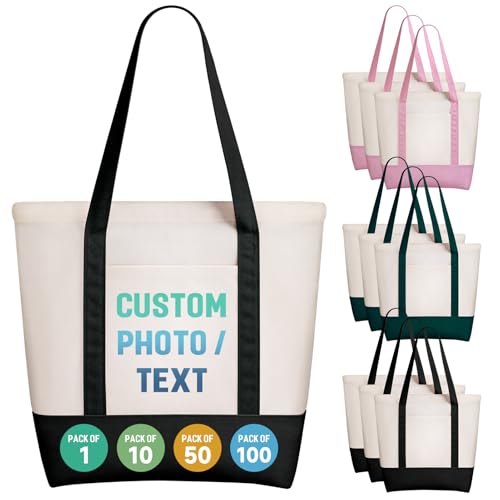
Personalized Tote Bags: Customize your canvas tote bag with a logo, text, or unique art design. Available in three colors: Black, Pink, and Dark Green, with bulk offer canvas tote bags

Bulk Value Options: Choose from 10, 50, 100, or 250 packs, ideal for business promotions, trade shows, events, and giveaways.

TOTE BAGS – Canvas Shoulder Tote Bags are perfect for grocery shopping, delivery, gifts, or even a picnic. Ready for anything – These tote bags bags can be used for all of your regular activities. Our bags are easily washable so you can reuse them for a long time.
How Often Should You Use a Tote for Sustainability?
How often should you really be using a cotton tote bag to make a difference? That’s a question worth pondering, especially as we try to tackle the issue of plastic waste. Studies suggest that to offset the environmental impact from producing a cotton tote, you should aim to use that bag around 50 to 150 times. But if you’re striving for full sustainability, some research even puts that number up to 7,100 uses. It sounds like a lot, right?
Now, I get it—single-use plastic bags may seem like the cheaper option in the moment, but think about it this way: one cotton tote can replace hundreds, maybe even thousands, of those pesky plastic bags over time. Plus, cotton totes are super durable. You can use them for everything from grocery shopping to hauling books, or even just carrying your stuff around town.
So, what’s the takeaway here? By making a conscious effort to use your tote bags more frequently, you’re not just reducing plastic waste; you’re actively boosting your own sustainability game. Here’s the trick: keep your tote handy. Stick one in your car, another by the front door, or even in your work bag. The more accessible your tote is, the more likely you are to use it.
Truth is, every little bit helps. Each time you grab that tote rather than a plastic bag, you’re voting for a healthier planet. So, let’s make those cotton totes a regular part of our lives. How many times have you reached for yours this week? Remember, choosing a bag with GOTS certification ensures it supports sustainable farming and is free from harmful chemicals.
Recommended Products

✅【 Industrial i3200 Printhead 】5× Faster Than L1800/L805:Epson i3200 industrial printhead prints A3 in just 2 minutes – 5× faster than standard L1800, L805, or xp600 machines. Perfect for high-volume custom apparel businesses.
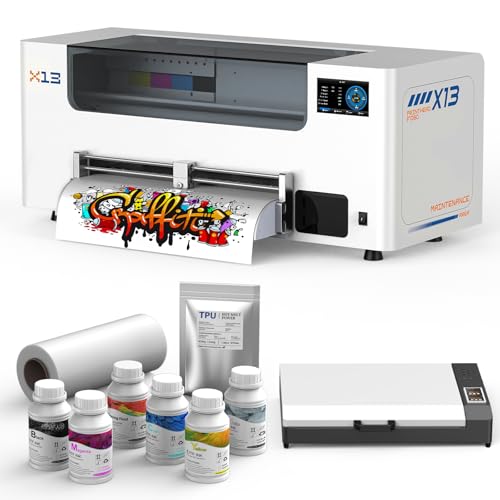
✅【Two Years Ink Supply】With your printer purchase, you’ll receive a two-year supply of ink— 5 bottles (250ml each) and 500g of powder! Get a new set every two months, and you only need to cover the shipping

✅【 Industrial i3200 Printhead 】5× Faster Than L1800/L805:Epson i3200 industrial printhead prints A3 in just 2 minutes – 5× faster than standard L1800, L805, or xp600 machines. Perfect for high-volume custom apparel businesses.
The Water and Pesticide Cost of Cotton Production
When you’re thinking about cotton for those cute tote bags, it’s hard to overlook the environmental costs tied to cotton farming. Did you know that producing just one T-shirt can use around 2,500 liters of water? That’s a serious amount of resources for a single item! On top of that, traditional cotton farming often means an over-reliance on pesticides, which can harm both biodiversity and human health. These chemicals can seriously mess with our soil and contribute to water runoff problems.
Here’s the trick: while organic cotton farming is a better option—using about 91% less water—it still requires quite a bit of water. It might seem overwhelming, but there are ways to help lower the environmental impact of cotton production. For instance, choose brands that focus on sustainable practices or even consider alternatives to cotton when possible.
So, why does this matter? Every little choice counts. When you’re considering which tote bags to buy, think about the longer-term effects on our planet. The best part is that by supporting sustainable brands, you’re contributing to a healthier future. Using products with GOTS certification helps ensure organic growth and environmental standards are met.
Long-Term Pollution From Single-Use Plastic Bags
Have you ever thought about where all those single-use plastic bags go after you empty your groceries? It’s a question worth considering because the long-term impact of these bags on our environment is pretty alarming. Around 500 billion plastic bags are used worldwide each year, and a lot of them end up as litter in our streets, parks, and oceans. They can take anywhere from 10 to 1,000 years to break down, and during that time, they wreak havoc on our planet.
Wildlife often gets caught in this mess. Have you seen those heartbreaking images of animals tangled in plastic or mistaking it for food? It’s a real problem. Plus, these bags are made from petroleum, which isn’t just a non-renewable resource but also contributes to carbon emissions. That’s something we should all care about.
So, what’s the alternative? Cotton tote bags might pop into your mind as a more eco-friendly choice, and while they’re biodegradable, their production does come with its own environmental cost. Think about it: you might be helping the earth by choosing reusable, but the energy and resources needed to produce those bags can still burden the environment.
Try this: next time you’re shopping, consider how many bags you really need. Maybe skip the bag altogether for smaller purchases. The best part is, it’s not just about making a choice for now; it’s about thinking ahead.
Simply put, when it comes to single-use plastic and reusable options, we’ve got to think about the long-term impact. It’s a complex situation, but being aware is the first step toward making a better choice for our planet. What small change can you make today to reduce your plastic usage? Using biodegradable trash bags is another way to reduce environmental harm and support sustainable waste management.
Effective Strategies for Reducing Plastic Bag Use
Have you ever thought about how many plastic bags you go through in a week? It’s kind of shocking when you stop to count them. The problem with those single-use plastic bags is pretty clear—they’re causing major environmental issues. But there are some simple changes we can make to tackle this.
One effective strategy is to put bans or taxes on plastic bags. Many places have found success with this approach, and it really makes people think twice before grabbing that bag at the store. Instead, why not embrace canvas totes? They can replace a ton of single-use bags over time, which really cuts down on the plastic we use. Plus, these reusable bags aren’t just good for the planet; they also look great and last a long time.
Education is key here, too. If people know how to properly dispose of plastic bags—whether it’s recycling or composting—they’re more likely to do it. So, what can you do? Start by informing yourself and sharing that knowledge with friends and family. Community initiatives that encourage folks to bring their own bags can make a real difference.
Frankly, it doesn’t have to be complicated. You can take these small steps, and they really add up. Each time you remember to bring your tote or say no to plastic, you’re making a positive impact. Many reusable canvas bags offer reinforced handles and durable materials that ensure they last through many uses, increasing their environmental benefits.
In the end, it all comes down to awareness and personal choice. So, what will you choose in your daily life?
Recommended Products

13"W x 15"H x 5"D, 100% Recycled Cotton Canvas Tote Bag with Natural Cotton Handles, Reinforced Stitching. Inside Pocket: Practicality meets convenience with an inside pocket, allowing you to keep your essentials organized. From keys to a small notebook, this added feature enhances the functionality of your tote.

Simply Cool Tote Bag - It's the ideal economical tote for groceries, shopping, books, travel, or going to work. Say goodbye to wasteful plastic for this endlessly reusable tote you can depend on. Our bulk options are great for DIY, advertising, and promotion

100% Cotton Canvas - Made of premium 6oz cotton canvas, these bags are durable, strong and built to last. Perfect for daily use, grocery shopping, farmers market, beach, books, work, gym and more
Recycling Challenges: The Lifecycle of Tote Bags
Recycling cotton tote bags can be more complicated than you’d think. A lot of local recycling facilities just aren’t set up to handle cotton canvas, which leads to some pretty significant hurdles when it comes to recycling. These bags are meant to be reused, but it’s crucial to ensure you’re doing that effectively to keep waste down. When those tote bags finally have to retire, you might consider composting them if they’re free from toxic dyes. Unfortunately, this isn’t something many people know about or practice.
Now, you might be wondering about plastic bags. They’re made from materials that can actually be recycled, but the truth is, the facilities prepared to handle them are few and far between. This often results in excess plastic bags piling up in landfills. So, what can you do?
Try upcycling those cotton totes into something new! It’s a creative way to reduce waste and can even be a fun project. Think about turning that old bag into a stylish pouch or even a small plant holder. The best part is you get to flex your creativity while being eco-friendly.
At the end of the day, the journey of a tote bag doesn’t have to end in the trash. With a little thought about reuse and upcycling, you can help minimize waste and make something beautiful at the same time. So, why not give it a shot? Selecting bags made from organic cotton is a sustainable choice that enhances durability and breathability, contributing to a longer lifecycle.
Recommended Products

Tote Bags and Makeup Bags Set: you will receive 15 pcs canvas tote bags in boho colors and 15 pcs zipper cosmetic bags; A nice combination can meet your daily needs, replacement or DIY needs, you can also share with your family and friends on festival and activities

What You Get: you will receive 14 pieces of blank canvas tote bags and 14 pieces of zipper cosmetic bags, totally 28 pieces, enough quantity to meet your daily use, replacement or DIY needs, you can also share them with your family and friends

25-Pack Wholesale Cotton Canvas Tote Bags
Frequently Asked Questions
Is a Cotton Bag Better Than a Plastic Bag?
In the sustainability debate, we believe cotton bags offer better long-term benefits than plastic. Their lower environmental impact, when reused appropriately, supports responsible consumer habits and improved waste management compared to single-use plastic bags and their production processes.
How Long Is the Life Cycle of a Plastic Bag?
Plastic bags typically last a mere 10 to 1,000 years in landfills. Their durability complicates waste management and recycling processes, showcasing our consumer behavior’s impact on the environment as we use around 500 billion yearly.
How Long Does a Cotton Tote Bag Last?
A cotton tote bag lasts 5 to 10 years with proper maintenance. Its durability factors, eco-friendly materials, and frequent usage greatly reduce environmental impact, making it a cost-effective choice over disposable plastic bags.
How Does Using Cotton Tote Bags Instead of Plastic Bags Benefit the Environment?
By choosing cotton tote bags, we’re embracing sustainable materials that drastically reduce landfill impact and ocean pollution. This simple switch promotes resource conservation, lowers our carbon footprint, and fosters environmental awareness in our consumer behavior.