


When we compare organic cotton to conventional cotton, the difference in pesticide use is striking. Conventional cotton uses around 9 kilograms of pesticides per kilogram produced, causing health risks, like skin irritations and long-term effects on children. In contrast, organic cotton farming avoids synthetic pesticides altogether. This means safer products and a healthier environment. Plus, organic practices reduce water pollution by 91% compared to conventional methods. Let’s explore why choosing organic cotton is beneficial for our health and the planet.
Key Takeaways
- Conventional cotton farming uses approximately 9 kilograms of pesticides for every kilogram produced, posing significant health risks to consumers and communities.
- Organic cotton is grown without synthetic pesticides, reducing health hazards linked to chemical exposure and promoting safer products.
- The use of organic farming practices enhances soil health and biodiversity compared to conventional methods that degrade the environment.
- Certifications like GOTS ensure organic cotton farming avoids harmful pesticides, supporting environmental sustainability and cleaner waterways.
- Choosing organic cotton empowers consumers to advocate for ethical farming practices and minimize pesticide use in agriculture.
Understanding Conventional Cotton and Its Pesticide Use
When you think about cotton, have you ever wondered how it’s actually grown? It’s crucial to dive into the details, especially when it comes to pesticide use in conventional cotton. Did you know that this type of cotton makes up about 16% of the world’s pesticide use, all while only taking up 2.5% of agricultural land? That’s a significant impact for something many of us wear daily!
Farmers in developing countries often rely on harmful pesticides that are banned in countries like the U.S. This means local communities are put at risk for serious health issues—everything from skin irritations to long-term concerns like cancer. So, why does this matter? Because the heavy use of these synthetic pesticides isn’t just impacting farmers; it’s also affecting local wildlife and ecosystems, leading to a troubling loss of biodiversity.
You might not realize it, but cotton farming contributes to about 7% of global pesticide use. This raises some pretty significant concerns about the environment and even food safety. The ongoing use of these chemicals can degrade soil health and water quality, affecting us all.
The best part is, when you become aware of these issues, you can start making informed choices about the cotton products you buy. Whether it’s seeking out organic options or supporting brands that prioritize sustainability, there are ways to make a difference.
Choosing products made from eco-friendly materials can also help reduce the environmental impact associated with conventional cotton farming.
In short, knowing how conventional cotton is grown and the impact of pesticide use helps us make better choices. So next time you go shopping, consider what’s behind the cotton you’re about to purchase. What steps can you take to support more responsible sourcing?
Recommended Products

A True Performance Product

Hardwearing, comfortable and warm trousers for winter adventures.

Built with durable G-1000 Eco fabric, the Fjallraven Kaipak Jacket features under-arm stretch panels to ensure you're covered no matter where your next hike takes you.
The Environmental Impact of Conventional Cotton Pesticides

Have you ever thought about where your cotton clothes come from? While cotton’s soft and comfy, it’s crucial to know about the pesticides used in conventional farming. Believe it or not, conventional cotton farming uses around 16% of the world’s insecticides and 7% of pesticides. That’s a lot! Unfortunately, this misuse leads to contamination of our soil, water, and air. For just one kilogram of conventional cotton, about 9 kilograms of pesticides get dumped on it!
Now, why does this matter? These harmful chemicals pose health risks not only to the farmers but also to the people living nearby. They can lead to serious health issues and affect our local communities. Beyond that, these pesticides put non-target species and entire ecosystems at risk, leading to biodiversity loss. It’s a real problem that’s often overlooked.
There’s something you can do, though! Try swapping out conventional cotton for organic cotton. When you choose organic, you’re supporting farming practices that avoid those nasty pesticides. This helps protect the environment and ensures a healthier future for all of us.
Honestly, your clothing choices can have a big impact. Every time you opt for organic over conventional, you’re making a difference. Let’s also be mindful of using eco-friendly materials in all aspects of our lifestyle to further reduce environmental harm. Let’s make better choices together. What’s one small change you can make today?
Health Risks: How Conventional Cotton Pesticides Affect Your Well-Being?

Have you ever thought about what’s really in your cotton clothes? Understanding the health risks linked to conventional cotton pesticides is crucial, especially since these chemicals are all around us and can cause some serious issues. Think about it: pesticide residues can stay on cotton products, leading to skin irritations or allergic reactions. What’s even scarier is that long-term exposure might mess with your hormones or even up your chances of getting cancer. Kids are particularly at risk due to their still-growing bodies, making this a big concern for families.
And it’s not just about personal health; there’s an environmental impact too. Cotton farming can contaminate local water supplies, putting communities in danger with toxic conditions. Studies show that people working in agriculture, along with those living nearby, have higher risks of respiratory problems and even neurological disorders. So, why does this matter? Recognizing these health risks allows you to make informed and safer choices for you and your loved ones.
Here’s the trick: if you’re shopping for cotton products, look for organic or sustainably sourced options. They often use fewer harmful chemicals, benefiting both your health and the environment. It might take a little extra time to find these products, but it’s worth it.
Truth is, knowing what’s out there helps keep us safe. Compostable alternatives made from renewable materials like sugarcane fibers are a great example of eco-friendly products that reduce harmful chemical exposure. Let’s stay informed and make choices that support our health and those of our families. What steps are you taking to shop safer?
Recommended Products
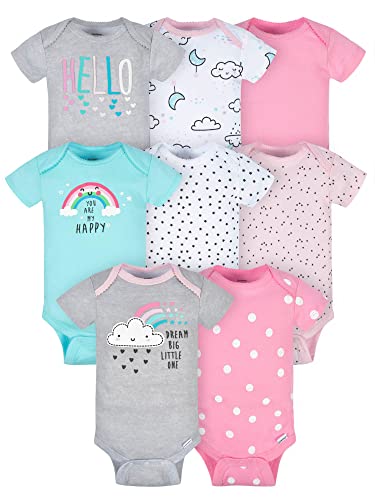
The information below is per-pack only

100% merino wool (boiled wool). Lining made from 100% organic cotton, lining covers only hood and neck area.

100% merino wool (boiled wool).
Key Differences Between Organic and Conventional Cotton
Have you ever thought about where your cotton comes from? The difference between organic and conventional cotton is pretty important, affecting not just our health but the health of our planet, too.
Here’s the rundown: organic cotton is grown without synthetic pesticides, while conventional cotton relies heavily on these harmful chemicals. In fact, conventional cotton contributes to about 16% of the world’s insecticides! These pesticides can seep into the soil, water, and air, which isn’t just bad for the environment but also poses risks to human health and wildlife. So, why does this matter? Well, when you opt for organic cotton, you’re supporting farming practices that promote biodiversity. Think natural pest control methods like crop rotation and using beneficial insects. Plus, certified organic cotton is free from toxic residues, meaning fewer skin irritations and other health problems for you.
Now let’s talk about the impact on the environment. Conventional cotton farming often leads to soil degradation and higher emissions. But organic practices? They can actually improve soil health and work toward sustainability. The best part is that choosing organic cotton means you’re backing safer products for yourself and a healthier planet for future generations. Using organic matter and microbial activity to improve soil health is a key advantage of sustainable farming methods.
In short, being mindful of your cotton choices can make a difference. Are you ready to make the switch?
Recommended Products

LUXURY DESIGN: Made with 100% Egyptian Cotton and 1200 thread count; Buttery-soft texture with a subtle shimmer from sateen weave finish; Solid pattern is available in a variety of color options to update any bedroom

SECURE FIT FOR DAYCARE COTS: Designed with elastic loops at each corner, each daycare cot sheet securely fastens to cots for kids, ensuring a snug fit and a smooth sleeping surface.

TOXIN-FREE – this mattress contains no petrochemical polyfoams, no fiberglass, no toxic flame retardants, and as of January 2025 our updated design no longer contains a rayon-poly blend. Just cotton, wool, natural latex and springs - those are the only ingredients in this mattress.
How Organic Farming Uses Natural Pest Control
Have you ever thought about how the way we grow cotton can make a big difference for the environment? It’s pretty interesting how organic farming taps into nature’s own ways to deal with pests. Instead of reaching for synthetic pesticides, which can do more harm than good, organic farmers rely on natural pest control methods.
For starters, beneficial insects like ladybugs and lacewings are like little soldiers in the fields. They munch on harmful pests, helping keep the bad ones in check without causing damage to the ecosystem. Another effective technique is crop rotation. This practice messes with pest life cycles and boosts soil health, making it more difficult for pests to settle in and wreak havoc.
Now, let’s talk about biodiversity. By growing organic cotton in diverse settings, farmers attract those helpful critters while steering clear of harmful chemicals. The best part is, this promotes healthier soil microbiomes, which makes the crops stronger against pests. So, why does this matter? A sustainable approach like this can lead to better yields and a cleaner planet.
Additionally, embracing sustainable practices contributes to environmental health and sustainability, supporting a greener future.
Want to give it a shot? Here are a couple of tips for getting started with organic practices:
- Introduce beneficial insects to your garden.
- Rotate your crops each season to keep pests guessing.
Truth is, there’s so much potential in growing cotton the organic way. It’s not just good for the environment; it also leads to healthier crops. Wouldn’t you feel great knowing your farming choices support nature while providing quality produce?
Organic Cotton’s Role in Water Pollution Reduction
How we grow cotton might not seem like a big deal at first glance. But think about it: the way we farm can really impact water pollution in our environment. Organic cotton farming relies on natural pest control methods and skips those harmful synthetic pesticides. This cuts down on agricultural runoff significantly. Did you know that GOTS-certified organic cotton uses about 91% less water than traditional cotton farming? That’s a huge number and means we’re straining our water resources a whole lot less while keeping our ecosystems cleaner.
Unlike conventional cotton farming, which often ends up releasing heavy metals and toxic residues into our waterways, organic practices work to improve the health of the soil and enhance biodiversity. So, why does this matter? By reducing chemical residues, organic cotton can play a big role in cutting down water pollution. It’s a win-win for our planet.
Here’s the trick: you don’t have to become an eco-warrior overnight. Simply making informed choices about what you buy can support these sustainable practices. Look for clothes made from organic cotton and spread the word to friends and family.
Honestly, the best part is that every little decision counts. Together, we can help create a future with cleaner water and a healthier planet. So, next time you’re shopping, ask yourself: what impact do my choices have on the environment? Incorporating eco-friendly laundry products, such as plant-based surfactants, further supports reducing water pollution by minimizing harmful chemical discharge.
Certifications to Trust for Genuine Organic Cotton
How can you be sure that the organic cotton you’re buying is really sustainable? It can be tricky navigating all those labels and claims out there. Trustworthy certifications can lend a hand.
When you’re shopping, keep an eye out for GOTS-certified organic cotton. This certification guarantees that no synthetic pesticides were used and backs ethical production standards. You’ll also want to look for the USDA Organic certification, which means the cotton is grown without harmful substances, following national organic standards.
Another solid choice is the Global Organic Textile Standard (GOTS). It focuses on environmental responsibility throughout the supply chain, ensuring the process is as kind to the planet as possible. The Organic Content Standard is useful too; it verifies the organic content in cotton products. And for extra peace of mind, OEKO-TEX Standard 100 tests textiles for harmful substances.
Why should you care about these certifications? They protect you from misleading claims and help you pick authentic organic cotton products that match your values of health and well-being.
Look for certified organic cotton bath towels to ensure you invest in products that combine quality, sustainability, and reduced environmental impact.
Recommended Products

GOTS CERTIFIED - Made from long-staple organic cotton that is sustainably grown and woven in Germany. Coyuchi’s Sequoia Blanket is free of chemicals and toxins that endanger the health of humans, animals, and the ecosystem.

SOFTENS WITH EVERY WASH: Delilah Home hemp sheets start with a crisp, natural feel and grow noticeably softer with each launder, no synthetic additives, no shortcuts, just pure organic hemp fiber that breaks in beautifully over time, the way natural linen bed sheets and organic linen sheets should, wash after wash, year after year.

Luxuriously Soft Organic Cotton: Crafted from 100% GOTS certified long staple organic cotton in a smooth sateen weave, this duvet cover offers a silky-soft touch with a subtle sheen. Naturally breathable and cozy, it’s ideal for cool sleepers seeking all-night comfort.
Why Choosing Organic Cotton Benefits Your Health and the Environment?
Why Choosing Organic Cotton Benefits Your Health and the Environment
Ever think about what goes into the clothes you wear? Choosing organic cotton might not be top of mind, but it can really make a difference for your health and the planet. Conventional cotton farming uses a staggering amount of pesticides—about 16% of the world’s insecticides. That’s a lot of chemicals that can affect your health, potentially causing hormone disruptions and other issues.
So, what can you do? Opt for organic cotton. Here’s the trick: organic farming practices reduce pesticide exposure while still allowing farmers to grow high-quality cotton. Plus, these methods help lower environmental pollution by cutting blue water consumption by an impressive 91%. That means we’re conserving valuable water resources, which benefits everyone.
You might wonder, “Why does this matter?” Well, supporting organic practices isn’t just about your clothes; it’s about protecting biodiversity and promoting healthier ecosystems. When you choose organic cotton, you’re taking a stand against toxic chemicals and making a positive impact.
Frankly, as consumers, our choices hold power. The more we support environmentally friendly options, the more we encourage sustainable practices. So, why not try to add organic cotton into your wardrobe? Choosing products with GOTS certification ensures that organic cotton has been grown and processed with strict environmental and social standards.
Recommended Products

PREMIUM HEAVYWEIGHT TURKISH TERRY — Experience spa-quality luxury with GOTS-certified organic Turkish cotton featuring extra-long fibers that deliver exceptional softness and excellent moisture absorption. The plush terry construction provides warmth and comfort that improves with each wash.

SPA-QUALITY TURKISH COTTON BATHROBE FOR WOMEN– Woven from 100% GOTS-certified organic Turkish cotton, this premium women’s cotton bathrobe brings the heavy, plush terry of a 5-star hotel into your everyday routine. Long-staple Turkish cotton is exceptionally absorbent, soaking up moisture in minutes so you can step out of the shower and skip the towel altogether.

PREMIUM HEAVYWEIGHT TURKISH TERRY — Experience spa-quality luxury with GOTS-certified organic Turkish cotton featuring extra-long fibers that deliver exceptional softness and excellent moisture absorption. The plush terry construction provides warmth and comfort that improves with each wash.
Frequently Asked Questions
How Do Organic Cotton Farming Practices Differ From Conventional Methods?
Organic farming emphasizes sustainable practices like crop rotation and pest management, enhancing soil biology. We promote biodiversity, use water wisely, guarantee certification processes, and prioritize farmer education, leading to different yields compared to conventional methods.
What Are the Long-Term Effects of Pesticide Use on Soil Health?
When it comes to soil health, pesticides can really throw a wrench in things. They lead to pesticide accumulation, nutrient depletion, and biodiversity loss, ultimately jeopardizing long term sustainability through chemical runoff and heavy metal contamination.
Are There Any Regulations Governing Organic Cotton Production?
Yes, there’re regulations governing organic cotton production, including organic certification standards, conversion period requirements, and pesticide approval processes. Enforcement challenges arise for farmers, but compliance monitoring systems help guarantee adherence and protect biodiversity.
How Can Consumers Identify Genuine Organic Cotton Products?
We’ve got to look for trustworthy brands that provide clear labeling standards and product certification. By using shopping guides and understanding fabric tags, we can embrace sustainability and support transparent sourcing in our purchasing decisions.
What Is the Economic Impact of Transitioning to Organic Cotton Farming?
Shifting to organic cotton farming offers economic benefits like job creation and price premiums. By analyzing market trends and consumer demand, we can discover investment opportunities that promote sustainability initiatives and enhance rural development within the supply chain.