

Silicone doesn’t break down like natural materials, so it can linger in landfills for centuries. While it’s often safer than many plastics for cooking, its production emits significant greenhouse gases. Recycling isn’t straightforward, as most programs don’t accept silicone, leading to waste buildup. Innovations, like biodegradable options and better recycling methods, are emerging. This makes us question if silicone is truly eco-friendly or just a better alternative. Keep exploring to learn more about its impact!
Key Takeaways
- Silicone production is energy-intensive and generates significant greenhouse gases, raising environmental concerns despite long-term emissions savings potential.
- Silicone is non-biodegradable, persisting in landfills for decades and complicating responsible disposal due to inadequate recycling systems.
- Recycling silicone is challenging because it is a thermoset material that does not melt down, leading to increased landfill waste.
- While silicone is typically safer than plastic and non-toxic, certain siloxanes raise environmental flags, prompting caution in purchasing.
- Innovations in biodegradable silicones and recycling technologies are emerging, but widespread implementation and consumer awareness are still needed.
Understanding Silicone: Production and Environmental Implications
Have you ever stopped to think about what’s really in your silicone bakeware or kitchen tools? When we talk about silicone, most people focus on its durability and versatility, but the truth is, the process of making silicone has some serious environmental implications.
Silicone starts its journey from silica and hydrocarbons, and the methods used to transform these raw materials are anything but eco-friendly. They use a lot of energy, leading to increased carbon emissions. It might feel like that clingy friend who overstays their welcome—great to have around but tough to shake off once they’re here! And here’s the kicker: silicone isn’t biodegradable, which means it sticks around for a long time, polluting our planet in the process.
So, what can we do about it? Innovations in recycling silicone are crucial since many regular recycling facilities don’t accept it. This creates a recipe for frustration when trying to manage silicone waste. Have you ever tried to recycle something and found out it just ends up in a landfill? It’s frustrating, and lifecycle assessments reveal that silicone also contributes to the depletion of non-renewable resources, which raises significant concerns about its long-term effects on our environment.
The best part is that while silicone is better for the oceans compared to plastic, it’s not off the hook. Long-term waste still presents challenges, so it’s essential we start advocating for better recycling solutions. Consider seeking out brands that prioritize sustainability or exploring creative recycling options. For a truly sustainable laundry routine, alternatives like eco-friendly wool dryer balls offer biodegradable and reusable solutions that reduce reliance on synthetic materials.
In short, it’s key to think critically about our silicone usage and its environmental impact. How can you make choices that lead to a healthier future?
Environmental Impact of Silicone Production

Have you ever thought about where silicone comes from and its impact on the environment? It’s a bit of a mixed bag, honestly. On one hand, silicone products can save a lot of carbon emissions when they’re used, but the production process is quite the energy hog and not so great for our planet.
Here’s what you might not know: silicone is made from non-renewable hydrocarbons, which means it contributes to resource depletion. This also results in high carbon emissions during manufacturing. It’s estimated that producing silicone creates a significant amount of greenhouse gases. You know how much we hear about reducing our carbon footprint? Well, while each ton of silicone can save around 9 tons of CO₂ over its life, that initial energy use can still leave a big mark.
Now, let’s talk about pollution. Unlike single-use plastics that can break down over time, silicone sticks around for a long time – think decades or even centuries. This brings up serious concerns about how it affects our environment and public health. Plus, there aren’t many recycling facilities for silicone, making it tough to dispose of those items responsibly.
So, why does this matter? With more consumers waking up to these issues, we’re starting to see some shifts, especially in places like the EU that are putting regulations on certain silicone compounds.
If you’re looking to make more sustainable choices, it might be worth considering the full impact of silicone products you use. The best part is that being informed helps you make smarter decisions for the planet and your health. Have you thought about how your choices can effect real change? For truly eco-friendly alternatives, you might want to explore products made from compostable materials like sugarcane and bamboo, which offer sustainability and biodegradability.
Why Is Silicone Non-Biodegradable?

Have you ever really thought about what happens to silicone products after you’re done with them? Most materials eventually break down, but silicone is a whole different story.
Silicone is a synthetic polymer made from siloxane units, and its structure is pretty tough. The bonds between silicon and oxygen make it resistant to breaking down biologically. Unlike your typical plastics that might decompose into smaller bits, silicone holds its shape. This durability means it can sit in landfills for many years, causing long-term pollution.
So, what’s the deal with recycling? Unfortunately, the infrastructure for recycling silicone is lacking. Most recycling facilities won’t take it, which means more silicone waste piling up. This begs the question: how often are you considering the environmental impact of what you buy?
Here’s the trick: the next time you’re tempted to buy a silicone product, think about how long it’s going to last in the environment. If you can, try to choose alternatives that are biodegradable or have a clearer recycling path. The best part is, being mindful of your choices can really help reduce waste. For example, choosing biodegradable bamboo kitchen tools can significantly minimize environmental impact compared to silicone alternatives.
In short, silicone isn’t going anywhere anytime soon. It’s a concern we should all think about as we shop for everyday items. Are you ready to make more eco-friendly choices?
Comparing Silicone to Plastic: Environmental Considerations
When you’re deciding between silicone and plastic, it can feel overwhelming. Both materials have their own upsides and downsides. Silicone is known for its durability, lasting a lot longer than many plastic options. This could mean you’re throwing things away less often. But here’s the kicker: both silicone and plastic create a lot of carbon emissions during production.
While some plastics can be recycled, silicone is often tougher to deal with when it comes to recycling, which means a lot of it ends up in landfills. That adds to pollution, and let’s be real: no one wants that. Truth is, the process of making silicone can sometimes even produce more emissions than making plastic. And don’t forget, the European Union has raised concerns about some silicone compounds, which brings into question just how eco-friendly silicone really is.
So, what should you do? Consider these points:
- Durability: Silicone might stick around longer, but it doesn’t make it guilt-free.
- Recyclability: Recycling options for silicone are pretty limited compared to plastic.
- Production emissions: Think about the environmental impact of both materials.
Choosing products with durable and ergonomic designs can help reduce waste by lasting longer and improving user comfort.
At the end of the day, it’s about making smarter choices. Honestly, weighing these factors can help you choose what’s right for your lifestyle while also being kinder to the planet. So, what’s your next move?
Recommended Products
Kimchi Fermentation & Storage Refrigerator - Engineered to support traditional kimchi fermentation and storage with precise temperature control for consistent results.
Boost Efficiency in the Kitchen: This whipped cream maker delivers 4-5 times the volume of your liquid ingredients, reducing prep time and ensuring consistent results for every use.

Say Goodbye to Tedious Filling : BOINES filling machine use quantitative weighing to fill. With ultra-high filling efficiency, simply place the bottle under the filling port and it will automatically begin filling and stop when the preset filling weight is reached.
Recycling Silicone: A Complex Challenge
Recycling silicone can feel like a bit of a brainteaser, right? Since it’s a thermoset material, it doesn’t melt down like the plastic bottles and containers we usually toss into our recycling bins. This makes recycling silicone pretty tricky. Unfortunately, most curbside recycling programs don’t even accept silicone items, so a lot of it ends up in landfills, creating waste problems for years to come.
You might be wondering if there’s a way around this. While some brands, like Stasher and Ziploc, offer take-back programs, they’re not everywhere and really depend on the manufacturer. Often, the recycling process leads to something called downcycling, which basically means the silicone is turned into lower quality products. This can limit any sustainability benefits that silicone might’ve had in the first place.
So, what can you do if you find yourself with some silicone items you can’t recycle? Here are a few tips for managing your silicone waste:
- Check for Take-Back Programs: If you have brands like Stasher or Ziploc at home, check their websites to see if they have a take-back program. This could be an easy way to recycle.
- Get Creative: Consider reusing silicone items as much as possible. You can turn old silicone baking mats into pot holders or food storage bags into plant holders.
- Stay Informed: Keep an eye on new methods like depolymerization, though these are still in the works and not widely available.
One of the reasons silicone still appeals to eco-conscious consumers is its ability to replace hundreds of single-use plastic bags annually, helping to reduce plastic waste despite its recycling challenges.
Honestly, the whole recycling scene with silicone can feel overwhelming at times. You want to be eco-conscious but find it hard to make the right choices. And it’s important to remember that you’re not alone in this challenge.
In the end, while silicone has its benefits, recycling it isn’t simple and definitely throws some hurdles in the way for those striving to be more eco-friendly. How do you handle your own silicone waste?
Recommended Products

BIG VALUE COMBO SET – Includes 13.2 Gallon Kitchen Trash Can and 1.32 Gallon Bathroom / Bedroom Trash Can. Also works as living room trash can and garage trash can set. Great for home, office, business, store, restroom, breakroom, and more.

【GREATER ABSORPTION CAPACITY】– Silica gel packets use highly active absorption material, silica packets can absorb 40% of its Weight in water vapor, top-grade white silica gel desiccant. Keep everything dry and safe. In very humid conditions suggest use more packs to be more effective.

Large Cat Litter Mat: The size of this cat mat is extra large 45 x 32 inch.
Evaluating Silicone Safety for Consumers
Have you ever wondered if the kitchen tools and personal care products you use are really safe? Evaluating the safety of silicone brings up some pretty interesting points. It turns out that silicone is generally a safer choice compared to many plastics. Not only is it non-toxic for humans, which is great news, but it also doesn’t hold onto bacteria, making it a more hygienic option for your kitchen.
That said, there are some things to keep in mind. Some components found in silicone, particularly siloxanes, have raised eyebrows among experts. Compounds like D4 and D5 are considered high concern due to their environmental effects. So, why does this matter? If disposable products are a regular part of your life, it’s good to know that silicone doesn’t break down easily. However, when you do dispose of it properly, it creates harmless byproducts, unlike traditional plastics that can release toxic substances and require a lot of energy to recycle.
The best part is that silicone doesn’t harbor germs the way some plastics do. That might give you peace of mind, especially when it comes to food storage and cooking. Additionally, many silicone storage bags are BPA-free and dishwasher safe, enhancing both consumer health and convenience.
To sum it all up, silicone looks like a more consumer-friendly choice overall.
But take a moment to think: Is your kitchen filled with products that are safe for you and the environment? It’s worth considering.
Recommended Products

FULLY IN BRA HANDS FREE PUMPING: Discreet wearable breast pump fits inside a standard nursing bra with no external motor, tubes, or dangling bottles. Willow 360 is engineered for full 360-degree mobility, including reaching, bending, and lying down.

SET INCLUDES: 10 large vacuum bags, 8 medium vacuum bags, 8 small vacuum bags, 2 medium glass containers, 1 large glass container, 1 fridge container, 1 gratin dish, 1 vacuum pump.
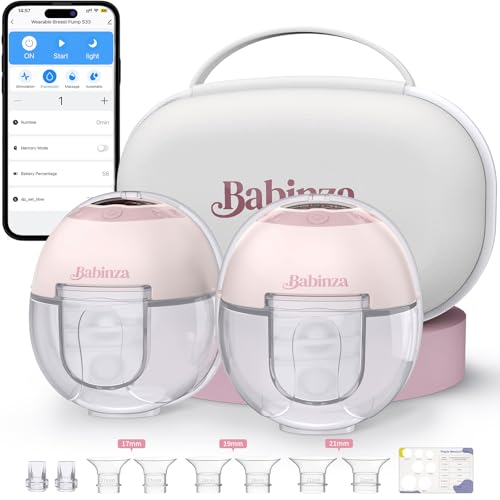
🌟 Smart & Lightweight Design: Experience the next level of freedom with the Babinza S33 wearable breastfeeding pump. Weighing only 230g and 2/3 the size of a traditional breast pump, it fits discreetly under clothing, making it perfect for moms on the go. Whether you’re in the office, commuting, or caring for your baby at home, this hands free breast pump allows you to pump confidently anytime, anywhere—without interruptions.
Best Practices for Using Silicone Products
Have you ever thought about the impact of the silicone products you use every day? While they’re super handy, we can make smarter choices that are good for both us and the planet.
One simple step is to go for high-quality, food-safe silicone items. Make sure they’re free from fillers. Here’s the trick: do a pinch and twist test. If it doesn’t change color, you’ve got yourself some pure silicone!
You might not realize it, but cutting down on washing can really help too. Only clean your silicone products when they absolutely need it, especially after working with dry goods. It’s a small change that saves water and energy over time.
Now, let’s talk disposal because many recycling programs don’t take silicone. So, what to do with it when it’s time to part ways? Consider donating gently used silicone items! This not only gives them a second life but also helps keep trash out of landfills.
Choosing BPA-free silicone cups ensures both safety and environmental benefits, as these products avoid harmful chemicals.
To sum it up, by choosing the right silicone and being mindful of how we clean and dispose of it, we can all contribute to a healthier environment. What’s one change you’re ready to make today?
Recommended Products
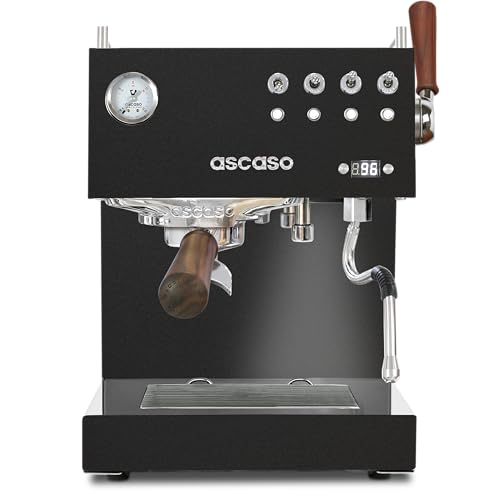
Precision Brewing & Enhanced Controls: The joystick steam wand lever made of walnut provides greater control and steam power, refining frothing capabilities and adding finesse to barista skills. // The competition shower screen guarantees precise and even extractions, elevating the quality of every espresso shot brewed.

6 COOKING MODES: This multi-cooker masters the widest range of culinary techniques with 6 cooking modes: manual, meal timer, program, rice, sauté/sear, and sous vide.

High Capacity & High Efficiency: The maximum amount of dough is 3 kg/6.6 lbs/105.8 oz. Compared with other mixers, our 8.4-quart commercial mixer is perfect for large families and bulk baking. It eliminates the need for repetitive mixing. Powered by a robust 800W DC motor, durable metal gears, and 11 levels of speed settings, it ensures efficient, high-intensity kneading with ease.
Innovations in Eco-Friendly Silicone Alternatives
Ever wonder how the materials we use daily impact our planet? It’s something many of us are realizing matters a lot more now. Innovations in eco-friendly silicone alternatives are making it easier to make better choices for the environment.
Biodegradable silicones are hitting the market, and they’re breaking down faster than traditional options. This helps cut down on landfill waste. How cool is that? Plus, researchers are working on creating bio-based silicones using renewable materials, which aim to replace the usual fossil fuel-derived products that contribute to pollution.
What’s even more exciting are the advancements in silicone recycling technologies like depolymerisation, which can enhance how we recycle silicone products. Companies like Stasher and ECOlunchbox are doing great work by offering take-back programs. This promotes a circular economy and reduces waste significantly.
Incorporating durable, wear-resistant materials similar to those used in filtered water bottles can also improve the lifespan of silicone products, further reducing waste.
So, what can you do?
- Support brands that focus on eco-friendly practices.
- Educate yourself about recycling processes in your area.
- Look for biodegradable and bio-based silicone products in your everyday purchases.
The best part is by making these small changes, we can all play a part in creating a cleaner, greener future. It’s amazing how simple choices can make a difference in our daily lives. What eco-friendly swap will you try next?
Recommended Products

California Prop. 65 safe with no listed ingredients posing a risk

DISSOLVES EASILY - These food labels dissolve leaving no residue! Your food containers will be re-usable with no leftovers from previous labels!

☆BIODEGRADABLE MATERIAL - These wrappers are oven safe, microwavable, grease resistant, biodegradable, and disposable. It works well for hot or cold food while helping to create a more sustainable planet. Makes baked goods look professional, these are made from parchment paper.
The Future of Silicone in Sustainable Practices
The future of silicone in sustainable practices seems pretty bright. Have you ever thought about how much single-use plastic we throw away? As more and more folks demand eco-friendly products, manufacturers are stepping up their game by looking into biodegradable silicone options. It’s exciting to see that companies like Stasher and Ziploc are launching take-back programs to make recycling easier for everyone.
When it comes to food storage, silicone containers are a realistic choice. They’re durable and reusable, which helps reduce our reliance on plastic. The global silicones council is also pushing for better recycling processes, so you won’t have to worry as much about where your silicone products end up.
So, why does this matter? Because the market for silicone is actually projected to grow by 6.0% from 2026 to 2030. That’s a solid sign that more people are leaning towards eco-conscious practices. Plus, regulatory changes in Europe are pushing for better products, which could lead to a greener future for silicone all around. One of the key benefits is that a single silicone bag can replace up to 300 single-use bags annually, significantly cutting down on plastic waste.
Frequently Asked Questions
How Bad Is Silicone for the Environment?
Silicone’s environmental impact isn’t great. While it lasts longer than plastics, silicone recycling is tough and often nonexistent. We should consider sustainable alternatives and advocate for better production processes to limit pollution and waste.
Does Silicone Release Microplastics When Heated?
We’ve found that silicone doesn’t release microplastics when heated, thanks to its stable properties. This means we can cook safely without worrying about harmful microplastics impacting our health or the environment. Isn’t that reassuring?
Why Do People Avoid Silicone?
People often avoid silicone due to health concerns, limited recycling options, and lingering doubts about sourcing materials. Together, we’re influenced by public perception, which emphasizes environmental impact and prompts us to seek alternatives for sustainability.
How Long Does It Take Silicone to Biodegrade?
Silicone can take hundreds of years to biodegrade, posing significant environmental impact. Despite its durability, we often face recycling challenges that remind us to seek sustainable alternatives that align with our eco-conscious goals.