

Plastic cutlery is a growing danger to marine wildlife. Each year, about 640,000 tonnes of this plastic ends up in our oceans. Animals like turtles and seabirds often mistake these utensils for food. This can cause severe digestive blockages or even death. Plus, these lightweight plastics easily blow into water bodies, contributing to pollution. Making small changes, like using reusable utensils, helps protect our oceans and the creatures that call them home. There’s more to explore about these solutions.
Key Takeaways
- Plastic cutlery contributes to significant ghost fishing gear, leading to entanglement and death of marine wildlife, including 100,000 mammals annually.
- Many marine animals, including turtles and seabirds, mistake plastic utensils for food, resulting in ingestion and health complications.
- About 56% of cetacean species have been documented with plastic debris in their digestive systems, causing blockages and chronic health issues.
- Single-use plastic utensils are not biodegradable, persisting in oceans and breaking down into harmful microplastics that further pollute marine ecosystems.
- Reducing reliance on plastic cutlery through reusables and advocating for biodegradable options helps protect marine life and promote sustainability.
The Alarming Impact of Plastic Cutlery on Marine Life

Plastic cutlery might look harmless, but it’s causing big problems for marine life. Every year, around 640,000 tonnes of ghost fishing gear, which includes all kinds of plastic utensils, ends up in our oceans. Think about that for a second—marine animals like turtles and seabirds can mistake plastic for food. When they eat it, they face some serious health risks. Did you know that nearly 56% of cetacean species are known to have consumed plastic debris? It’s tragic; things like sperm whales have even died from swallowing huge amounts of this junk.
During coastal cleanups, it’s pretty common to find single-use cutlery scattered everywhere, proving just how pervasive this issue is. With about 8 million metric tons of plastic going into our oceans each year, it’s crucial to tackle the impact of plastic cutlery on marine life. So, why does this matter? Because each piece of plastic that ends up in the ocean not only harms wildlife but also threatens the health of our ecosystems.
Try this: consider switching to reusable utensils when you’re on the go. You’ll not only help reduce waste, but you’ll be making a positive impact on our oceans. Honestly, it’s a small change that can lead to big differences in keeping marine life safe. Every little bit counts, so let’s do our part for a healthier planet. What will you commit to changing in your routine to help fight plastic pollution? Using durable materials for everyday items can greatly reduce the frequency of plastic waste entering marine environments.
How Plastic Utensils End Up in Our Oceans

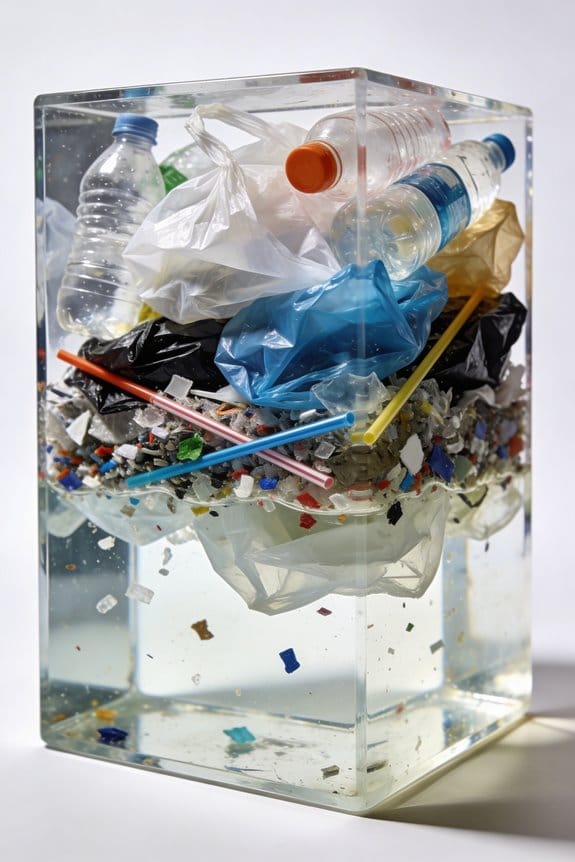
Every year, countless single-use utensils end up in our oceans, and most of us hardly notice. It’s alarming to think that about 8 million metric tons of plastic make their way into the ocean annually. During beach cleanups, plastic utensils often rank among the top ten items collected. These lightweight pieces can be swept away by the wind or washed into storm drains with heavy rain, eventually landing in the water.
So, why does this matter? Once they’re floating around, plastic utensils can break down into tiny bits, escalating the microplastic issue. Marine animals frequently mistake these plastics for food, which can lead to serious health problems and even death. Reducing this plastic waste is crucial for protecting our oceans and wildlife.
Try this: Instead of using disposable utensils every time, switch to reusable ones. It’s a small change that can make a big impact. Plus, you don’t have to worry about them ending up in the ocean. Consider carrying a set of stainless steel or bamboo utensils when you’re on the go. It’s convenient, eco-friendly, and a smart way to contribute to the solution. Using compostable flatware is another effective alternative that supports environmental responsibility by breaking down safely.
Truth is, we all have the power to help. By making simple choices in our daily lives, we can significantly cut down on plastic waste. Next time you’re about to grab that plastic fork or spoon, think about the harm it might cause.
How Ingestion Affects Marine Animals After Plastic Enters Oceans?

Have you ever thought about what happens to marine animals when they eat plastic? It’s a pretty serious issue, and it makes me cringe to think about it. When these creatures mistake plastic cutlery for food, the consequences can be pretty dire. Ingestion of plastic can lead to major blockages in their digestive systems, which is something no animal should endure.
Marine mammals like whales and sea turtles sometimes gobble up plastic debris, and it’s causing alarming health problems for them. Did you know that 56% of cetacean species have plastic in their diets? This isn’t just an isolated problem; it’s a widespread crisis affecting all of our oceans. When they ingest this plastic, it can trigger inflammation that leads to chronic health issues or even death from starvation or infection.
Also, let’s not forget that plastic debris can turn into ghost fishing gear, which causes even more entanglements. This puts all sorts of wildlife at risk. It’s shocking to think that around 100,000 marine mammals lose their lives each year due to the combined impacts of ingestion and entanglement in plastic. So, why does this matter? It’s a stark reminder that our waste has far-reaching effects on the oceans and the creatures living in them.
If you want to make a difference, consider reducing your use of single-use plastics. Try this: bring reusable utensils and containers wherever you go! It’s an easy step that can help keep our oceans cleaner. In fact, using compostable bags and other plant-based alternatives can significantly reduce plastic waste in marine environments. And the best part is, every small action counts in protecting marine life.
In short, the issue of plastic in our oceans affects more than just us; it’s a matter of life and death for marine animals. What will you do to help?
Ingestion and Entanglement: Dual Threats Posed by Plastic Cutlery
Have you ever stopped to think about what happens to that plastic fork or spoon after you throw it away? While they’re super handy for picnics and takeout, these little pieces of plastic are causing big problems in our oceans. Every year, around 100,000 marine mammals fall victim to plastic pollution. Can you imagine? They often mistake items like plastic cutlery for food.
Consider this: it’s estimated that 56% of cetaceans, which include whales and dolphins, have ingested plastic cutlery. This can lead to serious issues, like painful blockages in their digestive systems. And it doesn’t stop there. Abandoned plastic utensils can entangle marine creatures, trapping them and leading to drowning or severe injuries. So, why does this matter? These plastic items are disrupting entire ecosystems, putting marine wildlife at risk from two fronts—ingestion and entanglement.
We really need to think about our choices when it comes to using disposable cutlery. Instead of reaching for that plastic fork, consider alternatives like bamboo or metal options that can be washed and reused. It’s a small switch that can make a big difference.
Frankly, the next time you’re grabbing takeout, try this: bring your own cutlery or ask if they have eco-friendly options. The best part is, making these little changes can save lives. Let’s all do our part in reducing plastic waste and protecting our marine friends.
To wrap it up, plastic cutlery might be convenient, but it comes at a high cost to wildlife. What actions will you take to help reduce plastic pollution in our oceans?
Practical Tips for Reducing Plastic Cutlery Use
Reducing our reliance on plastic cutlery is a lot simpler than it seems. Ever thought about how many single-use utensils you toss out each week? Imagine carrying your own reusable utensils everywhere you go. Not only does this save you a bit of cash from buying disposable cutlery, but it also makes a real difference to marine life. Did you know that around 100,000 marine mammals die each year from eating plastic or getting caught in fishing nets? That’s a staggering number!
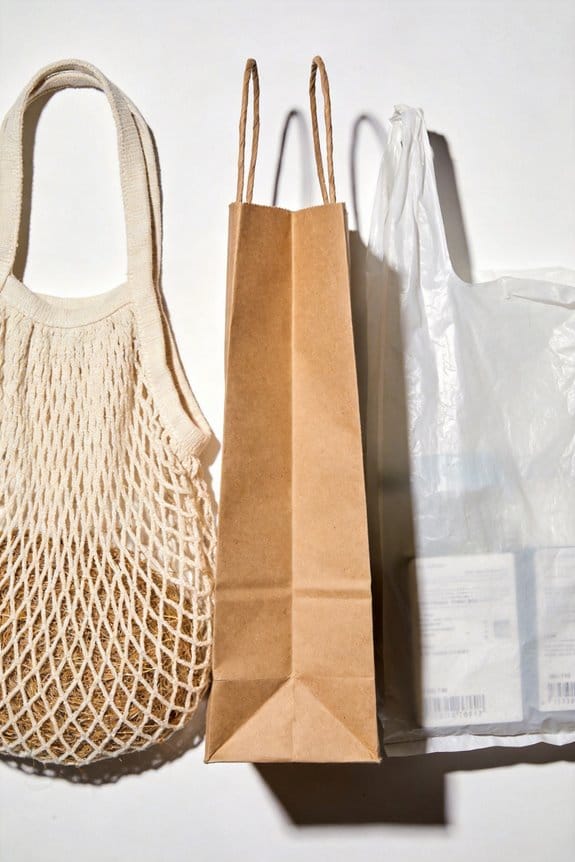
Another step you can take is to swap plastic bags for cloth ones. Seriously, every little change counts when it comes to keeping our oceans cleaner. Plus, it’s a great way to show your commitment to the planet.
If you eat out a lot, consider speaking up about plastic cutlery at restaurants. Gently suggest they use biodegradable options or encourage diners to bring their own utensils. The best part is, many places are open to these conversations as more people care about sustainability.
And don’t forget to spread the word! Talk to your friends about the negative effects of plastic on the environment. It’s surprising how many people are unaware of the issue. Small efforts from all of us can add up to significant change.
Also, using compostable trash bags helps reduce plastic waste and supports healthier waste management by breaking down more quickly than traditional plastic.
Promoting Alternatives to Plastic Cutlery
Have you ever looked around during a picnic or at a takeout joint and spotted heaps of plastic forks and knives? It’s frustrating, right? The reality is that we can do better than plastic cutlery, and the good news is there are so many alternatives that are both practical and wallet-friendly.
Try this: check out reusable cutlery made from stainless steel or bamboo. These options can last for years, which means you’ll cut back on single-use plastic over time. You can easily find a complete set for around $10 to $50. Think about it—while it may seem like a splurge at first, investing in reusable cutlery saves you money in the long run. Plus, it’s just plain better for the planet.
Local eateries can make a difference too. Many are now using biodegradable utensils, which break down more easily and don’t add to marine pollution. So, why not support those businesses? You can even join community campaigns that encourage your favorite spots to ditch plastic cutlery altogether. There’s real power in grassroots efforts to promote sustainable dining choices!
Honestly, these small changes can lead to a big impact. When you opt for reusable or biodegradable options, you protect marine wildlife and contribute to healthier ecosystems. It’s all about those little choices that add up over time.
Additionally, choosing cutlery with BPI certification ensures that the products will effectively break down in industrial composting facilities, further reducing environmental harm.
In the end, it’s clear that making the switch from plastic cutlery is a step worth taking. Will you join the movement towards cleaner oceans? Together, we can create a more sustainable future!
Frequently Asked Questions
What Types of Marine Animals Are Most Affected by Plastic Cutlery?
Like a silent storm beneath waves, we see sea turtles choking on plastic cutlery, seabirds mistaking it for food, fish getting entangled, crustaceans facing hazards, and whales caught in unwarranted conflicts. It’s a tragic reality.
How Long Does Plastic Cutlery Take to Decompose in the Ocean?
Plastic cutlery can take hundreds of years to decompose in the ocean, leading to significant environmental impacts. This prolonged lifespan poses ocean hazards, increasing wildlife ingestion, highlighting alarming pollution statistics we must address together for a healthier planet.
Are Biodegradable Utensils Better Alternatives to Plastic?
Biodegradable utensils dance lightly with nature’s grace, offering a gentler alternative. While costs may vary, we must weigh their environmental impact and embrace consumer awareness, promoting smart composting practices for a better tomorrow.
What Organizations Are Working to Combat Plastic Pollution?
Many organizations tackle plastic waste through environmental campaigns, policy initiatives, and ocean advocacy. Together, we can support recycling education programs, which empower communities to make informed choices and reduce plastic pollution for future generations.
How Can Individuals Participate in Ocean Clean-Up Efforts?
We can plunge into action by joining beach cleanups, sponsoring initiatives that sparkle like treasures, participating in community events that shine, and attending educational workshops to untangle recycling programs from confusion. Together, we’ll make waves!