

If we’ve got old plastic storage containers at home, we should be cautious. Many can leach harmful chemicals like BPA and phthalates into our food. BPA mimics estrogen and is found in 93% of urine samples, suggesting wide exposure. Phthalates can cause respiratory and reproductive issues. To reduce risks, we can swap these containers for safer options, like glass or stainless steel. Let’s explore how these substances affect us and what we can do about them.
Key Takeaways
- BPA and phthalates can leach from old plastic storage containers, particularly when scratched or heated, posing health risks.
- BPA mimics estrogen and can disrupt hormonal balance while phthalates are linked to respiratory and reproductive issues.
- Regulatory authorities monitor BPA and phthalate levels, but concerns about cumulative exposure persist due to widespread prevalence.
- To minimize exposure, opt for BPA-free products, avoid microwaving plastics, and choose safer materials like glass or stainless steel.
- Inspect old containers regularly for scratches or discoloration and replace them to prevent chemical leaching into food.
Why You Should Worry About BPA and Phthalates
Have you ever thought about what’s really in your plastic storage containers? While they seem super handy, they might carry some hidden dangers. BPA and phthalates, often found in older plastics, can leach into your food, especially if you’re storing something hot. When these chemicals come into contact with heat, they can seep into whatever you’re keeping.
So, why does this matter? BPA mimics estrogen in the body, which can mess with your hormones. For parents, this is especially concerning because it could impact infant health and development. Phthalates are no better; they’re used to make plastics flexible and are linked to a range of health problems, including respiratory issues and reproductive problems.
Truth is, while the FDA says low levels of BPA in food contact materials are safe, it’s the cumulative exposure that raises eyebrows. Using older containers might unknowingly put you and your loved ones at risk for long-term health effects.
Here’s the trick: Try switching over to glass or stainless steel storage options. They’re not only safer but they’re also just as convenient!
Honestly, making a small change could help protect your family from these harmful chemicals. We all want to keep our loved ones safe, so why not start with something as simple as your food storage? Modern containers made from BPA-free plastic offer a safer alternative while maintaining convenience and airtight freshness.
Recommended Products

Kimchi Fermentation & Storage Refrigerator - Engineered to support traditional kimchi fermentation and storage with precise temperature control.

PROFESSIONAL 3-GALLON BEVERAGE DISPENSER – Designed for restaurants, catering events, weddings, banquets, hotel lobbies, and parties, this square dispenser is perfect for iced tea, lemonade, sangria, infused water, or cocktails. Its large capacity and sleek design make it a stylish centerpiece for any beverage station.

COMPLETE 26-PIECE SET: Includes 10 glass containers with lids, 2 stainless steel scoops, 2 ¼ measuring cups, 2 modular storage bases, and 2 magnetic organizers, creating an all-in-one food storage system for a streamlined, clutter-free pantry.
How Does BPA and Phthalates End Up in Your Old Storage Containers?

Why should you worry about what’s in your old food storage containers? It turns out those trusty dishes you’ve had for ages might be leaking harmful chemicals into your meals. BPA and phthalates are sneaky culprits that can seep from scratched or heated plastic containers into your food.
BPA is commonly found in polycarbonate plastics, which many older food storage containers are made of. You might not realize that phthalates, which are used to make plastics flexible, can also make their way into your dinners. Over the years, as your containers get worn out, it’s easier for these harmful substances to escape. So, why does this matter? Well, older containers likely don’t meet today’s safety standards, and that could put your health at risk.
Consider these tips to protect yourself:
- Check for scratches or discoloration on your containers. If they’re looking worse for wear, it might be time to replace them.
- Think about switching to BPA-free and phthalate-free alternatives. Many brands offer safer options these days.
- Don’t forget that heating old containers in the microwave can also increase the risk of leaching.
One eco-friendly alternative to plastic containers worth considering is compostable paper towels, which avoid chemical risks associated with plastics.
The best part is, updating your kitchenware doesn’t have to break the bank. You can find plenty of affordable and safe storage solutions. Honestly, making a few easy changes can significantly reduce the risks associated with those aging plastic containers.
Recommended Products
![Glotoch 24oz [1 Pallet-8350 Pack] Meal Prep Containers Reusable with Lids, Food Storage Containers Microwave,Freezer,Dishwasher Safe, Leakproof & BPA Free Durable Plastic Bento Box To Go Take Out](https://m.media-amazon.com/images/I/512IoxugSrL._SL500_.jpg)
Package includes: 8350 Food Containers + 8350 Lids

VALUE STORAGE PACK: Includes heavyweight 64Oz deli containers with airtight lids designed for storing soups, salads, sauces, leftovers, snacks, meal prep foods, and takeout meals while helping keep ingredients fresh, organized, and ready to serve

PLASTIC JUICE CONTAINERS – decant larger drinks into our small half pint size juice bottles to save money or to enjoy on the go. They’re ideal for lunch boxes, gym bags, backpacks and picnics. Being square in shape they can be stored easily, and the clear plastic makes identifying the contents and liquid levels effortless.
Identifying Symptoms of BPA and Phthalate Exposure in Everyday Products

Have you ever wondered what’s really in those plastic products you use every day? It’s a bit scary to think about, but exposure to BPA and phthalates is something we all need to be aware of. These chemicals can sneak into our lives and cause a range of health issues that we should keep an eye on.
Hormonal disruptions are one of the main problems. You might notice changes in menstrual cycles or experience some reproductive health issues, which can affect both women and men. And if you’re a parent, pay close attention to your kids. They’re particularly vulnerable to these effects. You could see signs like irritability, developmental delays, or even respiratory problems. Research has shown that kids with high levels of phthalates are at a greater risk for allergies and asthma. So, how does that impact their immune system health? It’s definitely worth thinking about.
Keep an eye out for other symptoms, too. Behavioral changes and feelings of unusual fatigue might be linked to these substances hiding in your household items. The best part is being informed helps you make safer choices for your family. It’s all about knowing what to look out for so you can protect your loved ones from harmful exposure. Choosing BPA-free silicone alternatives for storage can reduce your risk and support safer kitchen practices.
Understanding Health Risks of BPA and Phthalates
Have you ever stopped to think about the plastic items you use every day? It might surprise you to learn that some of them could carry hidden dangers. BPA, which is often found in older food storage containers, is a notorious endocrine disruptor. This means it can leach into our food, which is especially concerning for infants and children who are more vulnerable to its harmful effects.
Did you know that around 93% of urine samples from adults have BPA in them? That’s a massive number and suggests that BPA exposure is pretty widespread. Now, let’s not forget about phthalates—those are the chemicals that make plastics flexible. They’ve been linked to reproductive problems and even asthma. So, why does this matter? Because regulatory authorities are keeping a close eye on BPA and phthalate levels in items that come in contact with food and have found that higher exposure can lead to serious health risks.
Here’s the trick: being aware means you can make better choices. Pay attention to the types of containers you use for food storage. Look for those labeled “BPA-free” or consider switching to glass or stainless steel alternatives instead. These small changes can make a big difference! Using products with metal handles and grips not only promotes durability but also reduces exposure to harmful chemicals found in some plastics.
Ultimately, it’s about staying informed. Make sure you’re aware of what’s in the products you use every day. As you think about your own habits, ask yourself: are you doing enough to protect your health from these hidden dangers?
Effective Tips to Minimize Your Exposure to BPA and Phthalates
You ever think about the stuff we use every day and how it could be affecting our health? Storing food in the wrong kind of containers might be exposing our families to harmful chemicals like BPA and phthalates. It’s a scary thought, but there are simple changes you can make to keep everyone safe.
Start by opting for BPA-free products. Brands like Glad and Tupperware have options that avoid this harmful chemical. But it doesn’t stop there. Have you ever microwaved plastic containers? That heat can cause more of those nasty chemicals to seep into your food. Instead, consider using glass or stainless steel for your storage. They’re not just safer but also last longer without getting worn out.
Another key point is to watch for safety codes on your containers. Codes 3 and 7 can mean harmful chemicals are lurking inside, while codes 2 and 4 are generally safer for food. Keep an eye on these codes while shopping.
Don’t forget to check on your containers regularly, too. If you see any scratches or signs of wear, it’s best to replace them. Old containers can be a hidden source of chemical exposure, and nobody wants that for their family.
For a comprehensive approach to safer cleaning routines at home, consider using eco-friendly sponges that minimize chemical exposure and promote healthier hygiene.
Recommended Products


LOCKS IN FRESHNESS: Precision-engineered lids create a True Airtight Seal that locks in freshness and keeps out air, moisture, and pests, making these glass food containers perfect for extending shelf life and preserving the flavor of dry goods.
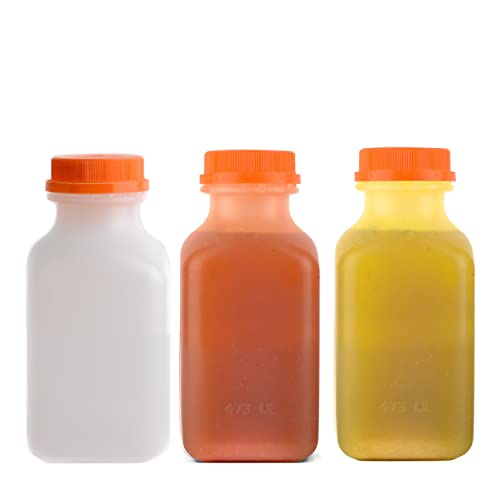
PLASTIC JUICE CONTAINERS – decant larger drinks into our small pint size juice bottles to save money or to enjoy on the go. They’re ideal for lunch boxes, gym bags, backpacks and picnics. Being square in shape they can be stored easily, and the clear plastic makes identifying the contents and liquid levels effortless
Top Alternatives to Plastic You Should Consider
Isn’t it frustrating to constantly deal with plastic food storage containers that just don’t feel safe? Luckily, there are plenty of simple and healthier alternatives that are worth considering.
First up, glass containers. They’re not just durable; they won’t leach any harmful chemicals like BPA or phthalates into your food, which is a huge plus for your health. Stainless steel is another great choice for both food and drinks. It holds up well, resists corrosion, and doesn’t trap flavors—so your food tastes exactly as it should. And let’s not overlook ceramic containers, especially those that are labeled lead-free. They’re super safe and can handle high temperatures, making them perfect for hot meals.
Try this: consider using bamboo for its sustainable qualities or silicone for its flexibility and heat-resistance. These options aren’t just safe; they also help cut down on plastic waste.
Plus, glass containers made from borosilicate glass offer added benefits like temperature resistance and airtight seals, enhancing food safety and freshness.
So, why does this matter? With all the environmental issues we face today, making the switch from plastic to these alternatives isn’t just good for you; it’s good for the planet. You can make a positive impact on your life and the environment, one meal at a time.
Recommended Products

KEEP YOUR FOOD FRESH: Look forward to leftovers with Caraway’s easy-to-store, non-toxic food storage containers. This set of six 10 cup glass containers was designed to be displayed and keeps your food fresh & organized.
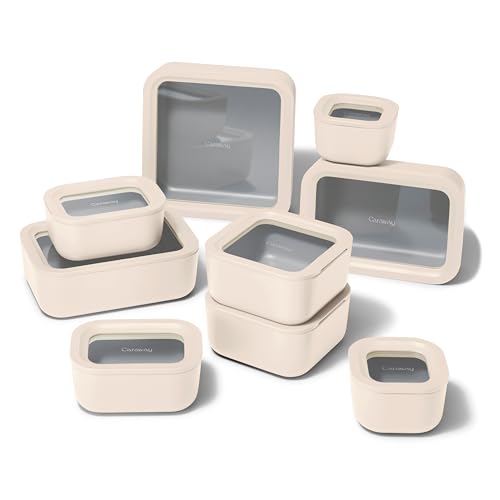
KEEP YOUR FOOD FRESH: Look forward to leftovers with Caraway’s easy-to-store, non-toxic food storage containers. This set looks great and most importantly keeps your food extra fresh and organized.
![BRIVARA HOME 20-Piece Glass Food Storage Containers Set with Lids (10 Containers + 10 Lids) | Microwave-Safe Airtight Seal, Oven-Safe Ceramic-Coated Glass | Zero Plastic, No PFAS/PFOA/BPA [Crema]](https://m.media-amazon.com/images/I/41foTG-whSL._SL500_.jpg)
20 PIECES, 10 CONTAINERS PLUS 10 LIDS! Ten ceramic-coated glass containers and ten matching lids in six sizes (2.5, 5, and 8 cup squares plus 3, 6, and 11 cup rectangles), covering everything from leftovers to weekly meal prep. More usable pieces than most 13 piece competitor sets.
Where to Learn More About Food Packaging Safety?
Are you worried about what you’re using to store your food? You’re not alone! It’s important to know about food packaging safety and that starts with understanding some key materials that might impact your health.
One really useful resource is the National Institute of Environmental Health Sciences. They provide a lot of detailed information on BPA, including research on its health effects. You might find it enlightening to read through the FDA’s section about BPA in food contact applications. They answer common questions and also update their safety assessments regularly. Pretty handy, right?
The Environmental Protection Agency is another great source. They share biomonitoring data that shows BPA levels in food and drinks. It’s crucial to stay informed, especially if you’re concerned about what goes into your body.
Don’t overlook phthalates either! There are several health organizations that discuss their environmental risks and provide educational articles worth checking out. Understanding consumer trends, especially around BPA and phthalate-free certifications, can go a long way in helping you pick safer food storage options.
Truth is, keeping your food safe goes hand in hand with maintaining your health. Many consumers now prioritize products with certifications for safety, ensuring eco-friendly and non-toxic choices in everyday items. So, next time you go shopping, ask yourself: are you truly making the best choices for your food packaging? Stay informed and feel empowered about your purchases!
Making Your Kitchen Safe: A Comprehensive Guide
When you’re trying to make your kitchen safer, one of the big steps is picking the right materials for food storage. Old plastic containers can really be a concern since they might have BPA and phthalates, which can leach into your food. Yikes! It’s definitely worth checking the recycling codes on your containers. Stay away from those marked with a 3 (PVC) and instead go for options like 1 (PET), 2 (HDPE), 4 (LDPE), or 5 (PP). These tend to have lower health risks.
Try this: invest in alternatives like glass, ceramic, or stainless steel. Not only are they safer, but they last longer too. Heating plastic can make those harmful chemicals seep into your meals, and nobody wants that. Plus, brands like Tupperware have been BPA-free since 2010, so they’re setting a solid example for safe food storage.
So, why does this matter? Keeping your food storage safe really contributes to your overall health. The best part is, making these small changes can have a significant impact on what you and your family consume every day. So let’s prioritize kitchen safety together and embrace these healthier choices. Stainless steel containers, made with 18/8 stainless steel, provide a durable and non-toxic option for maintaining food freshness and safety.
Recommended Products

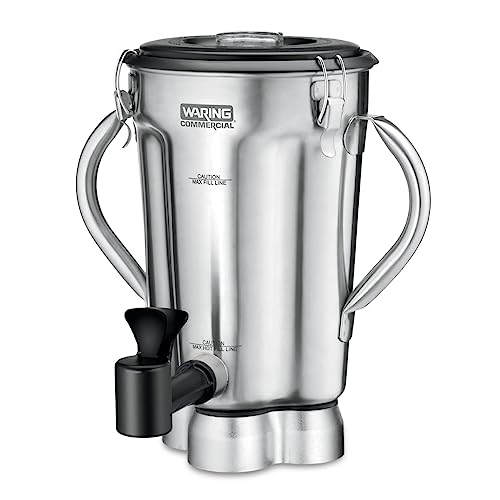
LOW PROFILE DESIGN, IMPROVED ERGONOMICS: The powerful 3.5 HP motor sits behind the container, not below it, to make it easier for chefs to use the viewing part of the lid, remove the lid, and to move the unit.
Country Of Origin: United States

Included: Ascent X4 blender base, 48-ounce container, tamper and holder, recipe book, 12-cup Food Processor Attachment with SELF-DETECT base, Stack/Store Extender, 2 food pushers, multi-use blade, 2 slice/shred discs, julienne disc, veggie stick disc
Frequently Asked Questions
Is a 50 Year Old Tupperware Safe to Use?
They say, “out with the old, in with the new.” We shouldn’t trust a 50-year-old Tupperware for food storage due to chemical leaching concerns. Let’s choose BPA alternatives and recycle our vintage kitchenware safely!
Are Phthalates in Rubbermaid Containers?
Yes, older Rubbermaid containers might contain phthalates due to plastic aging, posing health risks during food contact. Let’s prioritize Rubbermaid safety; we can explore alternative options that guarantee kitchen storage is both safe and reliable.
Which Plastics Have the Most Phthalates?
In the maze of plastic, PVC holds the most phthalates, posing health risks through chemical leaching during food storage. As consumers, we must embrace safe alternatives, enhance awareness, and support regulatory actions to mitigate environmental impact.
Do Ziploc Bags Have BPA or Phthalates?
Ziploc bags don’t contain BPA or phthalates, adhering to FDA regulations for food contact safety. We should prioritize brand transparency and explore plastic alternatives, while remaining conscious of chemical leaching and environmental impacts in our storage choices.