

At an industrial composting facility, we turn around 30 million tons of organic waste each year into nutrient-rich compost. First, municipalities collect organic waste in curbside bins. Then, we sort out non-biodegradable materials, shred the compostable matter for faster breakdown, and manage temperature and moisture to create ideal composting conditions. We also guarantee quality by testing for safety and compliance. This process not only reduces landfill waste but also helps improve soil health. Want to know more about how it works?
Key Takeaways
- Organic waste is collected in designated curbside bins and transported to the facility for processing, ensuring separation from non-biodegradable materials.
- Waste undergoes sorting at the facility to remove contaminants, followed by shredding to increase surface area for quicker decomposition.
- Various composting methods, such as windrow and in-vessel composting, are employed to optimize decomposition under controlled conditions.
- Essential parameters like temperature, moisture, and aeration are actively managed to maintain effective microbial activity and compost quality.
- The composting process concludes with testing to ensure safety and compliance with industry standards before the compost is distributed to support agricultural practices.
What Is Industrial Composting and Why Is It Important?
Have you ever wondered what happens to all those food scraps and yard waste? Well, industrial composting is one answer. It’s a large-scale way to recycle organic waste, turning it into nutrient-rich compost that helps reduce greenhouse gas emissions. Pretty cool, right?
At industrial composting facilities, they’ve got some sophisticated methods, like windrow and static pile composting. They work hard to maintain the right temperatures—between 120-170°F (49-77°C)—to kill off harmful pathogens and weed seeds. That means the compost they produce is not only rich in nutrients but also safe to use.
This high-quality compost does wonders for sustainable agriculture. It improves soil health, boosts water retention, and makes nutrients more available to plants. Plus, if you’ve got bioplastics or animal by-products, those can be handled in industrial composting, which your backyard compost bin can’t handle. Pretty handy if you ask me.
Honestly, industrial composting is a smart solution for recycling waste and enhancing our soil. It’s a chance to create healthy soil while tackling waste challenges at the same time. So, is there really a downside to getting more people on board with this practice? By turning our organic waste into something valuable, we contribute to a greener future. What do you think?
In fact, composting materials like sugarcane bagasse help reduce reliance on plastics and promote renewable materials in waste management.
How Is Organic Waste Collected and Delivered?

Collecting organic waste can feel like a chore, but it’s actually a well-planned system. Municipalities give us designated curbside bins to help separate our organic waste. This effort really boosts how we manage waste because it encourages everyone to play their part in keeping things clean and green.
Here’s the trick: collection services show up on scheduled days to pick up those bins. This is super important, especially since organic waste can go bad pretty quick. After the pickup, that organic waste gets loaded into specialized vehicles that keep it safe and reduce contamination.
Once at the composting facility, the real work begins. Staff sort through the waste to pull out any non-biodegradable stuff. So, why does this matter? Removing those contaminants is crucial to ensure that the organic materials stay pure. Keeping everything compliant with regulations means the waste can be composted effectively.
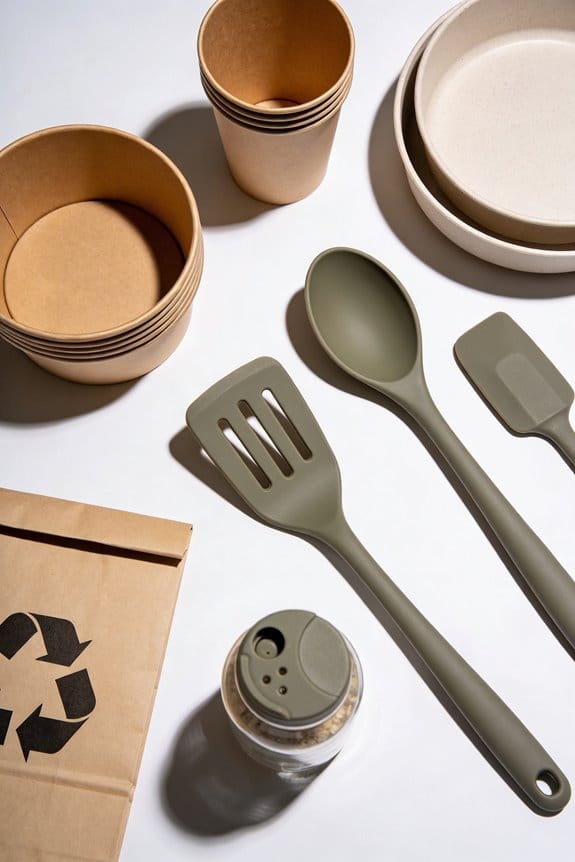
The best part is that all this effort results in top-notch compost, which is a win for our environment and communities. Honestly, taking the time to sort your organic waste might not feel like a big deal—you may think, “What’s the point?” But each small effort adds up to a cleaner planet for everyone. Many composting facilities now incorporate biodegradable materials such as bamboo utensils to enhance sustainability in waste processing.
Recommended Products

Rugged rim design and bottom wear strip provide added strength where needed; large footprint and aerodynamic design provide stability

Rugged rim design and bottom wear strip provide added strength where needed; large footprint and aerodynamic design provide stability

NAMED “BEST STATIONARY COMPOSTER” BY BETTER HOMES & GARDENS, 2025 - Turn kitchen scraps, yard trimmings, and garden waste into nutrient-rich compost in as little as 6–8 weeks with a durable 94-gallon stationary compost bin built for backyard use
What Are the Different Methods of Industrial Composting?

Industrial composting can seem complicated, but it doesn’t have to be. You may wonder how to effectively turn your kitchen scraps and yard waste into something valuable. Let’s break down a few methods that can really help.
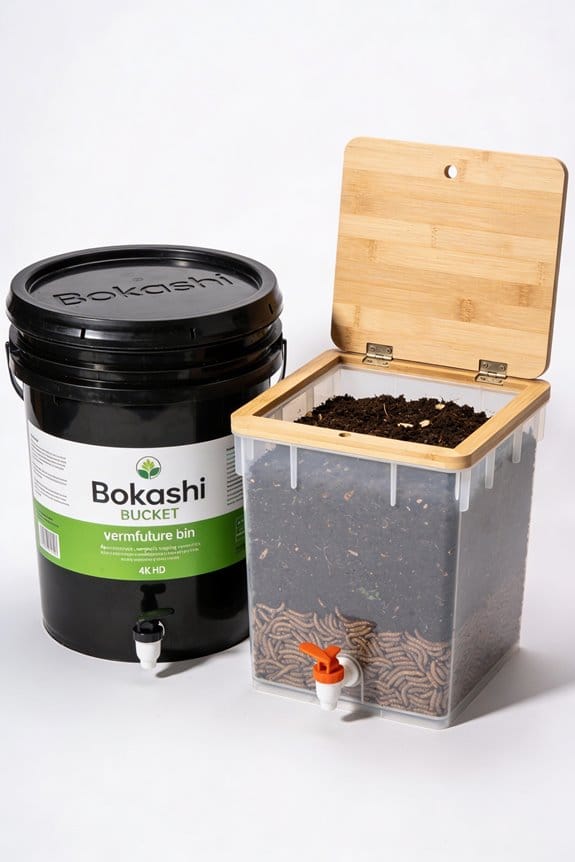
First up is Vermicomposting. If you’ve got a little patience and some worms, this method can deliver high-quality compost in about two months. It’s pretty fascinating to watch the worms break down the organic matter into nutrient-rich compost. You might even end up getting a few young composting buddies in the process!
Then there’s Windrow Composting, which involves piling up your waste in long rows. These piles are regularly turned to keep everything aerated. It usually takes around four months for the leftovers to break down, but it’s a straightforward method that can handle larger amounts of organic material. So, why does this matter? It provides a community-friendly way to manage waste without it becoming a smelly problem.
Static Pile Composting is another option worth considering. This method allows for air circulation without constant turning. It’s less labor-intensive and still promotes breakdown, which is a huge plus for those who want something low-maintenance.
Last but not least is In-Vessel Composting, the quick-and-easy choice for those looking for speed. This method creates controlled conditions and speeds up decomposition to about a month. If you’re in a hurry to get compost, it could be the way to go.
Each of these methods suits different needs and types of organic waste. So whether you’re a backyard gardener or managing a larger operation, there’s likely a method that fits your situation perfectly. Remember, composting not only reduces waste but enriches your soil too. What method will you try first?
Choosing the right composting method may also depend on the compost bin size and capacity, which plays a crucial role in managing the amount of organic waste effectively.
Recommended Products
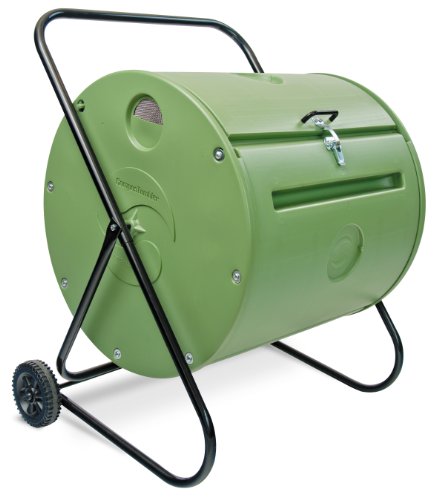
Perfect for Urban Spaces and Small Properties

Convenient wheeled design for effective turning
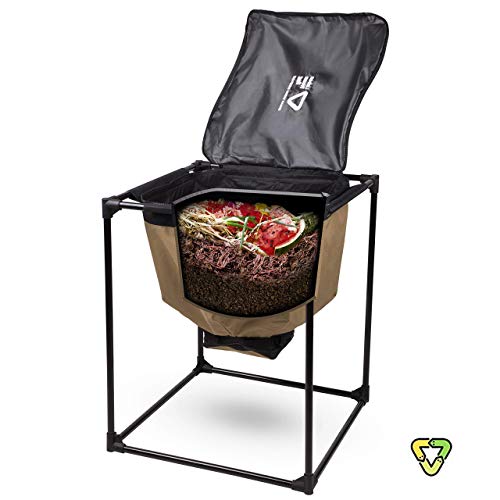
New 2021 patent-pending design eliminates bottom zipper. Still the same large composting capacity.
Key Processes in Industrial Composting Facilities
Ever wonder what really happens to your food scraps after they leave your kitchen? Composting might seem straightforward, but there’s a lot more going on behind the scenes in industrial composting facilities than meets the eye.
First off, the process kicks off with collecting and sorting organic waste. They’ve got to sift through everything to pull out non-compostable stuff, which is crucial. Once they’ve got a pile of compostable materials, it’s shredded to tiny pieces to speed things up. The more surface area, the faster decomposition happens.
So, how do they manage this whole process? They often use methods like windrows or static piles. These systems let them keep a close eye on temperature, moisture, and aeration, which are key players in successful composting. Regular checks are made to keep temperatures between 120 and 170°F. That’s where the magic happens, with microbial activity doing most of the heavy lifting.
Keeping moisture levels just right is also essential; too dry or too wet, and your compost could stall out on you. You want things to stay moist but not soggy. The entire journey from food waste to nutrient-rich compost usually spans about six weeks to six months. At the end of it all, you get a product that’s perfect for agriculture and gardening.
Truth is, it’s a neat transformation that’s vital for environmental sustainability. Industrial composting operations often complement other eco-friendly practices, such as using natural fibers in woven storage baskets to reduce plastic waste. Next time you toss out scraps, think about the incredible journey they might take. Isn’t it fascinating how something that starts as waste can help nourish plants and soil?
Recommended Products
CROSS CUT: Cross cut shredding provides superior security by cutting documents into smaller pieces, making it virtually impossible to reconstruct or read sensitive information.

Multi-Functional Crushing: This plastic shredder crusher features a 5.5HP (4.0KW) pure copper motor, 1750 RPM high motor speed, and 8mm mesh size, delivering 150-200 kg/h powerful crushing capacity. It efficiently shreds PC, PVC, ABS, PET, EPS, PU, HDPE, rubber, leaves, wood, and nylon. (NOTE: Not Suitable for Crushing Bottles )

Purchase Patriot's RED & WHITE STRIPED Electric Cord now and EXTEND YOUR CHIPPER’S WARRANTY 1 YEAR.
Optimal Conditions for Effective Industrial Composting
Want to get the most out of your composting efforts? You’ll need to keep an eye on a few essential factors. For starters, aim for a carbon-to-nitrogen ratio of about 30:1. This balance is crucial to promote microbial activity, which is the heart of the composting process.
Temperature matters too. Keeping your compost between 120°F to 170°F (49°C to 77°C) speeds up decomposition and eliminates pathogens. So, if you’ve noticed it’s been a bit chilly, think about adding more green materials like food scraps to raise the heat.
Moisture content is another key player in this game. Ideally, you want it between 40-60%. Too much moisture can create anaerobic conditions—nobody wants that smell! To check moisture, grab a handful of compost; it should feel like a damp sponge.
Here’s the trick: Regular aeration is vital. Turning your compost pile every week or so helps keep oxygen flowing to those aerobic microorganisms that love to break things down. This not only keeps the composting efficient but also helps reduce any unpleasant odors.
Don’t forget about pH levels; they’re critical too! Keep them between 6.0 and 8.0 for a healthy environment. You can easily check pH with a home test kit. If it’s too low, add some lime; if it’s too high, mix in more green materials.
Using a compost tumbler with aeration vents can significantly improve oxygen flow and speed up the composting process.
With these ideal conditions, you’re set up for a successful composting journey. What’s been your experience with composting?
Recommended Products

Made from UV high impact plastic

Composter: 65 gallon capacity drum; Extra Large double doors, Made from UV high impact plastic; Large open frame underneath to allow for easy unloading; Retched locking handle. Geared handle which allows for easy turning of composter, even when fully loaded; Adjustable built in air vents; Durable framework designed not to rust over time; Sliding dual loading/ unloading doors; Case: 33. 9” x 26” x 11. 8”; Dimensions: 41. 3” W x 30” D x 44. 5” H

FEATURES; Elevated Design for Hassle-Free Emptying: The tumbler is elevated to a height that accommodates a bucket or composting cart. This elevated position facilitates mess-free emptying, simplifying the transfer of compost to other containers.; Turning Lock Ratchet for Added Convenience: The turning lock ratchet provides added convenience by allowing you to deactivate it when desired. This feature ensures stability during the filling and maturing process.; WEIGHTS & DIMENSIONS; Origin: China
Testing and Quality Assurance for Finished Compost
Have you ever wondered about the quality and safety of compost you’re using in your garden? It’s a crucial question since not all compost is created equal. Testing finished compost is pretty important if you want to be sure it meets the safety and quality standards you can trust.
At industrial composting facilities, we take testing seriously. We regularly check our compost based on ASTM D6400 and BPI certifications. This process helps ensure that the compost you’re using is safe and ready to go. There are key factors we keep an eye on throughout the composting journey. Things like pH levels and nitrogen to carbon ratios play a big role in creating high-quality compost.
After the composting phase, we screen the material to get rid of any undecomposed items or contaminants. This extra step is what makes our compost even better for your gardens and farms! Plus, we proudly participate in the U.S. Composting Council’s Seal of Testing Assurance program, which verifies that our compost is free from harmful pathogens and residues. So, you can add it to your soil with confidence.
Additionally, just as stainless steel compost bins offer durability and odor control for home composting, industrial facilities emphasize quality assurance to provide safe, effective compost products.
Truth is, quality assurance isn’t just a buzzword—it’s about peace of mind. When you know your compost has been tested, you can feel good about using it in your plantings. Have you ever wondered how your compost stacks up? It’s worthwhile to do your research and choose products that prioritize testing and quality!
Recommended Products

World Centric Compostable Corn 24-ounce Clear Cold Cup, 1000 ct.

BioBag offers compostable produce bags for grocery stores, super markets, restaurants, and farmers markets.

Case of 1,000 cold cups (50 per pack, 20 packs per case)
Environmental Benefits of Industrial Composting?
Ever think about what happens to all that food waste you toss? Well, industrial composting takes around 30 million tons of organic waste out of landfills every year. That’s not just a tidy-up job; it cuts down on methane emissions, which are a big deal when it comes to rotting food. This supports our efforts to stay sustainable and keeps organic recycling alive and kicking.
So, what’s in it for the soil? When you use the nutrient-rich compost from these facilities, you get healthier soil. It helps with water retention, meaning fewer chemical fertilizers are needed. Plus, certified compost plays a role in carbon sequestration, grabbing hold of carbon dioxide and helping fight climate change. Pretty cool, right?
And let’s not forget about jobs. Industrial composting creates three times as many local job opportunities compared to traditional landfills. That’s a win-win for both the planet and our communities.
The best part is, by getting involved in composting initiatives, you’re not just reducing waste—you’re contributing to a better future. Many composting systems use layered designs to optimize decomposition and help manage more waste efficiently. So, why not consider supporting your local composting efforts? In the end, little changes can make a big impact. What have you done lately to help the environment?
Frequently Asked Questions
How Long Does the Composting Process Typically Take?
Typically, composting duration ranges from a few weeks to several months. We control temperature, moisture, and aeration during composting stages, optimizing microbial activity, ensuring efficient material breakdown, and resulting in a high-quality end product.
What Happens if Non-Compostable Items Are Included?
If we include non-compostable items, like a plastic bag, it risks contamination and affects compost quality. Strict sorting systems and facility regulations aim to minimize these issues, highlighting the importance of consumer awareness in waste management.
Can Industrial Composting Handle Animal Products?
Yes, industrial composting can handle animal products. Through temperature control, effective pest management, and proper nutrient breakdown, we guarantee compost quality, enhance soil health, and reap significant environmental benefits while managing odors and maintaining balance.
What Roles Do Microorganisms Play in Composting?
Did you know that over 1 billion microorganisms can thrive in just a teaspoon of compost? They enhance microbial diversity, boost composting efficiency, support nitrogen cycling, regulate temperature, and aid in organic matter breakdown throughout various composting phases.
How Is the Finished Compost Used in Agriculture?
We use finished compost to enhance agricultural soil, improving nutrient cycling and crop yields. It supports organic farming, reduces carbon footprints, enriches community gardens, and aids sustainable landscaping, making it essential for environmental sustainability and horticultural applications.