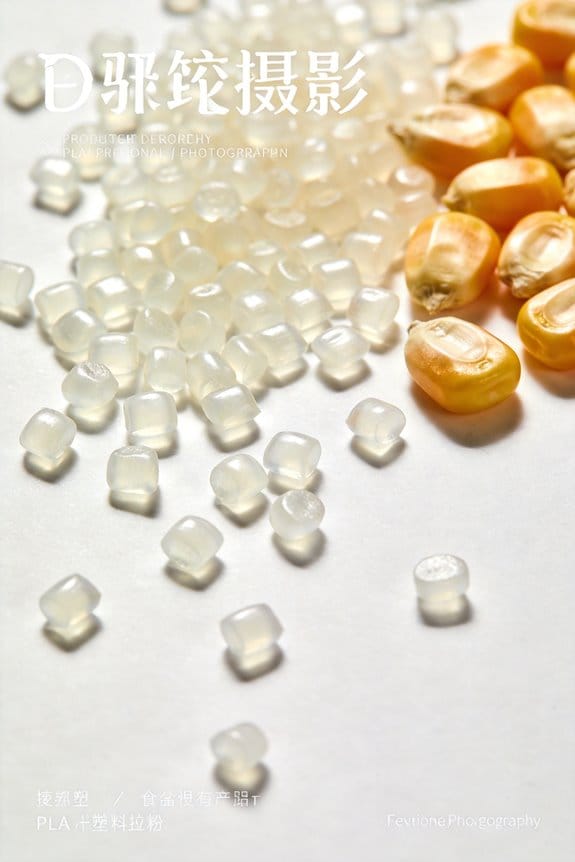


Compostable products break down into safe compost within 90 to 180 days, making them excellent for the environment. On the other hand, biodegradable materials may take years to decompose and could leave harmful residues. Compostable items meet specific certifications, ensuring they won’t pollute our soil. We should choose compostable over biodegradable whenever possible. This choice helps promote healthier ecosystems. If we explore more together, we can uncover even better options for sustainable living.
Key Takeaways
- Compostable products break down into safe organic matter in 90 to 180 days, while biodegradable materials may take years and leave harmful residues.
- Certified compostable products meet strict standards like ASTM D6400, ensuring no toxic waste remains, unlike many biodegradable items.
- Compostable materials create nutrient-rich compost supporting plant life, whereas biodegradable items can still contribute to environmental pollution.
- Misleading labeling can confuse consumers; not all biodegradable products break down quickly or harmlessly, unlike certified compostable options.
- Selecting certified compostable products promotes more sustainable practices compared to conventional biodegradable products that may contain harmful substances.
Defining Compostable: Key Features

Have you ever wondered what really sets compostable products apart from the rest? It’s not just about being eco-friendly; it’s about how these materials break down and contribute to our environment. Compostable materials turn into water, carbon dioxide, and biomass, without leaving behind any toxic residues. They must meet certain US industrial composting standards, like ASTM D6400 and ASTM D6868, to make the cut.
What’s impressive is how quickly these materials decompose. In the right conditions, which include the right amount of moisture and heat along with helpful microorganisms, compostable items break down in about 90 days. The result? Nutrient-rich compost that enriches the soil and supports plant life—all without any harmful effects.
So, why does this matter? Certification from organizations like BPI ensures that when you compost these products, they’re safe for the environment afterward. This means you can feel good about your choices being a part of a healthier planet.
Now, you might be thinking, “Isn’t biodegradable enough?” Truth is, while biodegradable items can break down too, they don’t necessarily enrich the earth in the same way compostable products do. Compostable items are specifically designed to have a positive impact on the soil.
Here’s the trick: Look for the certification labels when choosing compostable products to make sure they’re up to standard. This can help guide your eco-friendly purchases and enhance your sustainable efforts. Compostable bags certified by BPI and ASTM D6400 are tested to ensure effective breakdown and environmental safety.
Understanding Biodegradable: What’s the Deal?

Have you ever bought something just because it was labeled “biodegradable,” thinking you were doing something good for the planet? It’s time to take a closer look at what that really means. Biodegradable materials break down through microorganisms into more natural substances, but let’s be real—this process isn’t always as eco-friendly as it sounds. Some biodegradable products might leave behind harmful residues or even microplastics.
What’s tricky is that there are no strict regulations or clear timelines for how long these materials take to decompose. You might assume that quicker-degrading plastics are harmless, but if they end up in the wrong place, they can still hurt the environment.
Here’s the kicker: biodegradable materials can come from either organic sources or petroleum. This can muddy the waters when you’re trying to understand their true impact on the environment. Unlike compostable products, which meet specific standards for being broken down into nutrient-rich compost, the range of biodegradable options can sometimes leave you scratching your head about what’s really safe and sustainable. So, why does this matter? You want to make choices that align with your values, right?
Next time you shop, keep these tips in mind:
- Look for specific certifications, especially if you want to buy truly compostable products.
- Don’t just rely on “biodegradable” labels—check what it’s made from and how it should be disposed of.
- If you’re unsure, doing a bit of research could really pay off.
Remember that choosing products with biodegradable packaging can further reduce your ecological footprint.
Truth is, the world of biodegradable products can be confusing. The best part is that by staying informed, you’re much better equipped to make eco-friendly choices that truly benefit the planet. It’s all about taking small steps to make a difference, right? What will your next eco-friendly purchase be?
Comparing Biodegradable and Compostable Materials

Biodegradable and compostable materials might sound like they’re the same thing, but they have some important differences. Compostable products are actually a type of biodegradable material, but they break down in a composting environment within 90 to 180 days. This rapid breakdown is what helps create nutrient-rich compost for your garden. The best part is that certified compostable products follow ASTM standards, which means they won’t release harmful substances as they decompose.
On the other hand, biodegradable materials can include traditional plastics that might take years to break down, and some even leave behind microplastics. Honestly, when you think you’re going green with biodegradable items, they might not always be as eco-friendly as you’d hope. So, why does this matter? When sorting your waste, what you put in the compost bin can turn into safe, rich compost, while plastic waste just hangs around, contributing to pollution.
Try this: choose certified compostable options. It’s a small step that can really make a difference for our planet. Plus, you’re supporting companies that prioritize environmental standards, which is a win-win in my book! Compostable bags made with biopolymers and plant starches break down faster than typical plastics and support soil health.
In short, while both biodegradable and compostable materials have their place, opting for compostable products is a more reliable choice for reducing waste and helping the environment. What changes can you make this week to live a bit greener?
Why Choose Compostable Over Biodegradable Products?
Have you ever thought about the waste we create daily? As people become more eco-conscious, you might wonder what products can truly make a difference. Choosing compostable products is a smart move for those wanting to do something good for the environment.
Unlike biodegradable items that can take ages to break down, compostable products typically decompose within 90 days. This means they turn into non-toxic materials that actually enrich the soil. That contrast is crucial—no worrying about microplastics or harmful toxins lingering in our environment. You really want to support products that meet compost certification standards, like ASTM D6400. These standards mean that you can trust your compostable choices to decompose effectively in composting systems.
Here’s the trick: when you opt for compostable items, you’re not just making a purchase; you’re actively contributing to the creation of nutrient-rich compost. This compost boosts plant growth and supports more sustainable practices. Plus, it aligns with circular economy principles, helping to reduce landfill waste in a meaningful way.
Now, think about biodegradable products. Honestly, they often struggle to break down as intended, leading to more waste in our landfills. So, why does this matter? Choosing compostable over biodegradable could be a simple step you take to help create a healthier planet for everyone. Additionally, opting for products with BPI certification ensures adherence to high environmental standards and true compostability.
Debunking Common Misconceptions About Biodegradable Products
When you hear “biodegradable,” do you picture a product that’s completely harmless? You’re not alone, but that thought can be a bit misleading. Contrary to what many believe, biodegradable products don’t always break down quickly or without consequences. Some of them can take months or even years to decompose, and they might leave behind pesky microplastics or toxic residues. Unlike compostable items, which turn into safe organic materials in 90 to 180 days, biodegradable options don’t guarantee a clean environmental slate.
So, what’s the deal with labels? Misleading packaging can lead to confusion, making it hard to figure out what’s actually good for our planet. When biodegradable products end up in compost facilities, they can mess things up. You don’t want your compost contaminated with unwanted elements, right?
Here’s the trick: always check for clear definitions on the packaging. Don’t be shy about doing a little research. It’s essential to dive deeper than just the label. Understanding what “biodegradable” really means helps you make better choices for the environment. By being aware of the differences, you can contribute positively to your surroundings.
Truth is, being eco-friendly isn’t always straightforward. It takes a bit of effort to sift through the information, but it’s worth it. Take a moment before you buy your next biodegradable product. Are you sure it’s what you think it is? Are you fully informed about how it affects your environment?
Additionally, looking for certifications like BPI or ASTM can help ensure the products you choose meet recognized standards for safe degradation.
In the end, staying educated about biodegradable products is key. Remember, not everything labeled as “biodegradable” is made equal. So, what will your next purchase be?
Understanding Certifications for Compostable Products
How can you really know if the products you’re using are environmentally friendly? One way is by checking for certifications on compostable items. Certifications like BPI-Certified or TÜV OK compost are important—they mean that the products have passed certain ASTM standards.
Take EN 13432 for example; it ensures that packaging breaks down within a specific timeframe without leaving harmful residues behind. Then there’s ASTM D6400 and D6868, which give clear guidelines on how biodegradable plastics should disintegrate safely. The best part is CMA testing, which looks at real-world conditions and backs up manufacturers’ claims about how well their products compost. This kind of thorough testing can really boost your confidence that the choices you’re making will break down properly, whether it’s in an industrial facility or your home compost bin. In addition, choosing items made from biodegradable bamboo can further enhance your commitment to sustainable and eco-friendly living.
Making Informed Choices: Selecting Sustainable Options
Sustainable shopping isn’t just a passing fad; it’s a real way to contribute positively to our planet. Have you ever stopped to think about the impact your purchases have? Choosing compostable products over biodegradable options is one of the simplest ways to start. Compostable items break down into nutrient-rich compost within about 90 days when they’re disposed of correctly, which is pretty impressive. On the other hand, biodegradable products can leave behind harmful residues that mess with our composting systems.
When you’re out shopping, keep an eye out for certifications like BPI or ASTM standards (D6400 and D6868). This gives you some peace of mind that the products you’re buying are safe for industrial composting. It really does matter where our waste ends up, doesn’t it?
Here’s the trick: learn about how to dispose of packaging properly and get familiar with what constitutes organic materials. With a little bit of effort, you can make choices that genuinely help the environment. Together, we have the power to reduce waste and support effective composting systems. Just think—turning trash into valuable compost is way better than letting harmful microplastics linger around.
Many compostable cups are made from plant-based PLA which supports sustainability by breaking down efficiently in commercial composting facilities.
In the end, it’s all about being mindful of our choices. Every small step adds up. So, what sustainable choices will you make the next time you shop?
Frequently Asked Questions
Which Is Better, Biodegradable or Compostable?
In the garden of sustainability, compostable products bloom brighter. They enrich soil and reduce waste, whereas biodegradable materials can wither and leave behind debris. We should focus on compostables for better environmental impact and responsible waste management.
Can I Put Biodegradable Bags in a Compost Bin?
We shouldn’t put biodegradable bags in compost bins, as they often don’t meet compostable bag standards. Understanding disposal methods comparison helps us make informed choices for sustainable packaging and effective waste management practices.
What Qualifies as Biodegradable?
Biodegradable materials qualify as those that microorganisms can break down, resulting in natural degradation. They play a role in waste management and sustainable practices, but their environmental impact varies, highlighting the importance of eco-friendly options for our lifespan comparison.
Are Ziploc Compostable Bags Actually Compostable?
As the saying goes, “Don’t judge a book by its cover.” Ziploc compostable bags aren’t truly compostable. For sustainable living, consider Ziploc bag alternatives made from eco-friendly materials, and focus on effective composting techniques for real waste reduction.