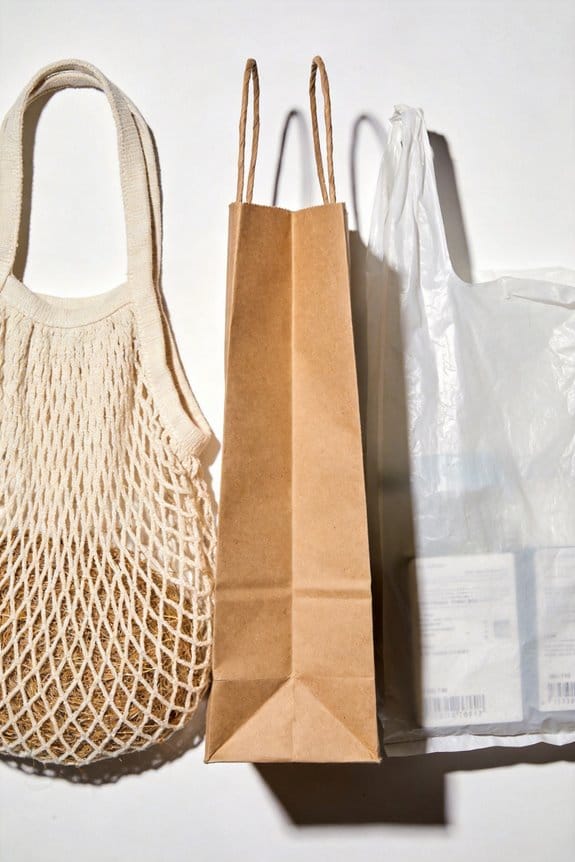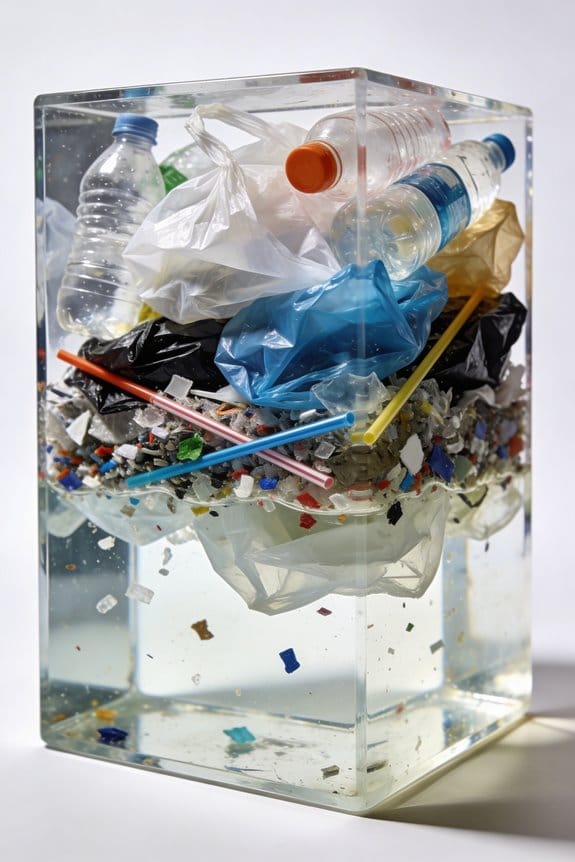


Oxo-biodegradable plastics seem like a smart choice to tackle plastic waste, but they aren’t truly sustainable. They contain chemical additives that speed up breakdown, but this process often just fragments them into harmful microplastics that last for centuries. Unlike compostable plastics made from renewable materials, oxo-biodegradables create more pollution without fully decomposing. Plus, they mess with recycling systems, making it harder to reuse materials. If we explore sustainable choices, we can find better options for our planet.
Key Takeaways
- Oxo-biodegradable plastics break down into microplastics, contributing to long-term environmental pollution rather than achieving true biodegradation.
- Chemical additives in OBP hinder recycling efforts, compromising the quality and structural integrity of recycled materials.
- Unlike compostable plastics, OBP does not break down naturally without toxic residues, posing risks to ecosystems and wildlife.
- Misleading labeling creates false perceptions of sustainability, with OBP not being a reliable solution for plastic waste issues.
- Bans on OBP by the EU highlight concerns over their environmental impact and failure to degrade completely.
What Are Oxo-Biodegradable Plastics and How Do They Work?
When it comes to oxo-biodegradable plastics (OBP), there’s a lot to unpack about how they work. These aren’t some magical solution to our plastic problem. Instead, they’re regular plastics mixed with chemical additives that speed up their breakdown process. This means they degrade faster in the environment, but it’s a bit more complicated than that.
Here’s the trick: the additives break down the polymers, eventually resulting in carbon dioxide, water, and a substance called humus. But here’s where it gets tricky. Because OBP doesn’t fully decompose into organic material, they can actually fragment into microplastics over time. So while they’re touted as being better for the planet, they can still hang around for hundreds of years. This definitely challenges the idea that they break down quickly!
With pollution and plastic waste becoming serious concerns, the European Union is really cracking down on these materials. That’s a clear sign that we need to start looking for more sustainable options if we truly want a cleaner planet. So, why does this matter? It means being an informed consumer and pushing for alternatives that actually help the environment.
If you’re concerned about your own plastic use, start by trying these practical steps:
- Choose natural materials when possible—things like glass, metal, or even plant-based options.
- Support brands that prioritize sustainability and transparency in their packaging.
- Educate yourself about the plastics you’re buying; knowing what’s in your products can make a huge difference.
Truth is, every little action counts when it comes to protecting our planet. Using bags made from plant-based materials certified by organizations like BPI ensures a safer and truly compostable alternative. So, what steps are you planning to take to reduce your plastic footprint?
How Do Oxo-Biodegradables Compare to Traditional Plastics?
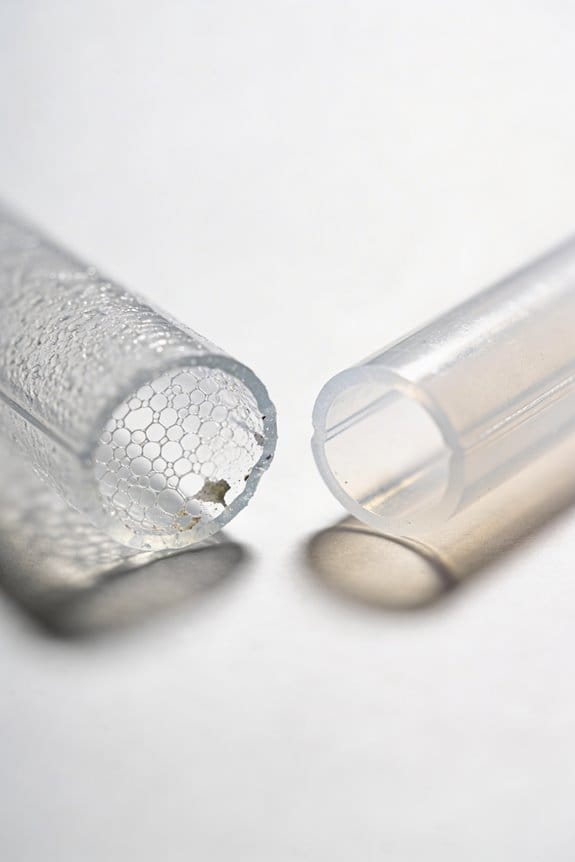
Have you ever wondered how the plastics we use every day are impacting our planet? It’s a good question, especially as we become more aware of environmental issues. Oxo-biodegradable plastics (OBP) and traditional plastics might seem similar, but they have some key differences when it comes to their effects on our surroundings.
Oxo-biodegradable plastics include some chemical additives that help them break down faster than regular plastics. That sounds great, but the catch is that they still produce microplastics, which can stick around in the environment for a long time. Traditional plastics, like HDPE, can last for decades without breaking down at all. So, whether you’re using OBP or traditional plastic, both can contribute to pollution and complicate recycling efforts.
Here’s the tricky part: When OBP is recycled, its properties decline quite a bit, which makes it less useful for creating new products. This can mess with the whole recycling stream, making it tougher to keep those materials in circulation. Honestly, it’s not just about choosing between the two; the European Union has even raised concerns about the actual benefits of OBP over traditional options. So, what should you do?
- Be mindful of your plastic choices.
- Look for alternatives when you can.
- Understand that both types have their downsides.
One sustainable approach is to seek products with truly biodegradable ingredients and eco-friendly packaging to reduce environmental impact.
The best part is that as we learn more, we become better equipped to make informed decisions. In the end, it all comes down to protecting our planet. What choices will you make moving forward?
Recommended Products

VERSATILE MONITOR: 34 Inch ultrawide 21:9 WQHD (3440x1440p) IPS monitor with 60Hz refresh rate

Oil Resistant Paper Barrier with Push Up Bottom

Dimension: 26'' Width 51'' Length X 28'' Height
Why Claims of Quick Degradation in Oxo-Biodegradables Are Misleading?

Have you ever heard about oxo-biodegradable plastics (OBPs) and thought they were a quick fix for environmental concerns? It’s easy to get swept up in the idea that these products break down faster than regular plastics, but the truth is quite different.
Many of these OBPs can hang around for hundreds of years in nature. Instead of fully breaking down, they tend to just break into smaller bits, which leads to microplastics that pollute our environment. Research indicates that when OBPs do degrade, they can leave behind harmful petrochemical residues, which raises serious doubts about their environmental benefits.
So what’s the deal with OBPs? When tested in landfills, they don’t decompose the way they’re supposed to, and they can even mess up recycling efforts. This isn’t just a personal opinion—regulatory bodies like the European Union have recognized the misleading claims about these products and are stepping in with bans and tighter regulations.
If you’re interested in supporting eco-friendly products, it pays to do a little homework. Here’s the trick: look for reliable certifications or do some research on whether a product truly breaks down as advertised. You might be surprised at what you find.
In fact, choosing bags made from natural materials with compostability certifications helps ensure the product actually contributes to environmental health.
In the end, it’s all about making informed choices. Are you really sure you want to support products that don’t live up to their claims?
Recommended Products

EASY PLANT STARTER PLUGS: OrganiPlugs Hydroponic Seed Starter Plugs are a food-safe option for germinating seedlings and root cuttings quickly and effortlessly, Organic peat and coco coir OMRI listed ingredients supplement and support plant growth

Feeds 10 Baby Chicks (0-8 Weeks) for 8 Weeks | Complete Kit Includes: Five 23 lb. bags of Starter Organic, Non-GMO Chick Feed (115 lbs) | Five 4 lb. bags of Starter Chick Grit (20 lbs) for Digestion | Designed to Improve Health & Happiness in Chicks

💚[Poo-llute no more!] Our Commercial Bulk Flat Header Pull-Strap Waste Bags are certified plant-based. Made with plant materials and starches, you'll be making a responsible choice every time you use them.
Environmental Impact: Fragmentation vs. Biodegradation
Ever wondered if oxo-biodegradable plastics are as eco-friendly as they claim? You might be in for a surprise. These plastics break down through oxidative degradation, but that process mainly leads to fragmentation. Instead of turning into safe, biodegradable materials, they break into smaller bits—yep, microplastics. These tiny pieces linger in our environment for a long time, just like regular plastics.
So why does this matter? Studies indicate that, despite their marketing hype, oxo-biodegradable plastics still create microplastics that contribute to pollution. Under certain conditions, these plastics can take hundreds of years to break down fully. Regulatory bodies, including the European Union, are catching on to the problem. They’ve banned these plastics because they don’t meet necessary biodegradability criteria or eco-toxicological standards.
If you’re trying to make smarter choices for the environment, it’s best to avoid oxo-biodegradable plastics. Instead, consider using biodegradable alternatives that truly break down without leaving harmful residue behind. The best part is, going for options that genuinely decompose helps limit pollution and protects wildlife. Many compostable bags made from plant-based materials ensure they break down efficiently and reduce environmental impact.
In short, while oxo-biodegradable plastics seem like a better option, their reality tells a different story. Are we putting our faith in the wrong solutions for a cleaner planet?
How Oxo-Biodegradable Plastics Contribute to Microplastics Formation
Have you ever thought about how those oxo-biodegradable plastics, which sound so eco-friendly, might actually be harming our environment? It turns out the chemicals in these plastics play a big role in creating microplastics that stick around for centuries. Instead of breaking down into natural materials, these plastics just crumble into tiny bits.
Now, here’s the kicker: studies show that the microplastics that come from oxo-biodegradable plastics can be just as harmful as the traditional ones. They can pose risks to marine life, which is pretty alarming. Imagine tiny creatures in our oceans ingesting these bits and the ripple effects that can cause through the food chain. Honestly, it makes you question what’s actually considered environmentally friendly.
When we talk about “oxobiodegradation,” it’s easy to believe that these plastics will break down harmlessly over time, but the truth is much more complex. Microplastics are sneaky because they often end up in places we can’t easily clean up. This not only creates significant pollution problems but also complicates efforts to take care of our planet.
So, what can you do? Be mindful of the products you choose. Check for any types of plastics, especially those marketed as biodegradable, and think twice before you buy. While they may seem less harmful, they can leave a lasting mark that doesn’t fade easily. The best part is, being informed allows you to make better choices for a cleaner environment. Choosing alternatives like sustainable bamboo resources for everyday items can significantly reduce plastic pollution.
Understanding the EU Ban on Oxo-Biodegradables
Have you ever stopped to think about the plastic waste piling up in our landfills and oceans? It’s a real problem, and now the European Union has taken a bold stance against a particular type of plastic: oxo-biodegradable plastics. Through Directive 2019/904, these products are officially banned from being marketed in EU member states, which is huge news for anyone concerned about the environment.
These plastics were pushed as a solution for reducing waste—after all, who wouldn’t want a product that degrades faster? But here’s the kicker: instead of breaking down completely, they actually fragment into microplastics. This just adds to our pollution woes. You might be surprised to know that many scientists have found these materials don’t perform better than traditional plastics. So, why does this matter? It means we need to rethink our options.
The ban primarily targets single-use plastics and oxo-biodegradable types that can do more harm than good. By making this move, the EU is urging us to consider sustainable alternatives that truly help our planet. Now, it’s on us to educate ourselves and take action.
Here are some straightforward steps you can take:
- Start using reusable bags, bottles, and containers.
- Look for products that are certified as biodegradable or compostable.
- Support brands that prioritize environmental sustainability.
Truth is, every little bit helps, and being aware of what you use can make a big difference. Remember, you have the power to choose products that won’t end up harming the Earth in the long run.
In short, understanding the EU’s ban on oxo-biodegradable plastics is vital for us all. What changes are you thinking about making to reduce your plastic footprint? Compostable alternatives, such as BPI-certified plates, provide truly sustainable options that break down safely without leaving harmful residues.
The Recycling Dilemma: Compromise of Recycling Streams by Oxo-Biodegradables
Have you ever tossed a plastic bag in the recycling bin and thought it was doing the right thing? Well, not all plastics are created equal, and this is where oxo-biodegradable plastics become a real headache for recycling. These bags have additives that mess with their structure and make them hard to recycle effectively.
A recent study looked closely at the impact of over 9.45 metric tons of these carrier bags, and the results are pretty concerning. Researchers found that these bags can really change the integrity of recycled products, with over 3,700 measurements backing this up. What does that mean for you? It means the density is reduced, and the structure becomes compromised, making them much less useful in recycling processes.
So, why does this matter? When oxo-degradable plastics break down, they do it under UV light, resulting in tiny flakes that make separating them in flotation tanks a real challenge. It’s like making recycling harder than it should be, and that affects the quality of the recycled materials we get back.
Here’s the trick: We really need to push for better legislation to keep these problematic materials out of our recycling bins. If we can prevent them from contaminating our streams, we can protect the environment and maintain high-quality materials for reuse.
Improving recycling efficiency also depends on using proper recycling bin designs that facilitate sorting and prevent contamination.
Let’s wrap this up: It’s clear that oxo-biodegradable plastics are causing big issues in recycling. So next time you’re about to toss that plastic bag in the bin, think about the bigger picture. Are we doing enough to keep our recycling streams clean?
Recommended Products
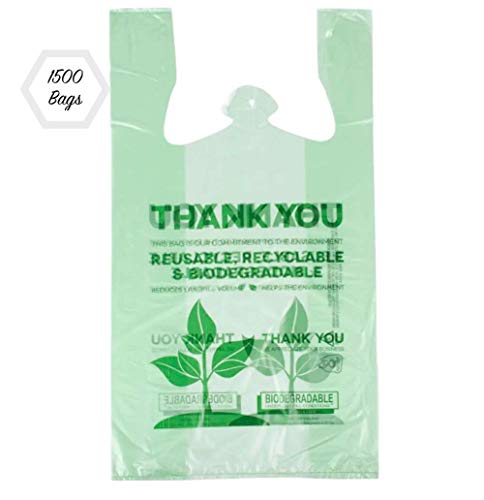
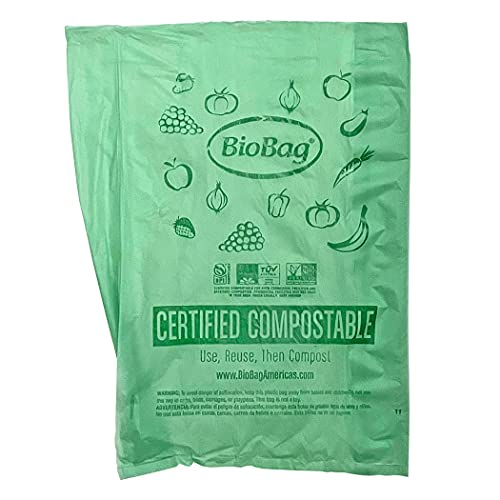
Contains 4 Rolls of 500 bags per roll (2000 total), 11 x 17 inches, .4 mil

Pack of WHITE T-SHIRT BAGS 18" x 8" x 28" comes in a case of 500. White, clear color. Thickness: 0.65 mil. These handle bags are durable and affordable for a variety of products like books, groceries and clothes. These shopping bags with durable and easy to hold handles can also be reused or recycled. These plain T-shirt poly bags are perfect solution for any convenience store or restaurant.
Why Compostables Are a More Sustainable Alternative?
Have you ever thought about how much plastic ends up in landfills? It’s a real issue. That’s where compostable plastics come into play. Made from renewable resources like starch, these biodegradable alternatives break down into natural materials. When given the right conditions, they can completely decompose within about 12 weeks. That’s pretty impressive, especially when ordinary plastics can sit around for hundreds of years.
Using compostable materials isn’t just an eco-friendly choice; it’s also a smart move for reducing landfill waste. These materials can often be composted along with food scraps, making it easier for you to manage waste at home. For example, Italy has laws mandating compostable bags for produce, which is a great step toward sustainable practices.
So, why does this matter? Because by choosing compostables, you’re not just making a better choice for the planet; you’re also supporting smarter waste management strategies.
Here’s the trick: when you switch to compostable options, you’re actually helping to improve soil quality too. They leave behind no harmful residues, so you can feel good about where your waste goes.
Truth is, every little bit helps. If you’re looking for ways to make a positive difference, consider integrating compostables into your daily life. You’ll find it’s easier than you think! Compostable bowls made from renewable plant fibers are an excellent example of such sustainable products.
Recommended Products
![[1000 SET]Harvest Pack 22oz Round Compostable Bowls PFAS Free with PLA coating with PET Lid, Paper Heavy-Duty Eco-Friendly Disposable Bagasse Sugarcane Bowl for Meal Prep](https://m.media-amazon.com/images/I/41dCMQx8RYL._SL500_.jpg)
🌱 ALL NATURAL - It is made with 100% non-toxic plant byproduct material; Leaves no carbon footprint

MADE WITH BAGASSE, A NATURAL COMPOSTABLE BY-PRODUCT THAT WOULD HAVE JUST GONE TO WASTE; Our product recycles the pre-consumer by-products left during the production of sugar from sugarcane, the natural fiber are stronger yet durable and leaves no carbon footprint on our environment as it otherwise would be discarded and wasted. Unlike paper bowls, plastic or even bamboo bowls, these disposable bowls are made with 100% natural non-toxic byproduct materials, completely tree free and plastic free

32oz Oval Fiber Burrito Bowls with Lids: Crystal Clear Raised Dome Lids allow for you and your customers to easily carry your bowls on the go while providing a beautiful presentation. Easily Serve your favorite Burrito Bowls, Soups, Salads, Acai Bowls in our Convenient, and Ecologically Friendly Food Takeout Containers. These Biodegradable Bowls are a great choice for your daily meals, restaurant orders, food trucks, carry out, catering events and to go orders. Microwave Safe and Freezer Safe!
What Common Misconceptions Exist About Oxo-Biodegradables?
Many people believe that oxo-biodegradable plastics are a quick solution to our plastic woes. Truth is, these plastics can take hundreds of years to fully break down, even with special additives. Instead of disappearing, they mostly turn into microplastics that hang around and pollute our environment.
You might think that these plastics could hold their own against traditional options, but studies show otherwise. They often create issues for plastic recycling efforts. Contaminating recycling streams leads to more waste, which we definitely don’t need.
So, why does this matter? The label “degradable” can easily mislead you into thinking these plastics are just like true biodegradable ones. Unfortunately, that’s not the case. Oxo-biodegradables provide only a temporary fix and don’t actually cut down on plastic use or help us manage waste more effectively.
It’s crucial to understand these misconceptions so we can focus on seeking better alternatives. Choosing products with BPI certification ensures they meet real composting standards and breakdown times, supporting effective waste management.
Do you have any thoughts on how we can combat plastic waste more effectively?
Moving Toward Sustainable Practices Beyond Oxo-Biodegradables
As we think about the future, have you ever stopped to consider what happens to all those plastic bags and wrappers? Relying on oxo-biodegradable plastics isn’t going to cut it if we want a healthy planet. Instead, it’s high time we switch gears and start using compostable materials. These options break down completely without leaving behind harmful microplastics, which is a win for soil health.
The European Union has already banned oxo-degradable products, signaling it’s time for us to find better, sustainable alternatives. Bioplastics like polylactic acid (PLA) and polyhydroxyalkanoates (PHAs) are slowly making their way into the market. They come from renewable resources rather than fossil fuels, which is definitely a step in the right direction.
Here’s the trick: it’s not just about switching materials. We also need solid waste management systems to make sure compostable plastics get the treatment they need. Have you thought about your role in this? Increased public awareness about how these materials impact the environment is essential for everyone to adopt more sustainable practices.
Honestly, every little bit helps. When you choose products made from compostable materials, you’re supporting a healthier planet. Remember, small changes in our daily lives can lead to significant shifts in our world. So, how can you start making these choices today? Many certified bags, such as those with BPI certification, ensure they break down safely without toxic residues, reinforcing their environmental benefits.
Recommended Products

CERTIFIED COMPOSTABLE: These EcoSafe compostable trash bags/ garbage bin liners are BPI certified compostable and CMA approved for food waste disposal (BPI Cert #890992).
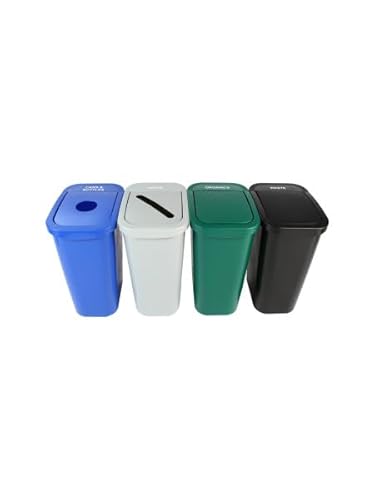
COMPACT SIZE: The City Box Series is a compact, smaller sized bin for recycling and waste that comes in both 7 and 10 gallon sizes. Perfect for lower traffic areas, kitchens, garages, or desk side servicing as a versatile plastic trash can.

【Lightweight & Space-Saving Foldable Design】No assembly required,unfolds in just one second for instant use. When folded, it’s only 3.7in thick, easily stored against a wall, behind doors, under sofas, beds, or any unused narrow space.(Unfolded size: 18.31×24.61×35.43in | Folded size: 18.31×3.74×37.8in) Weighing just 10lb, it’s effortlessly portable and stackable for flexible placement anywhere.
Frequently Asked Questions
Are There Any Regulations Currently Enforcing Oxo-Biodegradable Plastic Use?
Currently, there aren’t strict regulations enforcing oxo-biodegradable plastic use. Despite 90% of consumers favoring sustainable alternatives, regulatory challenges and limited consumer awareness hinder significant progress in adopting better solutions for our environment.
How Do Consumers Recognize Oxo-Biodegradables in Products?
We can recognize oxo-biodegradables by seeking clear labeling on product packaging. However, labeling challenges persist, so consumer education is essential to understanding these materials’ properties and making informed choices for sustainable alternatives.
What Industries Commonly Use Oxo-Biodegradable Plastics?
Around 300 million tons of plastic are produced yearly, with oxo-biodegradable plastics commonly found in the packaging industry, agricultural applications, and food service. We should consider their impact on sustainability as we explore alternatives together.
How Do Oxo-Biodegradables Affect Soil Health?
Oxo-biodegradables can harm soil health by causing soil contamination, disrupting microbial activity, and interfering with nutrient cycling. We should consider these effects when opting for alternatives that truly support a healthier ecosystem.
What Are the Long-Term Effects of Oxo-Biodegradables in Oceans?
Oxo-biodegradables can worsen ocean pollution, as they break down into microplastics, harming marine life. Over time, these microplastics accumulate, disrupting ecosystems and food chains, showing the hidden dangers of relying on such materials.