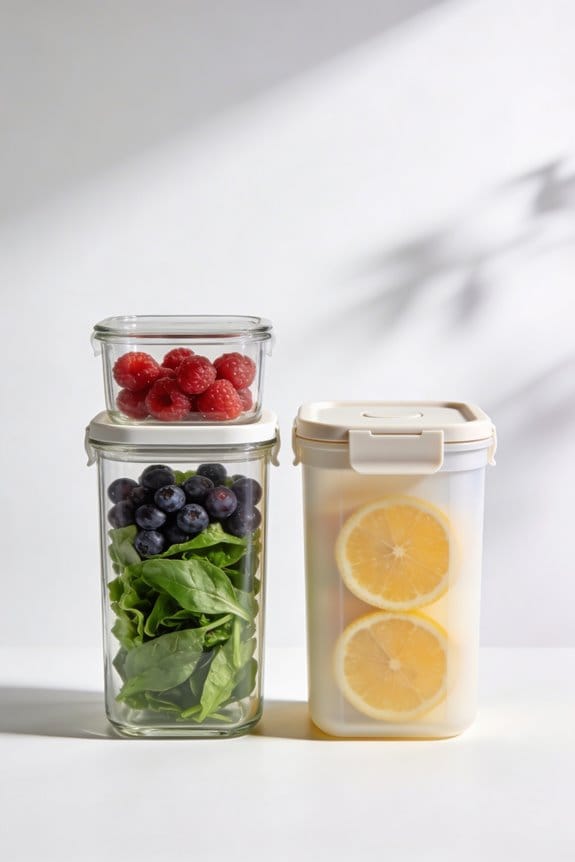

When it comes to preserving food longer, glass containers beat plastic hands down. Their airtight seals and non-porous surfaces keep moisture out, which helps food stay fresh. Plus, glass doesn’t leach harmful chemicals into your meals like some plastics do, especially at high temperatures. We should also consider that glass is durable and can handle cooking up to 450°F. Stick with glass, and you might just notice fresher meals. Keep going to discover even more benefits!
Key Takeaways
- Glass containers are airtight, effectively sealing in freshness and preventing moisture and air from spoiling food quickly.
- Non-porous glass prevents odor and flavor absorption, while plastic may harbor bacteria over time, compromising food quality.
- Glass can withstand high temperatures without leaching harmful chemicals, making it safer for food preservation compared to plastics.
- The durability of glass ensures it remains effective for long-term use, unlike plastic which degrades and may leach toxins.
- Fully recyclable glass contributes positively to the environment, allowing for sustainable food storage practices over single-use plastic containers.
Key Differences Between Glass and Plastic Containers
When you’re trying to decide on food storage, do you ever find yourself torn between glass and plastic containers? You’ve probably noticed that glass food storage containers are airtight, which means they do a much better job of keeping your food fresh compared to plastic. Plus, let’s be real—those plastic containers can sometimes leach harmful chemicals when things heat up, and that’s a big deal if you’re meal prepping for the week.
Glass stands out for a couple of reasons. First off, it’s non-porous, so it doesn’t transfer weird flavors between meals. Have you ever had a dish taste off because it’s been sitting in a plastic container too long? That’s not a problem with glass. And then there’s durability; glass can handle extreme temperatures without warping like plastic sometimes does.
Another reason to consider glass is how it affects the planet. Glass containers can be recycled, which is a huge win for the environment, while many plastic ones end up piling up in landfills. Honestly, it feels good to make a choice that’s not just better for your food, but also for the Earth.
In addition, glass containers often come with airtight seals that prevent leaks and keep food fresh longer, further enhancing their advantage over plastic.
Recommended Products

𝗦𝗰𝗲𝗻𝘁 - 𝗣𝗿𝗼𝗼𝗳, 𝗔𝗶𝗿𝘁𝗶𝗴𝗵𝘁 𝗮𝗻𝗱 𝗟𝗲𝗮𝗸 𝗣𝗿𝗼𝗼𝗳 : Heavy durable ultraviolet glass locks in aroma with airtight BPA free plastic lid. Insurance against the potency of your goods from leaking. Apothecary jars are good for long term storage.Our Sleek design jars come with an airtight seal with a tightly fitting black glass lid.These miron jars have substantive size, and they can easily fit a variety of organic and all-natural products.

COMPLETE 26-PIECE SET: Includes 10 glass containers with lids, 2 stainless steel scoops, 2 ¼ measuring cups, 2 modular storage bases, and 2 magnetic organizers, creating an all-in-one food storage system for a streamlined, clutter-free pantry.

𝗔𝗶𝗿𝘁𝗶𝗴𝗵𝘁 & 𝗦𝗰𝗲𝗻𝘁-𝗣𝗿𝗼𝗼𝗳 : Keep your content fresh and free from odors and leaks with the secure, leak-proof lid. The heavy, durable ultraviolet glass preserves the aroma and potency of your goods. Designed with a secure, airtight seal to keep contents fresh, odor-free, and maintain purity. The black glass lid dish is durable ultraviolet glass locks in aroma. Insurance against the potency of your goods from dissipating.
How Do Glass Containers Keep Your Food Fresh?

What’s the deal with keeping food fresh? We all want our meals to taste good and last longer, right? That’s where glass containers come in handy. They really do a fabulous job of sealing in freshness by keeping air and moisture away.
One of the best parts about glass is that it’s non-porous. This means it won’t soak up odors or flavors from your food, so you won’t end up with that weird taste in your leftover pasta from last week’s garlic dish. Plus, when you cook with strong spices like curry, glass containers won’t end up stained like plastic ones might.
You might wonder about reheating those meals. Glass can handle high temperatures really well, making it a dependable choice for cooking or warming things up. Here’s the trick: borosilicate glass is especially great because it resists thermal shock. That means you can go from the freezer to the oven without worrying about damaging your food.
Now, let’s not forget about health. Truth is, glass won’t leach harmful chemicals into your food like some plastics can. Isn’t that a relief?
Glass food storage sets often include airtight lids with silicone seals to effectively prevent leaks and keep food fresher longer.
Recap: Glass containers are excellent for keeping food fresh, locking in flavors, and staying clean. Have you tried using glass for your leftovers yet? You might just love the difference!
Recommended Products

KEEP YOUR FOOD FRESH: Look forward to leftovers with Caraway’s easy-to-store, non-toxic food storage containers. This set of six 10 cup glass containers was designed to be displayed and keeps your food fresh & organized.

KEEP YOUR FOOD FRESH: Look forward to leftovers with Caraway’s easy-to-store, non-toxic food storage containers. This set looks great and most importantly keeps your food extra fresh and organized.

LOCKS IN FRESHNESS: Precision-engineered True Airtight Seal protects your ingredients by locking in freshness and keeping out moisture, air, and pests—perfect for extending shelf life in any air tight food storage setup.
Health Risks Associated With Plastic Food Storage?

Have you ever wondered about what could be getting mixed into your food from those plastic containers you use? It’s pretty alarming when you think about how plastic food containers can release harmful chemicals like BPA and phthalates—especially when they’re heated up. This isn’t just a minor concern; it poses real health risks, including hormone disruption and unknown long-term effects.
Studies show that bacteria can cling to plastic surfaces, which can raise your chances of dealing with foodborne illnesses if you don’t clean these containers properly. Plus, have you noticed how worn or cracked containers can actually leak even more chemicals and encourage bacteria to grow? Yikes. And let’s not forget that many plastics aren’t biodegradable, which can harm the environment and, ultimately, our health.
So, what can you do? Try swapping out your plastic containers for glass options. They’re a much safer way to store food and keep your meals clean and fresh. You might also want to look for BPA-free plastics if glass isn’t your jam. Just remember to stay on top of your cleaning routine to keep those containers bacteria-free. Alternatively, consider using activated charcoal bags to naturally purify the air around your food storage areas, reducing odor and potential contaminants.
In short, being mindful of the containers you use can make a big difference for both your health and the planet. What changes will you make today?
Recommended Products
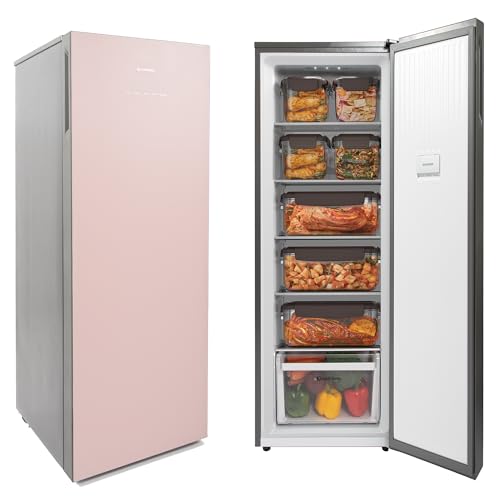
Kimchi Fermentation & Storage Refrigerator - Designed for kimchi fermentation and storage with adjustable temperature control.

PROFESSIONAL 3-GALLON BEVERAGE DISPENSER – Designed for restaurants, catering events, weddings, banquets, hotel lobbies, and parties, this square dispenser is perfect for iced tea, lemonade, sangria, infused water, or cocktails. Its large capacity and sleek design make it a stylish centerpiece for any beverage station.

Versatile freshness: the ZWILLING Fresh & Save Bowls starter set with 3 versatile glass bowls (12, 18 and 24 cm diameter) for preparing, baking, serving and storage, plus matching vacuum lids with double sealing technology. Includes 4 STAUB ceramic bowls (12 cm) in cherry red and a vacuum pump.
Versatility of Glass Containers for Cooking and Baking?
Isn’t it amazing how glass containers can really step up your cooking and baking game? These aren’t just pretty dishes; they’re incredibly practical too. Take a moment to consider how often a recipe calls for roasting and baking—glass containers can handle temperatures up to 450°F without breaking a sweat. That means you can create delicious meals without worrying about the container melting or warping.
What about meal prep? With these glass containers, you can seamlessly transition from oven to fridge. They’re built to withstand thermal shock, which means you can pull them hot out of the oven and pop them straight into the fridge without any issues. So, why does this matter? It makes meal prep so much easier!
When it comes to leftovers, glass containers shine. Not only are they microwave-safe, but they also come equipped with clever air vent designs that help keep moisture in and those delightful flavors intact. You can reheat your meal and enjoy it as if it was just freshly made.
Using one container for cooking, storing, and reheating means less fuss and hassle in the kitchen. Imagine cutting down on the number of dishes you have to wash after a long day! Honestly, who doesn’t want that?
Many of these containers also feature airtight seals that prevent leaks and maintain freshness throughout storage and transport.
Environmental Impact of Glass Containers vs. Plastic
Have you ever thought about the kind of containers you use in the kitchen? Glass containers might seem like a classic choice, but their environmental impact compared to plastic is worth a look.
Glass containers are fully recyclable and can be reused over and over without sacrificing quality. On the flip side, most plastic containers can only be recycled a handful of times before they start to fall apart. Sure, producing glass takes a bit more energy upfront, but their durability means a smaller overall environmental footprint when used repeatedly. Plus, using glass helps minimize single-use plastics—you know, those pesky items that often find their way to landfills and take ages to break down.
Here’s the kicker: glass doesn’t leach harmful chemicals into your food or the environment, unlike many plastics. So, when you choose glass, you’re not just picking a pretty container; you’re making a decision that supports both your health and the planet.
Here’s a quick rundown of the benefits of glass vs. plastic containers:
- Glass is 100% recyclable.
- Glass can be reused indefinitely without losing quality.
- No harmful chemicals leaching into food.
- Less waste in landfills.
Additionally, alternatives like stainless steel food storage offer durable, reusable, and environmentally friendly options to reduce plastic waste.
So, why does this matter? Making small switches in our daily lives can lead to big changes for the planet. If you’re looking to make more sustainable choices, opting for glass over plastic is a simple start.
Durability and Longevity: Comparing Glass and Plastic
When you’re in the kitchen, choosing the right containers can often feel like a hassle. Do you go for the convenience of plastic or the sturdiness of glass? Understanding the differences can make a significant impact on your food storage experience.
Glass containers, especially those made from borosilicate glass, tend to outlast plastic hands down. They’re less likely to break, plus you won’t have to deal with stained lids or lingering odors. How nice is it to know your food stays fresh without degrading over time? Plastic, on the other hand, can warp or crack when exposed to heat. If you’re someone who likes to pop leftovers in the oven, glass is definitely the way to go.
Sure, glass containers might cost a bit more upfront, but they’re built to last—sometimes for hundreds or even thousands of uses! Compare that to plastic, which often shows signs of wear and tear much sooner, forcing you to replace them. Honestly, why spend money on something that won’t stand the test of time?
The best part is that investing in glass means you can reduce waste in the long run. By making this simple shift, you’re not only choosing a more durable option but also making a choice that’s better for the environment. Additionally, many glass jars feature airtight seals that help preserve food freshness longer by preventing air and moisture intrusion. So, next time you’re shopping, think about what matters to you in a container.
Recommended Products
![BRIVARA HOME 20-Piece Glass Food Storage Containers Set with Lids (10 Containers + 10 Lids) | Microwave-Safe Airtight Seal, Oven-Safe Ceramic-Coated Glass | Zero Plastic, No PFAS/PFOA/BPA [Crema]](https://m.media-amazon.com/images/I/41foTG-whSL._SL500_.jpg)
20 PIECES, 10 CONTAINERS PLUS 10 LIDS! Ten ceramic-coated glass containers and ten matching lids in six sizes (2.5, 5, and 8 cup squares plus 3, 6, and 11 cup rectangles), covering everything from leftovers to weekly meal prep. More usable pieces than most 13 piece competitor sets.

LARGE CAPACITY: A large container that can store up to 15 Lbs. (7 kg) of rice, meets kitchen organization needs.

100% NON PLASTIC FOOD STORAGE CONTAINERS - These borosilicate glass food storage containers with glass lids are a safer, nontoxic, healthier alternative to plastic food storage containers.
Tips for Choosing the Best Food Storage Container for You
How do you make sure you’re picking the best food storage containers for your kitchen? It can be overwhelming with all the options out there, but focusing on a few key factors can really help. First up, consider going with non-toxic materials like glass. They’re free from harmful chemicals, which means your food stays safe and healthy for you and your family.
Next, look for leak-proof designs. Airtight containers not only keep your food fresh but also stop any unwanted smells from mingling. This is super important for long-term storage since nobody wants their leftovers smelling like last week’s fish.
Temperature resistance matters, too. Glass can take the heat and is often oven-safe, whereas many plastics can’t handle such high temps without warping or melting. Honestly, who wants to risk that? Check for durability, too. Glass is resistant to stains and odors, unlike plastic containers that tend to fade and absorb smells over time.
Now, here’s a quick tip: choose clear containers when you can. This might seem trivial, but being able to see what you have makes managing your food supplies a lot easier. You can quickly whip up meals and cut down on food waste. Additionally, selecting containers made from borosilicate glass significantly enhances durability and heat resistance for daily use.
Recommended Products

MEAL PREP BUNDLE: Your weekly meal prep made easy with Caraway’s easy-to-store, non-toxic food storage containers. This set includes 6 medium containers featuring non-toxic, non-stick, ceramic-coated glass, this durable container makes prepping, storing, and serving easier than ever.

ALL-IN-ONE SYSTEM: Includes the Ninja Crispi PowerPod, 4-qt and 6-cup borosilicate glass containers, and 2 snap-lock storage lids — everything you need to cook, crisp, and store in one compact set.

SPEICAL DESIGNED STACKABLE LID CANISTER SET: These Kasa Life glass food storage canister sets with black stackable design lids are perfect for contemporary pantry design. We carefully selected 6 PACK with 27OZ with black PP lids for secure and easy stack storage purpose, such as pasta, beans, nuts, cookies, spice or flour. Try our black lids glass jars for a new modern pantry organization.
Frequently Asked Questions
Can Glass Containers Be Used in the Microwave?
Yes, we can safely use glass containers in the microwave. Their heat resistance makes them ideal for food reheating, but we should always check for microwave safety labels, avoiding any non-microwavable container types to guarantee safe use.
Are Glass Containers Safe for Freezer Storage?
Yes, glass containers are safe for freezer storage if they’re designed for it. They offer excellent temperature resistance, promote food safety, but we should be mindful of potential condensation issues when removing them from cold environments.
Do Glass Containers Break Easily?
Glass containers can break, but their durability often exceeds expectations. With proper care, they exhibit impressive break resistance and impact safety, enhancing storage efficiency in our kitchens, while minimizing risks associated with accidental breakage.
How Do I Properly Clean Glass Containers?
To properly clean glass containers, we should follow best cleaning practices: use a soft sponge for different glass container types, avoid scratches, and employ effective sanitizing methods like vinegar or baking soda for ideal results.
Can Plastic Containers Be Recycled Easily?
Yes, plastic containers can be recycled easily, though durability varies. We should consider recycling processes, environmental impact, and cost comparison when choosing containers to minimize waste and foster sustainability for future generations.