

To season your cast iron pan, we should first scrub it with warm, soapy water and dry it thoroughly to stop rust. Next, we apply a thin layer of high-smoke-point oil, like canola, and preheat the oven to 450°F. Place the skillet upside down on the rack for one hour. This creates a great non-stick surface that lasts. Regular maintenance will keep it in top shape. Let’s explore the details to make it even easier!
Key Takeaways
- Regularly scrub and clean your cast iron skillet to remove grime and prevent rusting.
- Use high smoke-point oils, like flaxseed or canola, for optimal seasoning results.
- Apply a thin layer of oil to avoid pooling and create a durable nonstick surface.
- Bake the skillet upside down at 450°F for one hour to properly season the pan.
- Maintain seasoning by regularly cooking with fats and storing the skillet dry.
The Importance of Seasoning Your Cast Iron Pan
Have you ever noticed that your cast iron pans don’t perform quite like they used to? It’s easy to think they’re indestructible, but these beauties need some TLC to keep them in tip-top shape. The key to a long-lasting cast iron pan is seasoning. It’s not just a fancy term; it’s truly essential for protecting your cookware and enhancing its nonstick properties.
Here’s the trick: when you apply a thin layer of high smoke point oil—flaxseed or canola work great—and heat the pan to 450°F for about an hour, you’re creating a durable surface through a process called polymerization. This helps prevent rust and makes cooking a breeze. The best part is that the more you use your pan, the more seasoning builds up. This allows you to cook a variety of foods, even acidic ones like tomatoes.
But what happens if you skip seasoning? Honestly, it can corrode quickly, which definitely reduces both its longevity and functionality. Nobody wants to invest time and money into a cast iron pan only to see it fall apart.
To keep your beloved cookware in great shape, make seasoning a part of your routine. Don’t be afraid to experiment with different oils, and remember: consistency is key. Engaging with your pan and showing it some love ensures that it will be around for generations.
In the end, a little effort goes a long way in preserving the quality of your cast iron. So, do you have a go-to seasoning technique? Why not give it a try? Using water-resistant materials on accessories like kneeling pads can similarly help maintain and protect your kitchen gear during messy chores.
Step-by-Step: How to Season Your Cast Iron

Have you ever wondered how to keep your cast iron skillet in tip-top shape? It can seem daunting, but with the right steps, it’s totally manageable. Proper seasoning is key.
Start by scrubbing your skillet with warm, soapy water. This helps remove any leftover food particles and grime. Once you’ve done that, make sure to dry it completely. Leaving it wet can lead to rust, and nobody wants that!
Next, grab a high-smoke-point oil—vegetable or canola oil works perfectly. Apply just a thin layer, and here’s the trick: make sure to buff it well! You don’t want pools of oil sitting on the surface.
Preheat your oven to 450°F. Then, place your skillet upside down on the center rack, with a piece of aluminum foil underneath to catch any drips. Bake it for an hour. This step might feel a bit strange, but it’s super important for building that seasoning layer.
Once the time’s up, let the pan cool in the oven. Repeat this process of oiling and baking about 2-3 more times. Why go through the effort? It creates a strong, nonstick layer that makes cooking and cleaning much easier.
To ensure durability and safety, consider using finishes that are food-safe and eco-friendly like those recommended for bamboo bread boxes.
Recommended Products

🔥 Multi-Use & Versatile – Perfect for high-heat cooking (frying, roasting, sautéing) with a high smoke point of 450°F, plus DIY skincare and crafts like balms, soaps, lotions, salves, and candle making. Harness centuries-old uses in one single product.
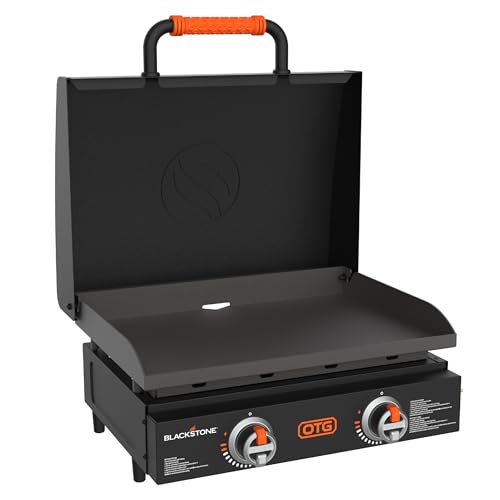
22-Inch Tabletop Griddle: The 22" Omnivore griddle plate delivers fast preheat, even heat distribution, and improved fuel efficiency.

CARBON STEEL COUNTRY FRY PAN - With its high sides, the MINERAL B Country Fry Pan is perfect for sauteing, simmering, deep frying & stir frying. It’s made of carbon steel, which is one of the most natural cooking materials.
Choosing the Right Oil for Seasoning Your Cast Iron

Have you ever struggled with what oil to use for seasoning your cast iron? It can feel overwhelming with so many options out there. The key is to choose oils with high smoke points. Oils like vegetable, canola, or sunflower work really well to create that durable nonstick surface you want for cooking. Grape seed oil’s also a solid pick due to its clean flavor and high smoke point.
Here’s the trick: don’t go overboard with the oil. A thin layer is all you need. If there’s too much oil, you’ll end up with a gummy finish, and that definitely complicates the seasoning process. The good news is that using your seasoned pan regularly with any cooking oil will help strengthen that seasoning through a process called polymerization. This not only enhances the nonstick surface but also boosts your cooking experience.
So, what should you steer clear of? Flaxseed oil might seem tempting, but it can flake and really hurt your seasoning over time. Truth is, sticking with the tried-and-true oils keeps your cast iron in top shape.
Additionally, using eco-friendly products like chemical-free stainless steel soap bars can help keep your kitchen tools odor-free without harsh chemicals, complementing your sustainable cooking habits.
Taking care of your cast iron can seem like a chore, but with the right oil and some regular use, it’ll reward you with amazing nonstick properties. Happy cooking! What’s your go-to oil for seasoning?
Recommended Products
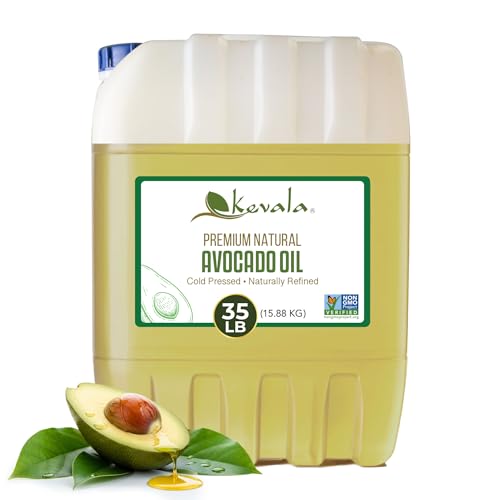
NATURAL AND COLD PRESSED - Cold pressed from select avocados without hexane or solvents. Minimally processed to help retain natural properties. Ideal clean cooking oil option for frequent use.

100% Pure Avocado Oil, Expeller Pressed, All Natural & Hexane-Free

CARBON STEEL COUNTRY FRY PAN - With its high sides, the MINERAL B Pro Country Fry Pan is perfect for sauteing, simmering, deep frying & stir frying. It’s made of carbon steel, which is one of the most natural cooking materials.
Easy Ways to Maintain Your Cast Iron’s Seasoning
Taking care of cast iron pans can feel a bit daunting, but it’s really not that hard once you get the hang of it. You want to keep your cookware in excellent shape, and I’ve got a simple seasoning guide that helps with just that. After every use, clean your skillet while it’s still warm. Just grab some hot water and a stiff brush—skip the soap! Make sure you dry it well, either with a towel or by letting it heat on the stove.
Here’s the trick: after drying, apply a thin layer of a high-smoke-point oil all over the surface. Regularly cooking with fats doesn’t just improve the nonstick properties; it also helps with polymerization, which is key to that beautiful seasoning layer. And a little tip for storing: place a paper towel in the pan to absorb any moisture.
So, why does this matter? Keeping your cast iron seasoned means it’ll last for generations, plus the food you cook in it will taste amazing. Honestly, it’s worth taking those extra few minutes after each use. For storing and maintaining freshness, consider using airtight lids similar to those found on stainless steel food storage containers.
Recommended Products

USDA Certified Organic Grass Fed Ghee: Strictly produced in the USA with Grass Fed cows raised on Evergreen fields to deliver the richest color and flavor. Zero exposure to artificial hormones or pesticides, and made using the traditional natural method since 1992.
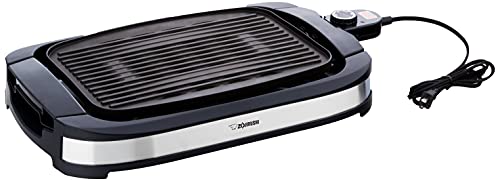
Large grilling surface

ROASTING PAN - The MINERAL B Carbon Steel Oval Roasting Pan is ideal for roasting meat, seafood & veggies. Carbon steel is one of the most natural cooking materials, praised by chefs worldwide.
Troubleshooting Common Seasoning Issues
Sometimes, you might find your cast iron pan isn’t performing as well as it should. Ever noticed it feels a bit sticky? That’s usually a sign there’s too much oil lingering on the surface. If this happens, just re-season your pan using a thinner layer of oil next time.
And then, there’s the pesky problem of black flakes showing up. This often means the seasoning is breaking down. To bring back that coveted non-stick quality, it’s best to re-season on a clean surface. Did you know that rust can also be an issue? If your pan shows signs of rust, it might not have dried thoroughly after cleaning. Just make sure to dry it well and add a light layer of oil to protect it.
Here’s a tip: try to avoid cooking acidic foods—like tomatoes or vinegar—right after seasoning. These can wipe out those delicate layers of seasoning you just established, which definitely isn’t ideal.
For cleaning, consider using eco-friendly and biodegradable detergents that are gentle on cookware and the environment to maintain your pan’s seasoning longer.
Recommended Products

Round roaster made of enamelled cast iron with a 12.6 litre volume, Ideal for browning, slow cooking and stylish serving of meat, fish, fruit or vegetables

Enameled cast iron delivers superior heat distribution and retention; Ready to use, requires no seasoning

KITCHEN COOKWARE SET: This trio includes a 10.5" non stick ceramic frying pan, 10.5" stainless steel frying pan, and 10.5" enameled cast-iron skillet—each designed for versatility, performance, and everyday use.
Frequently Asked Questions
Can I Season Cast Iron in an Outdoor Grill?
Yes, we can season cast iron on an outdoor grill! By controlling the heat temperature, using high smoke point oils, and following the seasoning process, we enhance flavor and maintain our grill effectively. Happy outdoor cooking!
How Often Should I Re-Season My Cast Iron Pan?
We should re-season our cast iron pan every few months, depending on usage. By choosing the right oil and cleaning methods, we enhance flavors, prevent rust, and guarantee top performance across various cooking techniques and heat sources.
Is It Safe to Use Soap on Seasoned Cast Iron?
Yes, it’s safe to use a little soap on our cast iron. It helps remove food residue and grease buildup without damaging the seasoning, debunking common kitchen myths about cast iron maintenance and non-stick properties.
Can I Season Cast Iron in a Self-Cleaning Oven?
We wouldn’t recommend seasoning cast iron in a self-cleaning oven due to smoke concerns and high oven temperatures. Instead, we can explore safer methods using the best oils and proper timing to achieve great finishes.
What Should I Do if My Cast Iron Smells Bad?
If our cast iron smells bad, we should try deep cleaning techniques like using vinegar cleaning methods or baking soda remedies. This helps eliminate fish odors and food residue smells, effectively restoring our cast iron’s freshness.