

When freezing liquids in glass, we need to be careful to avoid breakage. Let’s use wide-mouth mason jars, leaving 1 inch of headspace for smaller jars and 2 inches for larger ones to allow for expansion. Always cool liquids to room temperature first. It’s also wise to store jars upright, and use cardboard as a buffer from freezer racks. By following these tips, we can help guarantee our jars stay intact and keep our frozen goodies safe. If we keep going, there’s more useful info ahead!
Key Takeaways
- Use tempered, freezer-safe glass jars with no shoulders, like wide-mouth mason jars, to reduce cracking risk when freezing liquids.
- Always allow liquids to cool to room temperature and leave adequate headspace (1-2 inches) in jars for expansion during freezing.
- Store jars upright with slight loosened lids to prevent pressure buildup, and avoid direct contact with cold metal shelves.
- Group similar items in organized storage bins, placing jars away from cold walls or vents to prevent rapid temperature changes.
- Thaw jars in the fridge or in cold water to avoid thermal shock, checking for hairline cracks before freezing.
Understanding the Science Behind Freezing Glass
Ever tried freezing liquids in glass and ended up with a mess of shattered pieces? It’s frustrating, right? Let’s break down the science behind freezing glass and how to avoid this headache.
First off, glass isn’t the most forgiving material when it comes to sudden changes in temperature. Think of it like a stress ball – push it too hard and it might just pop. When liquids freeze, they expand by about 9%. So, to keep your jars intact, you need to leave some room for that expansion. Aim for about 1 inch of head space in smaller jars and 2 inches in larger ones.
Now, not all jars are created equal. Straight-sided jars are your best bet because they distribute pressure evenly. On the flip side, non-tempered jars can be more problematic due to air bubbles in the glass. Not to mention, those tiny air pockets can make all the difference when you’re talking about freezing.
Here’s the trick: always cool filled jars to room temperature before tossing them into the freezer. This little step can save you from a big mess later on. Why risk your favorite soup or sauce?
Truth is, understanding a bit of this glass freezing science can really help protect your stash. With the right prep, you can freeze like a pro—no splintered glass in sight. So, what are you waiting for? Get your jars ready and start freezing with confidence!
For the best results, consider using borosilicate glass, which is designed to handle extreme temperature changes safely.
Choosing the Right Glass Jars for Freezing Liquids
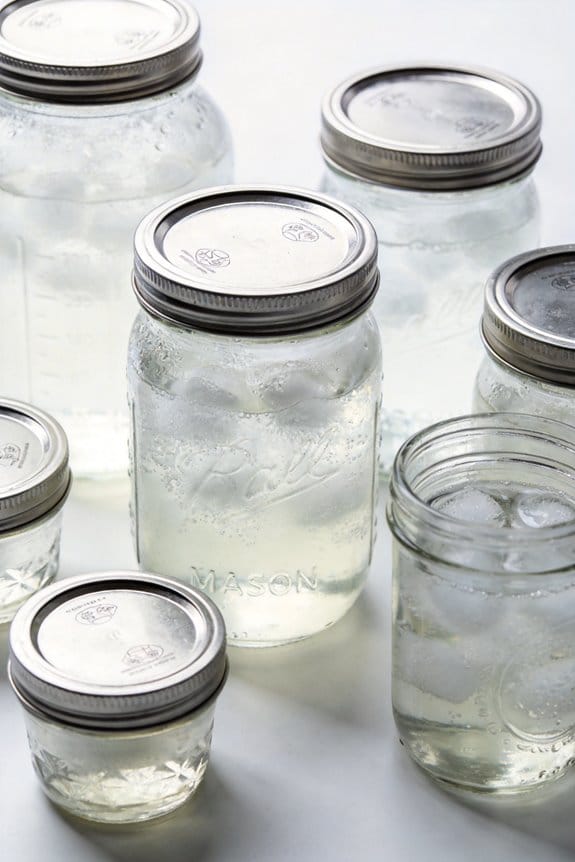
Choosing the right glass jars for freezing liquids can really save you from a lot of headaches down the line. Ever found a jar shattered in your freezer? It’s a huge mess! To avoid that, go for wide-mouth mason jars—pint or half-pint sizes work great. Their straight sides mean there’s less chance of cracking.
Another tip: always choose tempered glass. It’s specifically designed to handle those wild temperature changes, unlike regular glass that can break easily. When you’re filling the jars, make sure to leave at least 1 inch of headspace. Liquids expand when they freeze, and you don’t want your jars to pop!
Now, why does this matter? Those jars with shoulders may look nice, but they’re more prone to cracking under ice pressure. Stick to jars that have a straight design, and check for the “freezer-safe” label. Brands like Ball and Kerr are usually reliable choices.
The best part is, taking these small steps can make a big difference in keeping your frozen food safe and sound. So, next time you’re prepping your meals, keep these tips in mind! Want to save your foods for longer without worry? Just make sure you’re picking the right jars! Additionally, choosing jars made from borosilicate glass can help resist thermal shock and reduce the risk of breakage when freezing liquids.
Recommended Products

Product 1: Seal freshness in: Meat preserved with the FoodSaver system in the freezer can last up to 3 years and still taste fresh, flavorful, and freezer burn free; Prep ahead meals, leftovers, and produce stored in the fridge will stay fresh up to weeks later instead of spoiling in days.Includes: (1) 11""x10' vacuum seal roll (3) 1-quart vacuum seal bags (2) 1-gallon vacuum seal bags (3) 1-quart vacuum zipper bags (2) 1-gallon zipper bags

Product 1: Save Money and seal freshness in: Meat preserved with the FoodSaver system in the freezer can last up to 3 years and still taste fresh, flavorful, and freezer burn free; Prep ahead meals, leftovers, and produce stored in the fridge will stay fresh up to weeks later instead of spoiling in days
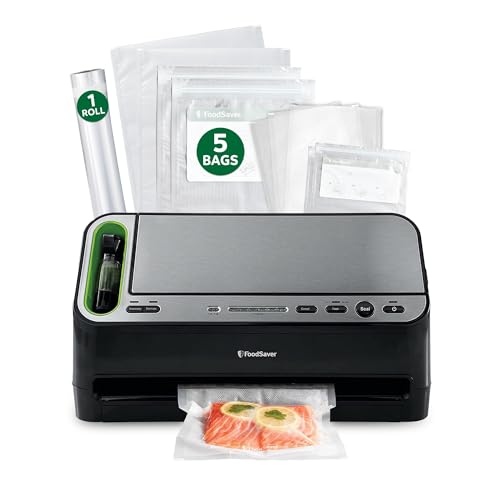
SAVE MONEY AND SEAL FRESHNESS IN: MEAT PRESERVED WITH THE FOODSAVER SYSTEM IN THE FREEZER CAN LAST UP TO 3 YEARS AND STILL TASTE FRESH, FLAVORFUL, AND FREEZER BURN FREE; PREP AHEAD MEALS, LEFTOVERS, AND PRODUCE STORED IN THE FRIDGE WILL STAY FRESH UP TO WEEKS LATER INSTEAD OF SPOILING IN DAYS.Includes: (1) 11""x10' vacuum seal roll (3) 1-quart vacuum seal bags (2) 1-gallon vacuum seal bags (3) 1-quart vacuum zipper bags (2) 1-gallon zipper bags
Essential Tips for Filling Glass Jars for Freezing

When it comes to freezing liquids in glass jars, you might wonder how to do it without making a mess or risking breakage. It’s not as tricky as it sounds! Just keep a few key things in mind.
First, always leave at least an inch of headspace. This little bit of space allows the liquid to expand as it freezes, which helps prevent your jars from cracking. If you’re using brands like Ball or Kerr, look for the fill line on the container—this is your target.
Another important tip? Ensure your liquids are completely cooled down before pouring them into the jars. Filling them up with hot liquids can lead to thermal shock and cracking, which no one wants to deal with. So, let that soup or sauce cool off a bit first!
It’s a good idea to stick with straight-sided jars for freezing. Why? They’re generally more durable and less likely to break compared to jars with shoulders. If you want to be extra cautious, consider storing the jars on their sides. This can help further protect against any shoulder cracking.
For an eco-friendly approach, consider using natural, biodegradable detergents in your cleaning routine to reduce environmental impact and avoid harsh chemicals after thawing your frozen items, as these detergents are designed with biodegradable ingredients.
Recommended Products

ELEGANT PRESENTATION: This glass stout bottle showcases your homemade barbecue sauces or cold brew coffee with style, making your creations visually appealing for gifting or display.

HIGH-QUALITY GLASS JARS Le Parfaits 4-Packs of sturdy jars are made of quality glass to preserve foods flavor and keep the food fresh. Our 1L jars have a 110mm diameter opening wider than a widemouth mason jar. Putting food inside and taking it out is easy because of its wide opening. Get 4 pieces of premium French glass jars, each having its own 2-Piece system lids.

PREMIUM BOROSILICATE GLASS:Our thick glass food jars are made from premium borosilicate glass, can be used in microwave, oven, freezer, and dishwasher, goes straight from the refrigerator to the microwave or oven to the table. You can defrost/heat up the suitable amount of food for their appetite
How to Store Glass Jars in the Freezer
Storing glass jars in the freezer can definitely be a bit tricky, but with some careful planning, it can be done without a hitch. Have you ever experienced that heart-stopping moment when a jar shatters in the freezer? I know I have, and it’s not fun. To keep your jars intact, it’s important to follow a few essential guidelines.
First off, always place your jars upright. This not only allows for some expansion space but also helps reduce the risk of breakage. You’ll want to leave at least an inch of headspace in each jar since liquids will expand when frozen. It’s a simple move that can save your containers.
Avoid putting jars directly on metal racks in your freezer. They can get really cold, really fast, which is a recipe for disaster. Instead, consider using cardboard boxes to provide a buffer against sudden temperature shifts. This little tip can make a big difference.
Here’s the trick: when it comes to the jar lids, don’t screw them on too tightly. Leaving them slightly loose is a smart way to let any air escape, which prevents pressure from building up. You’d hate to come back to a messy freezer!
Finally, keep your jars from touching cold walls or vent areas in the freezer. Rapid freezing can lead to cracks and breaks more easily than you might think. Additionally, choosing storage materials that are durable and breathable can help protect your food and containers during freezing.
Thawing Glass Jars Safely: Best Practices
Have you ever pulled out a frozen glass jar only to dread the thought of it shattering? It’s a common worry, but there are safe ways to thaw your jars without risking disaster.
For thawing, you’ve got a couple of easy options. Placing your frozen glass jar in the fridge overnight is one of the best methods. It allows the jar to warm up gradually, which is key in preventing thermal shock that can lead to breakage. Another option is letting the jar sit at room temperature. Just make sure you don’t rush this process!
If you’re feeling a bit impatient and want to speed things up, try this: gently immerse the jar in cold water instead of hot. Hot water brings the risk of sudden temperature changes, which can crack the glass. While you’re at it, be sure to loosen the lid a little. This helps release any built-up air pressure, making it less likely for the jar to break.
Before you even think about freezing those jars, check for any hairline cracks. It’s also wise to leave some headspace in each jar. This not only helps with the freezing process but also makes thawing a lot easier later on.
Using glass jars made from BPA-free borosilicate glass is recommended since they handle extreme temperatures better and reduce breakage risks.
Common Freezing Mistakes to Avoid
Freezing glass jars can be a great way to keep your favorite soups, sauces, or smoothies on hand, but a few missteps can turn your good intentions into a messy disaster. Have you ever wondered why some jars just don’t make it through the freeze? Here are a few common mistakes to steer clear of.
First off, make sure you leave at least an inch of headspace in your jars. This isn’t just a suggestion; it’s crucial for allowing the contents to expand as they freeze. If you don’t leave enough space, the jar might crack under pressure—definitely not the result you want!
Next, don’t put jars directly on metal freezer shelves. It can cause serious temperature changes too quickly, which might lead to cracks. Instead, consider placing them on a piece of cardboard or a freezer-safe mat to soften that drastic temperature change.
Also, be aware of the fill lines on your jars. You might be tempted to fill them to the brim, but trust me, overfilling is a recipe for trouble. Just like you wouldn’t fill a balloon too much, you shouldn’t push the limits with your jar either.
Now, here’s a tip: straight-sided jars are your best friend. Jars with shoulders create stress points where cracks can form. So, when you’re out shopping for jars, keep an eye out for those straight sides.
Lastly, don’t forget to cool hot contents to room temperature before sealing the jar. This simple step can make a huge difference in ensuring that your jars survive the freeze. Honestly, it’s worth the wait to avoid the heartache of shattered glass later.
Additionally, using containers made from natural materials can enhance safety and durability for kitchen storage options.
With a bit of care, you can safely freeze your favorites in glass jars. Before diving in next time, why not double-check your methods? Happy freezing!
Recommended Products

STACKABLE - Organize your kitchen with these versatile and portable storage bins; These pantry organizer bins stack neatly on top of each other, making them ideal for maximizing space inside cabinets, pantries, shelves, or refrigerators; 18 piece set

PLASTIC FOR FRESHNESS: Made of plastic cellophane, these bread bags allows longer retention of freshness of baked items. Ensure your homemade bread stays fresh!

REUSABLE ZERO WASTE GLASS JAR THAT REPLACES SINGLE-USE PLASTIC IN YOUR KITCHEN – Every Le Parfait Super Terrine is built to last for years, not days. The premium French glass is durable, non-porous, and free from BPA and plastic components. Unlike disposable plastic tubs, bags, and cling film, one Super Terrine can be reused again and again for storage, preserving, and meal prep. The stainless steel wire bail closure is designed for long-term use, while the natural rubber gasket must be replaced before every canning cycle to ensure a safe, airtight seal. One Super Terrine helps reduce everyday kitchen waste by replacing hundreds of single-use containers over its lifetime.
Label and Organize Frozen Glass Jars
Have you ever opened your freezer only to be greeted by a chaotic jumble of frozen items? Trust me, it can feel overwhelming when you’re just trying to find that one jar of soup you swore you saved for a rainy day. Keeping your frozen glass jars organized not only saves time but can also keep your sanity intact!
Start by labeling each jar with its contents and the date it was frozen. This simple step allows you to see at a glance what you have and how long it’s been sitting in there. You’ll want to use waterproof labels or permanent markers—those flimsy paper labels just won’t cut it in the freezer. This way, when you need to grab that homemade pasta sauce, you’re not left guessing what’s inside.
So, how do you keep everything organized? Group similar items together. Put all your veggies in one section, soups in another, and maybe some fruits for smoothies in yet another. It sounds simple, but it can save you a lot of frustration. Using divided storage bins is a great tactic to keep the jars standing upright, minimizing the chance of breakage when you accidentally bump into them while reaching for that ice cream.
Don’t forget to add thawing instructions on your labels. That little tip can come in handy when you’re in a rush to get dinner on the table. It takes a couple of extra seconds, but it makes a world of difference when you’re scrambling after a long day.
In short, with just a bit of organization, meal prep can go from chaotic to efficient. You’ll know exactly what you have and how to get it ready fast. So, what’s stopping you from giving your freezer a little TLC? Also, consider incorporating eco-friendly compostable straws into your kitchen routine to complement your efforts toward a sustainable lifestyle.
Exploring Non-Glass Freezing Container Options
Have you ever struggled with finding the right containers for freezing your leftovers? It’s a real hassle when you’re worried about your glass containers breaking due to the expanding liquids inside. That’s where non-glass freezing containers come in handy. They’re typically made of flexible materials that can handle that expansion without a safety risk.
Reusable freezer bags are a great option. They’re lightweight and seal tightly, all while allowing some flexibility to prevent freezer burn. Honestly, nothing’s worse than pulling out a bag of frozen soup only to find it’s become a freezer-burnt mess. You can also consider durable plastic containers, like Tupperware, which come in all sorts of sizes. This makes them perfect for storing anything from broth to sauces.
For those super large batch meals, think about using foil pans covered with plastic wrap. They’re excellent for fitting in the freezer when you don’t want to waste time transferring things. Just be sure to grab containers labeled as freezer-safe to avoid any unfortunate surprises later on.
Recommended Products
![Glotoch 24oz [1 Pallet-8350 Pack] Meal Prep Containers Reusable with Lids, Food Storage Containers Microwave,Freezer,Dishwasher Safe, Leakproof & BPA Free Durable Plastic Bento Box To Go Take Out](https://m.media-amazon.com/images/I/512IoxugSrL._SL500_.jpg)
Package includes: 8350 Food Containers + 8350 Lids

VALUE STORAGE PACK: Includes heavyweight 64Oz deli containers with airtight lids designed for storing soups, salads, sauces, leftovers, snacks, meal prep foods, and takeout meals while helping keep ingredients fresh, organized, and ready to serve

EASILY KEEP TRACK OF INVENTORY: With blue measurement graduations listed in quarts and liters, these food storage containers allow you to effortlessly manage your inventory. Easily measure ingredients!
Benefits of Freezing Liquids in Glass Jars
Ever had that moment when you pull something out of the freezer, and it just doesn’t taste the same as when you made it fresh? You might want to consider using glass jars for freezing your liquids.
Freezing mason jars has a ton of perks. First off, they do a great job at keeping food quality. When you freeze your soups or sauces in glass, you’re minimizing the risk of any chemical leaching, which means those flavors will stay as fresh as the day you cooked them. Just make sure to leave a little space at the top of the jars; liquids expand when frozen, and no one wants to deal with broken glass.
You might have noticed that some foods take on a weird texture after being frozen in plastic, right? Glass jars are different. They help prevent freezer burn, meaning your liquids stay flavorful and nutritious. Plus, they’re reusable. That’s a win for your wallet and for the environment!
Another great thing about glass jars is how easy they make it to see what’s inside. Trying to keep inventory of your freezer can be a hassle, but with clear glass, you can spot what you need in seconds. Honestly, using them can really boost your meal prep and help cut down on food waste.
In addition, glass containers made from borosilicate glass can handle extreme temperature changes, making them ideal for safely freezing and reheating your meals.
Troubleshooting Common Issues With Freezing Glass Jars
Freezing liquids in glass jars can be super handy, but let’s be real—there are some hiccups that can happen along the way. One of the biggest issues? Breakage. So, what can you do to prevent that? Always leave enough headspace when you’re filling those jars. Aim for about 1 inch for small jars and 2 inches for larger ones. It makes a difference!
Also, think about the type of jar you’re using. Straight-sided, wide-mouth mason jars are your best bets. Jars with shoulders? Just skip those; they tend to crack easier. And here’s a little tip: before you pop those jars in the freezer, let the liquids cool down to room temperature. That way, you’ll avoid thermal shock, which can lead to unexpected breakage.
When it’s finally time to stack those jars in the freezer, store them upright. And don’t cram them too close together! Leaving some space between them keeps them from touching and preventing any potential disasters. Trust me, it’s worth being a bit picky about this.
When you’re ready to thaw, take the jars out and move them to the fridge overnight, or just let them sit at room temperature. This simple step can save you from a surprise glass explosion all over your kitchen. Honestly, who wants to deal with that?
In short, freezing liquids in glass jars can be a breeze as long as you take a few precautions. For added protection, consider incorporating multi-layer construction techniques to enhance safety and durability. Have you had any experiences with freezing jars? What tips do you have to share?
Recommended Products
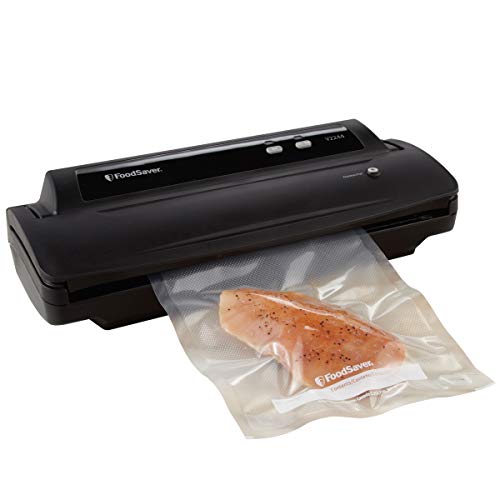
Stretch your dollar: Meat preserved with the foodsaver system in the freezer can last upto 3 years and still taste fresh, flavorful, and freezer burn free; prep ahead meals, leftovers, and produce stored in the fridge will stay fresh upto weeks later instead of spoiling in days

CRYSTAL CLEAR PLASTIC Lightweight, Impact Resistant, BPA free (Not Dishwasher Safe) Freezer Safe Food Grade PET Plastic Containers

Versatile glass Mason jars for canning and crafting
Frequently Asked Questions
How to Prevent Glass From Breaking in the Freezer?
To prevent glass from breaking in the freezer, we should choose proper glass types, follow freezing techniques, account for expansion rates, monitor temperature settings, and maintain safe liquid levels while using appropriate container designs.
Is It Safe to Freeze Liquids in Glass?
Sure, we can freeze liquids in glass—if we’re not fans of shattered surprises! By following safety precautions, considering glass types, and ensuring proper jar preparation, we minimize risks associated with temperature limits and liquid expansion.
Will Freezing Water in a Glass Break It?
Freezing water in glass can break it due to thermal shock and ice expansion. To boost glass durability, we should choose freezer-safe glass types and follow safety tips for effective glass storage at freezing temperatures.
How Do You Freeze Glass Jars Without Breaking Them?
Freezing glass jars without breaking them’s like a dance; we just need the right steps. By using best practices, respecting glass durability, and managing temperature changes, we can guarantee safe ice formation and effective freezing techniques.