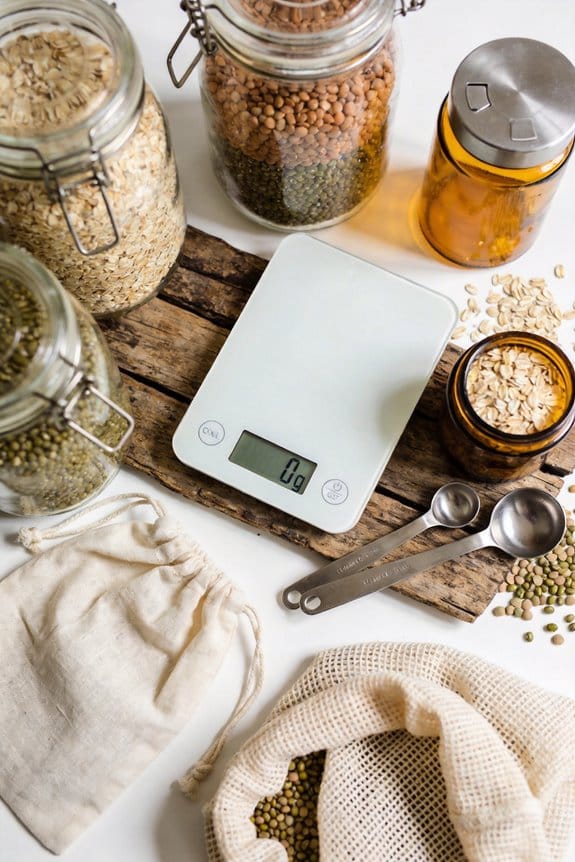

Tare weight is the weight of your empty jar, and it’s super important when we shop in bulk. We can weigh our jars at home using any kitchen scale, ensuring we write down the weight clearly on each jar. When we check out, reminding the cashier to deduct this weight keeps our costs down. Cleaning jars thoroughly before shopping, helps keep bulk goods fresh. If we want to reduce waste and save money, let’s keep learning more practical tips together!
Key Takeaways
- Weigh your empty jars at home or at customer service to determine the tare weight accurately.
- Clearly label each jar with its tare weight to streamline the checkout process.
- Communicate with cashiers and remind them to deduct the tare weight from your total purchase.
- Clean jars thoroughly before shopping to ensure they are free of moisture and residues.
- Start with a few jars and gradually expand your bulk shopping for a sustainable routine.
The Importance of Tare Weight in Bulk Shopping
When you’re shopping in bulk, you ever wonder if you’re really getting the best deal? Understanding tare weight can make a big difference in what you pay at the checkout. Tare weight is simply the weight of your empty container, like those glass jars you use. By deducting that weight from the total, you ensure you’re only paying for the food you actually want.
Many bulk stores offer the chance to pre-weigh your containers at customer service. This is super helpful for keeping things simple at checkout. You won’t have to stress over unexpected costs if you’ve got it all figured out ahead of time. Plus, it keeps a good handle on your expenses.
Here’s a quick tip: consider using compostable tape or washable chalk to mark the tare weight on your containers. It helps keep everything organized and neat. Why not be smart while you’re shopping?
The best part is, when you practice tare weight methods, you’re not just saving money; you’re also supporting a zero-waste lifestyle. It encourages the use of reusable containers and promotes responsible shopping habits. So, why does this matter? It’s a small step that can contribute to a much larger change in your shopping routine.
Additionally, using containers made from biodegradable materials can enhance your eco-friendly shopping efforts.
In short, keeping an eye on tare weight helps you save cash and live a more sustainable life. Next time you’re at the bulk store, give it a go! What are some of your favorite tips for bulk shopping?
Recommended Products

𝗦𝗰𝗲𝗻𝘁 - 𝗣𝗿𝗼𝗼𝗳, 𝗔𝗶𝗿𝘁𝗶𝗴𝗵𝘁 𝗮𝗻𝗱 𝗟𝗲𝗮𝗸 𝗣𝗿𝗼𝗼𝗳 : Heavy durable ultraviolet glass locks in aroma with airtight BPA free plastic lid. Insurance against the potency of your goods from leaking. Apothecary jars are good for long term storage.Our Sleek design jars come with an airtight seal with a tightly fitting black glass lid.These miron jars have substantive size, and they can easily fit a variety of organic and all-natural products.

3" round white matte labels (5,000 sheets – 30,000 labels): Printable medium white circle stickers with a matte finish for full-color customization; six labels per 8.5" x 11" sheet; compatible with inkjet and laser printers

➤ DURABLE MATERIAL - Lola's "The Original" kitchen sponge bottle puff is a sponge cleaner. It is made of a foam sponge. ➤It includes easy to hang-it feature at the end of its strong plastic handle.
Why Taring Jars Is Essential for Sustainable Bulk Purchases

Are you tired of paying extra for packaging when shopping in bulk? Taring jars can really change the game for the way you shop sustainably. When you tare your jars, you only pay for the weight of the food inside, not the jar itself. This is especially important in bulk shopping where prices usually depend on the weight rather than how many items you’re buying.
One of the biggest perks of using tared jars is that it encourages you to ditch single-use packaging. Think about it: every time you bring your own reusable container, you’re not only being eco-friendly, but you’re also cutting down on waste. Plus, when your jars are already tared, you can be confident that you won’t accidentally overpay at the register.
Here’s the trick: before you fill your jars, make sure to ask the staff to tare them. This way, you’ll get an accurate weight and price. In my experience, having this done can make sticking to your budget so much easier. It’s satisfying to know you’re spending just for what you’re taking home.
Now, why does this matter? Using tared jars helps support local businesses that prioritize sustainable practices. You’re voting with your wallet every time you shop. Such choices can really make a difference in your community.
Next time you hit the bulk aisle, remember to tare those jars! It’s an easy step toward making your shopping more responsible and enjoyable. Do you think you’ll give it a try?
Carrying your bulk goods home in reusable grocery bags complements taring by further reducing single-use waste while providing practical durability and convenience.
Step-by-Step: Weighing Your Jars for Accurate Pricing

Ever feel like you’re spending too much at the store, especially when buying in bulk? We all want to save money while being eco-friendly, and weighing your jars is a fantastic way to do both!
First, make a quick stop at the customer service desk or grab a kitchen scale at home. You’ll want to find out the tare weight, which is the weight of your empty jars. Don’t just keep that number in your head—label it clearly! You can use compostable paper tape or washable chalk pens for easy reference.
When it’s time to shop, be sure to remind the cashier to deduct that tare weight at checkout. That way, you’re only paying for the food you’re buying. If your store allows it, consider sticking a barcode on your jars; it makes self-weighing super simple.
And let’s be honest here: communication is key. If you have jars at the register, just kindly let the cashier know. This little step can help avoid mistakes and cut down on food waste during your bulk shopping trips.
For freshness and odor elimination in your reusable jars, consider using bamboo charcoal bags that naturally absorb moisture and odors while being eco-friendly.
Recommended Products

Accurate Portion Control: Save money and maintain consistent portion sizes. This scale displays both imperial (lb/oz) and metric (kg/g) measurements, ensuring precise portion management

Lb/Oz/Kg/grams switchable, Easy Operating, NTEP Approved Legal for Trade, COC #22-007, NSF Certified
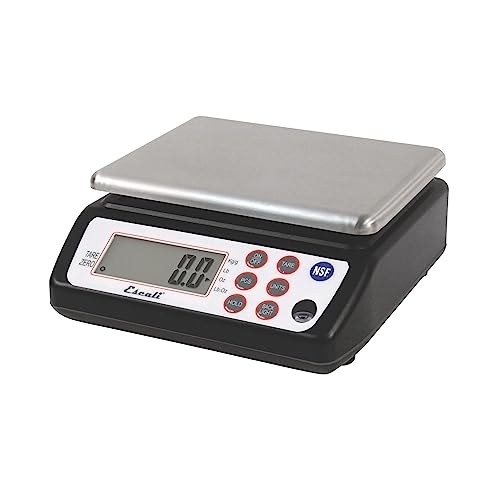
Easy Read Digital Display – Large, backlit LCD screen clearly shows both imperial and metric units, making this digital food scale easy to read at a glance in bright kitchens, dim prep areas, or varied lighting conditions during food prep.
How to Keep Track of Tare Weights and PLU Codes
Keeping track of tare weights and PLU codes can feel like a lot, but it doesn’t have to stress you out. When you’re out shopping, bringing along a little jotter can really help. One simple way to do this is by writing down the tare weight of each jar on paper or using some compostable tape to stick it right onto the jar. It makes checkout a breeze!
Now, what’s the deal with PLU codes? Familiarizing yourself with those codes for the bulk items you’re planning to buy can save you some hassle in the long run. Here’s a trick: take a clear photo of your jars, showing both tare weights and PLU codes. This way, you have all that info handy when you need it.
Don’t forget to keep this information organized, either in a dedicated notebook or notes app. That makes it super easy to find next time you’re out shopping. At checkout, just present the jar with the tare label and let the cashier know the PLU code. This means you’ll get charged accurately—no surprise costs!
To protect your jars and keep contents fresh during transport, consider storing them in reusable lunch bags designed for insulation and durability.
Recommended Products

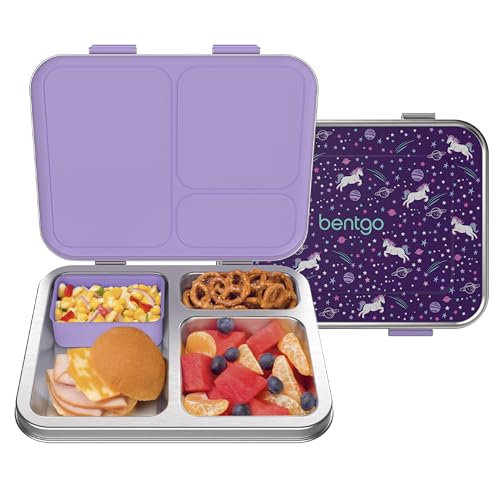
#1 Lunch Box Brand*: Thoughtfully designed & rigorously tested, there’s no wonder why parents love Bentgo Kids, America’s favorite one-of-a-kind children's lunch box. It features 3 to 4 compartments portioned perfectly for a total capacity of 4 cups, suitable for a child’s appetite (ideal for ages 3-7).

Lunch in the Hundred Acre Wood: This Disney Winnie the Pooh insulated lunch box keeps meals fresh and cool—the perfect portable lunch bag for adults, men or women for work, camping, tailgating, or travel.
Simple Ways to Clean and Prep Your Jars for Shopping
When you’re gearing up for some bulk shopping, you might wonder how to prep your jars for the best experience. Start by giving your glass containers a good wash with hot, soapy water to get rid of any leftover gunk. Rinse them well to prevent a soapy taste from creeping in later. Let them air dry completely; even a little moisture can affect your bulk goods.
Now, about those pesky labels—ever struggled to peel them off? One trick is to soak the jars in warm, soapy water, which usually makes the labels slide right off. For the tougher adhesives, a little scraping may be necessary. Having a collection of jars in different sizes really helps, too. They’re perfect for storing everything from grains to spices.
Honestly, prepping jars isn’t just good for organization; it can save you money and help the planet by cutting down on plastic waste. Using your own containers is a step towards being more eco-friendly and can make a big difference. If you also pack items in reusable produce bags, you’re on the right track to a more sustainable shopping routine. For added sustainability, consider complementing your jars with beeswax food wraps, which are reusable and biodegradable alternatives to plastic wrap.
Recommended Products

DURABLE - These 16 oz. Libbey mason jars are made of high quality durable material making them perfect for your favorite sweet tea, cold glass of water, or even a ice cold brew. These glass mason jars would be a perfect addition to your restaurant or bar.

𝗦𝘂𝗽𝗲𝗿𝗶𝗼𝗿 𝗨𝗩 𝗣𝗿𝗼𝘁𝗲𝗰𝘁𝗶𝗼𝗻 & 𝗔𝗿𝗼𝗺𝗮 𝗟𝗼𝗰𝗸: Made with laboratory-tested black ultraviolet glass that blocks harmful light to preserve potency and fragrance of dried goods and herbal blends

VERSATILE FOR PRESENT AND FUTURE - 6.25 oz. Small Round Stackable Glass Food Storage Container, sold in a set of 12
Common Mistakes to Avoid When Taring Jars for Bulk Shopping
Have you ever been at the bulk buying section, jars in hand, only to feel a wave of confusion at checkout? You’re not alone. Taring jars seems simple, but a few common pitfalls can really mess with your shopping experience.
One of the biggest mistakes is not weighing your jars before you fill them up. It’s super important to know the tare weight ahead of time because you don’t want to end up paying for the weight of the container. It’s a bummer when you realize you skipped that step right before you’re about to check out.
Another issue is not labeling your jars with the tare weight. Get yourself some washable chalk pens or compostable paper tape and jot down that weight, please. If you don’t, it can make things a lot more complicated for cashiers. They might have to figure it out on the spot, which slows everything down.
Also, weighing jars after they’ve been filled? That’s a recipe for frustration. Imagine standing there with full jars, only to realize you’ve got to do the math all over again at checkout. Save yourself the hassle and make sure everything’s weighed before you start loading up on your favorite bulk items.
Lastly, remember that not all stores do things the same way. Tare procedures can vary, so if you’re ever uncertain, don’t hesitate to ask store staff for help. They’re usually more than happy to assist you.
Using reusable food storage bags can complement your bulk shopping ritual by reducing reliance on single-use plastics and enhancing organization.
To sum it up, measuring and labeling your jars before filling them is key to a smooth bulk shopping trip. Are you ready to give it a try next time?
Advocating for Sustainable Bulk Shopping in Your Community
Bulk shopping isn’t just about saving money—it’s a step toward a more sustainable lifestyle that we can all embrace. Have you noticed how many plastic containers end up in your recycling bin each week? It can really add up. When you buy in bulk, you’re not only cutting down on waste but also supporting a healthier planet.
So, how can we make this work in our communities? One great idea is to connect with local grocery stores and encourage them to improve their bulk selections. The best part is that many stores are open to feedback and want to help us make eco-friendly choices. Organizing community events around sustainable bulk shopping can also be a fun way to educate others about reducing our carbon footprint.
Consider starting buying clubs with your friends or neighbors. This can make it easier to access affordable, low-waste products without feeling overwhelmed. You can also share your bulk shopping adventures on social media to inspire others. When your friends see how much you’re saving and how little waste you’re creating, they’re likely to want to join in.
Truth is, we all have a role in making our shopping habits more sustainable. By working together, we can not only change our own behaviors but also encourage those around us to do the same. So, what’s stopping you from diving into the world of bulk shopping? Using recycled plastic bags as part of your bulk shopping routine is a practical way to reduce the use of virgin plastics and support environmental sustainability.
Environmental Benefits of Taring Jars When Shopping in Bulk
Have you ever felt overwhelmed by all the packaging waste that comes with grocery shopping? You’re not alone! One practical way to combat this issue while saving some cash is by taring jars when you shop in bulk. It’s pretty simple: before you fill your reusable containers, just weigh them. This way, you only pay for the food itself and avoid those pesky excess packaging costs.
Here’s the trick: taring your jars not only keeps your wallet happy, but it also supports a zero-waste lifestyle. By doing this, you’re cutting back on single-use plastics, which is a big win for the planet. Plus, bulk shopping typically has a lower environmental impact than buying pre-packaged items. So, why does this matter? Each time you reuse a jar, you’re playing a part in reducing packaging waste, and that adds up!
Think about this for a minute—every jar you bring back to the store means one less piece of plastic that ends up in a landfill or the ocean. And it’s not just about you; by embracing this habit, you might even inspire your friends and family to consider similar eco-friendly practices. The more we make sustainable choices, the more it can lead to a ripple effect in our communities.
Making these small changes can feel a bit daunting at first, but the best part is you don’t have to be perfect. Start with a few jars, and gradually incorporate more as you go. Honestly, it can become a fun little adventure every time you shop. So next time you head to the store, give taring a try! Using rechargeable flashlights during your trips can also reduce battery waste and promote sustainability in your shopping routine.
Frequently Asked Questions
How to Tare a Container?
To tare a container, we’ll measure it empty using the best scales for accurate readings. We’ll consider jar materials, note container measurements, and embrace eco-friendly practices, ensuring we maximize bulk discounts while minimizing shipping costs.
How to Calculate Tare Weight?
To calculate tare weight, we weigh our empty container accurately, noting any discrepancies. Using different container types helps. Clear labeling and avoiding common mistakes make efficient methods essential for maximizing tare weight benefits during checkout.
Does Tare Weight Include Packaging?
Tare weight doesn’t include packaging—it’s like our containers’ invisible cloak! Understanding tare weight definition guarantees weight accuracy, thereby embracing eco-friendly practices. Using measuring tips assures food safety while avoiding unnecessary charges from packaging types. Let’s shop wisely together!
How to Pack Jars for Shipping?
To pack jars for shipping, we’ll use protective packaging options like bubble wrap, select an appropriate box size, and consider weight limits to guarantee safe shipment tracking while analyzing shipping costs effectively.