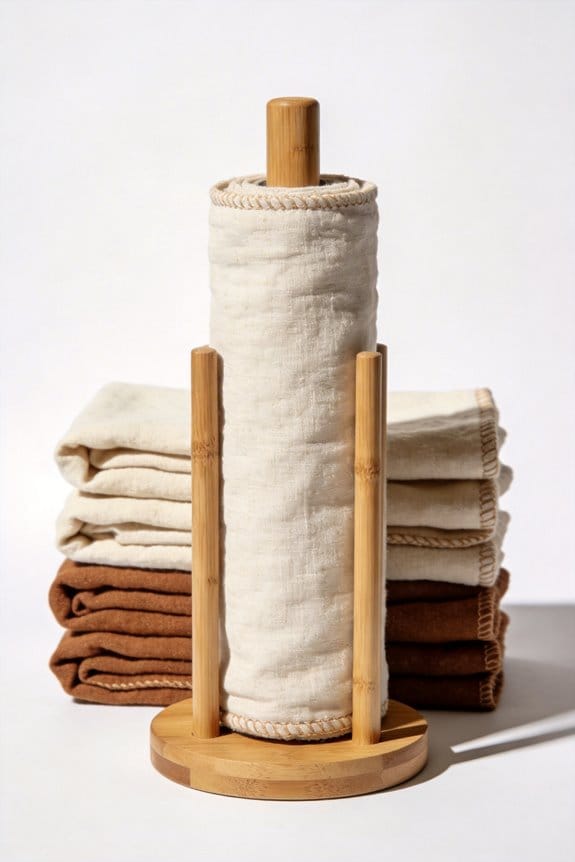

Reducing our paper towel usage can save us money and help the environment. The average household spends $180 to $250 annually on these disposable items. By switching to unpaper towels, we can make a big difference. Using homemade cloths from old fabric or store-bought reusable towels helps reduce waste. Plus, we can organize our towels for easy access and cleaning. If we embrace these changes, we’ll find more ways to tackle daily tasks efficiently.
Key Takeaways
- Create homemade unpaper towels from old towels or fabric scraps to replace disposable options.
- Organize reusable towels into categories for easy retrieval and efficiency during cleaning tasks.
- Designate a basket for used towels to simplify laundry management and maintain cleanliness.
- Encourage family participation by selecting favorite reusable towel designs and discussing the benefits.
- Transition to eco-friendly alternatives, like beeswax wraps, to further reduce paper towel dependency.
Understanding the Environmental Impact of Paper Towels
Ever wonder where all those paper towels come from? It might seem like a small habit, but the truth is, using paper towels has a bigger environmental toll than you think. For every ton of paper towels produced, around 17 trees are cut down. That’s a lot of trees! This contributes to deforestation, which drastically affects wildlife habitats and reduces biodiversity. And let’s not forget the water and energy needed for manufacturing. It really adds up—and not in a good way.
So, why does this matter? Most paper towels are bleached with chemicals that can pollute our environment. Once they’re tossed in the trash, they can’t be recycled. As they decompose in landfills, they release methane, a greenhouse gas that’s harmful to our planet. Honestly, that doesn’t sound like a great way to take care of the Earth, right?
Now, consider the money you spend on these disposable items. American households spend between $180 and $250 per year on paper towels alone. Just think about what you could do with that cash! Here’s the trick: switch to reusable cloths. You’ll not only save money, but you’ll also cut down on waste. Plus, it’s an easy way to be more eco-friendly.
The best part is that reusables can be just as convenient! Just toss them in the wash, and you’re good to go. You’ll feel good knowing you’re making a difference while saving a few bucks along the way. Switching to unpaper towels can save up to 3,000 traditional paper towels per year, making a huge impact on both your wallet and the planet.
Why We Rely on Paper Towels: Convenience and Habit

Ever find yourself reaching for a paper towel without a second thought? It’s something many of us do. They’re super convenient for those kitchen spills, but have you ever considered how much you actually spend on them? For a typical household, that could be anywhere from $180 to $250 each year. That’s quite a hit to the wallet for a product we toss out after just one use.
So, why does this matter? The quick grab of a paper towel often makes us forget there are reusable cleaning cloths that can do just as good of a job—if not better. Not only can they save you money over time, but they’re also better for the environment. If you really want to shake things up, try this: store your paper towels out of sight. It might just make you think twice before reaching for them.
The best part is, forming new habits doesn’t need to be hard. Once you start using reusable cloths, you may realize how easy they are to incorporate into your routine. Think about it: you can toss them in the wash instead of the trash. Plus, with so many colorful and fun designs available, they can even add a bit of flair to your cleaning!
If you’re worried about cleanliness, the truth is that most reusable cloths can be thrown in the washing machine with your regular laundry. Just make sure to follow any care instructions. Honestly, making the switch could lead to a cleaner, more sustainable home. Choosing towels made from biodegradable materials also supports eco-friendly practices.
Recommended Products
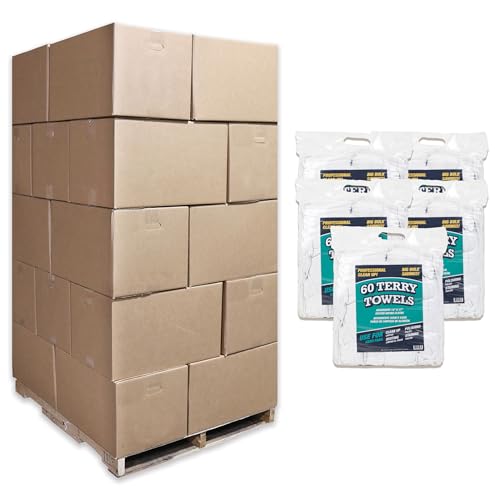
PREMIUM QUALITY TERRY TOWEL CLEAN UP CLOTHS: Our terry cleaning cloth towels are made of 100% cotton and are very absorbent. 60 utility towel measuring 14" x 17" in a poly bag with carrying handle for convenience

BULK PALLET WITH PRACTICAL SIZE & COUNT: These kitchen rags cleaning come in a 600 lb Pallet - 60 x 10 lb Boxes, with approx. 4800 towels, each measuring 14” x 17”. Designed to give homes, restaurants, bars, garages, and cleaning teams a dependable towel supply for regular use.

NATURAL MATERIALS: Woven with 100% Natural Osnaburg Cotton yarns measuring approximately 13 x 13 Inches
How to Transition to Unpaper Towels

Switching from paper towels to unpaper towels can be a small change with big benefits for your home. Have you ever thought about how much money you spend on those rolls? Moving that roll of paper towels out of reach can help you grab for cloth instead.
Here’s a tip: you can easily make your own unpaper towels from old towels or fabric scraps. Just cut them to size and secure the edges with hemming tape. It’s a simple project that can save you money and reduce waste.
Consider designating specific reusable towels for different tasks. For example:
- Use bar mops for the big messes.
- Save Swedish dishcloths for drying dishes.
- Keep unpaper towels handy for everyday cleanups.
Having about 40 of these reusable towels is a good rule of thumb to ensure you’re never left without. So, why does this matter? It helps you cut down on waste and keeps things organized.
Creating a laundry routine for those towels is key too. Regularly washing them will keep everything clean and smelling fresh without adding too much to your laundry loads. Honestly, making this switch could really simplify your cleaning routine.
If you’re ready to give it a shot, why not give it a go? Not only will you find a way to reduce waste, but you’ll also have a more organized and effective cleaning system in your home.
Additionally, choosing reusable products made from organic cotton and sustainable materials further supports environmental goals.
Recommended Products
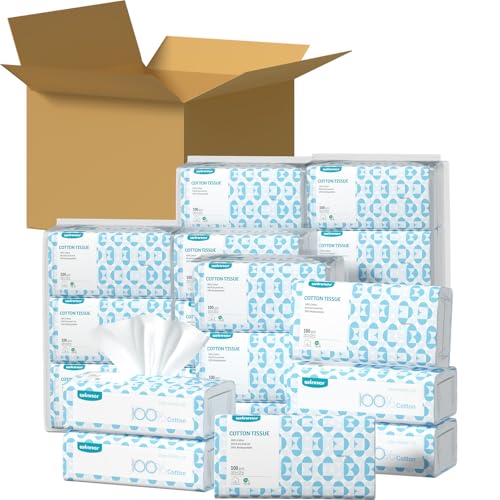
WHAT’S INCLUDED — 1 case containing 6 packs, each with 6 bags of face towels, 100 sheets per bag (36 bags total, 3600 total).

Light as a Feather - Our weave cloth diapers are a parent's dream. They're super soft, absorbent, and dry in a flash! Perfect for busy parents, these baby cloth diapers are all about comfort and convenience. They're so lightweight that your little one can wiggle and giggle without a care. Whether it's a newborn or a toddler, our cloth diapers have got all ages covered!

Wholesale Flour Sack Towels - this set includes a generous 50 pieces, making it a cost-effective choice for your customization projects. Whether you're a craft enthusiast, a small business owner, or an event planner, these towels offer unbeatable value
Simple Hacks to Replace Paper Towels in Daily Tasks
Have you ever thought about how many paper towels we go through in a week? It can be pretty shocking. Thankfully, there are some easy hacks that can help you cut back on those rolls without sacrificing cleanups.
For spills, try using Swedish dishcloths. They’re super absorbent—holding 15 times their weight in liquid! That means one cloth can easily replace multiple paper towels, saving you both money and waste.
When it comes to drying dishes, think about swapping out your paper towels for reusable bar mops or flour sack towels. These options are not only effective but also better for the environment. You’ll find that they dry dishes just as well and are far more sustainable.
Here’s a little tip for your laundry routine: keep a basket for your used reusable towels. It makes it simple to toss them in the wash when you’ve accumulated a decent load. Plus, it keeps everything organized and ready to go for your next cleaning session.
If you’re looking for a fun project, consider making your own unpaper towels from cotton flannel. This is a great way to have a sustainable alternative to disposable towels in your kitchen. You’ll feel good knowing you’re doing your part for the planet while keeping your space clean.
Switching to reusable options like cloth napkins can significantly reduce waste, as the average person can save thousands of disposable paper products annually by making this simple change to reduce paper towel usage.
Recommended Products

SUPER ABSORBENT DESIGN: These Swedish dishcloths absorb up to 20 times their weight to handle spills with ease. Perfect for quickly tackling spills and splashes in your home or commercial kitchen.

SUPERIOR ABSORBENCY FOR EVERYDAY CLEANING – Made from premium cellulose material, these ultra-absorbent sponge cloths can absorb up to 10 times their own weight in liquid, making spills, messes, and kitchen cleanups faster and more efficient.

4 pack Skoy Cloth, 2 pack Skoy Scrub, Red Skoy Towel and Skoy Sink Holder
Easy Ways to Organize Your Reusable Towels
Organizing reusable towels can feel like a daunting task, but believe me, it’s a game worth tackling. Have you ever opened a drawer just to be greeted by a jumbled mess of towels? It’s frustrating! Getting your reusable towels sorted can not only save you time but also keep your kitchen clutter-free.
Start by categorizing your towels. Think about creating sections for your nicer towels, older ones, and even bar mops. This way, you can easily grab what you need depending on the task at hand. It’s so much easier to stay organized when everything has its own spot!
Next, consider designating a specific basket for used towels. This simple step makes laundry day a breeze. Just toss the used ones in there, and you won’t have to search for them when it’s time to do the wash. Trust me, it cuts down on the chaos of laundry piles.
Labeling your old towels can really boost your organization, too. For instance, mark some for cleaning and others for pet care. This makes it clear what each towel is meant for, and you won’t mix them up when you’re in a hurry.
And here’s a neat trick: Use a sponge holder to dry your towels and sponges. It not only helps keep things hygienic but also gives you a spot for everything to stay dry and tidy. Plus, it’s more pleasant to see a clean workspace.
Finally, keep your reusable towels visible and within reach near the sink. This little adjustment encourages you to grab them instead of reaching for paper towels. Think about how much waste you could cut down just by making this simple change.
To maximize their benefit, remember to maintain your towels properly by following proper washing guidelines to ensure they stay absorbent and long-lasting.
Recommended Products

Licuadora Shower Caddy Corner Organizer

INSTANT ORGANIZATION: These woven baskets keep household clutter under control by storing all of your essentials; Sort and organize items and appliances in the kitchen, cleaning products in the laundry room, shower and beauty essentials in the bathroom, work papers in the office, or use as a drop zone for blankets, linens, and more in the bedroom; Perfect as a drop zone to hold small necessities; Generously sized, you will find many uses for these storage baskets

Pack of 1000 clear gift bags for favors, 8 x 4 x 15 inches. Clear gift bags for favors are perfect for showcasing your baked treats. Plastic treat bags are transparent, allowing you to see the condition of your products.
Caring for Your Reusable Towels
Caring for your reusable towels can feel like a bit of a chore, but trust me, it’s worth it for their longevity and freshness. Regular laundry is key to keeping bacteria at bay and ensuring they work like they should. Have you ever noticed a funky smell coming from your dish towels? Rinsing soiled ones promptly with hot water and soap can help eliminate that odor before it gets too bad.
To keep your towels absorbent, skip the fabric softeners. Instead, wash them in hot water and consider an extra rinse cycle to ensure any detergent residue is gone. Here’s a simple tip: keep a small basket under the sink for used towels. It’ll make the whole laundry process a lot easier.
Organization can really save you time. What about trying to categorize and color-code your towels? It’ll make finding the right one a breeze and help with sorting when it’s time to wash them.
Honestly, if you stay on top of caring for your reusable towels, they’ll serve you well for a long time. Using products made from plant-based ingredients can further enhance your eco-friendly routine. So, what small changes can you make today to keep them fresh and clean?
Recommended Products

ULTIMATE VERSATILITY – From cleaning to polishing and woodworking, these tshirt rags tackle it all! Perfect for spills, dusting, staining, and even delicate tasks like maintaining cookware and wood finishes.

ULTIMATE VERSATILITY– From cleaning to polishing and woodworking, these tshirt rags tackle it all! Perfect for spills, dusting, staining, and even delicate tasks like maintaining cookware and wood finishes.

ULTIMATE VERSATILITY– From cleaning to polishing and woodworking, these tshirt rags tackle it all! Perfect for spills, dusting, staining, and even delicate tasks like maintaining cookware and wood finishes.
Embrace Reusable Towels: Tips to Change Your Habits
Switching to reusable towels might just be a smarter choice for your wallet and the planet. Studies show that you can save anywhere from $180 to $250 a year by ditching those paper towels. Instead of reaching for that paper towel holder for every little mess, why not give microfiber cloths or homemade reusable towels a shot?
Here’s the trick: keep disposable towels out of arm’s reach. This simple change can help you rethink your habits. It’s easier to grab a reusable towel when you don’t have a roll of paper towels staring you in the face, right? You might want to stock at least 40 reusable towels that you wash regularly to make sure you’ve always got a clean one on hand.
So, why does this matter? Not only does it cut down on waste, but it also supports your budget in the long run. Joining community discussions or social media groups focused on going green can really motivate you, too. You can share tips, swap stories about challenges, and celebrate those milestones of using reusable towels together.
For added convenience, consider choosing towels made from machine washable materials to make cleaning easy and extend their lifespan.
The best part is, making this simple switch can have a positive impact all around. If we all pitched in, imagine the difference we could make for our planet while saving some cash. Are you ready to give it a go?
Involve Your Household in Sustainable Practices
Have you ever thought about how many paper towels your household goes through in a month? It’s a lot, right? Involving your family in sustainable practices doesn’t have to be complicated; in fact, it can even be fun. When you sit down and talk about the impact of paper towels on the environment, you might be surprised by how much everyone cares once they know the facts.
Try this: everyone can pick out their favorite reusable towels together. It makes the switch feel more like a team effort rather than a chore. You could even set limits, like agreeing to use only three paper towels for cleaning tasks. This little rule encourages everyone to think about alternatives and fosters creativity in finding reusable options.
It’s also super helpful to create designated spaces for those reusable towels so they’re easy to grab during cleaning sessions. Honestly, having them readily available makes a big difference in making the switch. Remember to celebrate your family’s victories, even if they’re small, like using fewer paper towels this week. It’s those little wins that inspire us to keep doing better.
Reusable options such as beeswax wraps show how small, eco-friendly swaps can reduce waste and still keep things convenient and fresh.
Ultimately, making these simple changes opens up the door to a more sustainable home. So, what small changes can your family make this week to protect the planet for future generations?
Frequently Asked Questions
How Many Unpaper Towels Do I Need for My Household?
For our household, we found eight to twelve unpaper towels work perfectly. Depending on our usage scenarios and laundry frequency, we save costs, maximize towel storage, and enjoy eco-friendly benefits with various fabric types.
Can Unpaper Towels Be Used for Cleaning and Cooking?
Yes, unpaper towels are great for cleaning surfaces and food preparation. They’re an eco-friendly alternative, offering versatile uses, compact storage, and reusable options. Plus, they help us achieve cost savings while reducing waste.
Do Unpaper Towels Require Special Washing Instructions?
Unpaper towels don’t need special washing instructions, but we recommend using eco-friendly detergents. For stain removal and fabric care, machine wash them, and follow our laundry tips for best results. Let’s guarantee they last!
Are Unpaper Towels as Absorbent as Paper Towels?
Unpaper towels are often comparable in absorbency to paper towels, depending on the materials used. We’ve found eco-friendly options offer cost savings, and user experiences highlight their product longevity and reduced environmental impact over time.
Where Can I Purchase Unpaper Towels?
We can buy unpaper towels at local stores or online retailers. While pricing comparisons may vary, we’ll find eco-friendly options and reusable materials available in bulk or even in custom designs that suit our needs.