

To plan a low-waste event or dinner party, we should prioritize using real dishware instead of disposables. This can save money and reduce trash. Let’s create a menu featuring plant-based meals to cut down on meat, while using local ingredients. We can organize waste management with three bins for compost, recycling, and trash, clearly labeled for guests. Ultimately, we’ll encourage food donations for any leftovers. There’s a lot more to reflect on to make our event sustainable!
Key Takeaways
- Opt for real dishware, glasses, and utensils to minimize single-use waste and enhance the event’s atmosphere.
- Plan a menu with local, seasonal, and plant-based ingredients to reduce environmental impact and food waste.
- Implement a clear waste management system with designated bins for compost, recycling, and trash to simplify sorting for guests.
- Provide digital invitations and encourage guests to carpool or use public transport to decrease paper waste and carbon footprint.
- Arrange for any leftover food to be donated to local charities to minimize waste and support the community.
Why You Should Host Zero Waste Events: Impact and Advantages
Have you ever looked around at an event and felt overwhelmed by the amount of trash piling up? It’s a common sight at parties and gatherings, but hosting zero waste events can really turn the tide. These events aren’t just about cutting down on trash; they can make a significant impact in our communities. By aiming to divert over 90% of waste through recycling, composting, and donating leftovers, you’re not only helping the planet but also inspiring others to think differently about waste.
Here’s the trick: Start by implementing simple waste management practices. Using reusable plates and cups? It’s easier than you think! Instead of disposable items, think of all the ways you can minimize food waste and encourage guests to take home leftovers. All of this can save you money on supplies and disposal, which is always a win-win.
So, why does this matter? When you involve your guests in sustainability initiatives, you’re helping to create a culture that values our environment. Each zero waste gathering you host shows that you care about the planet, which can really enhance your reputation. Plus, this aligns perfectly with your social responsibility goals.
Consider incorporating reusable grocery bags to reduce plastic use and add convenience to your event planning.
The best part is, when you take these steps, you’re not just making an impact at your event. You’re setting an example that can inspire others to follow suit. The more people who adopt these practices, the more we can pave the way for a greener future together.
In short, hosting zero waste events is a fabulous way to make a difference. So, what’s stopping you from starting your own sustainable gathering?
Recommended Products
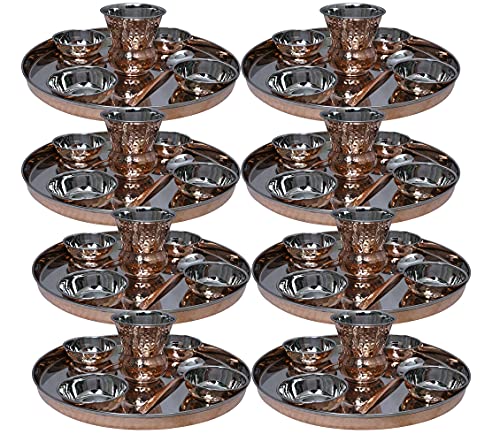
8 Thali ,16 Spoon, Tumbler, 32 Serving Bowls Made in Stainless Steel & Copper

The perfect alternative to china, melamine is break-resistant, highly durable, and dishwasher-safe

BEAUTIFUL DESIGN - 100 Pieces of our Beautiful Round bamboo Vertical coaster/glass toppers that will help keep both your countertop and wine protected!
Tips for Using Real Dishware in Your Zero Waste Event

Hosting a zero waste event brings up a good question: how can we enjoy a gathering without trashing the planet? One simple solution is using real dishware instead of those pesky single-use items. Not only does swapping to reusable plates and cutlery cut down on waste, but it also adds a touch of charm to your event. Just think about how long plastic takes to decompose—hundreds of years! So, choosing real dishware is a win-win.
Want to make your gathering even more fun? Try encouraging your guests to bring their own plates. It creates a unique vibe and can even turn into a lively “washing party” afterwards. Imagine everyone chipping in to clean up—it’s a great way to bond, and it’ll definitely be a memorable experience!
Planning ahead is key. Mix and match different dishware to create an inviting table setting. Using various colors and styles not only keeps things interesting but also reflects each guest’s personality. And don’t forget to share the environmental benefits of your choices. Educating everyone about why real dishware matters can inspire them to think more about sustainability in their own lives.
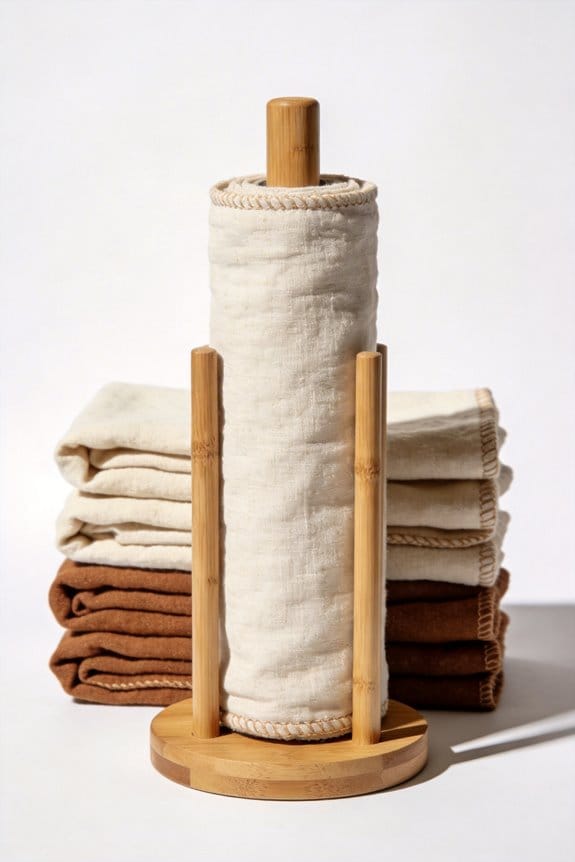
Honestly, using reusable dishware feels good on many levels. It’s practical, it helps the planet, and it fosters a sense of community. So next time you’re hosting, why not give it a go? What unique touches can you add to make your zero waste event unforgettable? Incorporating reusable paper towels made of eco-friendly materials can further reduce waste and enhance your event’s sustainability.
Recommended Products
![Raj Palm Leaf Plates [50-Pack] 8" Square Plates(40 Cases - 2000 PACK) like Bamboo plates Disposable, Strong, Decorative Compostable Tableware for weddings, Lunch, Dinner, Birthday,Outdoor](https://m.media-amazon.com/images/I/51vuSk0rVGL._SL500_.jpg)
𝐕𝐀𝐋𝐔𝐄 𝐏𝐀𝐂𝐊 𝐃𝐈𝐍𝐍𝐄𝐑𝐖𝐀𝐑𝐄 - It includes 40 Cases of 50-count of 8-inch square plates. Make this your one-stop shop for all your dinnerware. They are available in multiple sizes and shapes for you to choose from on your special occasion. Being portable, they are best used for Birthday parties, weddings, picnics, camping, and outdoors too.
![Raj Palm Leaf Plates Bulk [50-Pack] 10" & 7" Square Plates (40 CASES - 2000 PACK) like Bamboo plates Disposable, Strong, Decorative Compostable Tableware for weddings, Lunch, Dinners](https://m.media-amazon.com/images/I/5176IyCMi2L._SL500_.jpg)
𝐕𝐀𝐋𝐔𝐄 𝐏𝐀𝐂𝐊 𝐃𝐈𝐍𝐍𝐄𝐑𝐖𝐀𝐑𝐄 - It includes 40 Cases of 50-count of 10-inch and 7-inch square plates. Make this your one-stop shop for all your dinnerware. They are available in multiple sizes and shapes for you to choose from on your special occasion. Being portable, they are best used for Birthday parties, weddings, picnics, camping, and outdoors too.
![Raj Palm Leaf Plates Bulk [50-Pack] 6" Square Plates(40 CASES - 2000 PACK) like Bamboo plates Disposable, Strong, Decorative Compostable Tableware for weddings, Lunch, Dinner, Birthday,Outdoor](https://m.media-amazon.com/images/I/51hCHbU0FzL._SL500_.jpg)
𝐕𝐀𝐋𝐔𝐄 𝐏𝐀𝐂𝐊 𝐃𝐈𝐍𝐍𝐄𝐑𝐖𝐀𝐑𝐄 - It includes 40 Cases of 50-count of 6-inch square plates. Make this your one-stop shop for all your dinnerware. They are available in multiple sizes and shapes for you to choose from on your special occasion. Being portable, they are best used for Birthday parties, weddings, picnics, camping, and outdoors too.
Fostering Plant-Based Meals: Reducing Meat Consumption

Are you looking to make your events more eco-friendly? Incorporating plant-based meals can really help. Think about it: by focusing on ingredients like beans, lentils, and chickpeas, you can cut down on meat consumption and lessen your environmental impact. The trick is using smaller amounts of pasture-raised meat for flavor, which still allows you to put together filling meals that showcase plant-based goodies.
Studies have shown that choosing meat-free options can significantly lower your carbon footprint and reduce greenhouse gas emissions. So why does this matter? Well, not only do these delicious choices support the planet, but they also benefit your health by packing in essential nutrients.
Try this: next time you’re planning a meal, explore diverse and flavorful plant-based recipes. You might just stumble upon new tastes that surprise you. It’s all about being creative while still enjoying satisfying meals.
The best part is you don’t have to go completely meatless to make a difference. Just a little adjustment in your food choices can have a big impact. Let’s think about how we can eat in a way that shows care for our planet. What’s your favorite plant-based recipe to share? Incorporating sustainably sourced materials, like bamboo used in eco-friendly products, is another impactful step toward lowering your event’s environmental footprint.
Recommended Products

Undercounter Gourmet Cube Ice Maker with Bin (UCG060A), High Ice Production: Produces approximately 63 lbs (31 kg) of gourmet cube-style ice per 24 hours, ensuring a steady supply for your needs.

Full Size – Holds 8-quart full size steam table pan

High-Quality Construction for Lasting Durability: Each utility cart in this 2-pack is designed with rounded corners and built from high-density polyethylene (HDPE) for exceptional durability. Featuring two spacious shelves with 2.5” deep tubs for secure storage, these black carts offer 19.5” clearance between shelves to accommodate larger items with ease, making them perfect for versatile, heavy-duty use.
Creative Menu Planning: Use What You Have
Have you ever stared at your pantry or fridge and thought about all the food that’s just sitting there? It’s pretty common—leftover veggies, stale bread, and forgotten ingredients can pile up. But the good news is there are plenty of ways to turn these items into a memorable meal for your next gathering.
Start by thinking about what you already have. You’d be surprised at how tasty meals can emerge from pantry staples and leftovers. Take a good look at those stale loaves of bread, the slightly wilty veggies, or even that base of rice and beans you’ve got hanging around. Try this: check out some recipes from Tamar Adler’s “The Everlasting Meal Cookbook.” It’s packed with ideas on how to breathe new life into old ingredients.
It’s also helpful to plan your batch sizes based on how many guests you’re expecting. This way, you won’t end up with a mountain of leftovers that no one wants to tackle later. If you’re feeling adventurous, consider organizing a potluck. It’s a great way to combine everyone’s leftover dishes and create a diverse spread—plus, it’s always fun to see what your friends bring! So, put in a little effort to maximize what’s already in your kitchen and keep waste to a minimum.
Using compostable cups made from biodegradable materials can further reduce waste at your event.
Frankly, it’s quite rewarding to see how creative you can get with what you already have. With a little imagination, that forgotten food can turn into a delightful meal everyone will enjoy. Let’s make cooking fun and resourceful! What’s the most creative dish you’ve made from leftovers?
Recommended Products
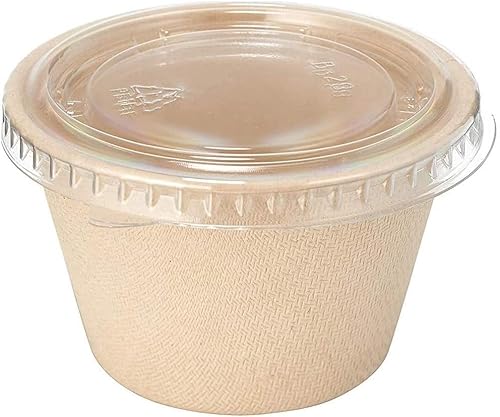
ECO-FRIENDLY AND COMPOSTABLE MATERIAL: Made from renewable sugarcane bagasse fiber, these 4 oz portion cups offer a compostable and biodegradable alternative to traditional plastic sauce containers, helping restaurants, food trucks, and catering services reduce plastic waste while maintaining dependable performance.

FULLY COMPOSTABLE CUP AND FIBER LID: Made from renewable sugarcane bagasse fiber, both the cup and lid are compostable, offering an eco-friendly alternative to plastic portion containers for environmentally responsible food service operations.

DURABLE PARTY CUPS: Introducing TOSSWARE’s Natural Line. Made from a plant-based material, these cold cups hold their shape & will not disintegrate upon contact with liquids. Partying sustainably just got a whole lot easier
How to Organize Waste Management for a Low-Waste Event
How do you make an event low-waste? It starts with having a plan for waste management. Setting up a three-stream system with bins for compost, recycling, and trash is a solid move. You want your guests to easily sort their waste, so make sure those bins are clearly marked. Providing good signs that explain what goes where can really make a difference.
Don’t forget about monitoring those stations! Keeping an eye on them can help guide your guests and reduce any mix-ups. Planning ahead is key here, too. Before the event, reach out to your vendors and check that all the food and supplies they’re bringing are compostable or recyclable.
Also, think about the food. There’s nothing worse than tossing perfectly good meals in the trash. Coordinate with local food banks for any excess food donations. Not only does this help with waste, but it also makes a positive impact on your community.
Using compostable dinnerware made from renewable materials like sugarcane fibers can further reduce the environmental impact of your event.
In short, with a little planning and some supportive strategies, you can create a zero-waste event that feels good for everyone. So, how will you make your event more sustainable?
Recommended Products
![Raj Palm Leaf Plates Bulk [50-Pack] 10" Square Plates (40 CASES - 2000 PACK) like Bamboo plates Disposable, Strong, Decorative Compostable Tableware for weddings, Lunch, Dinner, Birthday](https://m.media-amazon.com/images/I/51pkYIbkFRL._SL500_.jpg)
𝐕𝐀𝐋𝐔𝐄 𝐏𝐀𝐂𝐊 𝐃𝐈𝐍𝐍𝐄𝐑𝐖𝐀𝐑𝐄 - It includes 40 Cases of 50-count 10-inch square plates. Make this your one-stop shop for all your dinnerware. They are available in multiple sizes and shapes for you to choose from on your special occasion. Being portable, they are best used for Birthday parties, weddings, picnics, camping, and outdoors too.

𝐕𝐀𝐋𝐔𝐄 𝐏𝐀𝐂𝐊 𝐃𝐈𝐍𝐍𝐄𝐑𝐖𝐀𝐑𝐄 - It includes 2000 Square Plates of 6 inch. Make this your one-stop shop for all your dinnerware. They are available in multiply sizes and shapes for you to choose from on your special occasion. Being portable, they are best used for Birthday parties, weddings, picnic, camping and outdoors too.
![Raj Palm Leaf Plates Bulk [50-Pack] 7" Square Plates(10 CASES - 500 PACK) like Bamboo plates Disposable, Strong, Decorative Compostable Tableware for weddings, Lunch, Dinner, Birthday, Camping](https://m.media-amazon.com/images/I/517mlWk6WxL._SL500_.jpg)
𝐕𝐀𝐋𝐔𝐄 𝐏𝐀𝐂𝐊 𝐃𝐈𝐍𝐍𝐄𝐑𝐖𝐀𝐑𝐄 - It includes 10 Cases of 50-count of 7-inch square plates. Make this your one-stop shop for all your dinnerware. They are available in multiple sizes and shapes for you to choose from on your special occasion. Being portable, they are best used for Birthday parties, weddings, picnics, camping, and outdoors too.
Frequently Asked Questions
How Can I Encourage Guests to Support the Low-Waste Initiative?
We can encourage guest engagement by highlighting sustainable gifts, sourcing food locally, promoting eco-friendly transport options, and sharing recycling practices. Together, let’s create a memorable experience that’s not just enjoyable, but environmentally responsible, too.
What Are Some Sustainable Decoration Ideas for My Event?
We’ve all seen a wilted bouquet, right? Let’s choose reusable centerpieces, natural elements, and DIY decorations from upcycled materials. Plant-based decor brings life to our events while keeping waste at bay—every detail counts!
How Do I Handle Food Allergies in a Low-Waste Menu?
We should prioritize guest communication strategies, ensuring we are aware of food allergy alternatives. Reviewing ingredient labels and practicing safe serving practices will help prevent cross-contamination. Let’s create a delicious and safe menu everyone can enjoy!
Can I Use Disposable Items if They Are Compostable?
Yes, we can use compostable materials as disposable alternatives, like biodegradable plates. However, we must inform our guests about responsible disposal to minimize environmental impact and guarantee proper composting for a sustainable outcome.
What Should I Do With Leftover Food After the Event?
We can donate leftover food to local shelters, compost scraps, or share with neighbors. Let’s explore recipe repurposing ideas or find smart storage solutions to preserve what’s left, ensuring nothing goes to waste!