

When we’re descaling glass water bottles, both vinegar and baking soda have their strengths. Vinegar, with its acetic acid, tackles tough mineral deposits effectively. We should mix equal parts of vinegar and water, let it sit for hours, then scrub the bottle. Baking soda is great for odors and light stains; a couple of teaspoons in warm water can work wonders. By using both methods together, we can achieve even better results, so let’s explore more ways to keep our bottles fresh!
Key Takeaways
- Vinegar is highly effective for descaling hard water stains and mineral deposits due to its acetic acid content.
- Baking soda works well for everyday grime and eliminates odors without strong smells.
- For heavy limescale, soaking with vinegar provides significant cleaning improvement.
- Baking soda serves as a gentle scrubbing agent for stubborn residues in a lighter cleaning routine.
- Using a combination of both vinegar and baking soda can yield optimal deep cleaning results.
Why Vinegar Is a Powerful Cleaner for Water Bottles
Have you ever thought about how clean your water bottle really is? It’s easy to forget how much use these bottles get, and they can harbor some nasty stuff if you’re not taking care of them. One of the best ways to keep them sparkling clean is with vinegar—yes, that kitchen staple!
Vinegar contains acetic acid, which is fantastic at breaking down all those mineral deposits and hard water stains. Plus, it tackles bacteria that love to set up camp in reusable bottles. If you’re looking for a non-toxic cleaner, vinegar is the way to go.
Here’s a simple solution: mix equal parts of white vinegar and water in your bottle. Let it sit for several hours, or even overnight if you really want to deep clean it. The longer it soaks, the better! Regularly doing this not only keeps your glass bottles looking clear but also helps them stay fresh over time.
Here’s the best part—vinegar doesn’t just clean; it deodorizes and disinfects your bottle, giving you a healthier drinking experience. Honestly, incorporating vinegar into your cleaning routine is a no-brainer. Using biodegradable cleaning tools alongside vinegar supports an eco-friendly cleaning routine that reduces plastic waste.
How to Clean With Vinegar

Cleaning your glass water bottle with vinegar can be a breeze, and trust me, it works wonders! If you’ve ever noticed those pesky mineral deposits or lingering odors in your bottle, you’re not alone. So, here’s a simple way to tackle it: Start by mixing equal parts of white vinegar and water, then fill up your bottle with this solution.
Let that mixture sit for about an hour. This step is key—it really helps to dissolve any grime. After it soaks, grab a bottle brush and give it a good scrubbing, paying extra attention to those stubborn spots. You’ll be amazed at how easily they come off!
Once you feel confident you’ve cleaned it well, it’s time to rinse. Make sure to give your bottle a thorough wash with clean water. This way, there won’t be any vinegar taste or smell left behind.
Honestly, with this straightforward method, your bottle will be fresh and ready to go in no time! So, next time you’re about to sip water from that beloved bottle, just remember: a little vinegar can go a long way in keeping it clean. What cleaning hacks do you swear by? Using biodegradable formulations in cleaning helps reduce environmental impact and is gentle on surfaces.
Recommended Products

Mojave holds an old-world look, featureing geometric patterns, neutral tones, and wool texture adding warmth and elegance to entryways, bedrooms, and living spaces.

SINK DIMENSIONS: 32" L X 21" W X 9.5" D and designed to fit 36" minimum cabinet base

[Sink with High Temperature Fired Ceramic] - This sink features a AAA grade ceramic surface that's been fired at an intense 2336℉. The result is a smooth, stain-resistant finish that's also scratch-resistant, making it a breeze to clean and maintain.
Using Baking Soda to Eliminate Odors and Buildup

Are your glass water bottles starting to smell a little funky? We’ve all been there, trying to keep our reusable bottles fresh and free of lingering odors. The good news? Baking soda is an incredible solution to this common problem.
To tackle any buildup, try this: fill your bottle with warm water and mix in two heaping teaspoons of baking soda. Let it sit for about 30 minutes. This simple step does wonders. As you swirl the mixture around, the baking soda helps break down any stubborn residues, making it so much easier to scrub with a bottle brush. The kind of grime that builds up can be pesky, but this method really works.
Truth is, the alkaline properties of baking soda aren’t just for deodorizing. They also combat hard water stains and pesky mineral deposits, bringing back that crystal-clear look to your glass bottles.
And here’s the best part: baking soda doesn’t have a strong smell like vinegar does. You can clean without fumigating your kitchen! Plus, you won’t have to deal with any annoying foaming or bubbling that can happen with other solutions.
For eco-conscious users, baking soda is also a biodegradable cleaning agent that supports gentle but effective cleaning without harming the environment.
Recommended Products

Membrane-Grade Purity: Alliance Chemical offers membrane-grade Sodium Hydroxide 50%, ensuring the highest purity for critical applications, including precision cleaning and sensitive manufacturing processes where impurities cannot be tolerated.

THE DEVI CHAI TEA CONCENTRATE - A fired up version of our Original formula, with intensified masala spices and subdued sweet notes that takes our unique blend of spices to a new, heightened level, the perfect concentrate for anyone seeking an authentic taste of the east

Premium Design: High-quality captain bucket seat featuring a flip-up bolster design for enhanced comfort and versatility during long hours on the water
How to Clean With Baking Soda
Have you ever looked at your glass water bottle and wondered how to get it sparkling clean? You’re definitely not alone! Here’s a simple trick that not only refreshes your bottle, but it also tackles those sticky labels.
Start by filling your sink with warm water, then toss in a few tablespoons of baking soda. Don’t skip the next step: turn your bottle upside down and let it soak for about half an hour. This little soak weakens the adhesive on those pesky labels so they come off with minimal effort. After the soak, grab some baking soda and do a gentle scrub on the inside. It’s a great way to tackle any stubborn stains that just won’t budge.
Once you’ve given it a good clean, rinse the bottle thoroughly to wash away any baking soda residue. You want it to feel fresh and ready to use! For ongoing odor control, just shake some baking soda mixed with warm water inside, let it sit a bit, and then rinse again.
Using containers made from waterproof materials can also help maintain cleanliness by preventing leaks when storing cleaned bottles.
Now your bottle’s not just clean; it’s also free from odors! Why not give it a try next time you’re in the mood for a little cleaning magic? After all, it’s great to have something that’s both eco-friendly and effective. Have you tried using baking soda for anything else?
Recommended Products

✅【Holiday DTF Printer Protection Mode】:Lancelot M1630 Pro DTF Printers Are Equipped With A State-Of-The-Art Holiday Printer Protection Mode—so you never have to worry about clogged printheads or ink tubes when you’re on holiday, business trips, or away from the machine for a long time. It keeps your printer in reliable condition, ensuring it’s ready to deliver great prints the moment you’re back. No more frustrating startup issues—just smooth operation whenever you need it

Make fresh sparkling water at the push of a button with three preset carbonation levels.
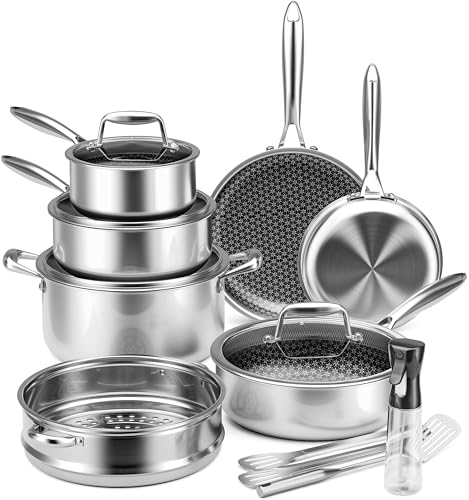
Cookware Set Includes: 8" and 10" Stainless Steel Pans, 10" Sauté pan with lid, 7.8QT Dutch oven with lid, 1.8QT and 3QT Saucepan with lid, a Steamer Basket, a Spray Bottle and 2 PCS stainless steel utensils set
Vinegar vs. Baking Soda: Which Is Better?
When it comes to keeping those glass water bottles clean, you might be wondering: which method really works best—vinegar or baking soda? If you’re dealing with tough limescale and mineral deposits, vinegar deserves a spotlight. Its acetic acid really tackles those buildups like a champ. Soaking your bottle in vinegar for several hours or even overnight can make a big difference.
Now, baking soda has its strengths too. It’s great for neutralizing odors and scrubbing away everyday grime, but don’t expect it to do much about descaling. If you want to keep your bottles looking fresh with regular maintenance, a mix of baking soda and warm water makes an excellent scrubbing paste.
Here’s the trick: for heavy scaling, vinegar is your go-to. But when it comes to lighter upkeep, baking soda wins hands down. So, what will you try next in your bottle-cleaning routine? For a more eco-conscious approach, consider using plant-based ingredients when preparing your cleaning solutions to ensure safety and sustainability.
Recommended Products

【High Quality Material】Natural linen is used as the main material, which has good air permeability and abrasion resistance,promoting optimal temperature regulation for a night's sleep and restful experience plus, unlike other fabrics, linen withstands everyday use without showing wear and tear. Which giving the sofa a natural and simple appearance while ensuring its durability.

✅Patented ADI with Dual Functionality – Infusion & Distillation, ETL Certified: With our patented technology, effortlessly switch between crafting herb infused oils, producing fresh essential oils,distilled water and hydrosols at the touch of a button. Achieve full-spectrum herbal extraction in one machine, saving space, time, and money! Say goodbye to overcooking and tedious monitoring. Whether you're a beginner or a professional, a soap maker, herbalist, or herb farmer, ADI will help you achieve your herbal extraction goals.

Premium Quality with Complete Set: Experience the perfect blend of functionality and style with our 2.65 Gallons copper pot. Crafted from 100% pure copper, this elegant pot comes with a matching lid, brass stand, and a convenient tap for easy water dispensing.
Tips for Maintaining Your Clean Water Bottle
To keep your glass water bottles looking and working their best, you’ll want a solid maintenance routine. Regular cleaning makes a huge difference. Aim to wash your bottle with warm, soapy water, and don’t forget to grab a bottle brush to scrub all the corners—yes, including the cap! After you give it a good wash, rinse it thoroughly so there’s no lingering soap taste.
For those pesky stains that just won’t budge, try soaking your bottle overnight in a mixture of one cup of vinegar and two tablespoons of baking soda. It’s pretty effective! Once everything’s cleaned up, make sure to let your bottle air dry completely; this helps keep odors and bacteria at bay.
Now, here’s the trick: regularly inspect your bottles for any cracks or chips. If you spot anything off, it’s best to replace the bottle. After all, you want to make sure you’re enjoying fresh, clean water every time you take a sip.
Additionally, using utensils and tools made from eco-friendly bamboo helps reduce plastic waste in your kitchen maintenance routine.
Recommended Products

PROFESSIONAL 61" LED DOG WASH STATION: Features the latest innovative design for professional pet bathing. The POLIMO Professional Dog Washing Station is ideal for large dogs, offering comprehensive functions, durability, and reliable after-sales service. Includes LED lighting, visual window, adjustable height system, storage drawer, multi-position faucet, and dual drainage options for complete grooming convenience

Accessories Kit: Tamron 150-500mm f/5-6.7 Di III VXD Lens for Sony Ewith In Box Accessories as well as extra accessories such as Hurricane Blower, Pixel Cleaning Kit, Hand/wrist strap, 64GB SD Card and Camera Backpack

67mm front filter size, the same as most other Tamron mirrorless lenses, provides greater convenience when using multiple lenses together
Frequently Asked Questions
Is Vinegar or Baking Soda Better for Cleaning Water Bottles?
When it comes to cleaning water bottles, we’ve found vinegar’s properties excel in tackling tough mineral buildup, while baking soda’s effectiveness shines as a gentle scrubber. Together, they’re our go-to cleaning techniques for hygiene!
What Is the Best Thing to Clean Glass Bottles With?
The best cleaning methods for glass bottles are vinegar and baking soda, both eco-friendly options. They’re effective and safe for our health, ensuring we enjoy clean water without harmful residues or lingering odors.
Will Baking Soda and Vinegar Dissolve Limescale?
Yes, baking soda and vinegar are great for limescale removal! Using these natural cleaners gives us eco-friendly solutions that effectively tackle mineral buildup, leaving our glass bottles clean and fresh without harsh chemicals.
Can I Use Baking Soda and Vinegar to Clean Glass?
Sure, we can use baking soda and vinegar for cleaning glass! For instance, after a picnic, we’d scrub our glass bottles with baking soda, then rinse with vinegar—it’s an eco-friendly method that guarantees proper maintenance without harmful chemicals.