

To properly wash and sanitize reusable grocery bags, we should first empty them completely. Cotton bags can go in the washing machine on a gentle cycle with cold water. For polypropylene bags, we just need to wipe them down with a damp cloth. Insulated bags require a gentle hand wash. After cleaning, it’s essential to air dry them fully to prevent odors and mold. If we take care of our bags, we’ll learn more about maintaining their freshness and longevity.
Key Takeaways
- Wash cotton bags in a washing machine on a gentle cycle with cold water after each use, especially after carrying raw meats or seafood.
- Wipe down polypropylene bags with a damp cloth and universal cleaner to sanitize effectively, ensuring no residue remains.
- Hand wash insulated bags using mild soap, avoiding the washing machine to preserve their structure and functionality.
- Air dry all bags completely before storage in a cool, dry place to prevent odors and mold growth.
- Regularly inspect bags for damage or odors; replace worn-out bags to ensure grocery safety and maintain hygiene.
Understanding the Importance of Washing Your Reusable Grocery Bags
When was the last time you thought about cleaning your reusable grocery bags? It might not be at the top of your to-do list, but keeping these bags clean is really important. Germs and mold can take up residence in your bags, and that’s definitely something you want to avoid. They can cause food cross-contamination and put you and your family at risk.
Try this: make it a habit to wash your bags after each trip to the store. This simple step can help maintain a healthy environment for your groceries. Different materials need different care, so here’s a quick breakdown:
- Cotton bags: Most are machine washable. Just toss them in with your regular laundry.
- Polypropylene bags: These often can be wiped down with a damp cloth.
- Insulated bags: These might require a gentle hand wash to keep them in good shape.
So, why does this matter? With reusable bags becoming so popular, we should really be aware of how to take care of them. Keeping your bags clean not only helps protect your health but also extends their lifespan. That’s a win-win for you and your wallet!
Truth is, a little cleaning goes a long way. It doesn’t take much time, and the peace of mind is worth it. How often do you clean your grocery bags?
Additionally, using bags made from durable materials like canvas or ripstop nylon can make them easier to maintain and clean regularly.
Understanding Different Bag Materials and Their Care

Reusable grocery bags come in all sorts of materials, and knowing how to take care of them is really essential. Have you ever wondered why some of your bags look worn out after just a few uses? Keeping them in good shape can save you money and reduce waste.
For those woven or nonwoven polypropylene bags, machine washing them on a gentle cycle with cold water and a bit of soap usually does the trick. Just make sure to line dry them to keep their shape intact. On the other hand, nylon or polyester bags require a little more care. The best approach is to hand wash them with warm water and soap, remembering to turn them inside out first. You want to clean every bit of dirt, right?
Now, if you’re using bamboo or hemp bags, you’ve got options. You can machine wash or hand wash them, whichever you prefer. Cotton bags, too, can get a solid clean. Start with a cold machine wash to make sure they don’t shrink or fade.
Insulated bags, however, are a different beast. You shouldn’t toss them in the washing machine; they need a gentle hand wash or just a good wipe down. Truth is, getting into the habit of following these care tips can extend the life of your bags significantly. Choosing materials with durability and longevity can also help extend the useful life of your reusable bags.
So, why does this matter? Well, keeping your reusable bags clean not only maintains their appearance but also helps avoid cross-contamination when you’re out shopping. It’s a small effort that makes a big difference in keeping things safe and fresh.
Recommended Products

HIGHLY FLEXIABLE AND DURABLE TO USE: Each weighted vest is either 18lbs , 28lbs , 35lbs, 45lbs, 65lbs, 80lbs or 100lbs with removable weights to scale to your training levels and goals. Specifically engineered for performance and comfort during any workout. Our compact design allows extreme weight with less bulkiness ensuring no restrictions in your range of motion
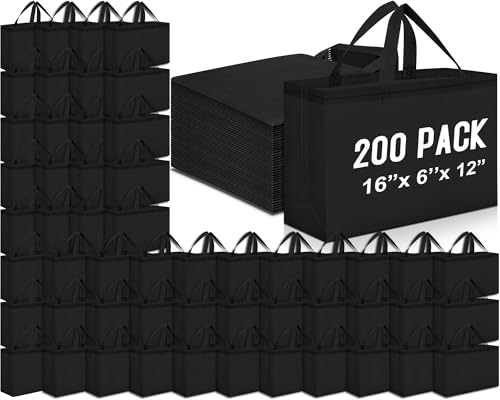
Multi Purpose Usage: these shopping bags are capable of holding a variety of products from food to clothes to books; They are ideal for shopping, but their potential uses extend to storage for travel, camping, events, home, retail, business, catering, and warehouse use, and more; Experience the convenience of these all around bags

Multi Purpose Usage: these reusable shopping bags are multi purpose, capable of holding a variety of products from food to clothes to books; They are ideal for shopping, but their potential uses extend to storage for travel, camping, events, and more; Experience the convenience of these all around bags
How to Wash Your Fabric Bags: A Step-by-Step Guide
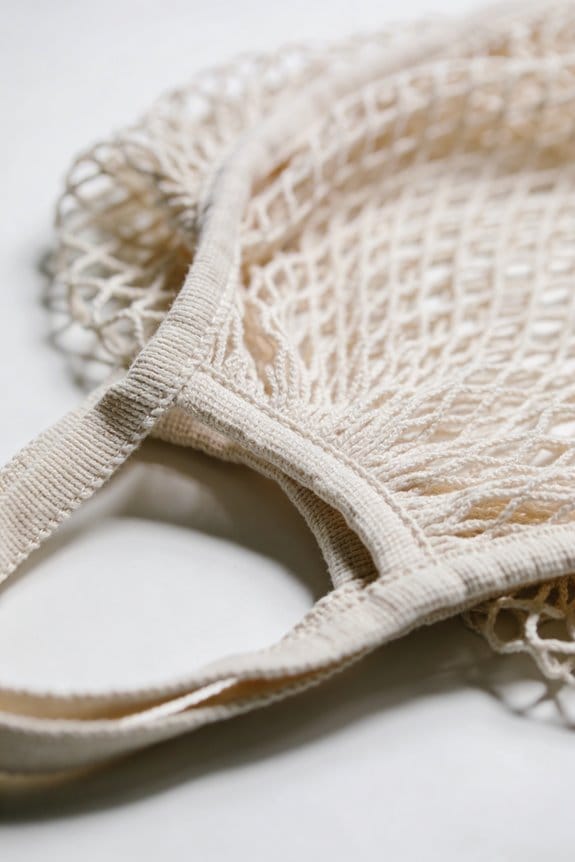
Have you ever reached into your fabric bag and found some mystery crumbs or a faint smell that just won’t quit? It’s time to give those bags a good wash! First off, be sure to completely empty your bag. You don’t want any leftover food scraps hiding in there, trust me.
Next up, check the care label that’s usually stitched inside the bag. For most cotton bags, a machine wash on a gentle cycle does the trick. Just remember: cold water and a mild detergent are your best friends here! If your bags are made from bamboo or hemp, the same gentle approach applies. Hand washing can be a good option as well, just make sure you let them line dry afterward.
Now, why does this matter? Regularly cleaning your fabric bags is crucial for preventing germs and mold from taking up residence. You definitely want to avoid that! Plus, keeping those reusable bags fresh can save you from some awkward moments at the checkout. Also, using eco-friendly materials like bamboo in your bags helps maintain sustainability while ensuring durability.
Recommended Products
Oversized Towel for Comfort: These large, absorbent towels are 30" x 60" for a generous size, perfect for wrapping yourself in after a day at the pool or beach

【100% Pure Mulberry Silk】THXSILK 22 Momme 100% mulberry silk sheet set is constructed with natural protein fibers. Ideal for your skin. Through OEKO Tex certification, ensure that fabrics are made from healthy and natural materials.

100% PURE MULBERRY SILK: Mulberry silk is a natural protein fiber with 18 types of amino acids, which fits the human skin. Mulberry silk has excellent breathability and temperature regulation functions, making it warm in winter and cool in summer, suitable for those who sleep hot and cold. Low friction can effectively protect hair and skin from damage.
How to Clean Laminated or Plastic-Coated Bags
Ever thought about how often you’re really cleaning your laminated or plastic-coated bags? It’s a little detail that can make a big difference in keeping things hygienic. Start by grabbing a universal cleaner and an atomiser spray bottle. Spray the cleaner directly on the surfaces of your bags to give them a good sanitizing boost.
After that, take a universal cloth and wipe them down thoroughly. If you come across any stubborn marks, attack them with the scrubby corner of your cloth—trust me, it works like a charm. It’s a good idea to make cleaning these bags a weekly ritual; it helps prevent any unwanted cross-contamination of food items.
Why does this matter? Well, some cleaners can be pretty harsh, and using abrasive materials runs the risk of ruining that protective coating. So, stick to gentle cleaners and soft cloths. Once you’re done, let your bags air dry completely. This helps eliminate any lingering moisture, which can turn into a breeding ground for bacteria.
In the end, keeping your bags clean isn’t just about appearance; it’s about staying safe and healthy. For best practices, always use bags made from waterproof materials to prevent leaks and maintain hygiene effectively. So, why not set a reminder for yourself to do this weekly? Your future self—and your meals—will thank you.
Best Ways to Dry Your Reusable Bags
Have you ever cleaned your reusable bags and then not been sure how to dry them properly? After giving those laminated or plastic-coated bags a thorough wash, it’s important to dry them the right way. Air drying is usually the best bet to keep their shape intact and prevent warping from the heat of a dryer.
Before you tuck them away in your kitchen drawer, make sure they’re completely dry. It’s easy to forget this step, but leftover moisture can lead to all sorts of problems, like mold or those funky smells we all dread. For insulated bags, you can just wipe them down with disinfecting wipes and let them air dry as well.
Placing the bags in a cool, dry spot with good air circulation can really speed things up. And don’t skip the final check—double-check that they’re entirely dry before folding or stacking them. This simple habit can help your bags stay fresh and last longer.
Reusable snack bags are often made from stain-resistant materials that prolong their lifespan, making proper drying even more important.
Recommended Products

Drying Rack by Brisa : Introducing Brisa Drying Rack, the ultimate solution to keep your kitchen organized and clutter-free. A drying rack with a sleek design to dry bottles, and containers, ensuring complete and fast moisture removal.

DIMENSIONS AND WEIGHT: This product is 4.72 x 12.6 x 6.69 inches (L x W x H) and weighs 1.65 pounds.

Rich in Quantity: you will receive 10 pieces of wood dish drying rack, enough quantity to meet your needs and replacements, and you can also share some with your friends or family members, which can help you stay away from clutter; Only holder, plates are not included
Tips for Properly Storing Your Clean Bags
Ever noticed how your reusable grocery bags can start to smell or look a bit worse for wear? Proper storage makes all the difference, and it’s really simple if you think about it.
First off, these bags thrive in a cool, dry spot. Storing them like this helps prevent any unwanted bacteria from taking up residence. And before you toss them away, make sure they’re completely dry. You might not think about it, but moisture can lead to mold and those funky odors we all dread.
Another tip? Get organized! Consider designating specific areas for different types of bags, like totes for groceries and separate ones for produce. This not only saves time when you’re rushing to head out, but it also makes sure you know where everything is when you need it.
So, how often should you check them? Regularly! Giving your bags a quick once-over for cleanliness and checking for any damage can really help extend their lifespan. Honestly, it takes just a couple of minutes and can save you from having to replace them sooner than necessary.
Now, you might think the car trunk is a handy storage space. Truth is, it’s not the best choice. The heat builds up in there, creating an environment that’s not so great for your bags. Keeping them inside will help you avoid any unexpected odors or bacteria growth.
To wrap it up, storing your reusable grocery bags the right way can keep them fresh and long-lasting. Are you ready to give your bags the care they deserve? Remember that choosing bags made from food-grade materials can also improve their durability and safety.
Identifying When to Replace Your Reusable Bags
Are your reusable bags starting to look a little worse for wear? Knowing when to swap them out is crucial for keeping your groceries safe and clean. It’s a good idea to give your bags a quick inspection every now and then. Look for frayed seams, holes, or any shape loss that could make them less effective.
If you’ve got lingering odors or stubborn stains that won’t come out, it may be time to say goodbye to that bag. Nonwoven polypropylene bags generally need a refresh after about 50 washes, so track how often you’re using them. Insulated bags are another story; if they start to lose their structure, they can’t keep your food safe anymore, which definitely means it’s time for a new one.
Also, keep an eye on bags that have held raw meats or seafood. Think about it: we wouldn’t want to risk cross-contamination, right? Replacing those sooner can really help maintain hygiene.
It’s important to stay aware of these signs to ensure your groceries and your family’s health remain a top priority. Using bags made from post-consumer recycled materials can contribute to environmental sustainability while you maintain cleanliness. So, how often do you check the condition of your bags? Don’t let old, worn-out bags put your food at risk!
Recommended Products

Bulk and Size:96000 bags (96 Boxes,1000 Count/box) Pallet Package pure white plastic shopping bags With dimensions of 11.5" x 6.5" x 21",Quality, Price Economy,Manufactured in the USA and sold directly for business

Keep food fresh in the freezer up to 5x longer and in the fridge or pantry up to 2x longer, compared to ordinary storage methods

POWERFUL MOTOR: Powered by a 500-watt, high-torque, variable-speed, chain-driven motor that delivers electrifying fun at speeds up to 18 mph (29 km/h) ages 16 and up
How Often Should You Wash Your Reusable Bags?
Ever wondered how often you should wash your reusable grocery bags? It’s a question that doesn’t always get the attention it deserves. Honestly, these bags can get pretty grimy, and it’s important to stay on top of their cleanliness. Ideally, you should wash them after every use. This habit prevents germs and mold from sneaking in, which is especially important if you’ve packed any raw meats or seafood. It’s a good idea to clean those bags as soon as you get home!
For fabric bags that you use regularly, consider washing them at least once a week. Skipping this can lead to some nasty surprises, like transferring harmful bacteria to your groceries, and nobody wants that! Regular cleaning not only keeps your bags in good shape but also helps protect your family’s health.
Here’s the trick: Establish a routine. When you make bag washing part of your weekly chores, you can feel more secure about the food you bring into your home. Think about it—what’s more reassuring than knowing your groceries are being stored in fresh, clean bags?
Additionally, choosing bags made from dishwasher-safe materials can simplify the cleaning process and ensure thorough sanitation.
Frequently Asked Questions
How to Sanitize Reusable Grocery Bags?
To sanitize reusable grocery bags, we must explore eco-friendly options and best materials. Using various sanitation methods, we can minimize bacteria growth. Regular cleaning keeps our bags safe and guarantees hygiene in our shopping experience.
Are Reusable Grocery Bags Sanitary?
Reusable grocery bags aren’t always sanitary, but with good hygiene practices, we can reduce cross-contamination risks. Cleaning frequency depends on bag materials; some need more regular washing to maintain their cleanliness and safety.
Can You Put Reusable Shopping Bags in the Washing Machine?
Yes, we can machine wash reusable shopping bags, but it depends on the bag material. Let’s follow care instructions, use gentle cycles with appropriate detergent choices, and always check if the fabric can withstand washing.
How Many Times Can You Wash and Reuse Ziploc Bags?
We can wash and reuse Ziploc bags about three to five times! With proper Ziploc bag cleaning, we’re saving money while embracing eco-friendly alternatives and ensuring food safety—who knew being green could be so convenient and budget-friendly?