
When we wrap gifts in traditional paper, we create a lot of hidden waste. In fact, about 2.6 billion pounds of wrapping paper ends up in U.S. landfills each year. Much of this paper can’t be recycled due to coatings, glitter, or foil. This holiday waste can spike by 25%, causing recycling to become even more complicated. But don’t worry! There are plenty of creative alternatives that reduce waste and help the environment, which we can explore together.
Key Takeaways
- Traditional wrapping paper generates approximately 2.6 billion pounds of waste in U.S. landfills each year, significantly contributing to holiday waste.
- Many wrapping papers contain non-recyclable components like plastic coatings, glitter, and foil, complicating their disposal.
- The holiday season causes a 25% spike in waste, making recycling efforts challenging during this peak time.
- People often overlook the recycling limitations of traditional wrapping materials, leading to increased landfill contributions.
- Sustainable alternatives, such as fabric or reused materials, can reduce the environmental impact of gift-giving significantly.
Creative Alternatives to Traditional Wrapping Paper for Sustainable Gift-Giving
Why do we always reach for shiny paper and those fancy bows when it comes to wrapping gifts? Sure, they’re festive, but there are way more creative and sustainable options out there. Why not give your gifts a unique flair while being kind to the planet at the same time?
Try using old newspapers or pages from an old map. It’s a fun way to stand out, and it feels personal too. If you’ve got some grocery store paper bags hanging around, they can make for some rustic-looking wrapping as well.
Ever heard of Furoshiki? It’s a fantastic Japanese technique where you wrap gifts in beautiful fabric. This method not only looks great, but it’s also reusable. Imagine the joy of your friend receiving a lovely scarf that they can use again after unwrapping their gift.
Another idea: repurpose items like mason jars or wooden boxes. These can add a touch of charm and functionality to your gifts. Plus, you’re promoting a circular economy, which is a win-win!
For finishing touches, think biodegradable materials. Raffia or jute twine is a great alternative to plastic ribbon. And don’t forget about gift tags — using recycled materials can make your presentation even more eco-friendly.
Honestly, why not embrace these sustainable options? They not only cut down on waste but also transform the way we give gifts. Plus, many reusable gift wraps are machine washable, making them easy to clean and use again. So, what’s stopping you from trying something new this holiday season?
Recommended Products

Production area: Made in Japan / Materials: (Furoshiki) 100% cotton, (Furoshiki Patchin) Walnut


Eco-Friendly Option: SHIKIWRAP’s reusable cloth gift wrap assortment is perfect for those who value sustainability and elegance. This eco-friendly fabric wrapping is ideal for birthdays, anniversaries, holidays, and other special occasions, providing a stylish and waste-free alternative to traditional wrapping paper. The wraps are designed to stretch, allowing you to achieve clean lines around the gift, making your present look as polished as it is planet-friendly.
Why Traditional Gift Wrapping Is an Environmental Concern

As we dive into the season of giving, have you ever paused to think about the impact of traditional gift wrapping? It’s surprising how much waste we create—around 2.6 billion pounds of wrapping paper end up in U.S. landfills every year!
Most wrapping paper isn’t recyclable because it often has plastic coatings and glitter mixed in. This makes what should be a simple process of disposing waste far more complicated, especially during the holiday rush when waste levels spike by 25%. Many families might not even realize they’re contributing to this mess, often getting tripped up by unclear recycling guidelines.
Here’s the trick: you can choose more sustainable options! Instead of the usual wrapping paper, think about using reusable fabric, newspaper, or recycled paper. These alternatives can cut down on the waste significantly and are kinder to our planet. Imagine how rewarding it would feel to gift someone a present wrapped in something unique that also helps the environment.
Honesty, it’s little changes like this that add up. So, this year, why not make the switch? Your thoughtful choices can inspire others, too. A small shift can mean a lot, and together we can make a difference. What’s stopping you from trying something new this holiday season? Consider switching to compostable paper towels and other eco-friendly products to extend your sustainable practices beyond gift wrapping.
The ‘Scrunch Test’: How to Check Paper for Recycling

Determining whether wrapping paper can be recycled isn’t always straightforward. Ever found yourself unsure about what to do with that shiny wrapper from your last gift? The “Scrunch Test” can help you out. Just take that wrapping paper and scrunch it into a ball. If it holds its shape, there’s a good chance it can be recycled!
Now, let’s talk about why this is important. Many people end up wishcycling—thinking non-recyclable items will magically get sorted at recycling facilities. Unfortunately, a lot of wrapping papers aren’t recyclable because they have coatings, glitter, or foil. Tossing them into the recycling bin can cause serious problems, like damaging equipment or lowering the quality of recycled materials.
Here’s the trick: always double-check your local recycling guidelines. Rules can vary by municipality, and what might be okay in one area might not be in another.
Choosing wrapping papers with eco-friendly certifications ensures they are more reliably recyclable and compostable.
Why We Love Unwrapping Gifts: The Joy Behind It
Unwrapping gifts is a delightful experience, right? The joy you feel with each layer peeled away is something we look forward to year after year. That build-up of anticipation gets our hearts racing and lights up the reward center in our brains. It’s fascinating how just the sight of beautifully wrapped gifts can boost your mood even before you know what’s inside.
That excitement of revealing a gift? It’s certainly one of the highlights. But let’s be honest; unwrapping in front of others can sometimes add a bit of pressure. Whether you’re tearing into a package solo or surrounded by family, the surprise element is what we really crave.
And when it comes to gift-giving, think about trying gift bags or creative wrapping alternatives. These options can be just as joyous as traditional wrapping. They often show thoughtfulness without the waste that comes with wrapping paper. It’s a simple change that reflects your awareness of our environment while still spreading joy.
So, why does this matter? Well, while unwrapping gifts brings happiness, the materials we choose can also make a statement. Fabric gift wraps, for example, offer a sustainable gifting option that reduces waste and can be reused multiple times, helping protect the environment.
The best part is that it’s the shared experience of joy that keeps the spirit of gift-giving alive, even as we keep our eyes on the environment.
In the end, remember that it’s not just about what’s inside the box but the happiness that comes from the whole experience. Have you thought about how you can make your next gift more special or eco-friendly?
Here Are Creative Alternatives to Traditional Wrapping That Reduce Waste
Finding ways to wrap gifts without leaving a trail of waste behind is a real challenge these days. One approach that’s both fun and environmentally friendly is Furoshiki—a Japanese method that wraps gifts using fabric. It’s reusable, which means you can enjoy the same stunning wrap year after year.
If fabric isn’t your thing, think about using recyclable materials instead. Brown paper, old newspapers, and even pages from books that are falling apart can be stylish with a little creativity. And don’t overlook the practicality of using containers like mason jars or pretty tins. They not only look good, but you’re also promoting a circular economy by giving gifts that have a second life.
Honestly, adding biodegradable ribbons and gift tags made from recycled materials can enhance your gift’s sustainability factor. So, why not make your presents more thoughtful and stylish and help the planet while you’re at it?
Try mixing a few of these ideas together—it’s easier than you might think. Let’s commit to reducing our gift-wrapping waste and make a positive impact together! What unique wrapping have you tried? Choosing wrapping paper that is made from 100% recyclable materials is another excellent way to minimize environmental impact.
Recommended Products

HOSPITALITY AND TRAVEL - Bergman Kelly travel toiletries provide luxury products for all your needs: Motels, Airbnbs, Vacation Rentals, Inns, Bed & Breakfasts, Resorts, Airlines, Offices, Gyms, and more

BLANK 4" x 2" MAILING LABELS - printable 10-up rectangle labels - roaded corners for easy peeling - customizable - for inkjet & laser printers

12 Multi-Color Paper Rolls & 12 Colors Tape Set: Paclord kraft paper rolls in 12 vibrant colors are 36 inches wide and 100 ft inches long, colored on both sides. The matching colored 12 masking tape rolls measure 1 inch wide and 90 ft long each, providing plenty of colorful paper and craft tape for art projects, gift wrapping, DIY, school crafts, labeling, moving, or packing
Sustainable Gift-Giving Practices for a Greener Holiday
The holidays can be a wonderfully festive time, but let’s be honest—there’s often a lot of waste that comes along with all that cheer. Ever thought about how many gift wraps and boxes end up in the trash? By making some simple changes, it’s totally possible to adopt more sustainable gift-giving habits that not only benefit the planet but also feel good.
Try this: Instead of standard wrapping paper, think outside the box. Using upholstery samples or leftover fabric remnants is a great way to recycle materials and add a unique touch to your gifts. Or have you heard of furoshiki? It’s a Japanese technique for wrapping gifts in fabric. You can use the same piece of fabric year after year, giving a second life to what might have otherwise been wasted.
And don’t forget the finishing touches! Choosing biodegradable ribbons will keep things eco-friendly, and you can easily make gift tags out of recycled paper. It’s a small step that adds a personal touch. Looking for even more ways to reduce waste? Consider reusing containers like mason jars or pretty tins. They not only cut down on excess packaging but also give your gifts a charming appeal.
So, why does this matter? Every little action adds up. If we all make a conscious effort to choose sustainable options, we’re not just making the holidays greener; we’re also creating a culture that values sustainability.
As you prepare for this holiday season, remember it’s not just about the gifts but how we give them. Let’s focus on making thoughtful choices that reflect our values. What are you going to try this year to keep your gift-giving eco-friendly?
One simple choice to make your gifts even greener is to use biodegradable materials that break down safely without harming the environment.
Recommended Products

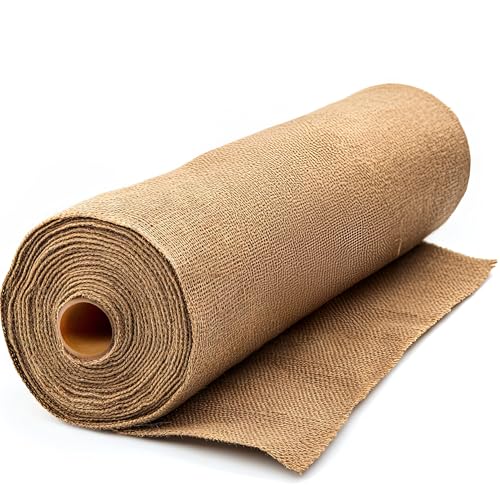
Rustic eco-friendly 100% natural premium 72" wide burlap fabric popular for wedding and party decor as well as landscaping applications.

The bundle comes with 2 Datacard YMCKT color ribbons and 2 cleaning cards & sleeves
Repurposing Household Items for Eco-Friendly Wrapping
Have you ever looked at your pile of old newspapers and thought they could be more than just a week’s worth of headlines? Gift wrapping doesn’t have to come from a store, and using those materials can really add a personal touch to your presents while being kind to the planet. Think about it: wrapping paper is typically just torn apart and thrown away. Using old newspapers, magazines, or comic pages gives your gifts character and keeps waste down. Grocery store paper bags also make great, eco-friendly options—they’re sturdy and often come in fun designs!
Another idea to spice things up is Furoshiki wrapping. You can use fabric remnants or even old linens. It’s not only elegant but also reusable, which is a win-win in my book. Plus, if you opt for fun patterns or colors, it can make your gift look even more special without costing a dime.
What about containers? Instead of tossing out those tins, mason jars, or wooden boxes, consider giving them a new life as gift packaging. These options are attractive and offer a unique take on gift presentation. The best part is that recipients can use them again, which is always a nice bonus.
When it comes to finishing touches, think biodegradable ribbons or recycled paper tags to enhance your creations. They’re stylish yet won’t add to the waste problem. You can easily find these online or at craft stores, often in pretty colors or designs that’ll make your presentation pop.
Switching to reusable options in daily life not only cuts waste but also results in cost savings over time.
Recommended Products

DURABLE: Made from 10 mil (.01") Polylith synthetic polypropylene, these tags combine the durability and tear-resistance of plastic with the printability of paper - making them far superior than conventional cardstock tags.

Our Modern Urban Slate world map is the latest in our collection! We’ve been making high-quality push pin maps for over 20 years. The map is perfect for any world traveler looking to track their travels on a modern slate design.
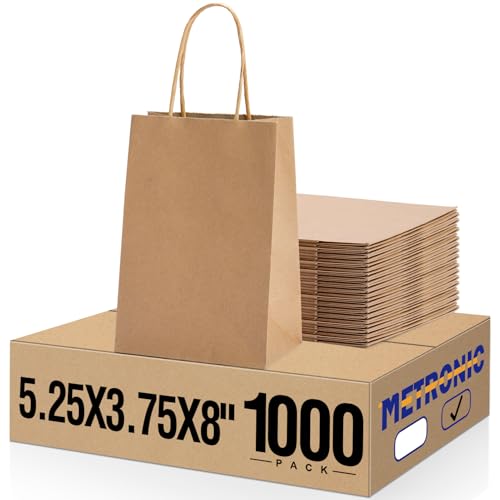
Paper Gift Wrap Bag Size: Small size in 5.25x3.75x8 inch, 50pcs. Perfect for gift bags, welcome bags, party favor bags, shopping bags, retail bags, merchandise bags or food service takeout bags.
Tips for Encouraging Friends and Family to Wrap Sustainably
Ever thought about how you can get your friends and family on board with sustainable gift wrapping? It’s actually not as hard as it sounds! One fun and creative way to wrap gifts is by using Japanese furoshiki. This versatile cloth can add a special flair to any present and, bonus, you can usually find them for under $10 at local stores.
Also, consider pushing for the idea of reusable gift bags. They give that same excitement when unwrapping while cutting down on waste. It’s kind of a win-win, isn’t it? And if you’re looking for something truly personalized, why not repurpose materials like old newspapers or grocery bags? Not only does it save you a few bucks, but it also brings a unique touch to your gift.
Encouraging friends and family to gently unwrap presents can make a difference too. They can save wrapping materials for future use, which is not only practical but also a way to show you care about our planet. Honestly, small actions like this can lead to a bigger change.
Using reusable canvas grocery bags for gifts is another sustainable choice since they are sturdy, machine washable, and reduce plastic waste.
Recommended Products

Production area: Made in Japan / Materials: (Furoshiki) 100% cotton, (Furoshiki Patchin) Oak


Ryuma from "MONSTERS: 103 Mercies Dragon Damnation" joins the action figure series S.H.Figuarts!
Frequently Asked Questions
What Is the Japanese Method of Gift Wrapping?
Furoshiki is a Japanese gift-wrapping method that uses eco-friendly materials like fabric. By employing various Furoshiki techniques, we not only beautify our presents but also honor its rich cultural significance while promoting sustainability.
What Is the Psychology Behind Gift Wrapping?
The psychology behind gift wrapping lies in how gift presentation heightens unwrap anticipation and fosters an emotional connection. We’re drawn to the thrill of unwrapping, which amplifies our feelings and memories associated with giving and receiving.
What Is the Etiquette for Furoshiki?
When we practice furoshiki, we should choose sustainable materials that reflect the gift’s essence. Employing various furoshiki techniques, we honor its cultural significance, ensuring our wrapping is as thoughtful and beautiful as the gift inside.
What Potential Waste Created in Gift Giving Comes From?
The potential waste in gift giving often stems from conventional wrapping and packaging. By embracing sustainable alternatives and eco-friendly materials, we can implement waste reduction strategies that benefit our environment while still celebrating our loved ones.