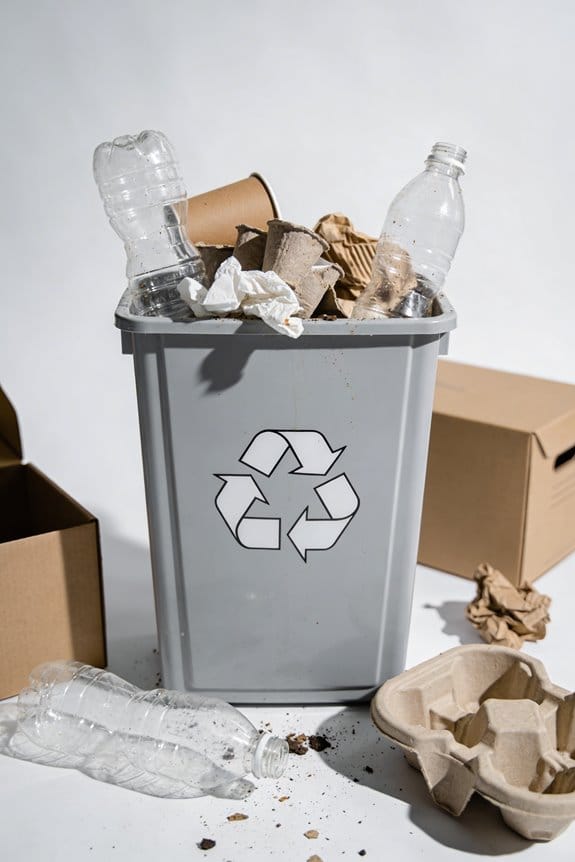

Wish-cycling is when we toss non-recyclable items into recycling bins, hoping they’ll be recycled. Unfortunately, this leads to contamination, causing about 25% of recyclables to end up in landfills. It can also damage sorting machines and increase costs for local programs. To avoid wish-cycling, we need to know our local recycling rules and clean containers properly. By being careful and informed, we can help improve our recycling efforts. There’s more we can do together for better recycling!
Key Takeaways
- Wish-cycling leads to contamination of recyclables, increasing the chances that 25% of materials end up in landfills instead of being recycled.
- Familiarize yourself with local recycling guidelines to understand which materials are accepted and avoid wish-cycling.
- Always rinse out food containers to prevent contamination; even small residues can ruin entire batches of recyclable materials.
- Attend community workshops and events to educate yourself and others about proper recycling practices and to reduce wish-cycling.
- Support local initiatives that promote effective recycling and the reuse of items to lessen waste and mismanagement in recycling programs.
Understanding Wish-Cycling: What You Need to Know
Have you ever tossed something in the recycling bin and wondered whether it really belongs there? It turns out, many of us are guilty of wish-cycling—putting items into recycling bins that can’t actually be recycled. This well-meaning practice can cause big problems, like contaminating entire batches of recyclables. Greasy pizza boxes? Nope. Flexible plastics? Not a chance. These items don’t belong in curbside recycling.
Did you know that in 2018, about 25% of materials meant for recycling in the U.S. ended up in landfills? That’s a staggering amount, all because of items that shouldn’t have been thrown in the bin in the first place. Besides contributing to landfill waste, wish-cycling can really mess up sorting machinery too, leading to costly repairs. So, what can you do to help?
Start by checking your local recycling guidelines. Each area has specifics about what’s accepted. Here’s the trick: familiarize yourself with the rules, and follow them. Knowing what you can and cannot recycle is key. It helps cut down on contamination and supports better recycling processes overall.
Frankly, it’s not just about the bins but also about being a responsible community member. When you recycle correctly, you contribute to a cleaner environment. Using alternatives like biodegradable garbage bags can also reduce contamination in recycling and waste streams. So, the next time you’re unsure about an item, take a moment to think: is this truly recyclable? It’s a small habit that makes a big difference.
To wrap it up, understanding recycling can feel daunting, but it’s worth the effort. Are you ready to make your recycling game stronger today?
Common Myths About Wish-Cycling

How can you deal with all the confusion about recycling and wish-cycling? Many folks think that pretty much all plastics can just be tossed into the recycling bin. The truth is, only certain types like bottles and tubs are usually accepted in curbside programs.
Just because there’s a recycling symbol doesn’t mean it’s good to go. That symbol only tells you what type of plastic it is, not whether it can be recycled in your area. And those greasy pizza boxes? Unfortunately, they’re off the list; the grease makes the cardboard too contaminated to recycle.
Another widespread myth is that you can bag your recyclables. Here’s the trick: always place them loose in the bin. Plus, rinsing out containers is key—leftover food can contaminate an entire batch, ruining much of the effort you put into recycling.
So why does this matter? Every little bit helps, but knowing what to recycle is crucial if you really want to make a positive impact. Getting it right means you’re actually contributing to the planet’s health. Using alternatives like compostable straws can also reduce plastic waste and ease the burden on recycling systems.
How Wish-Cycling Hurts Recycling Efforts

Want to do your part for the environment? We all feel that tug to be eco-friendly, but wish-cycling really messes things up. Tossing non-recyclable items into your recycling bin might seem harmless, but it creates a real headache for recycling programs.
Here’s the kicker: up to 25% of materials sent to U.S. recyclers end up in landfills because of this contamination. Think about it—every time you toss in something that can’t be recycled, it not only fuels contamination but also leads to costly delays. Workers have to sift through the junk, sometimes even damaging sorting machinery in the process. That means expensive repairs and shutdowns are on the horizon, and that’s something we can easily avoid.
So, why does this matter? When the quality of recycled goods drops, their marketability plummets, and that undermines public trust in recycling programs. We all want a system that works, right? It’s essential to know what’s really recyclable. Here’s the trick: take a moment to check the labels and guidelines for your local recycling program. If you’re not sure, look it up!
Using color-coded bins at home can help ensure that recyclables are sorted properly, reducing contamination and improving the effectiveness of recycling efforts.
In short, let’s be smart about recycling to protect our systems and make a real impact together. What steps are you taking to ensure you’re recycling the right way?
Recommended Products
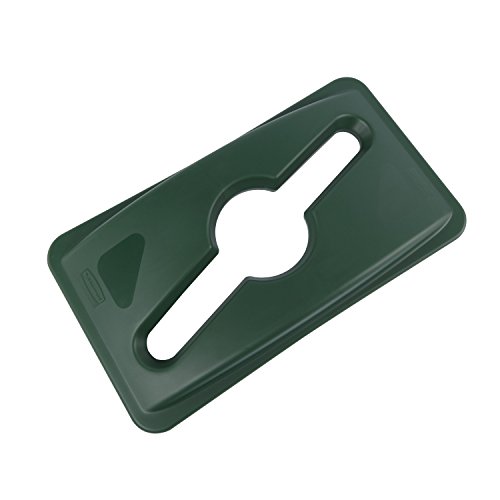
Slim Jim Recycling Lids facilitate waste and recycling sortation with interchangeable, color-coded tops.

Make Your Own Recycling Bin Stickers:Our stickers crafts kits includes 24 sheets of recycling bin make-a-face sticker in 8 different styles, 3 pieces of each style, rich in styles and plenty of quantity to meet your daily use or themed party decorating needs

What’s Included: 24 sheets recycling bin make-a-face sticker with 8 distinct designs ( 3 sheets per style). The sticker design features adorable patterns and charming details, and provides endless mix-and-match possibilities to craft unique recycling bin pattern.
The Impact of Wish-Cycling on Waste Management Efficiency
Have you ever thrown something into the recycling bin, thinking, “This should be fine”? That small act, known as wish-cycling, can really throw a wrench in waste management efforts. When non-recyclable items sneak into recycling bins, up to 25% of actual recyclables can end up in the landfill because of contamination.
This situation is more than just a dirty mess. It can seriously damage the sorting machines at recycling facilities, and that leads to costly repairs and unexpected delays. Imagine workers having to spend extra time sifting through junk instead of focusing on the things that can actually be recycled. It’s frustrating for everyone involved.
So, why does this matter? In the U.S., only about 35% of waste gets recycled, which isn’t nearly enough. By simply being mindful and avoiding wish-cycling, we all can make a big difference. Here’s a quick tip: before you toss something in the recycling, just double-check if it really belongs there. If you’re unsure, it’s better to throw it in the regular trash than risk messing up the whole batch.
One effective way to reduce landfill waste is to use biodegradable trash bags that safely break down and minimize environmental harm.
The best part is that when we get this right, we’re not just helping the environment—we’re also making life easier for those working hard to keep our waste management systems running smoothly. Let’s commit to being better recyclers together! What’s one item you’ve hesitated to recycle lately?
Identifying Non-Recyclable Items in Your Home
Identifying what’s recyclable in your home can be a real head-scratcher, can’t it? Many people assume all plastics are recyclable, but that’s not quite true. For example, flexible plastic bags and greasy pizza boxes definitely don’t belong in the recycling bin. Tossing these non-recyclable items in can spoil the entire batch!
Here’s the trick: Always rinse out your containers and ensure they’re clean before recycling. And don’t forget about materials like polystyrene foam and aluminum foil, which often aren’t accepted by local recycling programs. So, what should you do with items that can’t be recycled? Try donating old clothes and recycling electronics through specialized programs.
Honestly, wish-cycling can be a problem. To avoid it, take the time to verify your local recycling guidelines. Understanding the dos and don’ts of recycling at home can make a huge difference in what ends up in the landfill.
In short, knowing what you can and can’t recycle isn’t just a good practice, it really helps the environment. Compostable alternatives, like bamboo cups, provide a sustainable option to reduce landfill waste. What will you do differently with your recycling habits?
Recommended Products

🌱 Hassle-Free, Guilt-Free Disposal: 100% compostable and backyard-friendly, these trays break down within weeks without harming the environment, offering a zero-waste alternative that helps reduce landfill waste and lower your carbon footprint.

CASE OF 2000 pcs of Boba Unwrapped straws.

Take-out box is made from sturdy kraft paper
Responsible Recycling Best Practices
Have you ever tossed something in the recycling bin and wondered if it was really recyclable? It’s a common dilemma, but there are some straight-forward best practices you can follow to make sure your recycling efforts don’t go to waste.
First off, get to know the local recycling guidelines where you live. They can really vary from place to place, and understanding them will help you avoid wish-cycling. It’s all about knowing what can actually be recycled.
Next, let’s talk about cleaning those containers. If you don’t rinse out your food and beverage containers, even a small leftover bit can ruin a whole batch of recyclable materials. Who knew a little residue could have such a big impact, right?
When it comes to plastic, familiarize yourself with the different types and their recycling codes. You can easily find this info online. So, why does this matter? Because some types of plastic can be recycled, while others can’t. It’s worth taking a moment to check!
You’ll also want to steer clear of items made from mixed materials, like coffee cups, unless your local facility specifically accepts them. Those mixed materials can be tricky to recycle properly.
Lastly, always place recyclables loosely in the bin. It may seem easier to just bag them up, but those bags can really mess with the recycling machinery. It’s a simple change, but it can make a big difference.
Additionally, choosing recycled material products like trash bags made from ocean-bound plastic or post-consumer recycled content supports the circular economy and reduces landfill waste.
Recommended Products

HEAVY DUTY - 1. 5 MIL THICK - Strong enough to tolerate all residential household garbage and commercial waste. Made from industrial-strength low-density resins (thicker material).

SPECS - You will receive 80 cases (8,000 total bags) of black trash bags. This is a full pallet.

[Made In USA Quality] Includes 21000 black 33 gallon garbage bags (32"W x 38"L) built for reliable performance during tough cleanup
Getting to Know Your Local Recycling Rules
How often do you actually think about your recycling habits? Most of us just toss items in the bin, hoping we’re doing it right. The truth is, understanding local recycling rules is really important.
Every recycling facility has its own set of guidelines. That means what’s accepted in one town might not be in the next. Regularly checking your local guidelines can help prevent those embarrassing recycling mistakes, you know, like tossing in things that don’t belong. It’s smart to use Earth Day as a convenient reminder to look into what materials your municipality accepts.
So, how can you stay informed? Engaging with local recycling centers is a great starting point. Don’t hesitate to reach out with questions or stop by to get info. Here’s the trick: many municipalities provide clear lists of what you can and can’t recycle right on their websites. This quick check can save you time and energy in the long run.
You may be wondering, why does this matter? Well, by understanding the rules, you can cut down on “wish-cycling”—that hope that your non-recyclables will magically become recyclable. It’s way better to know what really can be recycled, which boosts the quality of what’s tossed into those bins.
Using durable and properly treated materials in products—like the waterproof coatings on bamboo that resist contamination—can also influence recycling quality.
At the end of the day, doing this helps reduce contamination rates and supports better recycling processes. We all want a cleaner, more sustainable future. So why not take a few minutes to educate yourself and make a difference? What’s your next step in improving your recycling habits?
Recommended Products
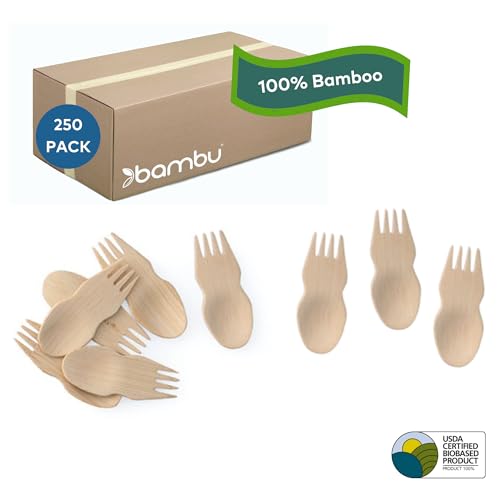
FSC-certified 100% Bamboo: Bambu makes its resuable dinnerware only from 100% bamboo which is certified annually and is an abundant renewable resource. These perfect eco friendly untesils are a step above other natural options and refrain from containing harmful chemicals and pesticides.

NATURALLY LUXURIOUS. Our premium, prerolled napkin cutlery set uses 100% natural bamboo utensils and high-end, extra soft & thick napkins that feel like linen. The set is plastic-free and chemical-free – safe to use for any fancy meals or occasion!

🌿 COMPLETE ECO PARTY PACK: Elevate your gatherings with the KoalaLove Eco Party Pack featuring compostable palm leaf plates, elegant pre-rolled bamboo cutlery (fork, spoon, and knife), sturdy cups, and soft napkins. Everything you need for hosting unforgettable events in one convenient, eco-conscious set.
Alternatives to Common Wish-Cycled Items
What can we do instead of tossing wish-cycled items into our recycling bins? It’s a real problem we’re all facing, and honestly, there are simpler choices we can make that can lead to much less waste.
For instance, next time you head to the store, why not grab a reusable tote bag? They’re super durable and can last years, which makes them a great alternative to those plastic bags. Plus, you’re doing your part to keep our planet a little cleaner.
When it comes to food storage, let’s think about swapping out plastic wrap. Beeswax wraps or silicone lids are fantastic reusable options. They not only help cut down on waste but also keep your leftovers fresh without all the plastic mess.
Here’s a handy tip about pizza boxes: only the clean portions should go into recycling—those greasy parts? They belong in compost. And if you’re using aluminum containers, be sure to rinse them out. Aluminum needs to be free of food residue to be recycled properly.
Additionally, switching to reusable sandwich bags made from silicone or food-grade materials can greatly reduce single-use plastic waste in your kitchen.
Recommended Products

Set Includes: Vacuum pump body x 1, USB cable x 1, Vacuum glass container S / M x 1, Vacuum storage bag S / M x 2, Clip x 1, Liquid protector x 1

MAXIMIZE VALUE - 50 x (Non-Silicone) Strong Poly-Nylon Bags Made in USA, Subject to California's Relevant Regulations & Quality Control Standards, Ensuring Consumers Smelly Proof Bags Adhere to Highest Benchmarks,

Unmatched Quality & Durability - 50 x Washable Smelly Proof Bags Extra Large Reusable Flat Bags, 5mil Heavy Duty Thickness, Puncture-Resistant, Tear Proof. Designed for Repeated Use Over & Over Again,
Community Efforts in Recycling
Ever wonder how to make your recycling efforts truly count? While many of us try to do the right thing, community support can really enhance our recycling habits.
Engaging in local recycling programs is a straightforward way to boost participation. For instance, when municipalities host educational events, residents often become more aware of what can actually be recycled. Setting up drop-off spots for items that can’t go in curbside bins is another solid move. It not only helps reduce contamination but also points people in the right direction.
Neighborhood clean-up days can also make a real difference. They give everyone a chance to come together, sort through recyclables, and properly dispose of what can’t be recycled. This brings a sense of responsibility for our environment and often inspires others to be more mindful.
If local businesses get involved in recycling initiatives, that’s a win-win. They can promote sustainable products and encourage customers to cut down on waste, too. Keeping things straightforward with clear recycling guidelines and lists of accepted materials can help everyone stay on track.
Using multi-bin recycling systems in community spaces can further simplify sorting and reduce contamination, making recycling efforts more effective.
So, why does this matter? Because every small effort adds up. When communities come together to support recycling, everyone wins. If we all pitch in, we can have a bigger impact than we might think!
What steps can you take in your own community to encourage better recycling practices?
Promoting Sustainable Recycling Habits Together
Have you ever found yourself staring at a pile of plastic, wondering what really can and can’t be recycled? You’re not alone! Many of us have misconceptions about recycling, especially when it comes to flexible plastics. The truth is, about 61% of people think these materials can be tossed in the recycling bin, but that’s just not the case.
One simple way to start making a difference in our community is by knowing the local recycling rules. This means figuring out what your town recycles and what it doesn’t. A great tip? Establish dedicated spots for items like plastic bags because that can really help cut down contamination rates in our recycling programs.
And don’t forget about the basics. Rinsing out food containers and sorting your materials makes a big difference. In fact, around 25% of recyclables end up in landfills because of contamination issues. That’s a lot of wasted potential! So, why does this matter? Because every little step counts towards a more sustainable future.
Sharing information with friends and family can boost community awareness. Think about collaborating with local recycling facilities to learn the best practices and get accurate information. The best part is that when we work together, we can create a lifestyle that nourishes our community and helps the planet at the same time.
Using eco-friendly reusable products reduces waste and supports sustainability efforts in everyday life.
In short, taking simple steps toward recycling right can transform our community. What small change will you make today?
Frequently Asked Questions
What Are the 7 Disadvantages of Recycling?
While we think recycling’s a perfect solution, it’s not without flaws. Recycling effectiveness suffers from contamination, the environmental impact increases, and public awareness often misleads us into overestimating what we can actually recycle.
What Are 5 Ways to Reduce Plastic?
To reduce plastic, we can choose plastic alternatives like reusable bags, avoid single-use items, support eco-friendly products, opt for minimal packaging, and carry reusable utensils. Together, we can make waste reduction a priority!
What Are the Negative Effects of Not Recycling?
Not recycling leads to severe environmental consequences, like increased landfill waste—about 25% of recyclables can’t be processed. It also has economic implications and hinders community awareness about sustainable practices. Let’s commit to recycling responsibly together!
What Does “Wish Cycling” Mean?
Wish cycling’s when we place non-recyclables in recycling bins, hoping they’ll be recycled. Common examples include greasy pizza boxes. It often leads to contamination issues, making recycling alternatives less effective. Let’s be mindful of what we toss!