

Jute, often called the “golden fiber,” is a natural fiber from the Corchorus plant. It grows up to 4 meters tall in warm, humid climates. This eco-friendly fiber isn’t just strong; it’s also biodegradable and uses minimal water and pesticides. Jute bags are a tough alternative to plastic, while it’s found in rugs and decor. It supports local economies by providing jobs for millions. Stick around, and you’ll discover even more fascinating details about jute!
Key Takeaways
- Jute is a sustainable, biodegradable natural fiber from the Corchorus plant, often referred to as the “golden fiber” for its hue.
- It has high tensile strength, making it ideal for durable products like eco-friendly bags, ropes, and textiles.
- With a rapid growth cycle of around 120 days, jute supports sustainable farming and conserves water resources.
- The jute industry provides livelihoods for millions, boosting economies in rural areas and fostering community development.
- Jute products are eco-friendly alternatives to plastics, helping reduce environmental pollution and encouraging waste reduction.
What Is Jute and Why Is It Called the “Golden Fiber”?
Did you know there’s a natural fiber that’s not only beautiful but also eco-friendly? It’s called jute, often referred to as the “golden fiber.” This fiber comes from the Corchorus plant, especially two types: Corchorus capsularis and Corchorus olitorius. Jute has a warm golden-brown hue, which adds a touch of elegance to various products. What’s even cooler? It’s the second most produced natural fiber in the world, right behind cotton.
So, why does this matter? Jute grows best in humid climates and thrives in places like India and Bangladesh. It doesn’t require much care or a lot of fertilizers, which is a win for both farmers and the environment. The best part is jute’s high tensile strength, which means it’s durable enough for a wide range of uses, from textiles to packaging.
Here’s something to think about: jute is completely biodegradable. That makes it a sustainable choice compared to synthetic materials that often harm our planet. When you choose jute-based products, you’re not only supporting good practices but also adding a unique charm to your home or wardrobe.
If you’re looking to make eco-friendly choices, consider incorporating jute items into your life. Whether it’s jute bags for shopping or decorative jute-based home goods, you’re doing your bit for the environment.
To wrap it up, jute isn’t just pretty; it’s practical and kind to the Earth. Bamboo blinds, for example, are another eco-friendly natural material that can stylishly elevate your home decor while supporting sustainability. It’s exciting to think about the positive impact of our everyday choices. How might you include more sustainable materials like jute in your life?
How Does Jute Benefit the Environment?

When you think about eco-friendly materials, have you ever considered jute? It’s more than just a fiber; it’s a solution for better environmental practices. First off, jute fibers break down completely over time. This means they enrich the soil rather than just piling up in landfills. Less pollution sounds good, right?
Another good point about jute is that it’s a renewable crop. It grows fast—about 120 days from planting to harvest. This quick turnaround means we can keep using jute without harming the environment. It also doesn’t need a lot of fertilizers or pesticides, which is great news for local wildlife and ecosystems.
So, why does this matter? Well, jute plays a big role in fighting climate change. It absorbs a ton of carbon dioxide as it grows, which can help with carbon sequestration. Plus, since jute doesn’t need much water and thrives on rain, it’s perfect for places with high humidity. This helps us conserve resources and supports sustainable farming practices.
The best part is you’re not just making a green choice—you’re also helping the Earth. Jute products such as rugs often require minimal chemical usage for maintenance, enhancing their eco-friendliness.
So next time you’re looking for eco-friendly materials, consider using jute. It’s a win-win! What’s your favorite sustainable material?
What Distinct Properties Make Jute Stand Out?

Ever wondered why jute has become such a popular choice for so many applications? This natural fiber, often called the “golden fiber,” has some amazing properties that really make it stand out.
For starters, jute has incredible tensile strength. That means it’s tough enough for heavy-duty stuff like sacks and ropes. If you’re looking to make a statement with your home decor, using jute in rugs or other pieces brings a nice rustic charm. Plus, you might appreciate its breathable nature, which is perfect for bags or agricultural coverings since it allows for great air circulation.
If you’re thinking about dyeing jute, there’s another perk: it absorbs color really well. You can transform its natural golden-brown hue into vibrant shades easily. Just remember, try to manage moisture levels, as excess moisture can cause damage over time. Additionally, like bamboo, jute is a renewable resource that supports sustainable practices.
Recommended Products
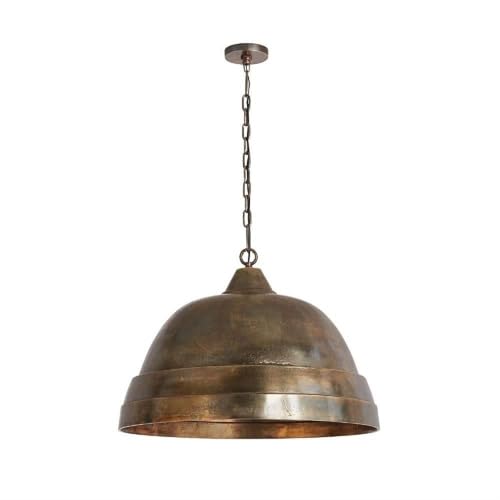
SEDONA PENDANT LIGHT DIMENSIONS: 20" High (146" Max Adjustable Height) x 28" Wide; Canopy: 5"W x 5"L x 0.75"H; Weight: 43 lbs.
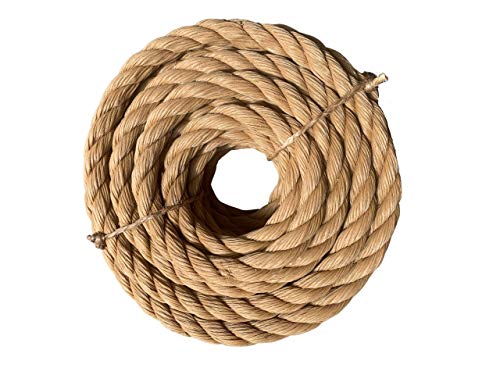
TWISTED POLYPROPYLENE ROPE - Experience unmatched strength and exceptional versatility with the ATERET poly pro rope. This twisted polypropylene rope delivers outstanding performance. Whether for home, commercial, or industrial projects, this yellow multi-purpose rope is the ultimate choice. Available in different diameters (3/16 - 2 inch) and lengths (50 - 1,200 feet), it adapts effortlessly to meet all your project needs with unmatched durability and reliability.

ARCHER PENDANT CEILING LIGHT FIXTURE DIMENSIONS: 14.5" High (140.5" Max Adjustable Height) x 32.25" Wide; Ceiling Canopy: 5"W x 5"L x 1"H; Weight: 28.5 lbs.
What Are the Versatile Uses of Jute Today?
Have you ever stopped to think about how much jute is woven into our everyday lives? You might just see it as a strong fiber, but it turns out this golden material has a ton of versatile uses that can surprise you.
For starters, eco-friendly jute bags are a fantastic alternative to plastic. They’re sturdy enough to handle your groceries and stylish too! And it’s not just bags—jute ropes are essential for agriculture and construction projects because they’re super durable and can withstand a lot of wear and tear.
But jute isn’t just practical; it also adds a nice touch to home decor. Think about it—using jute as a backing for carpets and rugs adds a natural feel to any room. And you might even find jute making an appearance in your wardrobe—jute belts and jewelry are perfect for those who want to look good while being kind to the planet.
You might be surprised to learn that even stationery items are going green with jute. Notebook covers and pencil cases made from jute align with our increasing awareness of reducing waste. So, why does this matter? Because every little bit helps when it comes to protecting the environment.
The best part is, jute’s popularity is only growing. As more people seek sustainable options, you’ll find countless products made from this amazing fiber. If you haven’t tried incorporating jute into your life yet, now’s a great time to start. Think about how some simple changes can make a big impact. Moreover, choosing products with eco-friendly and sustainable features helps reduce plastic waste and supports environmental health.
Recommended Products

Eco-Friendly Material – Made from 100% natural and biodegradable jute fiber.

ECO-FRIENDLY MATERIAL – Crafted from sustainable jute with a cotton pocket, this custom tote bag is a reusable option for carrying essentials while supporting eco-conscious choices.

✅ Material: Made from Natural Jute , a sustainable and eco-friendly fiber known for its strength and durability.Natural materials for comfort - This jute carpet offers a soft texture underfoot because it uses natural materials, which adds a cozy feel to your living spaces without being harsh to your skin while providing comfort to you.
How Does Jute Affect Economies and Communities?
Jute might not be the first thing that comes to mind when we think about crops, but it’s making a real impact on communities, especially in places like India and Bangladesh. Have you ever thought about where our everyday products come from? Millions of farmers and laborers depend on jute for their livelihoods. When we support jute cultivation, we’re not just benefiting the industry; we’re boosting rural economies and opening up a world of income opportunities.
One of the best parts about jute is its high yield per acre. This means farmers can grow more while using less land, which is pretty crucial for fighting poverty. As we lean more towards eco-friendly products in our purchasing decisions, the demand for jute is expanding. This growth creates jobs not only in farming but also in manufacturing and transportation.
So, why does this matter? Because when jute thrives, entire communities benefit. That can mean improved infrastructure, better services, and overall development in rural areas. Jute isn’t just another crop; it’s a lifeline connecting people to better futures through sustainable practices. Its use as an eco-friendly natural fiber offers a better environmental impact compared to synthetic alternatives.
If you’re looking for ways to make a difference, consider supporting jute products. You’d be contributing to a cycle of growth that helps not just individuals but entire communities thrive.
In short, jute impacts economies and creates opportunities. Have you thought about how your choices can support sustainable crops like jute?
How Is Jute Grown?
Growing jute can be a pretty exciting venture, especially if you’re into sustainable crops. Jute loves warm, humid climates and rich, loamy soils, which is why you’ll mainly find it thriving in India and Bangladesh. Did you know these two countries contribute over 90% of the world’s jute supply? That’s a huge deal! The jute plant can tower up to 3-4 meters and needs plenty of rainfall to grow strong.
So, here’s the trick for successful jute farming: after about 120 days of growing, it’s time to harvest. One of the best parts about jute is it doesn’t require hefty amounts of fertilizers or pesticides. If you’re looking for an environmentally friendly crop, jute is a solid choice.
Once you’ve harvested the jute, the next step is retting. This process involves soaking the fibers in water, which helps break down the non-fibrous materials. High tensile strength makes jute fibers perfect for crafting textiles and packaging—talk about versatility!
To further support eco-friendly living, you can complement your sustainable jute farming practices by using indoor compost bins to manage kitchen waste effectively.
Honestly, growing jute not only supports sustainable practices but can also be a rewarding experience if done right. So, if you’re thinking about diving into jute farming, why not give it a shot? It might just open up new doors for you.
Comparing Jute to Other Natural Fibers
When you’re on the hunt for natural fibers, have you considered jute? It’s one of the most budget-friendly options out there today, making it perfect for anyone looking to save a bit of cash. Plus, jute is a champion when it comes to environmental impact—it needs far less water, pesticides, and fertilizers than cotton does. And if you’re worried about the planet, jute is 100% biodegradable, so it’s a much more sustainable choice compared to synthetic materials like polyester.
Now, if we compare jute to hemp, you’ll notice it has a coarser texture that makes it perfect for affordable mass production, especially in packaging. It’s pretty fascinating how productive jute can be: it yields more per acre than flax, which means better returns for the farmers growing it. Don’t overlook its high tensile strength either; jute fibers can really hold their own in heavy-duty applications. It strikes this sweet spot of being durable while still being eco-friendly, something not all natural fibers can claim.
So, why does this matter? Choosing jute over other fibers means you’re not just taking care of your wallet, but also doing your part for the environment. The next time you’re shopping for materials, think about going with jute. It might just be the underdog you didn’t know you needed!
In a nutshell, jute combines affordability and sustainability in a way that few other natural fibers do. Why not give it a try in your next project? Its biodegradability and sustainability make it a great candidate for eco-friendly products like reusable tote bags.
Recommended Products

ELEGANT STYLE – Give your space an instant upgrade with this contemporary beige brown area rug, designed with an elegant Checkered pattern. Soft neutral tones brighten your décor, while subtle taupe detailing adds a stylish, modern touch.
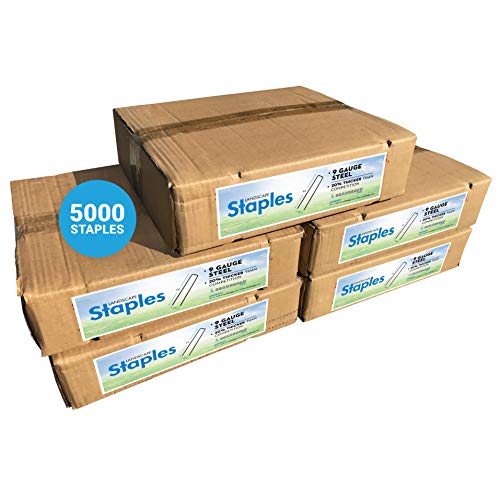
TOUGHEST 6 INCH STAPLES ON AMAZON: This 9 gauge steel staple breaks through the hardest and rockiest soil. Unlike our competitor’s thinner 11 gauge staples that bend in hard soils, these landscape staples will pierce through the hard soil and get the job done - saving you valuable time & frustration. Ain’t nobody got time for that

Designed by Becki Owens in collaboration with Livabliss, neutral tones and durable construction make this rug perfect for any living space or entryway.
How to Care for Jute Products?
Caring for jute products can make a big difference in how long they last and how good they look. When you first get your jute items, don’t be surprised if they shed a few loose fibers. That’s pretty normal and will taper off over time.
If you want to keep your jute looking fresh, spot cleaning with a damp cloth is the way to go. Washing them could compromise the fibers, and nobody wants that. In case your jute products get wet, make sure to dry them quickly. This is crucial to prevent any damage or mold—trust me, you don’t want to deal with that!
Have you ever noticed how jute has a rough texture? While that’s part of its charm, it can be a bit rough on sensitive skin. If that’s a concern for you, look for lined options to keep your comfort in check.
Following these guidelines will surely help your jute items have a longer life while still showing off their unique style. Also, using materials with OEKO-TEX certification ensures that your jute products are free from harmful substances.
So, what are you waiting for? Give these tips a try and enjoy your jute products to the fullest!
Recommended Products


Vibrant, Fade-Resistant Color That Still Draws Attention Years Later | Our high-pressure dyeing process pushes color deep into every jute fiber, not just the surface. Rich tones that hold up against sunlight, foot traffic, and spot cleaning. No smudging when you wipe a spill. Colors arrive true to what you see and look even richer under natural light. Surface-level dyes fade fast — ours stay rich through month six and beyond, long after the rug has settled into your home.

Enough Size to Fit Any Style- With size of 9x12ft, the rich to tone color can perfectly blend with any home design. It can be used in living rooms, bedrooms, dining room, a study to add a sense of luxury and create a natural and artistic atmosphere; As a decoration, it can be used in fireplace front, wall hanging, sofa cover, chair mats, making your room look classy and elegant
The Role of Jute in Eco-Friendly Stationery Products
Are you looking for a way to make your stationery choices a bit greener? Jute might just be the answer you’re searching for. This amazing “golden fiber” isn’t just a trend—it’s completely biodegradable and renewable, making it a solid pick if you want to steer clear of synthetic materials.
Brands like SYLOON are really stepping up, offering stylish notebook covers and pencil cases crafted from jute. You might be impressed to learn that growing jute requires significantly less pesticide and fertilizer, which means it’s easier on the planet compared to many other crops. Plus, did you know that jute absorbs carbon dioxide while it’s growing? That’s a little perk that helps reduce those pesky carbon emissions.
In addition to jute, exploring other eco-friendly materials like organic cotton tote bags can further enhance your sustainable lifestyle by reducing plastic waste.
So, why does this matter? It’s all about making smarter choices when it comes to your daily needs. If you’re in the market for stationery, think of jute as a stylish and eco-friendly alternative. It not only looks good but also helps the environment in the process.
The best part is, every time you choose jute, you support sustainable practices that can lead to a healthier planet. If you’re concerned about your ecological footprint, look for jute-based products the next time you shop. Your stationery can be both functional and kind to the Earth.
In short, jute is a great option for anyone wanting to make responsible choices in their stationery collection. So, next time you’re browsing for new supplies, keep an eye out for jute. It’s a simple way to contribute to a more sustainable future, don’t you think?
Recommended Products

Botanical Border: This design in the Edinburgh Collection features a vintage-inspired beige florals with a sage green border and light blue accents, perfect for farmhouse, cottage, and traditional decor

MARKET STYLE TOTE BAG: Made of natural jute fiber with genuine leather handles with rivet attachment waterproof lining and inside pocket for added organization

Fun Bee Print Design – features a vibrant and playful bee print that kids instantly love.
Frequently Asked Questions
Why Is Jute Known as the Golden Fiber?
Jute’s known as the golden fiber because of its sustainable cultivation and rich history. Its economic impact spans generations, offering versatile products, from textiles to eco-friendly options, while preserving traditions that celebrate its natural beauty and value.
What Are the Benefits of Using Golden Fiber?
Using jute provides us sustainable production and biodegradable materials for eco-friendly packaging. Its agricultural impact supports rural economies, while offering economic advantages, textile applications, and health benefits, ultimately enhancing our commitment to environmental conservation.
What Are the Benefits of Eating Jute?
Aren’t we all looking for nutritious options? Eating jute offers amazing health benefits, boasting impressive jute nutrition. Its dietary fiber enhances digestion, while its culinary uses in traditional dishes guarantee delicious vegetarian options and essential nutrients.
What Are the Benefits of Jute Fibre?
We love jute for its sustainability and versatility. Jute applications range from textiles to eco-friendly packaging, offering durability and strength. Compared to cotton, jute’s cultivation promotes a healthier jute economy and benefits the environment greatly.