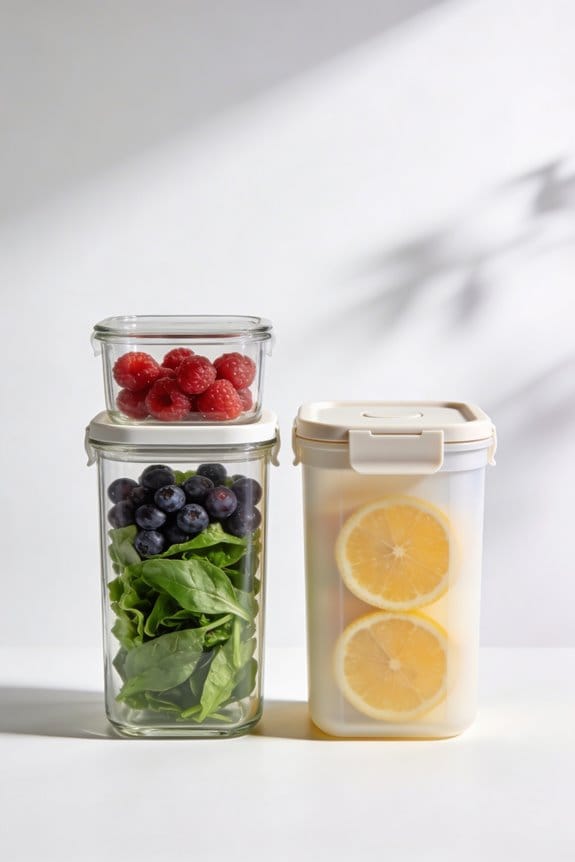
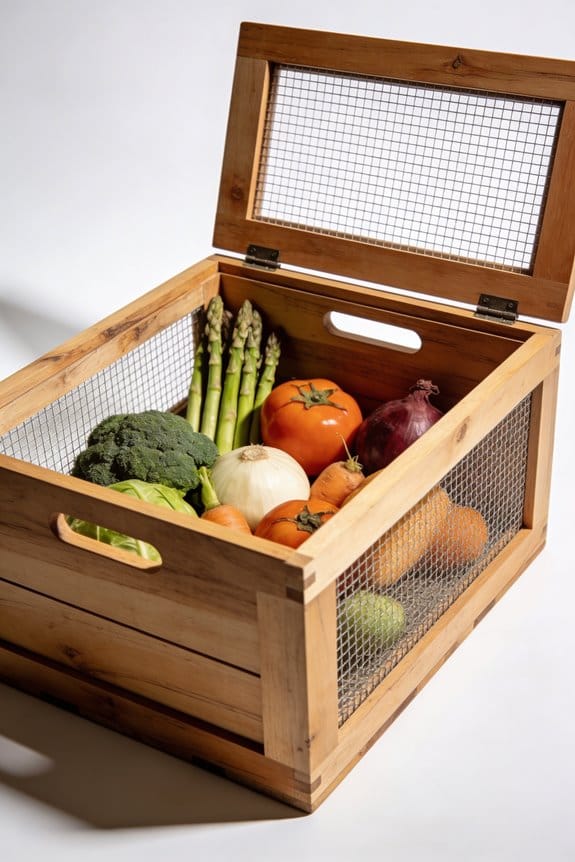

To create a modern root cellar, we should focus on keeping vegetables fresh in temperatures between 32-40°F with high humidity. Using insulated rooms or CoolBot technology can help manage this. For storage, we can separate damp and dry areas, using sand for moisture retention. Regularly checking for spoilage is important, as is using mesh bags for airflow. By taking these simple steps, we can easily preserve our seasonal produce. There’s plenty more to explore on this topic!
Key Takeaways
- Utilize insulated rooms or CoolBot technology to maintain optimal temperatures for storing various vegetables in your modern root cellar.
- Create distinct damp and dry storage areas to accommodate different types of produce effectively.
- Implement smart monitoring tools to ensure consistent temperature and humidity levels in your root cellar.
- Regularly check stored vegetables for signs of spoilage to maintain freshness and extend their storage life.
- Adopt eco-friendly practices, such as repurposing old appliances, to enhance sustainability in your storage methods.
Getting Started With Modern Root Cellars
When it comes to keeping your homegrown vegetables fresh, have you ever thought about how a modern root cellar could help? It’s not just some old-school basement for storing potatoes anymore. Nowadays, you can set up an effective root cellar right in your own house. With insulated rooms that have air conditioning and CoolBot technology, you can easily maintain temperatures between 32-40°F. This is perfect for keeping root veggies from going bad, even when humidity levels are high.
If you’re short on space, don’t worry. There are simpler alternatives that can work just as well. Burying 5-gallon buckets is a fantastic option, or you could repurpose an old chest freezer. It’s all about using what you’ve got to make sure your produce lasts longer.
Regular maintenance is crucial in this process. Make it a habit to check your storage weekly. Look for any signs of spoilage, like sprouting or wilting, and get rid of those right away. This small step can save your other veggies from going bad faster. Proper ventilation is equally important; it helps keep everything fresh and prevents any unwanted odors.
So, why does this matter? It maximizes the effort you put into gardening and food preservation. Not only can you enjoy your homegrown food for longer, but you also reduce waste in the process. Using eco-friendly practices can further enhance the sustainability of your food storage and minimize environmental impact.
In short, creating a modern root cellar isn’t just a cool project, it’s a practical way to keep your hard work from going to waste. Have you thought about how you might set up your own space?
Creating Damp and Dry Storage Areas

Creating effective damp and dry storage areas is essential for keeping your homegrown vegetables fresh. Have you ever noticed how quickly veggies can spoil if not stored properly? Well, let’s get into how to create ideal environments for both damp and dry storage.
For your damp storage, aim for temperatures between 32-40°F and crank up that humidity to 100%. Using materials like sawdust or sand can significantly improve conditions for root vegetables such as carrots and beets. These materials help retain moisture without making your veggies soggy.
Now, when it comes to dry storage, it’s a bit different. You want to keep things cool, ranging between 50-60°F, and the humidity should sit around 60-70%. Drafty closets or non-freezing garages are perfect spots for storing winter squash and garlic. An old refrigerator can be repurposed for damp storage too—just make sure there’s enough airflow to avoid mold and spoilage.
Regularly check your storage areas; it’s a good idea to monitor those temperature and humidity levels. You don’t want to find out later that your hard work has gone to waste. Additionally, using natural and food-safe materials like 100% organic bamboo for storage tools and surfaces helps maintain freshness and safety in your storage environment.
Recommended Products

【Maximized Storage with Adjustable Racks】Equipped with 3 drawers, spacious cabinets, and flexible internal shelves—including fridge-style door racks—this island keeps your cookware, utensils, and spices neatly organized and within reach.

EIGHT ACCESSORIES – ENDLESS USES: The AIUS300 includes a Telescopic Bridge, Large Colander, Small Colander, Prep Bowl with Bamboo Lid, Bamboo Chopping Board, Foldable Silicone Mat, and Storage Container.

Set includes 400-grit, 1000-grit, and 5000-grit glass sharpening stones, bamboo sharpening stone sink bridge, and Bob Kramer instructional DVD
How to Monitor Temperature and Humidity in Your Root Cellar

Keeping your root cellar in good condition is crucial for preserving your veggies, but how do you make sure those ideal conditions stick around? The sweet spot for temperature is between 32 to 40 degrees Fahrenheit, and humidity should hover around 90 to 95 percent. How can you achieve that without constant manual checks?
Try using smart monitoring tools like a Smartbot hub or Meross. These nifty devices can send alerts if things change, which means your veggies stay fresh and ready for use. Think about it—having that peace of mind while knowing your produce is well cared for is pretty fantastic.
Another trick is to install intake and exhaust vents. This setup helps fresh, cool air enter your cellar while letting the warm air escape. Balancing airflow is key to maintaining a stable environment for your stored goods. Don’t forget about those regular checks! A quick look every week can help you nip any potential problems in the bud.
Finally, if you want to take it a step further, consider connecting some tools to a water source. This could help make humidifiers or dehumidifiers work automatically, so you don’t have to think twice about maintaining those perfect levels.
Using stainless steel bins with odor control features can also support an eco-friendly kitchen environment that complements your root cellar’s conditions.
Recommended Products

No Monthly Fees or Subscription: This WiFi temperature & humidity monitor is compatible with 2.4GHz WiFi networks (not 5GHz). Designed for greenhouses, RV pet safety, cold storage, homes, and more

Country Of Origin: Mexico

No Subscription: The WiFi temperature & humidity monitor is ONLY compatible with 2.4GHz WiFi networks.No monthly fee or subscription. Designed for greenhouses, RV pet safety, cold storage, homes, and more
Tips for Selecting and Storing Different Vegetables
Storing vegetables can feel tricky at times, right? You want to keep them fresh and tasty, not wilting away in the back of the fridge. Here’s the scoop on how to actually make it work.
For root veggies like carrots, beets, and turnips, the trick is storing them in a damp environment. Aim for temperatures between 32-40°F and keep the humidity high. This will help maintain their freshness and prevent that dreaded dehydration. It’s really about creating a little haven for those roots.
Now, let’s talk about dry vegetables like onions, garlic, and winter squash. They do best at cooler temperatures around 50-60°F with low humidity. Storing them in mesh bags or crates is a smart move because it allows for proper airflow. When picking winter squash, go for varieties that are blemish-free, like butternut—that way they can last through until March or April.
Remember to check your stored veggies regularly. Are there any signs of spoilage? Keeping an eye out helps you enjoy your harvest all winter long without the worry of wasted food. Using biodegradable materials for storage containers can also support sustainable kitchen practices.
Recommended Products

Kimchi Fermentation & Storage Refrigerator - Engineered to support traditional kimchi fermentation and storage with precise temperature control.

Large 20.5 cu. ft. Total Capacity: Provides 14.7 cu. ft. of refrigerator space and 5.8 cu. ft. of freezer capacity, offering ample room for fresh and frozen food storage while fitting comfortably in residential and apartment kitchens.

Lots of storage in a streamlined body: Limited space is no problem for the Summit FF1089PL 24 inch top mount refrigerator-freezer. Designed specifically for those hard-to-fit spots, it offers over 10 cu.ft. of storage capacity in a slim fit under 24" wide and 60" high. The large freezer compartment includes its own dial thermostat, two door shelves, and an adjustable glass shelf.
Troubleshooting Common Storage Problems in Your Root Cellar?
Root cellars can be a garden’s best friend, but every now and then, you’ll run into storage issues that can surprise you. Have you ever noticed produce sprouting or decaying faster than expected? Regularly checking your stored fruits and veggies is key. If anything looks rotten, remove it right away to keep the rest of your stash safe.
Ventilation is another biggie. Without it, you could end up with mold thanks to all that condensation. It’s a good idea to keep an eye on humidity levels too—aim for around 90-95% relative humidity. Too dry and your produce will wither; too much moisture can lead to spoilage.
Temperature plays a crucial role as well. For damp storage, the sweet spot is 32-40°F, while dry items do better at 50-60°F. It’s all about finding that balance to keep everything fresh.
If you use sand for storing roots, be sure to replace it regularly. Compaction can ruin your veggies, and nobody wants that after all the hard work in the garden!
Here’s the trick: Keep track of these factors, and your root cellar will reward you with crisp, fresh food all winter long. So, what’s been your biggest struggle with storage? Let’s tackle it together! Remember, using materials with proper absorbency and moisture control can significantly improve storage conditions in your root cellar.
Recommended Products
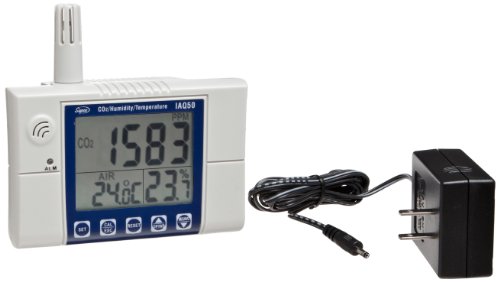
INDOOR AIR QUALITY METER - The CO2 meter measures Carbon Dioxide levels, Temperature and Humidity with Dew Point and Wet Bulb. Use for continuous monitoring of residential, and professional environments, such as warehouses, restaurants, garages, and greenhouses.
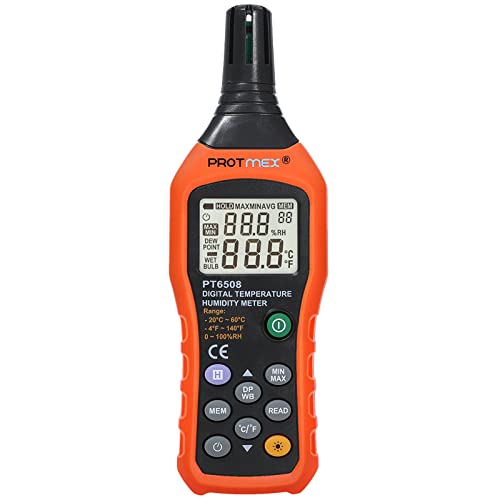
PT6508 psychrometer HVAC is a new type of digital temperature and humidity meter, which is designed to combine the functions of a humidity meter, temperature meter, wet bulb temperature, and dew point temperature. And dew point is a measure of how much water vapor is actually in the air.

The HumidiMeter 420 is the perfect tool to be used for curing storing, and/or harvesting cannabis.
Frequently Asked Questions
Are Root Cellars Still Useful Today?
Yes, root cellars are still useful today. They support urban gardening, allow for seasonal storage, and keep fresh produce accessible. Embracing these historical practices promotes sustainable living, connecting us to our food and reducing waste.
What Is an Alternative to a Root Cellar?
An alternative to a root cellar could be utilizing frozen storage, cool pantry spaces, or basement shelves for jar preservation. We can also explore refrigeration alternatives to keep our produce fresh and flavorful all year round.
How Deep Underground Should a Root Cellar Be?
Digging a root cellar’s like planting a seed; the ideal depth is 8 to 12 feet. This guarantees stable soil temperature, best moisture control, and proper ventilation systems, using durable construction materials for long-lasting freshness.
Do People Still Build Root Cellars?
Yes, we still build root cellars! Their benefits include sustainable storage and historical significance. With modern construction techniques and DIY tips, our efforts help preserve food while honoring tradition and promoting self-sufficiency.