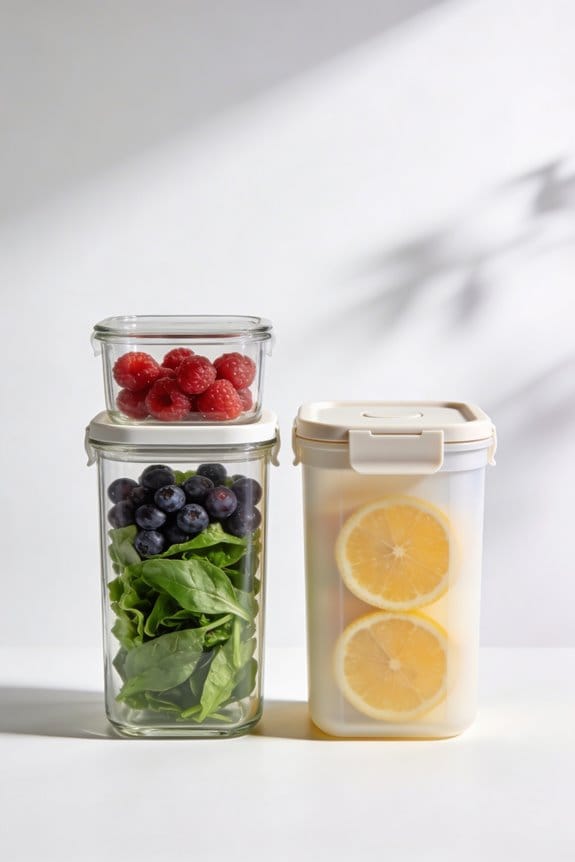


When we store bulk grains, using airtight containers is key to keeping pests away. Glass jars or metal cans with secure lids work great, helping to keep moisture levels below 12%. We should regularly check the grains for signs of pests, like holes or unusual smells. It’s smart to use natural pest deterrents, like diatomaceous earth, too. By following these tips, we can keep our grains fresh and safe, and there’s even more to discover about storage solutions!
Key Takeaways
- Use airtight containers like glass jars or Gamma Seal Lids to block oxygen and moisture, preventing pest infestations.
- Maintain grain moisture levels below 14% to deter mold growth and attract pests.
- Regularly inspect stored grains for signs of pests, spoilage, or moisture issues to catch problems early.
- Consider natural pest control methods, like diatomaceous earth, for chemical-free protection of stored grains.
- Introduce beneficial insects, like predatory mites, to manage pest populations naturally in bulk grain storage.
How to Choose Airtight Containers for Grain Storage
Storing bulk grains can feel overwhelming, right? It’s important to choose the right airtight container to keep your food fresh and safe. There are a few solid options to consider.
First off, look for airtight containers like Gamma Seal Lids or pre-sealed pails. These bad boys effectively keep oxygen out, which helps prevent pesky insects and keeps moisture levels in check. If you’re leaning towards something glass, that could be a smart move too. Glass jars are not just rodent and moth-proof; they also feel cleaner compared to plastic.
If you’ve got a larger stash of grains, don’t overlook metal containers. A good trash can with a secure lid can do the trick. They’re durable and airtight, which is exactly what you need. On the budget side, thick plastic containers with screw-on lids work wonders. Just make sure to seal them tightly after each use. That tiny action goes a long way in keeping your grains fresh and protected.
Using containers made of 18/8 stainless steel is another excellent option because they are durable, non-toxic, and help maintain freshness over long periods.
So, why does this matter? Quality storage means fresher food—which is always a win in my book! Keeping your grains safe isn’t just about the container; it’s also about giving yourself peace of mind.
What are your go-to storage methods for grains?
Recommended Products

【33 Lbs Large Capacity】This rice dispenser can hold 33 pounds of grains, allowing you to store more rice for a long time. Meet the daily needs of the family. You can also use it to store other grains such as soybeans, corn, oatmeal, mung beans, wheat, coffee beans, etc

Durable: the food-safe 304 stainless steel and the polishing process make this product safe and wear-resistant, so that it maintains good aesthetics and practicality both indoors and outdoors.

Chinese Style Rice Jar:The food storage container with lid is classic. The round appearance design is not only beautiful and stable, but also represents happiness and prosperity. The pattern on the surface of the rice vat is exquisite and has good meaning. It is fired at high temperature and will not fade easily.
Top Strategies to Prevent Insect Infestations in Grain Storage

Have you ever opened a container of grains only to find they’ve been invaded by pesky insects? It can really be frustrating, but there are definitely ways to keep those little critters at bay.
Start by storing your grains in airtight containers. Sealed glass jars and Gamma Seal Lids work like a charm for this. By keeping oxygen out, you’re not just preserving the grains, but also making it harder for pests to get in.
Drying your grains properly is also key. Aim for a moisture content below 12%. Too much moisture attracts pests and can even lead to mold, which is a nightmare for long-term storage.
Regular inspections are a must. Make it a habit to check your grains frequently, as spotting an infestation early can save you a lot of trouble. You could also use pheromone traps—they’re great for keeping track of any lurking pests.
The best part is, there are natural pest control methods you can rely on, such as diatomaceous earth. It offers protection without the worry of toxic chemicals.
To further enhance storage effectiveness, consider using eco-friendly materials like bamboo containers, which are naturally resistant to odors and pests.
Recommended Products

Handcrafted Quality: Made from ceramic, this storage jar is handcrafted and fired at 1380°C for a durability and elegant finish, for any kitchen

#1 STORAGE SOLUTION : These 48 Oz food safe lunch containers are your choice for an all around storage container. Many uses from Spices, Grains, Teas to utility Nails, Screws, Bolts, sewing notions, and liquids. Great for cereal, soup, purees, fruits, veggies, meat, herbs, yogurt, snacks, juices, and more. They're even great for storing other item(s) like spices, tea, coffee, and even hardware like nails, screws, and other arts & crafts items

Freshness Sealed Protection: This Ceramic Grain Dispenser is designed to protect dry foods from moisture, air, and odors, helping maintain long-lasting freshness. As Food Airtight Storage Jars, it creates a secure seal with the Rice Bucket With Lid. The Household Large Capacity Rice Bucket keeps cereal, flour, sugar, coffee, and tea clean, dry, and flavorful for everyday family use.
How to Manage Grain Moisture Levels

Managing moisture levels in grain storage can be a real challenge. If you’re not careful, you might find your grains spoiled or infested with pests. It’s crucial to keep moisture levels below 14% to prevent mold and keep the bugs at bay. So how do you keep an eye on things? Regularly testing the moisture content with meters is your best bet for staying on top of storing wheat safely.
When grain temperatures start to climb, that’s your cue to act. Airflow drying systems can do wonders by reducing moisture before you seal the grains in containers. Plus, storing your grains in cool, well-ventilated areas is a must. You want to aim for humidity levels to stay under 60%, and that means monitoring the environment is key.
Here’s the trick: When you’re checking conditions, think about how humidity influences pests. If it’s too high, you might be inviting unwanted guests.
To keep your grains in top shape, you want simple steps. Regularly check moisture levels, take quick action when things heat up, and maintain a cool storage environment. Truth is, following these practices not only ensures better grain quality but also enhances your overall storage experience. Have you checked your grain storage setup lately? You might find a few improvements you can make. Using assorted size packs for storage containers can help maintain optimal conditions by providing the right fit for your bulk grains.
Recommended Products

[High precision, accuracy]:This moisture tester adopts one-button calibration technology of electromagnetic force compensation unit, which can provide continuous and reliable results. The built-in overload protection function of the tester helps the moisture meter to maintain a longer service life.

Made in United States

INFRARED GUIDED MEASUREMENT: Pinpoint hidden issues instantly with the 80x60 Lepton thermal imager that visually guides you to the exact location of potential moisture. Stop guessing where the water is and start seeing temperature patterns that reveal leaks and insulation gaps behind walls and ceilings.
How to Inspect Grains for Quality?
Inspecting grains for quality is super important if you want to keep your food safe and tasty. Have you ever opened a bag of rice or beans only to find some weird stuff going on? Let’s dive into how you can check for any problems!
First off, take a good look for any signs of pests. If you see little holes or webbing, that’s a red flag. Those could mean you’ve got some unwelcome guests in your pantry. You also want to pay attention to discoloration or odd smells. If something doesn’t smell right, or the color looks off, it might be time to toss it out.
Texture plays a big part too. Grains should feel dry and firm to the touch. If they’re soft or sticky, that could mean there’s too much moisture, which can lead to spoilage. Honestly, you’ve got to keep an eye out for that!
Now, about that “taste test”: Try a few grains! Rice and beans should taste how they’re supposed to—no off-flavors. Just remember, you’re not trying to devour the whole bag; just a little nibble will do.
To keep everything fresh, make sure you’re checking your grains every few months. Routine inspections can go a long way in maintaining storage conditions and keeping pests at bay.
Additionally, storing grains in food-safe containers made from sustainable materials like bamboo can help protect them from moisture and pests.
Sustainable Solutions for Pest Control: Using Beneficial Insects
Dealing with pests in grain storage can be a real headache. Have you ever felt overwhelmed by the idea of using harsh chemicals to keep them at bay? That’s where beneficial insects come in, and they’re right under your nose! These little allies can change the way we approach pest control.
For example, have you heard about predatory mites? They’re fantastic for targeting those annoying grain mites, helping to keep their numbers down naturally. Another great option is using parasitoid wasps like Trichogramma spp. These tiny warriors tackle pest problems before they even hatch, giving you peace of mind. Plus, there’s the lesser grain borer parasitoids, which specifically go after weevil and borer larvae, reducing damage to your stored grains.
So, what can you do? Start by regularly monitoring pest populations. Keeping an eye on what’s happening allows you to introduce beneficial insects at the right time. The best part is that this approach boosts biological controls and helps you stick to effective pest management practices without resorting to harmful chemical insecticides.
Truth is, making the switch to eco-friendly methods can protect your grain storage and the environment. Plus, who wouldn’t want to keep things natural? In the end, it’s all about finding the right balance. Why not give beneficial insects a try and see how they can help with your pest problems? You just might be surprised! Additionally, using eco-friendly products such as recycled containers and bags supports sustainable waste management alongside pest control.
Frequently Asked Questions
How to Store Grains to Prevent Weevils?
To prevent weevils, we should use airtight containers, control grain temperature, and regularly monitor for pests. By implementing these weevil prevention strategies, we can guarantee our long-term grain storage remains effective and pest-free.
What Is the Best Way to Store Whole Grains?
To best store whole grains, we should use airtight container options, apply moisture control methods, and utilize effective grain storage techniques to maximize grain shelf life while enjoying the numerous benefits whole grains offer.
Is It Safe to Store Grains in Plastic Containers?
Absolutely, it’s safe to store grains in plastic containers if they’re food-grade. We prefer opaque types for long-term storage, and it’s wise to contemplate BPA concerns while following grain preservation tips to prevent pests.
Which Method Is Used to Store Grains to Protect Them From Pests?
To protect our grains from pests, we should use airtight sealing in durable container materials and perform regular grain inspections. Keeping storage temperatures low and incorporating pest control measures enhances our overall effectiveness in pest prevention.