
Sustainable goods help us tackle landfill methane by reducing waste. For example, compostable products can break down quickly, minimizing the organic waste that rots in landfills. By choosing durable goods, we lower the need for replacements, cutting down on waste too. Using compostable bags and supporting local farms can boost our efforts to lessen methane emissions. Plus, those small, smart choices we make every day can greatly benefit our planet. There’s more to explore on how we can make a difference.
Key Takeaways
- Sustainable goods are designed to last, reducing the frequency of replacements and minimizing waste generation, including landfill contributions.
- Compostable products break down more efficiently than traditional plastics, diverting organic waste from landfills and decreasing methane emissions.
- Choosing durable and recyclable items helps reduce municipal solid waste that can produce methane during decomposition.
- Each purchase of sustainable products supports a circular economy, repurposing materials instead of allowing them to accumulate in landfills.
- Small consumer actions, like opting for reusable goods, collectively lead to significant reductions in methane emissions and environmental impact.
Understanding Landfilled Food Waste’s Contribution to Methane
Ever wondered what happens to all that food waste we toss out? Believe it or not, it accounts for about 24% of what ends up in landfills. That’s a hefty chunk of our municipal solid waste (MSW), and it’s a big player when it comes to methane emissions.
When food waste rots in landfills, it breaks down without oxygen, creating methane—a greenhouse gas that’s around 80 times more potent than CO2 in just 20 years. To put that into perspective, almost 58% of the methane from MSW landfills in the U.S. comes from food waste. That’s equivalent to around 100.9 million metric tons of CO2 each year! So, why does this matter? Well, understanding how our waste impacts climate change can guide us in reducing those harmful methane emissions.
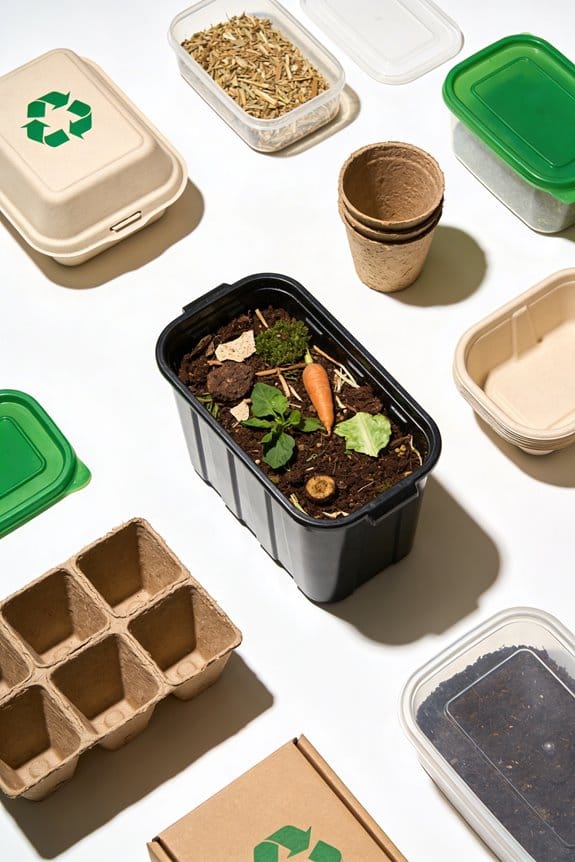
Try this: instead of tossing leftover food into the trash, consider composting or using anaerobic digestion methods. These techniques can feed our soil and keep food waste out of landfills. The best part is, by reducing what ends up there, you’re helping to combat those serious greenhouse gas emissions. Compostable bags made from plant-based materials like corn starch and PLA can help facilitate proper composting by ensuring waste breaks down efficiently.
Honestly, it all starts with small steps. By rethinking how we handle food waste, we can contribute to a healthier planet for ourselves and generations to come. Next time you’re cleaning up after a meal, think about the impact of your choices. Together, we can make a difference!
In short, reducing food waste not only benefits the environment but also cools down the harmful gases that threaten our future. What will you do to tackle food waste in your life?
How Sustainable Goods Minimize Organic Waste Generation

Have you ever thought about how your shopping choices impact organic waste? It might surprise you that those choices can make a big difference. Sustainable goods, which are made to last, not only help you buy less, but they also keep trash to a minimum.
When you choose compostable materials, you’re actually helping to steer organic waste away from landfills. This is important because when organic matter decays in landfills, it releases methane—a gas that’s harmful to our environment. So, every time you pick up a sustainable product, you’re contributing to less methane hanging around our atmosphere.
Want to be part of the solution? Embracing a circular economy approach means looking for ways to repurpose materials. This helps to keep more organic waste from piling up in landfills. Think about how you can get creative with items you already have rather than tossing them out.
Community education plays a big role too. Sharing knowledge about sustainable practices is key for raising awareness on waste reduction strategies, especially when it comes to food waste. What if you could start a conversation in your neighborhood or online about these changes?
The best part is knowing that even small changes in your choices can lead to less organic waste and a healthier planet for future generations. So, next time you shop, ask yourself: What’s the most sustainable option here? Making thoughtful choices can really add up! Compostable trash bags with BPI certification ensure that your organic waste breaks down without leaving toxic residues, helping further reduce landfill methane emissions.
The Impact of Compostable Products on Landfill Volume

Have you ever thought about what happens to all those leftovers and food scraps we toss in the trash? It’s alarming to realize that about 24% of landfill waste in the U.S. is actually food waste. That’s where compostable products come into play, and they can really make a difference in managing this waste. By opting for compostable items, you can help cut down on the organic waste that produces methane, a potent greenhouse gas, in landfills.
Composting is like nature’s recycling. Instead of letting that food waste sit in a landfill and decompose in ways that shoot harmful gases into the atmosphere, composting turns it into rich organic matter that can be used to fertilize soil. So, why does this matter? Using compostable products helps keep our landfills smaller because they break down much more efficiently compared to conventional plastics.
Here’s the trick: when you choose compostable options, you’re not just reducing landfill volume; you’re also helping to nourish the earth. Isn’t it cool to think about how those banana peels and coffee grounds can go back to support local agriculture?
Honestly, making the switch to compostable products is a smart choice. You’re contributing to a healthier environment by recycling nutrients back into the soil and cutting down on waste. Plus, you can feel good knowing you’re making smarter choices for the planet. Many compostable plates are BPI certified, which ensures they break down quickly and safely in commercial composting facilities.
Durable Goods and Their Impact on Waste Management
Ever thought about what happens to those durable goods when you’re done with them? We all love our shiny new appliances and comfy furniture, but they often end up in landfills, contributing to that mountain of municipal solid waste. You might be surprised to learn that durable goods actually account for a big chunk of organic emissions, which play a major role in greenhouse gases and methane production. When these items break down, they can release methane—a notorious player in climate change.
So, what can you do about it? One great approach is to adopt more sustainable habits in your purchases. Here’s the trick: look for items that are easily recyclable and designed to last. By doing this, you’re not just reducing the amount of waste you create; you’re also helping alleviate pressure on our overflowing landfills.
I get it—sometimes, it feels like we’re just one person in a sea of consumers. But remember, every small step helps! Consider things like:
- Checking if a product can be recycled.
- Researching how long it’ll last—durability matters!
- Choosing brands that focus on sustainability.
Honestly, it doesn’t have to be a massive shift. Looking out for these factors when buying durable goods is a simple way to make a positive impact on the environment. The best part is that you’re not just helping the planet; you’re probably making a smarter choice for your wallet too!
For example, opting for reusable items such as foldable tote bags made from durable nylon or polyester can significantly reduce single-use plastic waste.
Let’s wrap this up: When you’re picking out durable goods, think about their recyclability and longevity. Small changes today can lead to big benefits tomorrow. What are some sustainable products you’re considering next?
How the Circular Economy Promotes Sustainable Consumption
Have you ever stopped to think about how much food we throw away? It’s pretty shocking—about one-third of the food we produce ends up in the trash, which not only wastes resources but also contributes to methane emissions. This is where the concept of a circular economy comes into play. It’s all about minimizing waste and making better choices that protect our planet.
To make a real difference in your daily life, consider simple practices like reusing, refurbishing, or recycling. Composting is a fantastic way to turn food scraps into valuable resources instead of letting them sit in a landfill. And if you can, support energy recovery systems that help convert organic waste into energy. These small actions add up!
Focusing on sustainable products also helps lower the environmental impact throughout the entire life cycle of a product. Here’s the trick: when you’re shopping, look for items that are made sustainably or can be recycled. It takes a bit more effort, but the rewards are worth it. Not only do you contribute to less waste, but you also encourage companies to make more responsible choices.
Community engagement is huge in this journey. Local initiatives can help you get a better grasp of sustainable practices and how to adopt them. Whether it’s joining a local cleanup or taking part in a community garden, these actions create a culture of responsibility that reduces pollution. So, why does this matter? Because together, we can significantly cut down on methane emissions and create a cleaner environment.
Truth is, every bit helps when it comes to waste management. Using a countertop compost bin in your kitchen is one simple and effective way to manage organic waste and reduce odors. So, as you think about your daily habits, consider what changes you can make towards more sustainable consumption. Remember, every small choice counts towards creating a healthier planet. What steps will you take today to embrace this new way of living?
How Consumer Choices Influence Waste Reduction Efforts
Ever thought about how much food goes to waste every day? It’s a staggering 29% in the U.S. every year. This waste doesn’t just disappear—it creates a serious amount of methane gas that’s harmful to our environment. So, what can you do about it?
Supporting local organic farms or opting for sustainable products is a great start. These choices help reduce the methane that ends up in landfills. It’s all about making those small changes that add up over time. The best part is, when you choose these options, you’re not only helping the planet but often getting fresher, tastier food, too!
Another way to tackle food waste is by following the Prevent, Provide, Power™ approach. Try this: when you cook or shop, think about what you’re really going to eat. If you’ve got food that’s still good but you won’t consume, consider donating it. This not only helps those in need but also keeps perfectly good food out of the trash.
Honestly, making smarter consumer choices can feel a bit overwhelming at first, but every small effort counts. You’re not just saving money; you’re playing a part in creating a healthier planet. Using reusable lunch bags made from eco-friendly materials is one practical way to reduce single-use waste and support sustainability.
Examples of Innovations in Sustainable Goods
Have you ever stopped to think about how your everyday choices affect the planet? It can feel overwhelming, but there are some amazing innovations in sustainable goods that can help make a difference.
For starters, consider biodegradable packaging. Unlike traditional materials, biodegradable options break down in landfills, which can significantly cut methane emissions. And if you’re really looking to reduce waste, some companies are now offering edible packaging. Imagine grabbing a snack wrapped in something you can actually eat — it completely eliminates waste!
Another great tip is to switch to plant-based materials for items like cutlery and straws. These alternatives help lower our reliance on fossil fuels, which is a plus for the environment. And don’t forget about sustainable textiles. Clothing made from recycled fibers has a much smaller environmental footprint than things made using conventional methods.
Reusable goods are worth mentioning, too. Think refillable containers or bags. They support a circular economy by minimizing both landfill waste and organic waste. Honestly, every little step can contribute to a healthier planet.
An example is the increasing use of compostable coffee cups made from sustainable materials like bamboo and PLA bioplastics, which decompose rapidly and reduce plastic pollution.
So, what can you do? Next time you’re shopping, keep an eye out for these sustainable options. Each decision you make counts towards a more eco-friendly lifestyle.
In the end, these innovations remind us of our ability to impact the world positively. So why not take a moment to think about how you can contribute?
Supporting Sustainable Initiatives at the Local Level
Have you ever thought about how much food goes to waste in our communities? It might surprise you to learn that wasted food makes up a huge chunk of landfill material—about 24%. Fortunately, there are real ways we can tackle this issue right at the local level.
Local governments can take charge of sustainable initiatives by promoting simple solutions like composting and anaerobic digestion. These approaches can significantly lower the methane emissions that are often released from landfills. So, what can you do? Teaming up with local businesses to encourage food donations is a great start. Not only does it help fight food waste, but it also fosters a sense of community as people come together to support one another.
Educational campaigns play a huge role too. When residents understand the importance of waste reduction, they’re more likely to take action. Organizing workshops or sharing informational resources can raise awareness and inspire others to get involved.
Here’s the trick: forming collaborative partnerships can lead to better resource management and innovative solutions. For instance, the Prevent Provide Power™ approach encourages communities to think creatively about waste. Also, consider supporting local financial initiatives that help develop effective waste management systems. Every bit helps!
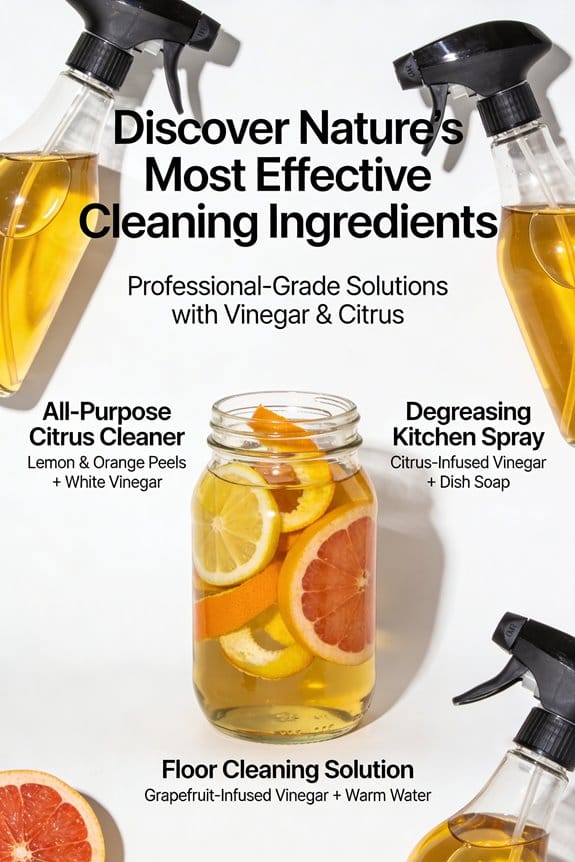
Additionally, incorporating eco-friendly cleaning solutions like vinegar-based products can reduce reliance on harsh chemicals and support household sustainability efforts.
Truth is, creating a sustainable future starts with us. By focusing on reducing methane emissions from our landfills, we can make a real difference. What do you think? Are you ready to pitch in and help your community take these steps towards sustainability?
Frequently Asked Questions
What Types of Materials Are Considered Sustainable for Consumer Goods?
We think sustainable materials include biodegradable materials like plant-based packaging, recycled plastics, and organic textiles. Using renewable resources and eco-friendly products makes a real difference, especially when we choose fair trade goods and upcycled items.
How Can Businesses Adopt Sustainable Goods Practices Effectively?
To adopt sustainable goods practices, we can focus on supply chain optimization, eco-friendly packaging, and employee training programs. Implementing waste reduction strategies and sourcing local materials will enhance our impact through consumer education initiatives and partnership building.
What Are the Economic Benefits of Using Sustainable Goods?
While traditional materials can drain resources, using sustainable materials sparks cost savings and job creation. We can boost market demand through eco-friendly products, fostering consumer awareness and investment opportunities for long-term growth and waste reduction in our supply chains.
How Do Sustainable Goods Impact Overall Product Lifecycle Assessments?
Sustainable goods considerably improve lifecycle analysis by enhancing product design, promoting resource efficiency, and reducing carbon footprints. They influence consumer behavior, optimize manufacturing processes, and support waste reduction, ultimately contributing to a flourishing circular economy at end of life.
Are There Certifications for Sustainable Goods Consumers Should Look For?
Did you know that products with eco label certifications can reduce environmental impact by up to 30%? We should look for Fair Trade, Green Certified, USDA Organic, and B Corp certifications when shopping for sustainable goods.