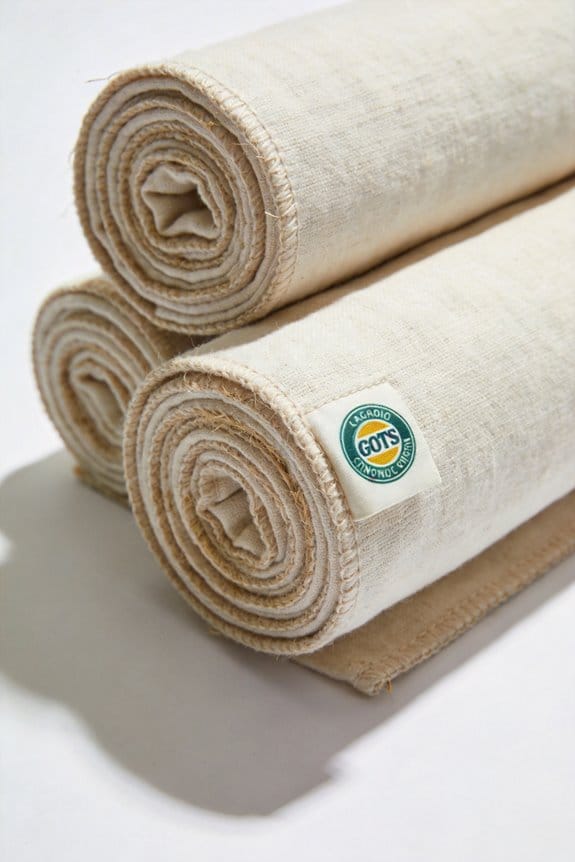


Linen is considered one of the strongest natural fibers because it’s made from the flax plant, which has a density of about 1.5 grams per centimeter. This fiber is incredibly durable, increasing in strength with each wash while becoming softer. Linen resists mildew and insects, making it long-lasting. Products made from linen often outlast those made from other materials. If you’re curious about its other benefits, there’s more to discover about this amazing fabric.
Key Takeaways
- Linen is derived from the flax plant, known for producing one of the strongest natural fibers available.
- Its fiber structure enhances tensile strength, allowing linen to outlast many other fabrics.
- Linen grows stronger with each wash while maintaining its softness and robust qualities.
- It exhibits resistance to mildew and insect damage, further emphasizing its durability.
- Linen’s eco-friendly cultivation process contributes to lower environmental impact, enhancing its reputation as a strong, sustainable fiber.
Discovering Linen: A Strong and Durable Fabric
When you’re on the hunt for durable fabrics, have you ever considered linen? This amazing material comes from the flax plant and offers some of the toughest natural fibers around. One of the coolest things about linen is that it actually gets stronger with every wash. It’s lightweight and breathable, making it a top pick for everything from summer clothes to table linens.
You might be thinking, “Why does this matter?” Well, if you want fabric that holds up over time while keeping you cool and comfortable, linen is the way to go. It’s also super absorbent, so you can enjoy those scorching summer days without feeling sticky.
The best part is that linen lasts. Over the years, it develops a soft, luxurious feel that’s hard to beat. Whether you’re wearing a linen shirt or dressing your table with a linen cloth, it’s a smart choice for anyone after quality and durability. For those who prioritize eco-friendly options, choosing fabrics like linen contributes to sustainable and organic textile production similar to GOTS certified organic cotton.
Recommended Products

30 square tablecloths each measure 84 inches in sides; ideal as an overlay or topper on 60 inch round tables

12 rectangular tablecloths each measure 90 x 156 inches in sides; ideal floor length drop on standard 8 foot banquet table

SIZE: 68"x162" Rectangle, 172cmx412cm delivered size tablecloth. Perfect for 12-14 seats rectangle table. Recommended tablecloth drop is between 8" and 16" on each side.
How Linen Keeps You Comfortable Year-Round
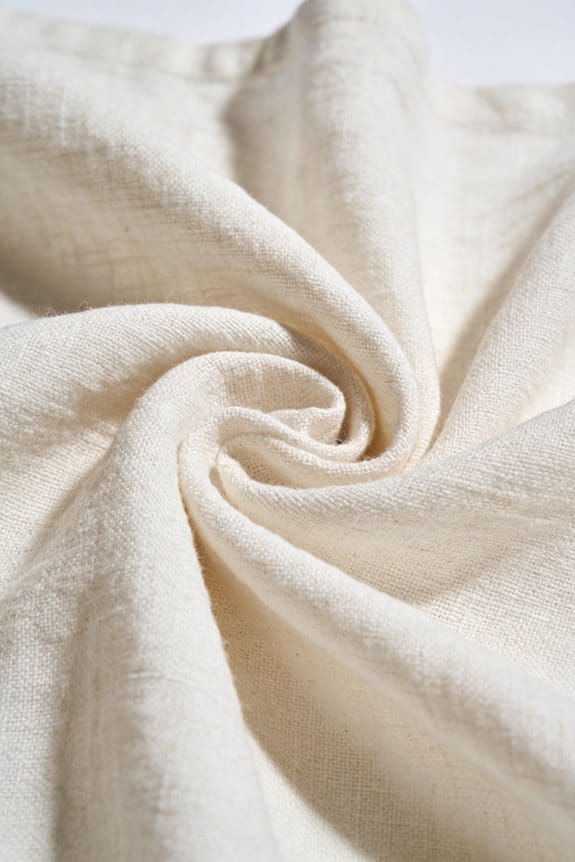
You ever find yourself sweating through your clothes on a hot summer day, only to shiver in the cold when winter rolls around? Linen can be a real lifesaver in these situations. It’s not just a tough fabric; it’s incredibly breathable. This means it lets air flow freely, helping to keep you cool when temperatures soar. Plus, it can soak up around 20% of its weight in moisture, which is a big deal for those sticky days when you’re trying to keep sweat patches at bay.
But here’s the kicker: when winter comes knocking, linen’s thermoregulating properties kick in, offering warmth too. So, it’s a real all-rounder! If you’re someone with sensitive skin, you’ll love that linen is hypoallergenic. It’s gentle, which means you can wear it comfortably without worrying about irritation.
One of my favorite things about linen is how it gets better with each wash. It becomes softer over time, making it more pleasant against your skin, which is always a win. After a while, you’ll find yourself reaching for it season after season. Honestly, investing in linen is like getting a wardrobe that works for you all year round. To keep linen garments in their best condition, using hypoallergenic organic laundry detergents is a great choice as they avoid harsh chemicals and are gentle on sensitive fabrics.
Recommended Products

360° Swivel Seat for Easy Movement - Effortlessly turn in any direction without moving the island chairs. Perfect for dining, conversations, or casual lounging with friends and family
☆ There Are Two Styles to Choose From: Cotton and linen material, wear-resistant and durable, comfortable to touch, soft and breathable. High quality PU leather, smooth and wearable, clear and natural texture. high-density sponge cushion provides excellent support. offering soft support for long meals or work meetings.

Modern Wingback: Designed by a British furniture designer with 30 years of experience, the king storage bed headboard with 12" wide wingback is filled with high-density foam. Combining medieval and modern styles, it offers ample support for reading or using your phone comfortably, enhancing your bedroom furniture setup
Linen: A Sustainable Choice for Eco-Friendly Living

Have you ever thought about how your fabric choices impact the environment? Linen might just be the way to go. It’s made from flax plants, which means it’s not only stylish but also a friend to our planet. Compared to cotton, flax requires a lot less water to grow. This makes it a smart option for anyone wanting to make greener choices in their wardrobe.
What I love about linen is that it uses the whole flax plant, which really helps reduce waste during production. That’s a win-win for Mother Earth. Plus, when you choose linen, you’re getting a fabric that’s completely biodegradable. It breaks down naturally, keeping harmful microplastics out of our ecosystems.
So, why does this matter? Linen farming doesn’t just benefit you as a consumer; it also supports the environment. It actually helps improve soil quality and can absorb about 3.7 tonnes of CO2 from the atmosphere per hectare. That’s pretty impressive.
When you go for linen clothing or home textiles, you’re not just making a fashion statement. You’re endorsing sustainable practices that favor a healthier planet for everyone. It’s a small change that can lead to a big impact.
In addition, linen products like napkins are durable and designed to withstand frequent use, making them an eco-friendly choice for sustainable living.
In the end, making the switch to linen is a straightforward way to lessen your footprint on Earth. Have you considered how your fabric choices could affect our world?
Recommended Products

DECORATIVE LINEN-FEEL PAPER NAPKINS - Add an upscale feel to your wedding or catered event by setting tables with These imposing colored linen-feel napkins!

- SET IN STYLE: Set your table in style with these elegant pre-rolled napkin fork knife and spoon sets, held together with a decorative napkin band

LINEN-LIKE MATERIAL: Luxurious feel! Made from premium air-laid paper, these paper napkins combine the convenience of disposable paper napkins with the luxuriously soft touch of linen napkins.
Everyday Uses of Linen: Beyond Clothing
Have you ever thought about how just one fabric can really enhance your daily life? Linen might usually pop into your head as a clothing choice, but it actually has all sorts of practical uses that can add a touch of class and functionality to your home.
For starters, think about your dining table. Linen tablecloths and napkins are a staple for many households because they’re tough enough to handle frequent washes and still look great. They don’t just elevate your dining experience; they also add a bit of elegance to casual meals. The best part? Most of them come in a variety of colors and patterns, so you can easily match them to your décor.
When it comes to sleep, linen sheets and pillowcases are a real treat. They’re breathable and wick away moisture, which is especially great if you tend to get hot during the night. Imagine slipping into those cool sheets after a long day! Plus, they get softer with each wash, making your bed feel like a cozy retreat.
Linen also shines in upholstery. Using linen on your sofas or armchairs can bring an air of sophistication while withstanding the wear and tear of everyday life. So, if you’ve got kids or pets, you might just find that linen can hold up better than other fabric options.
And let’s not forget lightweight linen accessories. Hats and scarves make for perfect additions to your warm-weather wardrobe, offering style without weighing you down. Honestly, you can protect yourself from the sun while looking effortlessly chic.
Thinking about sustainability? You’ll be pleased to know that linen is an eco-friendly choice. It can easily be made into sustainable products, like packaging materials and handmade crafts, aligning with those of us trying to be more mindful about our consumption. In addition, linen complements other eco-conscious materials often used in home dining, such as biodegradable dinnerware, for a fully sustainable lifestyle.
To wrap it all up, linen isn’t just for your closet; it’s an all-around fabric that can enhance your home and lifestyle. So next time you’re shopping for home goods or accessories, why not consider giving linen a try? What’s your favorite use for linen in your home?
Recommended Products

90 square tablecloths each measure 45 inches in sides; ideal for use as a small overlay or topper

10 rectangular tablecloths each measure 90 x 156 inches in sides; ideal floor length drop on standard 8 foot banquet table

5 square tablecloths each measure 132 inches in sides; ideal floor length drop on 72 inch square tables
Benefits of Linen for Health and Comfort
Ever notice how uncomfortable fabrics can make you feel? If you’ve got sensitive skin or allergies, you might really appreciate the benefits of linen. It’s hypoallergenic, which means it’s a solid pick for anyone prone to reactions. Plus, this fabric absorbs moisture like a champ, keeping your skin dry and helping to avoid pesky rashes or clogged pores.
Now, when those hot summer months roll in, linen shines. Its lightweight feel lets air circulate, keeping you cooler than other fabrics might. And if you’re struggling with sleep, linen’s thermoregulating abilities can help you maintain a comfy body temperature throughout the night. Honestly, it’s a wonderful choice for your bedding—there’s just something about snuggling into soft linen sheets that feels right.
If you or someone you know deals with eczema, consider switching to linen. Its gentle touch can really offer some much-needed relief. You’ll not only feel good but look pretty stylish too, which is a huge bonus. Many choose linen or organic cotton towels because their high absorbency and softness bring added comfort to daily routines.
Recommended Products

HOTEL SHEET COLLECTION: We developed Host & Home T180 sheets for the hotel and vacation rental market. Durable polyester meets soft cotton with this affordable 55% cotton / 45% polyester blended hospitality sheet collection.

LUXURY DESIGN: Made with 100% Egyptian Cotton and 1200 thread count; Buttery-soft texture with a subtle shimmer from sateen weave finish; Solid pattern is available in a variety of color options to update any bedroom
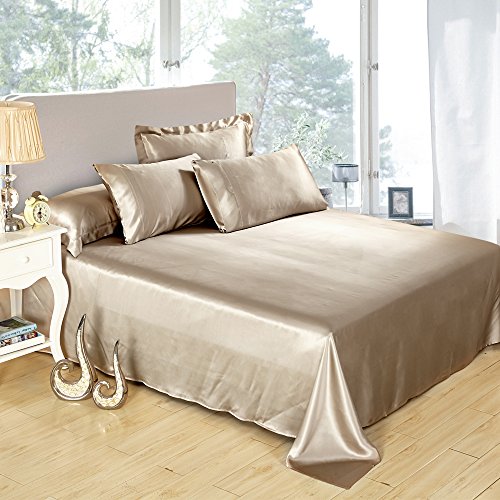
LUXURY 4PC SILK SHEETS FOR BED: This silk sheets California king includes: 1 x silk flat sheet 102" x 110"(259*279cm), 1 x silk fitted sheet 72"x84"+16"(183*214+40cm), 2 x silk pillowcase 20"*36"+2"(50*90cm)
Frequently Asked Questions
Why Is Linen so Strong?
Linen’s strength comes from its durable fiber structure and lightweight properties, making it favorable in eco-friendly textiles. Compared to cotton, it lasts longer in various textile applications, emphasizing responsible linen cultivation and care for reduced environmental impact.
Is Linen the Strongest Fiber?
While some might argue otherwise, we believe linen stands out as the strongest fiber. Its durability rivals others, boasting sustainable materials, rich historical usage, and remarkable benefits, all woven through various weaver traditions and modern fashion trends.
What Are the Strongest Natural Fibers?
The strongest natural fibers include hemp for its durability, silk for its properties, jute for its strength, along with ramie and bamboo for versatility. Plus, we find coir, sisal, and alpaca wool beneficial in various uses.
Why Did God Say Not to Mix Linen and Wool?
Mixing linen and wool fell under biblical fabric rules, reflecting ancient practices and Levitical laws. This prohibition symbolizes cultural significance, textile purity, and deeper religious interpretations, guarding against fabric blending effects that could disrupt harmony.